Source Wedding Confetti Machine for Stage, Dance, and Party Events
Compare 30 available units of Wedding Confetti Machine designed for stage, dance, and party events. Buyers can review specifications like output distance, power consumption, and control types to select the right equipment for their show needs.
Key considerations
Products List


Stage Effect Equipment 300W Rainbow Confetti Machine for Events Stage Effect
$372.00 - $395.00
MOQ: 10 Pieces


650W Stage Equipment Sparking Machine Wedding Party Spark Flame Machine
$229.00 - $249.00
MOQ: 1 Pieces


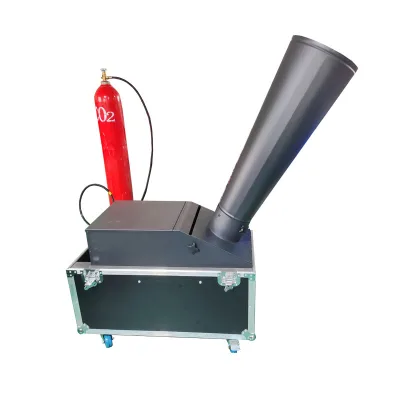
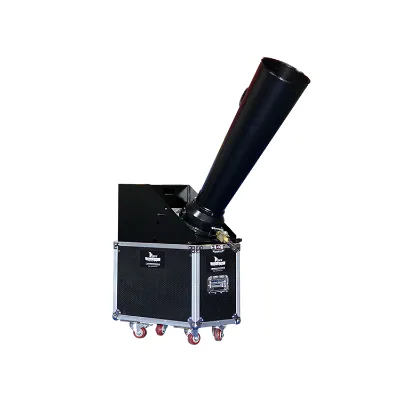
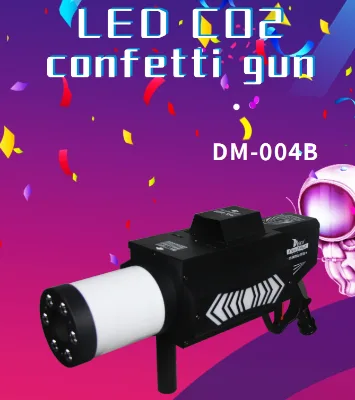
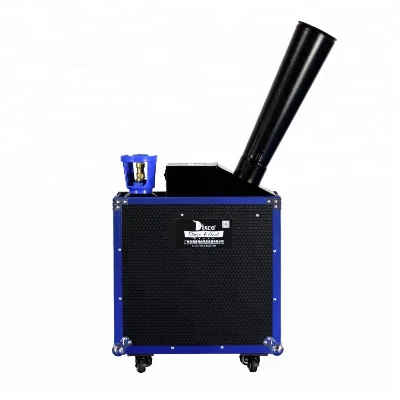
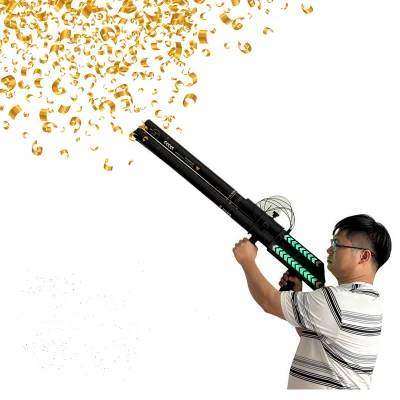
Portable Co2 Confetti Cannon Machine Confetti Machine With Bullion Paper
$189.06 - $225.85
MOQ: 1 pieces
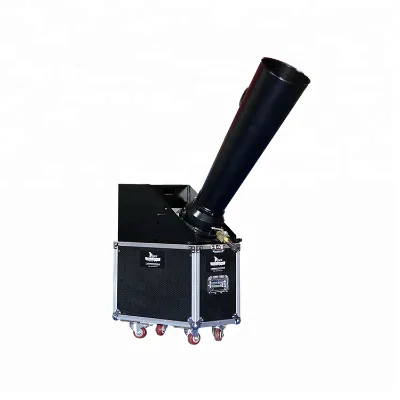
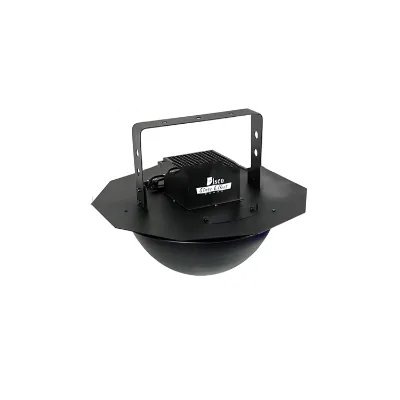
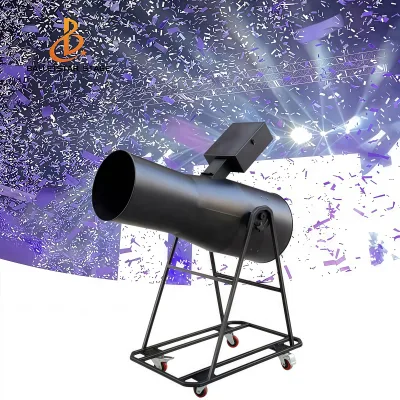
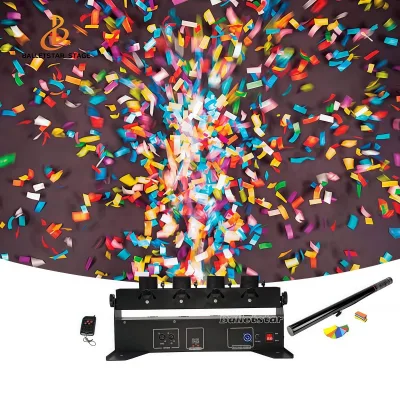



Comprehensive Sourcing Guide
Strategic Sourcing Guide for Wedding Confetti Machines
Procuring specialized event equipment for high-stakes environments like weddings requires a rigorous, evidence-based approach. The market for confetti machines is characterized by a wide variance in technical capabilities, from simple indoor units to high-velocity outdoor systems. Buyers must navigate a landscape where product attributes often overlap or contradict depending on the specific model and intended application. This guide synthesizes observed product data to provide a framework for evaluating suppliers, verifying specifications, and ensuring compliance without relying on unverified marketing claims. The primary objective is to align procurement decisions with the specific logistical and aesthetic requirements of the event venue.
Technical Specifications and Performance Parameters
The first step in sourcing a confetti machine is a detailed analysis of technical specifications. Observed data indicates a significant divergence in power requirements, output capacity, and physical dimensions across available models. For instance, some units operate with a power consumption of 150W, while others may require 300W or even 1500W depending on the mechanism. It is critical to verify the voltage compatibility, with common ranges observed between AC110-230V at 50-60Hz, ensuring the equipment matches the local power infrastructure at the wedding venue.
Output performance is another critical variable. Data suggests that certain models are designed for indoor use with an output distance of 1-5 meters, whereas others are engineered for outdoor applications with a reach of 15-20 meters high. The type of medium dispensed also dictates the machinery required. Some units are specified as "Rainbow Machines" utilizing full-color paper, while others are "Confetti Machines" that may require specific liquid CO2 consumption rates, such as 0 to 4 kilograms per second, or handle solid confetti loads. Buyers must distinguish between machines that require a power source and those labeled as "No Power Required," which may rely on pneumatic or mechanical pressure systems.
Physical constraints are equally important for logistics. The body size of these machines varies drastically, ranging from compact units measuring approximately 540470210mm to larger industrial frames reaching 6753801230mm. Weight is a decisive factor for transportation; observed net weights range from 4.8kg to 50kg. A 50kg unit will require specialized lifting equipment and a dedicated transport vehicle, whereas a 4.8kg unit can be handled by standard event staff. Additionally, the spray height and coverage area must be matched to the venue dimensions. A machine with a cover area of 600m² is suitable for large banquet halls, while smaller units are better suited for intimate ceremonies.
Compliance and Certification Verification
In the B2B event industry, compliance is not merely a formality but a prerequisite for liability protection and operational safety. When sourcing confetti machines, buyers must demand verified documentation for certifications. The most frequently observed certification in the product data is CE, which indicates conformity with health, safety, and environmental protection standards for products sold within the European Economic Area. Some listings also reference RoHS compliance, which restricts the use of specific hazardous materials in electrical and electronic equipment.
However, buyers must exercise caution regarding the scope of these certifications. A product listing stating "CE" must be supported by a valid certificate of conformity issued by a recognized body. It is insufficient to rely on a supplier's verbal assurance or a generic claim on a website. Furthermore, while some background data mentions ASTM D6400, this standard relates to biodegradable plastics and should only be cited if the specific confetti material being used, not the machine itself, is being evaluated for environmental compliance. The machine's electrical components must strictly adhere to the voltage and frequency standards of the destination country.
The IP Rating is another critical compliance metric. An observed rating of IP20 indicates protection against solid objects larger than 12.5mm but offers no protection against water. This specification is vital for indoor venues but would be a disqualifying factor for outdoor weddings where rain or moisture is a possibility. Buyers should verify if the machine requires a specific IP rating for the intended environment and ensure the supplier provides a test report confirming the rating.
Cost Drivers and Pricing Structures
Understanding the cost drivers for confetti machines is essential for budgeting and negotiating. The observed price range in the market spans from 1 USD to 1560 USD, a variance that reflects differences in technology, build quality, and capacity. Several factors influence this pricing structure. First, the power consumption and motor quality are significant cost drivers; a 1500W unit with a robust motor will inherently cost more than a 150W unit. Second, the complexity of the control system affects price. Units offering manual control are generally less expensive than those equipped with remote control capabilities or advanced automation features.
Packaging and shipping logistics also contribute to the final cost. Observed data shows that some units are packed in standard cartons, while others require a flight case for protection during transit. A flight case adds to the initial product cost but reduces the risk of damage, potentially lowering long-term replacement costs. The weight of the unit directly impacts shipping fees; a 50kg machine will incur significantly higher freight charges than a 4.8kg unit.
Minimum Order Quantity (MOQ) is another variable that affects the unit price. The observed MOQ range is 1 to 25 units. For a single wedding event, a buyer may only need one unit, but suppliers with a higher MOQ might offer a lower per-unit price if the buyer is sourcing for multiple events or a rental fleet. Buyers should calculate the total cost of ownership, including shipping, insurance, and potential import duties, rather than focusing solely on the listed unit price.
Typical Applications and Venue Suitability
The application of a confetti machine is dictated by the venue type and the desired visual effect. The product data highlights several distinct use cases, including stage performances, dance effects, parties, disco shows, bars, and specifically, wedding ceremonies. For a wedding, the choice between an indoor and outdoor machine is paramount. Some models are explicitly marked for "Inside and Outside (Dry Weather!)" use, indicating a limitation that must be respected to prevent equipment failure.
The type of confetti dispensed also influences the application. "Rainbow Machines" that emit full-color paper are ideal for creating a vibrant, festive atmosphere in indoor ballrooms. In contrast, machines requiring liquid CO2 or high-pressure systems are better suited for outdoor venues where the confetti needs to travel further and disperse more widely. The sound output is another consideration; a machine with a sound level greater than 80 dB may be disruptive during a quiet ceremony but acceptable for a high-energy reception.
Buyers must also consider the warm-up time. An observed warm-up time of 5 minutes is a critical operational detail. If the wedding schedule is tight, a machine that requires a 5-minute warm-up could delay the grand entrance or the exit ceremony. For events requiring immediate action, a machine with a faster warm-up or no warm-up requirement would be preferable. The control method, whether manual or remote, also dictates the operator's role. Remote control allows the operator to manage the machine from a distance, which is useful for large venues, while manual control requires the operator to be physically present at the unit.
Supplier Evaluation and Operational Capabilities
Evaluating a supplier for confetti machines requires a focus on operational reliability and logistical support. The origin of the product is a key indicator of supply chain stability. Many observed products originate from Guangzhou, Guangdong, China, a major manufacturing hub for event technology. However, buyers should verify the specific factory location and production capacity to ensure the supplier can meet delivery timelines.
The customization capabilities of the supplier are also a critical evaluation metric. Data indicates that customization is available for these products. Buyers should inquire about the extent of this customization, such as the ability to modify body colors (e.g., black or other colors) or adjust the output distance to fit specific venue constraints. A supplier that offers flexible customization can better tailor the equipment to the unique needs of a wedding event.
Furthermore, the packaging and handling instructions provided by the supplier are indicative of their professionalism. Units packed in flight cases suggest a supplier that understands the fragility of the equipment and the need for secure transport. Buyers should request detailed packing lists and handling guidelines to ensure the machine arrives in perfect condition. The supplier's ability to provide clear documentation for certifications and technical specifications is also a measure of their reliability.
Quality Control and Long-Term Procurement
Implementing a robust quality control (QC) process is essential when sourcing industrial event equipment. Buyers should establish a clear protocol for inspecting received goods. This includes verifying the physical dimensions against the provided specifications, checking the weight against the net and gross weight data, and testing the electrical components for voltage compatibility. For machines with specific output requirements, such as the 20,000 cuff/min smoke output or specific liquid consumption rates, a functional test should be conducted before the event.
Long-term procurement considerations involve the durability and maintenance of the equipment. The battery specifications, such as the use of 2PCS 8.4V Lithium Batteries, are critical for portable units. Buyers should inquire about the battery life, replacement costs, and the availability of spare parts. A machine with a high power consumption of 1500W may require more frequent maintenance than a 150W unit. Additionally, the warranty terms and the supplier's support for troubleshooting should be clearly defined in the procurement contract.
For buyers planning to purchase multiple units or build a rental fleet, the standardization of equipment is a strategic advantage. Selecting models with similar control systems, power requirements, and packaging types can simplify training and logistics. The observed data shows a variety of models, such as the SF-D023 and RG-CM300, each with distinct specifications. Buyers should create a standardized list of approved models that meet their specific operational criteria to ensure consistency across their inventory.
Final Procurement Considerations
In conclusion, sourcing a Wedding Confetti Machine requires a meticulous approach that balances technical specifications, compliance, cost, and operational needs. Buyers must avoid making assumptions based on marketing claims and instead rely on verified data and documentation. The wide range of observed specifications, from power consumption to output distance, underscores the importance of matching the machine to the specific venue and event requirements. By rigorously evaluating suppliers, verifying certifications, and implementing a strict quality control process, buyers can ensure the successful execution of their events. The decision to purchase should be driven by a comprehensive understanding of the product's capabilities and limitations, ensuring that the equipment performs reliably under the demanding conditions of a wedding celebration.
FAQs
What certifications do wedding confetti machines typically have?
Most units carry CE certification, with some also listing RoHS compliance. These standards indicate conformity with safety and environmental regulations for electrical equipment sold in international markets.
How much power do these machines consume during operation?
Power consumption varies significantly by model, ranging from 150W to 1500W depending on the mechanism. Some pneumatic units require no power, while others operate on AC110-230V at 50-60Hz.
Can I customize the body color of the confetti machine?
Yes, customization is available for body colors such as black or other requested shades. Buyers should verify specific customization limits with the supplier before placing an order.
What is the typical output distance for indoor wedding venues?
Indoor models typically achieve an output distance of 1 to 5 meters. This range is suitable for stage effects and dance floors where a concentrated visual impact is required.
Which packaging options are available for shipping the equipment?
Units are packed in either standard cartons or protective flight cases. Flight cases offer enhanced protection for transit, while cartons are lighter and more cost-effective for smaller shipments.
How long does the machine take to warm up before use?
Some models require a warm-up time of approximately 5 minutes before full operation. This delay should be factored into the event schedule to ensure timely performance.