Source Wedding Decoration Crystal Lighting Ball for parties, weddings, and home decor
Find 30 suppliers offering Wedding Decoration Crystal Lighting Ball options including LED string lights and crystal prisms. Compare specifications, sizes, and customization features for your event needs.
Key considerations
Products List


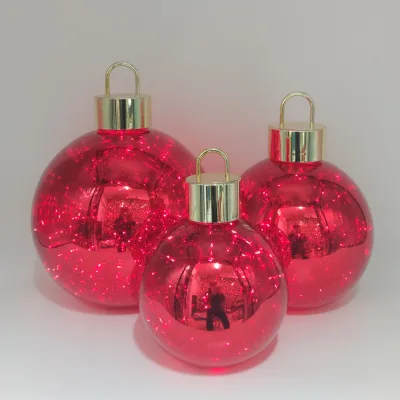
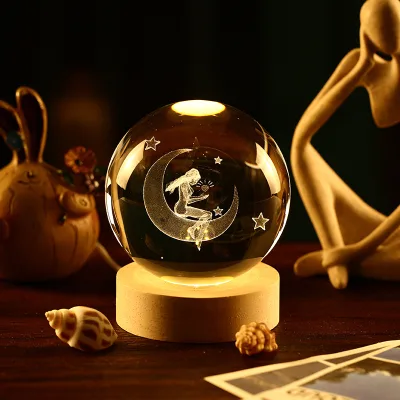
Comprehensive Sourcing Guide
Strategic Sourcing Guide for Wedding Decoration Crystal Lighting Balls
The global market for wedding decoration crystal lighting balls has expanded significantly as couples seek unique, high-impact visual elements to elevate their ceremony and reception aesthetics. These products serve a dual purpose: they function as decorative focal points that catch and refract light, and they often integrate LED technology to provide ambient illumination without excessive heat. For procurement professionals and event planners, sourcing these items requires a nuanced understanding of material properties, technical specifications, and supply chain dynamics. This guide synthesizes available product data and industry standards to provide a comprehensive framework for evaluating suppliers and selecting the right components for large-scale wedding installations.
Understanding Product Variants and Technical Specifications
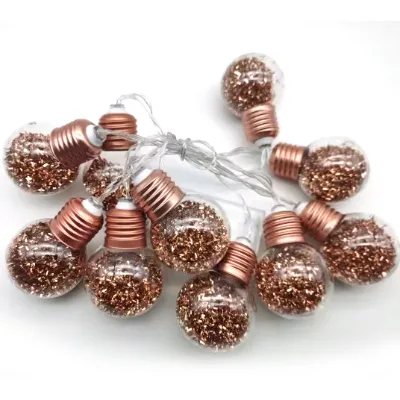
The first step in sourcing is distinguishing between the primary product categories that fall under the umbrella of "crystal lighting balls." The market currently features distinct variations, ranging from standalone decorative spheres to integrated string light systems. One observed category involves spherical units designed specifically for string light applications, often referred to as "LED String Ball" products. These units typically feature a specific diameter, such as 4.5 cm, and are constructed with a brown or multi-colored finish. They are engineered for outdoor or indoor string deployment, making them suitable for draping over wedding arches or hanging from venue ceilings.
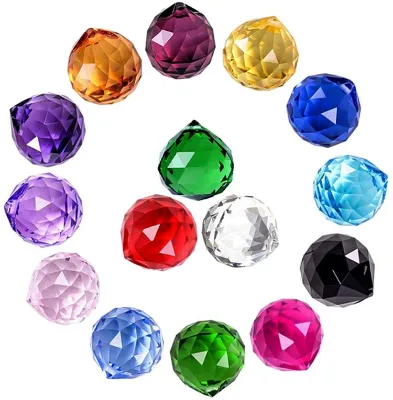
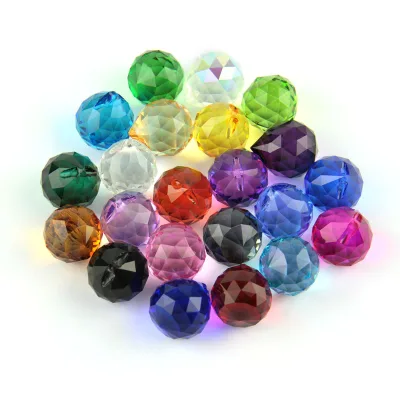
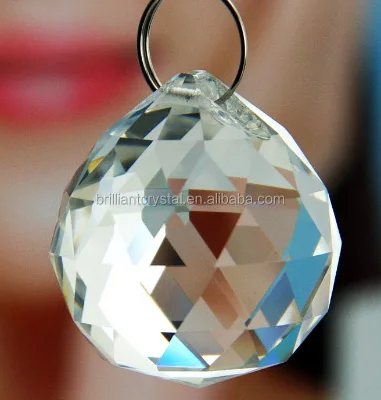
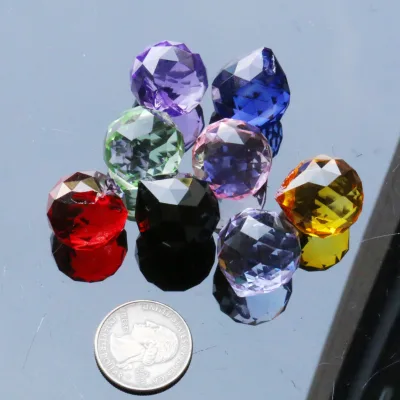
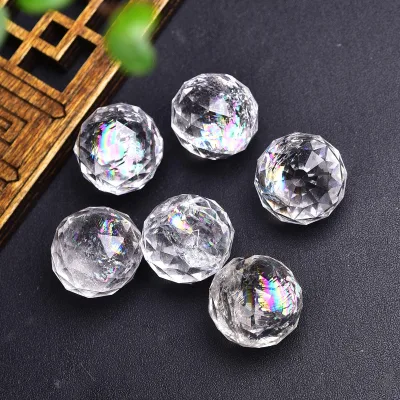
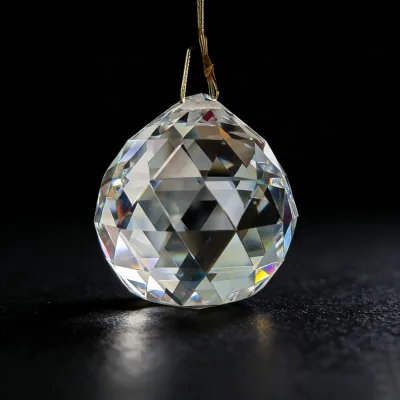
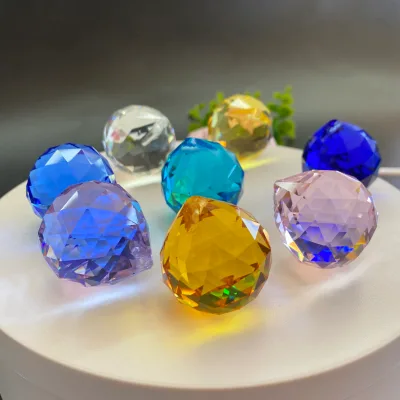
In contrast, another significant segment consists of standalone crystal prisms or chandelier balls. These items are often made from high-clarity materials like crystal or glass and are designed to be suspended individually or in clusters. Technical data indicates that these spheres come in a wide range of sizes, with common diameters including 15mm, 20mm, 30mm, 40mm, 50mm, 60mm, 70mm, and 80mm. The 40mm size is frequently cited as a standard option for medium-scale decorative projects. Unlike the string light variants, these crystal balls often feature a single hole for suspension and may be available in a vast array of colors, including black, blue, dark blue, light blue, orange, pink, red, white, light green, light yellow, dark red, and specialized finishes like AB, amber, aquamarine, and gold champagne.
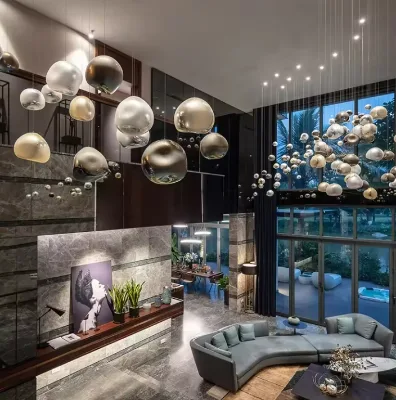
The integration of lighting technology is a critical technical differentiator. Some products are designed as "Crystal Chandelier Balls" that incorporate LED light sources directly. These units often support an input voltage range of AC 95-277V, ensuring compatibility with various international power standards. The light source is typically LED, which offers energy efficiency and a cool operation temperature, a vital safety feature for venues with flammable drapery or close guest proximity. Buyers must verify the specific voltage requirements and the nature of the light source (e.g., warm white vs. cool white) to ensure the lighting matches the desired wedding atmosphere.
Material Composition and Design Attributes
The aesthetic quality of wedding decorations is heavily dependent on the material used. The most premium option observed in the market is crystal, which is prized for its ability to refract light effectively, creating a sparkling effect that is highly desirable for formal events. These crystal balls are often produced using a "Carved" technique, which enhances their visual complexity and light dispersion. The design style can vary from traditional and folk art to luxury and business-oriented aesthetics, allowing buyers to match the product to the specific theme of the wedding.
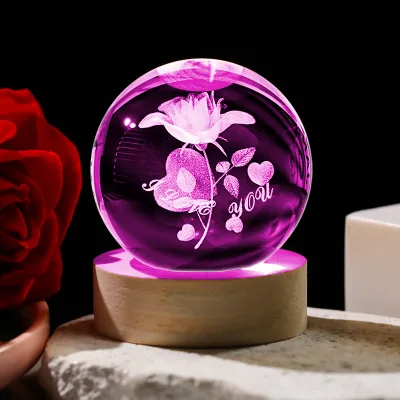
For applications where color is a primary design element, manufacturers offer products with customizable patterns and digital or UV printing capabilities. This allows for branding or thematic color matching. The shape is predominantly spherical, described as "BALL" or "Picture Show," ensuring a uniform appearance when hung in groups. Some products are marketed as "K9 Crystal Prism Balls," a term often associated with high-quality lead crystal or glass that mimics the optical properties of natural crystal. The "K9" designation suggests a specific grade of glass known for its clarity and brilliance, though buyers should confirm the exact material composition with the supplier.
The physical construction also includes specific features like "one holes" for easy suspension. The single gross weight for smaller units is often around 0.1 kg, making them lightweight and easy to install without heavy-duty rigging. However, larger or more complex assemblies, such as those involving chandelier-style balls, may have a product weight of up to 20 KG, necessitating robust structural support in the venue. The shade material for integrated lighting units is listed as "Others," indicating a need for verification regarding the specific plastic or glass type used to diffuse the light.
Cost Drivers and Pricing Dynamics
The pricing of wedding decoration crystal lighting balls is influenced by several factors, including material quality, size, customization level, and order volume. The observed market price range is extensive, spanning from $0.09 to $3500. This wide disparity reflects the difference between small, mass-produced plastic or glass beads and large, custom-engineered chandelier units or bulk orders of premium crystal.
A primary cost driver is the material. Crystal and high-grade glass are significantly more expensive than alternative materials. The "Carved" technique also adds to the cost, as it requires more labor and precision than simple molding. Customization is another major factor; products that support "Customized Logo" printing or specific color requests often command a higher price point due to the setup costs and lower production efficiency. The "ODM/OEM" capability of suppliers allows for these customizations, but buyers should anticipate that custom orders may have different pricing structures compared to stock items.
Order volume plays a crucial role in the final unit cost. The Minimum Order Quantity (MOQ) varies widely, with observed ranges from 1 to 1000 units. Some suppliers offer an MOQ of 50 pieces for specific crystal models, while others may require larger commitments for custom runs. The "factory wholesale price" is often highlighted as an advantage, suggesting that direct sourcing from manufacturers can reduce costs compared to intermediary distributors. However, buyers must balance the potential savings against the MOQ requirements and the total budget for the event.
Compliance, Certification, and Safety Standards
Safety is paramount when sourcing lighting products for public events like weddings. While the provided data does not explicitly confirm specific certification statuses for all listed products, it references industry-standard frameworks such as ISO 9001, ISO 14001, and ISO 9000. Buyers should treat these as benchmarks for supplier quality management systems rather than automatic guarantees of product safety.
When evaluating suppliers, procurement teams must verify electrical safety certifications relevant to the destination country. For products with an input voltage of AC 95-277V, compliance with local electrical codes is essential. The presence of "LED" light sources generally implies lower heat output, but the electrical components must still meet safety standards to prevent fire hazards. Buyers should request documentation confirming that the electrical components have been tested by recognized bodies.
Environmental considerations are also increasingly important. The "Environment-Friendly" attribute is listed as a product advantage, suggesting that some manufacturers are adopting greener production methods. However, buyers should verify what this entails, such as the use of recyclable packaging or lead-free materials, especially for crystal products. The "Quality Inspection" process, where "each beads checked by worker," indicates a manual quality control step, which is a positive sign for consistency but does not replace formal safety testing.
Supplier Evaluation and Sourcing Strategy
Selecting the right supplier requires a thorough evaluation of their capabilities and reputation. The data indicates that many suppliers offer "ODM/OEM" support, meaning they can manufacture products to the buyer's specifications. This flexibility is valuable for large wedding events that require a cohesive look across multiple venues or specific branding. Suppliers located in Zhejiang, China, are prominent in this sector, leveraging the region's established manufacturing infrastructure for glass and lighting products.
When assessing potential partners, buyers should look for evidence of robust quality control processes. The mention of "each beads checked by worker" suggests a hands-on approach to quality assurance. However, for large orders, it is advisable to implement third-party inspection protocols to ensure consistency. The "fast delivery" and "Hot Selling" attributes suggest that some suppliers have efficient logistics, but buyers must confirm lead times specific to their order size and customization requirements.
The "Selling Units" are often listed as "Single item," which can be beneficial for small orders or prototyping. However, for full wedding installations, buyers should negotiate bulk pricing and shipping terms. The ability to provide "Customized Logo" and "Customizable" patterns is a key differentiator, allowing for personalized wedding favors or branded event decor. Buyers should request samples to verify the quality of the "Digital Printing" or "Uv Printing" before committing to a large order.
Quality Control and Long-Term Procurement Considerations
Ensuring the quality of crystal lighting balls is critical to the success of a wedding event. The "Quality Inspection" process described involves manual checks, which can be effective for catching obvious defects but may miss subtle optical imperfections. Buyers should define clear acceptance criteria for light refraction, color consistency, and structural integrity. For crystal products, the absence of bubbles or scratches is essential for maintaining the premium look.
Long-term procurement considerations include the durability of the materials and the reliability of the supply chain. Wedding seasons are often peak periods, and suppliers may face capacity constraints. Establishing a relationship with a supplier that offers "factory wholesale price" and "good quality" can help secure priority production slots. Buyers should also consider the lifecycle of the products; crystal balls are durable, but the electrical components in LED-integrated units may have a limited lifespan.
The "Single package size" and "Single gross weight" data provided (e.g., 10X10X10 cm and 0.1 kg) are useful for calculating shipping costs and storage requirements. For larger assemblies, such as those weighing 20 KG, logistics planning becomes more complex. Buyers should ensure that the packaging is robust enough to prevent breakage during transit, especially for fragile crystal items.
Comparative Analysis of Product Categories
To assist in decision-making, the following table compares the key attributes of the two primary product categories observed in the market:
| Feature | LED String Ball | Crystal Chandelier Ball |
|---|---|---|
| Primary Application | String lighting, draping, arches | Hanging decor, centerpieces, chandeliers |
| Typical Size | 4.5 cm diameter | 15mm to 80mm diameter |
| Material | Plastic/Glass with LED | Crystal, K9 Glass |
| Light Source | Integrated LED (AC 95-277V) | Often passive (refractive) or integrated |
| Customization | Limited (Color, Logo) | High (Size, Color, Carving, Logo) |
| Weight | Lightweight (String dependent) | Variable (0.1 kg to 20 kg) |
| MOQ | Variable (1-1000) | Variable (50 pcs typical) |
| Key Advantage | Fast delivery, easy installation | Luxury look, high light refraction |
This comparison highlights that the choice between these categories depends on the specific design intent. String balls are ideal for creating continuous light effects, while crystal balls are better suited for creating focal points and sparkling accents.
Final Procurement Recommendations
Sourcing wedding decoration crystal lighting balls requires a balance of aesthetic vision, technical verification, and supply chain management. Buyers should prioritize suppliers who demonstrate transparency in their quality control processes and offer clear specifications regarding materials and electrical safety. The wide range of available sizes, colors, and customization options provides significant flexibility for event planners, but it also necessitates careful selection to ensure consistency.
By focusing on the technical specifications, verifying compliance with safety standards, and understanding the cost drivers, procurement professionals can secure high-quality products that meet the demands of modern weddings. The emphasis on "Environment-Friendly" practices and "High Quality" attributes suggests a market trend toward sustainability and excellence, which buyers should leverage when negotiating with suppliers. Ultimately, a strategic approach that combines detailed product knowledge with rigorous supplier evaluation will result in successful procurement outcomes for wedding decoration projects.
FAQs
What sizes are available for wedding decoration crystal lighting balls?
Available sizes include 15mm, 20mm, 30mm, 40mm, 50mm, 60mm, 70mm, and 80mm. Some specific models also feature a 4.5 cm diameter or a customizable size option depending on the supplier configuration.
Can suppliers provide customized logos on these crystal balls?
Yes, suppliers support customized logo printing on the products. This customization is often achieved through digital or UV printing techniques to match specific event branding or themes.
What is the minimum order quantity for these crystal lighting balls?
The minimum order quantity ranges from 1 to 1000 units depending on the specific product model. Some standard crystal models have an MOQ of 50 pieces, while others may allow single item purchases.
Which materials are used to manufacture these decorative balls?
The primary material used is crystal, often referred to as K9 crystal prism. Some variants may use other materials for shades, but the core decorative spheres are typically high-clarity crystal or glass.
How are these products inspected for quality before shipping?
Each bead is checked by a worker during the quality inspection process. This manual verification ensures that individual units meet the required standards for clarity and structural integrity before delivery.
What voltage requirements do the integrated LED lights have?
The integrated LED lights typically support an input voltage range of AC 95-277V. This wide range ensures compatibility with various international power standards used in different wedding venues.
Where are these wedding decoration products manufactured?
These products are manufactured in Zhejiang, China. This region is a known hub for glass and lighting manufacturing, offering factory wholesale prices and fast delivery options for international buyers.