Source Wedding Dinnerware Set for Hotels, Restaurants, and Homes
Source a Wedding Dinnerware Set from 24 verified options featuring ceramic, porcelain, and stainless steel materials. Compare designs including round, square, and star shapes with eco-friendly, lead-free finishes suitable for daily use, restaurants, and coffee bars; compare the available evidence and request quotations based on your requirements.
Key considerations
Products List


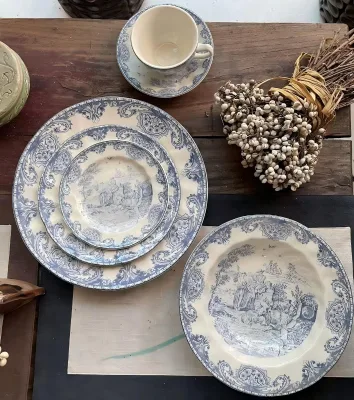


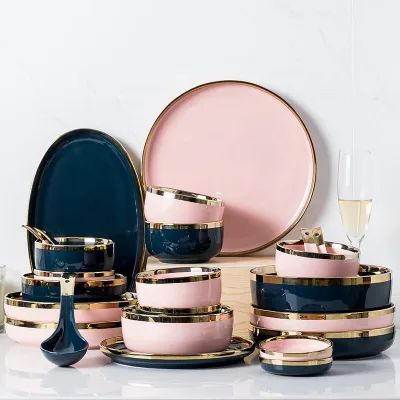
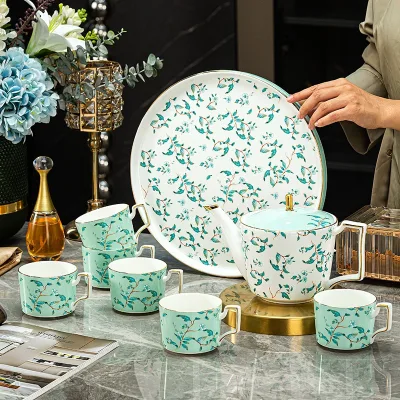
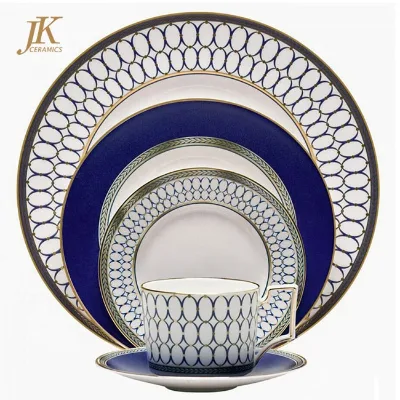


Comprehensive Sourcing Guide
Wedding Dinnerware Set Sourcing Guide
Sourcing a Wedding Dinnerware Set requires balancing aesthetic versatility with the rigorous durability needed for high-volume events. The available market features diverse materials ranging from ceramic and porcelain to stoneware and stainless steel, allowing buyers to select pieces that match specific venue themes. Options include multicolor designs with hand-painted details or unicolor sets in standard hues like white, blue, and red, ensuring flexibility for various wedding styles.
Buyers must also evaluate the structural integrity and functional safety of the selected items, as wedding service involves repeated handling and washing. Many suppliers offer products that are explicitly microwave and dishwasher safe, which is critical for post-event cleanup or catering reuse. The presence of lead and cadmium-free certifications ensures that the dinnerware meets food safety standards, protecting guests from potential health risks while maintaining the elegance required for a formal celebration.
Product Scope and Observed Listing Signals
The observed product listings reveal a wide spectrum of shapes and sizes, including round, square, oval, and unique forms like stars or leaves, catering to distinct thematic requirements. Buyers will find sets ranging from 11 to 20 pieces, often customized to specific dimensions such as 10-inch plates or 9-ounce mugs. This variety allows procurement teams to curate a cohesive look that aligns with the couple's vision, whether they prefer a traditional aesthetic or a modern, artistic presentation.
Commercial signals indicate that customization is a primary driver for many suppliers, with options for color box design and specific product modeling. However, some listings specify non-customized stock items, which may offer faster availability for urgent orders. The presence of features like eco-friendly materials and high-quality finishes suggests a market segment focused on sustainability and premium presentation, though buyers should verify if these attributes apply to the specific batch they intend to purchase.
Technical Specifications to Verify
Technical verification must begin with the material composition, as listings cite ceramic, stoneware, porcelain, and bone china alongside stainless steel options. Buyers should confirm the specific glaze type, such as color glazed or two-tone finishes, and ensure that hand-painted elements are durable enough to withstand the rigors of a wedding reception. The structural design, including simple handles or specific pad printing applications, must be inspected to guarantee that the items will not chip or break during service.
Dimensional accuracy is equally critical, with standard specifications often citing 7.5-inch plates, 7-inch bowls, and 10-inch dinner plates. Procurement teams should cross-reference these dimensions against the actual product samples to ensure they fit the venue's table settings and glassware. Additionally, verifying the packing method, whether in brown boxes, color boxes, or palletized displays, is essential to prevent damage during transit and to ensure the items arrive in pristine condition for the event.
Compliance and Safety Documentation
Safety compliance is non-negotiable for wedding catering, and buyers must demand documentation proving that the dinnerware is free from lead and cadmium. The market frequently lists certifications such as FDA, LFGB, CE/EU, CIQ, and EEC, which serve as indicators of adherence to international food contact safety standards. It is vital to request specific test reports for the exact model numbers being ordered, as certification status can vary between different product lines from the same supplier.
Beyond chemical safety, the quality standard classification, often noted as A-B Grade or Food Contact Safe, provides a baseline for material integrity. Buyers should verify that the "A-B Grade" designation aligns with their specific quality expectations, as this term may imply a range of acceptable defects. Ensuring that the supplier can provide traceable documentation for these standards protects the event organizer from liability and ensures that all guests are served on safe, compliant tableware.
Cost Drivers and Commercial Terms
Cost structures for wedding dinnerware are heavily influenced by the Minimum Order Quantity (MOQ), which ranges significantly from 100 to 5000 pieces depending on the customization level. High-volume orders often benefit from lower unit costs, but the initial investment can be substantial, requiring careful budget planning. Buyers should analyze the trade-off between custom designs, which may carry higher MOQs, and stocked items that offer immediate availability but less flexibility in design.
Lead times are another critical commercial factor, with standard delivery windows often cited as 30 to 45 days after deposit receipt. This timeline must be integrated into the wedding planning schedule to avoid delays in receiving the necessary tableware. Additionally, payment terms and deposit requirements should be clearly defined in the contract, as the high value of the order necessitates secure financial arrangements to protect both the buyer and the supplier during the production phase.
Supplier Qualification and Quality Control
Supplier qualification should focus on their ability to provide consistent quality across large batches, given the high volume required for weddings. Buyers should assess the supplier's track record for meeting delivery deadlines and their responsiveness to design changes, as wedding timelines are often inflexible. The availability of 24-hour contact support and product design services indicates a supplier capable of managing the complex logistics and last-minute adjustments that often arise in event planning.
Quality control protocols must be established before production begins, specifically regarding the inspection of the "A-B Grade" items. Buyers should request pre-shipment inspections to verify that the color, glaze, and structural integrity match the approved samples. Since some listings mention "New Products Hot Selling," it is essential to verify that these items have undergone sufficient testing to ensure they meet the durability standards required for professional catering environments.
Long-Term Procurement Checks
Long-term procurement success depends on establishing a reliable supply chain that can support future events or inventory replenishment. Buyers should evaluate the supplier's capacity to maintain consistent quality over time, especially if they plan to order additional sets for anniversaries or other celebrations. The ability to source matching pieces years later is crucial for maintaining a cohesive aesthetic, making the supplier's production stability a key factor in the selection process.
Finally, buyers must monitor the supplier's adherence to evolving safety standards and environmental regulations. As regulations regarding food contact materials and eco-friendly practices tighten, the supplier must demonstrate a commitment to continuous compliance. Regular audits and re-verification of certifications like FDA and LFGB ensure that the dinnerware remains safe and compliant, protecting the buyer's reputation and ensuring the longevity of the procurement relationship.
FAQs
What certifications do the wedding dinnerware sets have?
The products hold CE/EU, CIQ, FDA, LFGB, and EEC certifications to ensure food safety. These standards confirm the items are lead and cadmium free, making them suitable for daily home use, restaurants, and coffee bars while meeting international safety requirements for ceramic and porcelain materials.
Can I customize the color and design of the sets?
Customization is available for many items, allowing buyers to select from red, yellow, green, blue, purple, black, or white colors. Some products support handpainted techniques and color box design services, though certain stock items remain non-customized with fixed multicolor or unicolor options.
What are the typical minimum order quantities for these sets?
Minimum order quantities vary significantly, ranging from 2 pieces up to 5000 pieces depending on the specific product model. Some stainless steel items require 1000 pieces, while other ceramic options may start at 5000 pieces, so buyers should check the specific model requirements before placing an order.
How long does delivery take after receiving the deposit?
Delivery typically takes 30 to 45 days after the supplier receives the deposit. This lead time applies to various models including JS-250819 and JS-AL001, ensuring sufficient time for production and quality checks before shipping the ceramic, stoneware, or porcelain items to the destination.
Which shapes are available for the dinnerware collection?
The collection offers diverse shapes including round, square, triangle, oval, star, and leaf shapes to suit different table settings. These forms are crafted from ceramic, stoneware, or porcelain and are often glazed in two tones or handpainted to enhance their visual appeal for wedding events.
Are the dinnerware sets safe for microwave and dishwasher use?
Yes, the products are explicitly marked as microwave and dishwasher safe for convenient daily cleaning and heating. They are also certified as lead and cadmium free, ensuring they meet food contact safety standards while maintaining durability for use in hotels, restaurants, and home environments.