Source White Cylinder Tissue Box for Home, Office, and Travel
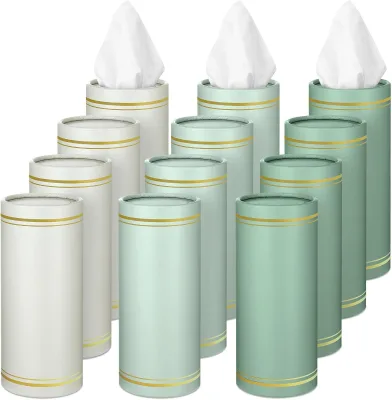
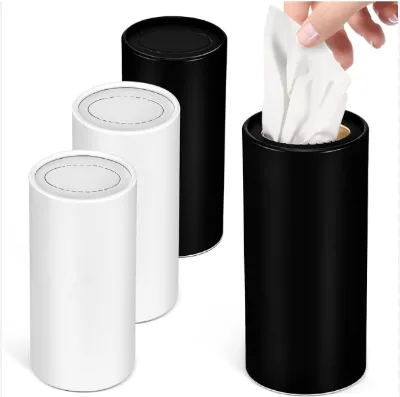
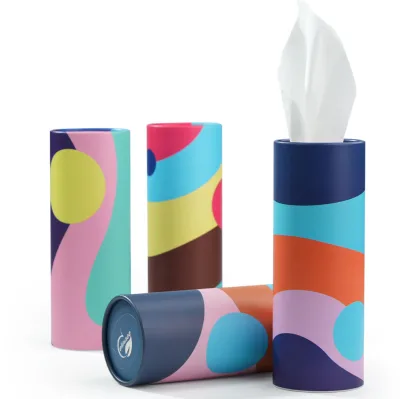
Compare 30 White Cylinder Tissue Box options from verified suppliers. Explore customizable designs, eco-friendly materials, and various packaging styles suitable for household, office, and travel applications. These products feature modern styles, multicolor options, and certifications like CE, RoHS, and SGS. Buyers can select from silk print or thermal transfer logo making methods with flexible MOQs starting at 100 pieces.
Updated
Key considerations
Products List

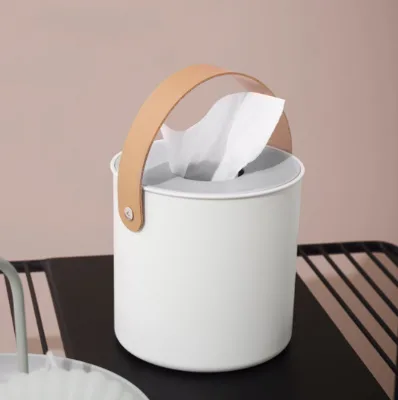

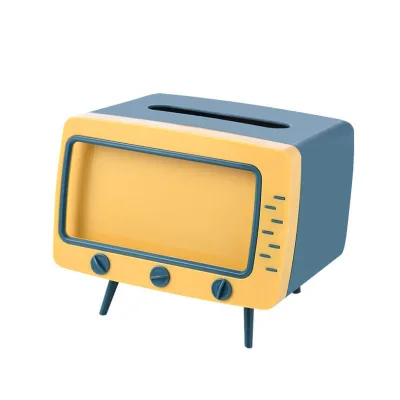

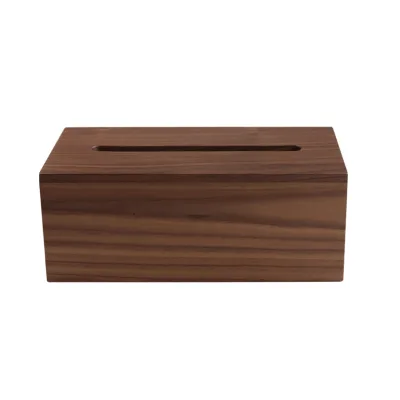
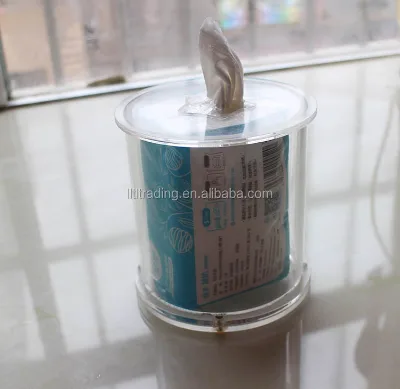

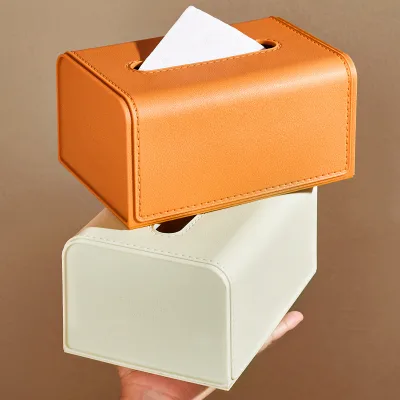
Toilet Living Room Storage Paper Box Tissue Box Desktop Tissue Storage Box
$0.90 - $1.00
MOQ: 200 Pieces




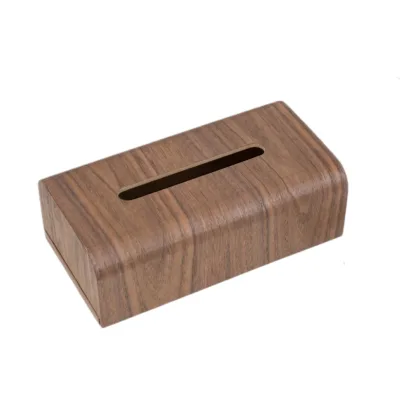
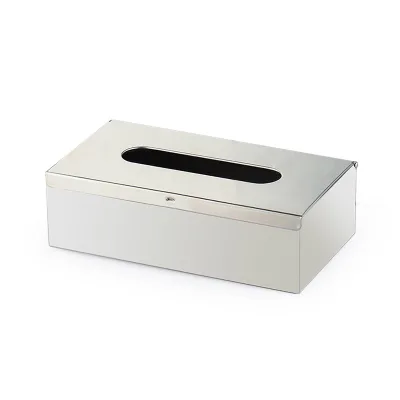
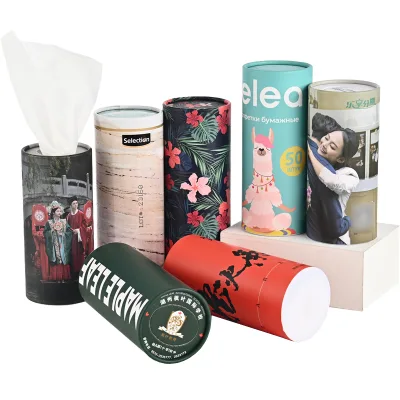


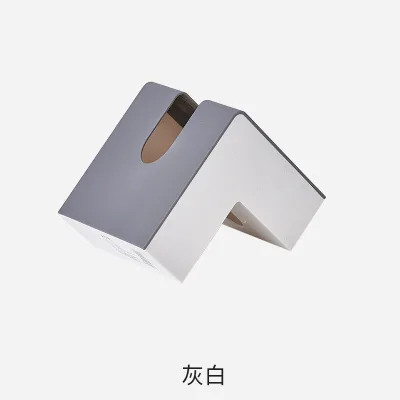


Comprehensive Sourcing Guide
White Cylinder Tissue Box Sourcing Guide
Sourcing white cylinder tissue boxes requires careful attention to material composition and aesthetic customization options. Buyers often seek these items for household or daily use, where the visual appeal of a modern, creative design plays a significant role in brand perception. The market offers products with varying features, including eco-friendly claims and logo integration through methods like silk printing or thermal transfer. Understanding the specific customization capabilities of suppliers is essential, as many manufacturers allow for tailored packaging solutions such as OPP bags, bubble bags, or tin boxes to meet distinct retail requirements.
The procurement process also involves evaluating the physical dimensions and structural integrity of the tissue box. While some listings describe the product as a cylinder, others may specify rectangular or other shapes, indicating a need for precise specification verification. Buyers must confirm whether the material is plastic or another substance, as this impacts durability and environmental compliance. Additionally, the origin of the product, often from regions like Guangdong or Hebei in China, influences logistics and lead times. Establishing clear communication regarding these physical attributes ensures that the final product aligns with the buyer’s functional and aesthetic expectations.
Product Scope and Observed Listing Signals
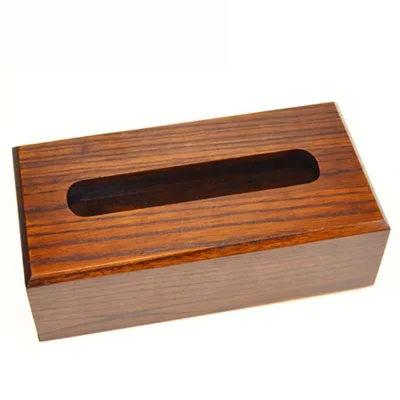
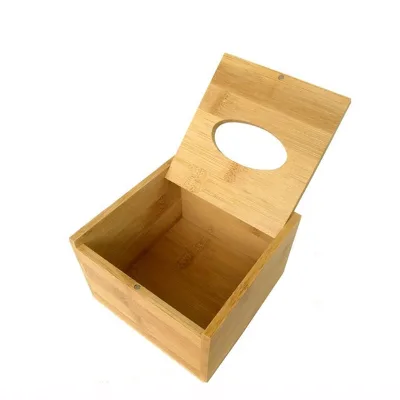
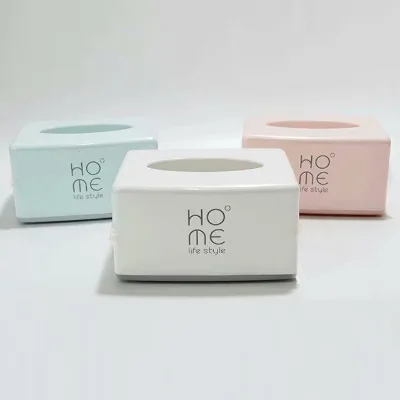
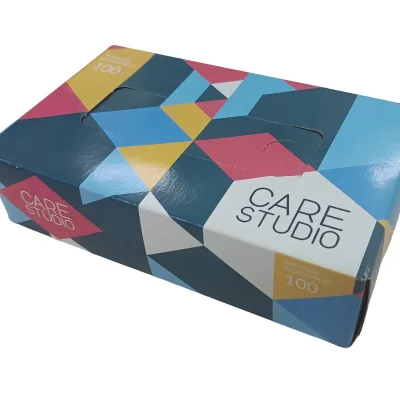
The observed market signals indicate a diverse range of product attributes available for white cylinder tissue boxes. Listings frequently highlight customization options, allowing buyers to specify colors, logos, and packaging styles. For instance, some products are described as multicolor or white, with features such as eco-friendly materials and logo printing. The usage is typically categorized for daily or household purposes, suggesting a focus on consumer-facing applications. Buyers should note that while the core keyword specifies a cylinder shape, some listings may describe rectangular or other forms, necessitating a thorough review of product images and detailed specifications to avoid mismatches.
Price and minimum order quantity (MOQ) ranges vary significantly across suppliers, reflecting differences in material quality and customization complexity. Observed prices range from low-cost options to higher-end customized pieces, with MOQs starting as low as fifty units and extending to tens of thousands. This variability allows buyers to scale their orders based on demand forecasts and budget constraints. It is crucial to verify the specific MOQ and pricing structure for each supplier, as these terms can impact the overall cost-effectiveness of the procurement. Additionally, payment terms such as T/T or PayPal are common, providing flexibility in financial transactions.
Technical Specifications to Verify
Verifying technical specifications is critical to ensuring the tissue box meets functional and aesthetic requirements. Buyers should confirm the exact dimensions, as listed sizes can vary, with some products measuring around 16.5x16.5x15.5 cm or other standard sizes. The material composition, whether plastic or other substances, must be clearly defined to assess durability and suitability for the intended use. Additionally, the number of layers and ply count of the tissue paper, if included, should be specified to ensure quality. These details directly impact the user experience and the perceived value of the product, making them essential points of verification during the sourcing process.
Packaging and branding specifications also require close attention. Buyers should determine the preferred packaging method, such as OPP bags, bubble bags, or custom gift boxes, to protect the product during transit and enhance retail presentation. Logo application methods, including silk printing, thermal transfer, or hot stamping, should be agreed upon to ensure brand consistency. Furthermore, the model number and product standard should be confirmed to facilitate accurate ordering and inventory management. Clear documentation of these technical details helps prevent misunderstandings and ensures that the delivered product aligns with the buyer’s specifications.
Compliance and Safety Documentation
Compliance with safety and environmental standards is a key consideration for tissue box procurement. Buyers should request documentation for certifications such as CE, RoHS, and SGS, which indicate adherence to specific regulatory requirements. These certifications are particularly important for products destined for markets like Europe and America, where strict regulations govern material safety and environmental impact. Verifying these certifications ensures that the product meets legal requirements and reduces the risk of compliance-related issues during import or sale. Additionally, buyers should inquire about any additional certifications, such as FSC, if sustainable sourcing is a priority.
Beyond certifications, buyers should assess the supplier’s commitment to quality control and safety protocols. This includes understanding the testing procedures used to validate product safety and durability. Suppliers should provide clear information on the materials used, ensuring they are free from harmful substances and suitable for household use. Transparency in sourcing and manufacturing processes also contributes to overall product safety. By prioritizing compliance and safety documentation, buyers can mitigate risks and ensure that the tissue boxes meet the highest standards of quality and regulatory adherence.
Cost Drivers and Commercial Terms
Several factors influence the cost of white cylinder tissue boxes, including material quality, customization complexity, and order volume. Higher-quality materials and intricate logo applications typically increase production costs, while larger order volumes may offer economies of scale. Buyers should analyze these cost drivers to determine the most cost-effective sourcing strategy. Additionally, lead times and delivery terms play a significant role in overall procurement costs. Suppliers with shorter lead times, such as seven days, may offer faster turnaround but could come at a premium. Understanding these commercial terms helps buyers balance cost and speed to meet their operational needs.
Payment terms and currency considerations also impact the financial aspects of procurement. Common payment methods include T/T and PayPal, offering varying levels of security and convenience. Buyers should negotiate favorable payment terms to manage cash flow effectively. Additionally, currency exchange rates can affect the final cost, particularly for international transactions. It is advisable to lock in prices and terms early in the procurement process to mitigate currency fluctuations. By carefully evaluating these commercial terms, buyers can optimize their spending and ensure a smooth transaction process.
Supplier Qualification and Quality Control
Evaluating supplier qualification is essential for ensuring consistent product quality and reliable service. Buyers should assess the supplier’s production capabilities, including their ability to handle customization requests and maintain quality standards. This involves reviewing their manufacturing processes, quality control measures, and past performance records. Suppliers with a strong track record in producing tissue boxes for various markets, such as Europe, America, and Southeast Asia, are likely to offer higher reliability. Additionally, buyers should verify the supplier’s responsiveness and communication skills, as these factors contribute to a successful partnership.
Quality control procedures should be clearly defined and agreed upon before production begins. Buyers should request samples to evaluate product quality and ensure it meets their specifications. Implementing pre-shipment inspections can help identify and address any defects before the products are dispatched. Additionally, establishing clear criteria for acceptable quality levels (AQL) ensures that the supplier maintains consistent standards. By prioritizing supplier qualification and robust quality control measures, buyers can minimize the risk of receiving substandard products and ensure customer satisfaction.
Long-Term Procurement Checks
Long-term procurement success depends on continuous monitoring and evaluation of supplier performance. Buyers should establish key performance indicators (KPIs) to track metrics such as delivery times, product quality, and responsiveness. Regular audits and feedback sessions can help identify areas for improvement and strengthen the supplier relationship. Additionally, staying informed about market trends and regulatory changes ensures that the procurement strategy remains relevant and compliant. By proactively managing these long-term checks, buyers can maintain a reliable supply chain and adapt to evolving market conditions.
Sustainability and ethical sourcing practices are increasingly important in long-term procurement strategies. Buyers should assess the supplier’s commitment to environmental responsibility and ethical labor practices. This includes verifying the use of sustainable materials and ensuring fair working conditions throughout the supply chain. Incorporating these considerations into the procurement process not only aligns with global sustainability goals but also enhances brand reputation. By focusing on long-term checks and sustainable practices, buyers can build a resilient and responsible supply chain that supports their business objectives.
FAQs
Can white cylinder tissue boxes be customized with a logo?
Yes, customization with a logo is available for these products. Buyers can choose from silk print, thermal transfer, or gold and silver hot stamping methods. The brand name META SAN offers these options to help businesses enhance their brand visibility. This feature supports creative and modern styles suitable for daily use in various settings.
What certifications do the plastic tissue boxes have?
The plastic tissue boxes hold Ce, RoHS, and SGS certifications. These credentials ensure that the products meet specific safety and quality standards for international markets. This makes them suitable for export to regions like Europe, America, Southeast Asia, and Africa. Buyers can rely on these documented standards when sourcing for regulated environments.
What is the minimum order quantity for these tissue boxes?
The minimum order quantity is typically 100 pieces for standard orders. However, observed ranges indicate that MOQs can vary between 50 and 90,000 pieces depending on the supplier and specific product model. Buyers should confirm the exact MOQ with the manufacturer, as it may depend on customization requirements and packaging choices.
How long is the delivery time for these products?
The standard delivery time is approximately 7 days after order confirmation. This lead time applies to many of the listed models, such as the TXZ-010 and MS-571. Buyers should verify this timeline with their specific supplier, as production schedules and customization needs can occasionally affect the final shipping date.
What packaging options are available for the tissue boxes?
Packaging options include OPP bags, bubble bags, tin boxes, and watch boxes. Some models also offer gift boxes or customized packaging solutions. The single package size is often around 16.5x16.5x15.5 cm or 10x20x20 cm. These flexible packaging choices help protect the product during transit and suit various retail or promotional needs.
Where are these tissue boxes manufactured?
These tissue boxes are manufactured in China, specifically in regions like Guangdong and Hebei. The place of origin is clearly stated as China for most models. Buyers sourcing from these locations can benefit from established manufacturing infrastructure. The products are designed for global markets, including Europe, America, and Southeast Asia.