Source Wind and Gravity Separation Seed Sorting Machine for Wheat, Beans, and Rice
Compare 29 Wind and Gravity Separation Seed Sorting Machine options from verified Chinese manufacturers. These units support wheat, beans, and rice processing with capacities ranging from 3 to 100 tons per day and feature customizable configurations for diverse grain cleaning needs.
Key considerations
Products List

Seed Sorting Machine Seed Grading and Cleaning Gravity Separator Machine
$115000.00 - $118000.00
MOQ: 1 Sets


Seed Gravity Separator Machine for Grain Seed Cleaning and Seed Grading Machine
$8000.00 - $8500.00
MOQ: 1 set




Comprehensive Sourcing Guide
Wind and Gravity Separation Seed Sorting Machine Sourcing Guide
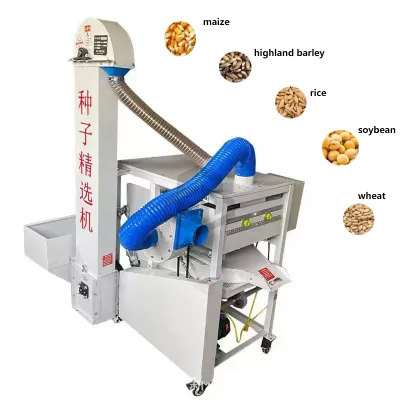
Procuring a Wind and Gravity Separation Seed Sorting Machine requires a clear understanding of the distinct mechanical principles that drive seed cleaning efficiency. These systems typically combine air aspiration to remove lightweight impurities with gravity tables that separate seeds based on density differences. Buyers must recognize that while the core function remains consistent, the specific configuration of air screens, bucket elevators, and gravity decks varies significantly across suppliers. This variation directly impacts the machine’s ability to handle different crop types, from wheat and barley to beans and maize. Understanding these mechanical distinctions is the first step in defining accurate technical requirements and avoiding mismatches between equipment capabilities and actual processing needs.
The sourcing landscape for these machines is characterized by a wide range of capacities and customization options, reflecting the diverse needs of global seed producers. Listings often indicate capacities ranging from small-scale operations handling a few tons per hour to larger lines processing up to one hundred tons per day. Buyers should note that many suppliers offer horizontal or vertical structural designs, each with distinct footprint and workflow implications. Additionally, the availability of customization services allows for tailored solutions, such as specific color schemes or modified conveyor systems. However, this flexibility requires careful specification to ensure that the final product aligns with the buyer’s facility layout and throughput targets, preventing costly retrofits or operational bottlenecks during installation.
Product Scope and Observed Listing Signals
The observed market signals indicate a broad spectrum of product models, with specific identifiers such as 5XZ-8.5AM and 5XFZ-15BXCM appearing in listings. These model numbers often correlate with specific capacity ratings, such as 8 tons per hour for wheat seed or 3 tons per hour for other grains. Buyers should interpret these signals as baseline indicators rather than fixed specifications, as actual performance can vary based on the raw material being processed. The presence of multiple model types suggests that suppliers offer modular solutions, allowing for the integration of air grading machines, double air screen systems, and inclined or vertical hoists. This modularity is crucial for buyers who need to scale their operations or adapt to different seed varieties without replacing the entire cleaning line.
Further analysis of listing attributes reveals a strong emphasis on customization and after-sales support, which are critical for long-term operational success. Many suppliers highlight field installation services and OEM capabilities, indicating a willingness to adapt the machine to specific client requirements. The observed price range, spanning from approximately $475 to $118,000, reflects the disparity between basic components and complete, automated production lines. Buyers must be cautious when interpreting these prices, as they may represent different tiers of equipment or incomplete packages. It is essential to verify what is included in the quoted price, such as the inclusion of cyclone collectors, specific voltage configurations, or standard packing materials, to ensure accurate cost comparisons across different suppliers.
Technical Specifications to Verify
When evaluating technical specifications, buyers must prioritize the verification of capacity metrics and separation efficiency rates. The observed data suggests cleaning clarity rates around 99% and broken rates as low as 0.2%, which are critical benchmarks for maintaining seed viability and market value. However, these figures are often based on specific test conditions, such as using wheat seed as a baseline. Buyers should request detailed performance data for their specific crop type, as efficiency can vary significantly between grains, beans, and oilseeds. Additionally, the verification of voltage requirements, such as 380V, is essential to ensure compatibility with local power infrastructure, preventing potential operational disruptions or equipment damage during commissioning.
The structural design and component configuration also require rigorous verification to ensure alignment with facility constraints. Buyers should confirm the dimensions of the equipment, such as the 680250318cm standard for certain models, to ensure proper fit within the processing area. The type of bucket elevator, whether inclined or vertical, and the diameter of the collector cyclone, such as 800mm, are critical factors that influence material flow and dust control. Furthermore, the number of layers in the air screen system, whether double or single, affects the precision of size-based separation. Buyers should request detailed engineering drawings and component lists to verify that the proposed machine meets all technical requirements for throughput, separation accuracy, and spatial integration.
Compliance and Safety Documentation
Compliance with international safety and quality standards is a non-negotiable aspect of sourcing seed cleaning machinery. Buyers should verify that suppliers hold relevant certifications, such as TUV Co or ISO standards, which indicate adherence to rigorous manufacturing and safety protocols. These certifications provide assurance that the equipment has been tested for electrical safety, mechanical integrity, and operational reliability. However, buyers must confirm the specific scope of these certifications, as they may not cover all components or modifications made during customization. Requesting copies of these certificates and verifying their validity with the issuing body is a critical step in mitigating risk and ensuring that the equipment meets local regulatory requirements in the buyer’s country.
In addition to product certifications, buyers must ensure that the supplier provides comprehensive documentation for installation, operation, and maintenance. This includes detailed user manuals, electrical schematics, and safety guidelines that comply with local occupational health and safety regulations. The presence of field installation services, as noted in some listings, can facilitate the initial setup and commissioning process, but buyers should clarify the extent of this support. It is essential to verify that the supplier offers adequate training for local operators and maintenance staff, ensuring that they understand how to operate the machine safely and efficiently. Proper documentation and training are vital for minimizing downtime and extending the lifespan of the equipment.
Cost Drivers and Commercial Terms
The cost of a Wind and Gravity Separation Seed Sorting Machine is influenced by several key factors, including capacity, customization level, and component quality. Higher capacity models, such as those processing up to 100 tons per day, naturally command higher prices due to the increased complexity and material requirements. Customization options, such as specific color schemes, modified conveyor systems, or tailored air screen configurations, also add to the overall cost. Buyers should request detailed breakdowns of the pricing structure to understand how these factors contribute to the final quote. This transparency allows for more accurate budgeting and facilitates comparisons between different suppliers, ensuring that buyers receive fair value for their investment.
Commercial terms, including payment conditions, shipping arrangements, and warranty coverage, are equally important in the procurement process. Buyers should negotiate clear terms regarding the delivery timeline, especially for customized equipment, which may have longer lead times. The observed MOQ of 1 suggests that suppliers are flexible in terms of order quantity, but buyers should confirm any additional costs associated with smaller orders. Shipping and packing details, such as container loading or standard packing methods, should be clearly defined to avoid unexpected logistics expenses. Additionally, buyers should inquire about warranty periods and after-sales service agreements, ensuring that they have access to technical support and spare parts in the event of equipment failure or performance issues.
Supplier Qualification and Quality Control
Supplier qualification is a critical step in ensuring the reliability and quality of the seed cleaning machine. Buyers should conduct thorough due diligence on potential suppliers, verifying their manufacturing capabilities, quality control processes, and track record in the industry. Suppliers based in regions like Shijiazhuang City, China, often have established expertise in grain processing equipment, but buyers should still verify their specific experience with wind and gravity separation technologies. Requesting references from previous clients and visiting the manufacturing facility, if possible, can provide valuable insights into the supplier’s production standards and quality assurance practices. This proactive approach helps mitigate the risk of receiving substandard equipment or encountering delays in delivery.
Quality control measures should be integrated into the procurement process to ensure that the delivered machine meets all specified requirements. Buyers should establish clear acceptance criteria, including performance tests for cleaning clarity, broken rate, and throughput capacity. It is advisable to include a factory acceptance test (FAT) clause in the contract, allowing buyers or their representatives to inspect and test the machine before shipment. This step ensures that any defects or deviations from specifications are identified and rectified before the equipment leaves the supplier’s facility. Additionally, buyers should verify that the supplier provides a comprehensive quality inspection report, detailing the results of all tests and checks performed during the manufacturing process.
Long-Term Procurement Checks
Long-term procurement success depends on establishing a strong relationship with the supplier and ensuring ongoing support for the equipment. Buyers should prioritize suppliers who offer robust after-sales service, including field installation, operator training, and readily available spare parts. The observed emphasis on field installation services suggests that some suppliers provide hands-on support during the commissioning phase, which can be invaluable for ensuring smooth operation. Buyers should clarify the scope of this support and any associated costs, ensuring that they have a clear understanding of the post-purchase service landscape. A reliable after-sales partner can significantly reduce downtime and maintenance costs, enhancing the overall return on investment.
Regular maintenance and performance monitoring are essential for maximizing the lifespan and efficiency of the seed cleaning machine. Buyers should develop a preventive maintenance schedule based on the supplier’s recommendations, including regular inspections of key components such as the gravity table, air screen, and bucket elevator. Monitoring performance metrics, such as cleaning clarity and broken rate, can help identify potential issues early, allowing for timely interventions. Buyers should also stay informed about technological advancements in seed cleaning equipment, as upgrades or modifications may be available to improve efficiency or adapt to new crop varieties. By maintaining a proactive approach to equipment management, buyers can ensure that their seed cleaning operations remain competitive and productive in the long term.
FAQs
What is the cleaning clarity of this seed sorting machine?
The machine achieves a cleaning clarity of 99% for seeds. This high efficiency ensures that impurities are effectively removed from the grain stream. The design supports applications in seed cleaning lines for various crops. It helps maintain high-quality output standards for agricultural processing operations.
Can the machine be customized for specific seed types?
Yes, customization is available for this seed cleaning equipment. The system supports various raw materials including beans, wheat, maize, and rice. Buyers can request specific configurations to match their processing needs. This flexibility allows for tailored solutions in different agricultural production environments.
What is the typical capacity range for these units?
The capacity ranges from 10 to 100 tons per day. Specific models may offer capacities like 3 T/H or 8 T/H based on wheat seed. This range accommodates small to medium-scale processing requirements. The equipment is designed to handle varying throughput demands efficiently.
Which certifications are provided for the seed cleaning machine?
The machine comes with TUV Co certification for quality assurance. Some models also feature ISO certification for manufacturing standards. These certifications verify the equipment meets international safety and performance requirements. Buyers can rely on these documented standards for compliance and quality.
What after-sales service is included with the purchase?
Field installation service is provided as part of the after-sales support. This ensures proper setup and operation at the buyer's location. The service helps integrate the machine into existing production lines. Buyers receive direct assistance for initial deployment and operational guidance.
How is the machine packed for international shipping?
The machine is packed in standard containers for safe transport. Some models use standard packing methods to protect components. This packaging ensures the equipment arrives securely at the destination. The method supports efficient logistics for global shipments to various markets.