Source Wild Whole Dried Pteris Semipinnata for tea, food, and research
Find 30 listings for Wild Whole Dried Pteris Semipinnata from Chinese suppliers. Buyers can compare specifications, prices, and packaging options for use in tea, food, and research applications.
Key considerations
Products List
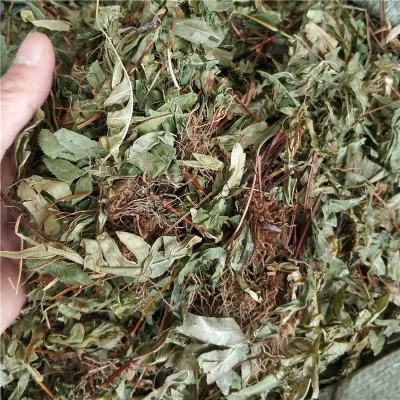
Wholesale Natural Whole Dried Pteris Semipinnata Slices Herb Plants for Sale
$26.00 - $45.00
MOQ: 1 kilograms
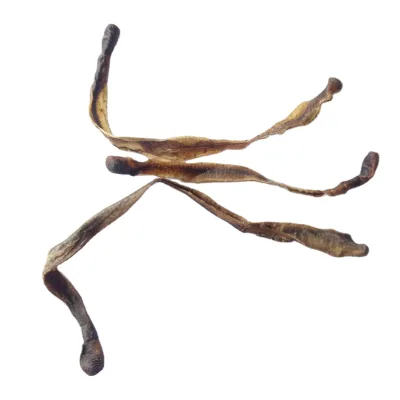
Wholesale Dried PHERETIMA Body Natural Dry Pheretima Aspergillum for Herb
$54.24 - $77.78
MOQ: 1 kilograms
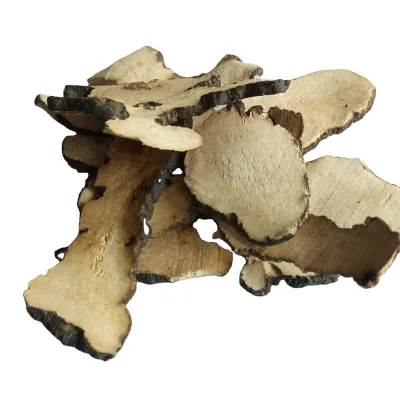
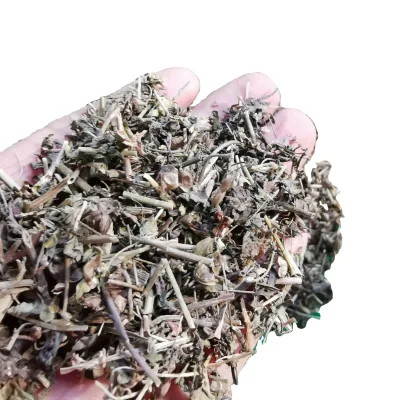
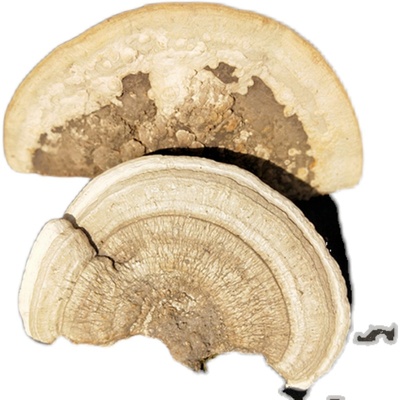
Great Quality Whole Bulk Polystictus Trametes Orientalis Mushroom for Sale
$38.00 - $55.00
MOQ: 1 kilograms


Scindapsus Pictus 'exotica' Varigata Natural Live Indoor Plant Tissue Culture
$0.21 - $0.30
MOQ: 1000 Pieces


$2000.00 - $6999.00
MOQ: 1 Tons


Comprehensive Sourcing Guide
Wild Whole Dried Pteris Semipinnata Sourcing Guide
Procuring wild-harvested botanical materials requires a rigorous approach to verification, particularly when dealing with species like Pteris semipinnata, commonly known in Chinese herbal contexts as "ban bian qi." Buyers must recognize that the term "wild" implies a specific harvesting methodology that differs significantly from cultivated agriculture, introducing variables related to environmental exposure, seasonal consistency, and biological purity. The core keyword for this guide focuses on the wild, whole, and dried state of this fern, which dictates the physical form, storage requirements, and potential applications in health tea, organic tea, and slimming tea formulations. Understanding these distinctions is critical for establishing accurate quality benchmarks and avoiding misclassification during the sourcing process.
The observed market signals indicate a diverse range of listings, with prices varying widely from $0.21 to $6,999 and minimum order quantities (MOQs) ranging from 1 to 2,000 units. This variance suggests that the market includes both small-scale artisanal suppliers and larger industrial processors, each offering different levels of service and product consistency. Buyers should interpret these figures as indicative of the broader market landscape rather than fixed benchmarks for every transaction. The presence of multiple product types, including flavored teas and single herbs, alongside specific model numbers like "Dried Pteris semipinnata," highlights the need for precise specification alignment to ensure the purchased material matches the intended end-use, whether for food, research, or herbal preparation.
Product Scope and Observed Listing Signals
The product scope for Pteris semipinnata encompasses a variety of forms, primarily observed as whole parts or cut/whole dried plants. Listings frequently describe the material as having a green color and being sourced from regions such as Gansu and Fujian in China, with some suppliers noting collection from Yunnan. The "whole plants" attribute suggests that the entire fern structure is preserved, which is essential for applications requiring full botanical integrity. Buyers must verify whether the "whole" designation refers to the intact frond structure or merely large fragments, as this impacts the extraction efficiency and visual quality of the final product. The distinction between "wild" and "cultivation" is a key differentiator, with wild-sourced materials often commanding different value propositions due to perceived potency and natural origin.
Observed listing signals also reveal a mix of branding and manufacturing details, with names like "chengyitang" and "Bozhou swanf" appearing alongside generic descriptors. The "high" grade designation and "non-organic" status provide initial clues about the processing standards, though these terms require further validation through supplier documentation. The inclusion of other names such as "Geranium" in some listings introduces potential confusion, as Pteris semipinnata is a fern and not a geranium; this discrepancy necessitates careful botanical verification to prevent sourcing errors. The "dried" state is consistent across most listings, with storage instructions emphasizing cool, dry conditions to maintain shelf life, which is typically cited as one year.
Technical Specifications to Verify
Technical verification begins with confirming the botanical identity and physical state of the material. Buyers should request detailed specifications that confirm the species as Pteris semipinnata and verify that the product is indeed wild-harvested, as opposed to cultivated. The "whole parts" and "whole plants" attributes should be cross-referenced with visual samples or high-resolution images to ensure that the material meets the required structural integrity. Additionally, the "cut/whole" and "sliced" options observed in some listings indicate variability in preparation; buyers must specify their preferred form to avoid receiving processed material that does not align with their manufacturing needs. The "green" color observation should be validated against the expected hue of properly dried Pteris semipinnata, as discoloration may indicate improper drying or storage conditions.
Packaging and weight specifications are critical for logistics and cost calculation. The observed single package sizes, such as 35x35x40 cm and 22x33x22 cm, along with single gross weights of 1.000 kg, provide a baseline for estimating shipping volumes and costs. However, buyers should confirm whether these dimensions apply to bulk packaging or individual retail units, as this affects handling and storage requirements. The "bag, bottle, box, bulk" packaging options suggest flexibility, but the choice of packaging must protect the material from moisture and contamination, especially given the "cool dry" storage requirement. Verifying the exact weight per unit and the total net weight per shipment is essential for accurate inventory management and cost accounting.
Compliance and Safety Documentation
Compliance and safety are paramount when sourcing wild-harvested botanicals, particularly for use in food, research, or herbal applications. Buyers must ensure that suppliers provide documentation verifying the absence of contaminants such as heavy metals, pesticides, and microbial pathogens. Since the material is wild-harvested, there is an increased risk of environmental contamination, making third-party testing reports essential. The "non-organic" status observed in some listings implies that the material may not meet organic certification standards, so buyers should clarify whether their end-market requires organic compliance or if conventional standards are acceptable. Understanding the regulatory landscape of the destination country is crucial, as import requirements for botanical materials vary significantly.
Documentation should also include certificates of analysis (COAs) that detail the specific chemical and physical properties of the batch. Buyers should verify that the COA includes tests for moisture content, ash content, and active ingredient levels, if applicable. The "high" grade designation should be supported by objective quality metrics rather than subjective claims. Additionally, suppliers should provide proof of legal harvesting rights and sustainability practices, as wild-harvested species are often subject to regulatory scrutiny to prevent over-exploitation. Ensuring that the supplier adheres to Good Agricultural and Collection Practices (GACP) is a best practice for minimizing risks associated with wild-harvested botanicals.
Cost Drivers and Commercial Terms
Cost drivers for Pteris semipinnata include the wild-harvesting labor, seasonal availability, and processing complexity. Wild-harvested materials often have higher labor costs due to the manual nature of collection and the variability in yield. Seasonal fluctuations can also impact price, with peak harvest periods potentially offering better rates. The "high" grade and "whole parts" specifications may command a premium compared to lower-grade or sliced alternatives. Buyers should consider the total landed cost, including shipping, insurance, and tariffs, rather than focusing solely on the unit price. The wide price range observed in the market reflects these variables, and buyers should seek detailed quotations that break down these components.
Commercial terms such as MOQ, lead time, and payment terms are critical for planning and cash flow management. The observed MOQ range of 1 to 2,000 units suggests flexibility, but buyers should negotiate terms that align with their inventory needs and storage capacity. Lead times can vary based on the supplier's stock levels and the harvesting season, so it is important to establish clear timelines for order fulfillment. Payment terms should be structured to mitigate risk, with options such as letters of credit or escrow services providing security for both parties. Buyers should also clarify responsibilities for shipping and insurance, as these can significantly impact the overall cost and risk profile of the procurement.
Supplier Qualification and Quality Control
Supplier qualification involves a thorough assessment of the supplier's capabilities, reputation, and quality management systems. Buyers should verify the supplier's business license, manufacturing facilities, and history of exporting botanical materials. The observed manufacturer names, such as "Bozhou swanf" and "Swanf," should be cross-referenced with industry databases to confirm their legitimacy and track record. Quality control processes should be clearly defined, with regular inspections and testing protocols in place. Buyers should request information on the supplier's quality control team and their procedures for handling complaints and non-conforming products.
On-site audits or third-party inspections are recommended for high-value or high-risk procurements. These audits can verify the supplier's claims regarding wild-harvesting practices, storage conditions, and processing methods. Buyers should also assess the supplier's ability to provide traceability, from the point of harvest to the final product. This includes maintaining records of harvest locations, dates, and batch numbers. Establishing a strong relationship with a qualified supplier is essential for ensuring consistent quality and reliable supply, particularly for wild-harvested materials that are subject to natural variability.
Long-Term Procurement Checks
Long-term procurement success depends on continuous monitoring and relationship management. Buyers should establish regular review cycles to assess supplier performance, including quality consistency, delivery reliability, and responsiveness to issues. Market trends and regulatory changes should be monitored to anticipate potential impacts on supply and compliance. Building a diversified supplier base can mitigate risks associated with single-source dependencies, particularly for wild-harvested materials that are subject to environmental and seasonal variations. Buyers should also invest in building strong communication channels with suppliers to facilitate collaboration and problem-solving.
Continuous improvement initiatives should be encouraged, with feedback loops established to drive quality enhancements and process efficiencies. Buyers should stay informed about advancements in botanical sourcing and processing technologies that may offer opportunities for cost reduction or quality improvement. Engaging with industry associations and participating in trade events can provide valuable insights and networking opportunities. By maintaining a proactive and strategic approach to procurement, buyers can secure a reliable supply of high-quality Pteris semipinnata while managing risks and optimizing costs over the long term.
FAQs
What is the origin of Wild Whole Dried Pteris Semipinnata?
The product originates from Gansu and Fujian in China. It is collected as a wild herb and processed in a raw state before being dried for use in tea or research applications.
How is the Wild Whole Dried Pteris Semipinnata packaged?
Packaging options include bags, bottles, boxes, or bulk shipments. The single package size varies, with observed dimensions around 35x35x40 cm or 22x33x22 cm depending on the specific listing.
Can I find Wild Whole Dried Pteris Semipinnata in bulk?
Yes, bulk packaging is available for this product. The minimum order quantity ranges from 1 to 2000 units, allowing flexibility for different buyer needs and storage capacities.
What is the shelf life of Wild Whole Dried Pteris Semipinnata?
The shelf life is typically one year when stored correctly. Buyers should keep the product in a cool and dry place to maintain its quality and prevent degradation over time.
Which part of the plant is used for Wild Whole Dried Pteris Semipinnata?
The whole plant is utilized for this product. It is sold as a dried herb, often in a loose tea style or cut form, suitable for various food and research purposes.
What is the weight of a single package of Wild Whole Dried Pteris Semipinnata?
A single package typically weighs 1 kilogram. This gross weight ensures consistent shipping calculations and helps buyers estimate the total volume required for their specific orders.