Source Wild Urolithin A Powder for Cosmetics, Food, and Medicine
Explore 30 listings for Wild Urolithin A Powder suitable for cosmetic, food, and health care applications. Buyers can compare purity levels, certifications, and packaging options to find the right supplier for their needs.
Key considerations
Products List
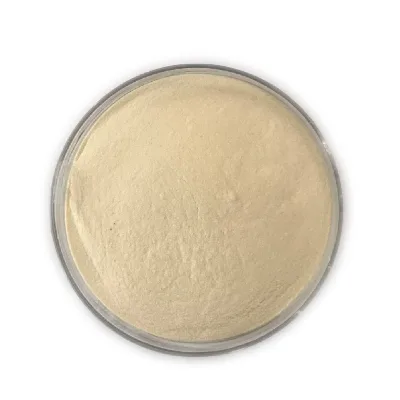


Slow Aging Healthcare 99% Pure Urolithin a Powder Urolithin a Powder Manufacturer
$1100.00 - $1150.00
MOQ: 5 kg






Comprehensive Sourcing Guide
Strategic Sourcing Guide for Wild Urolithin A Powder Procurement
Procuring high-purity botanical extracts requires a rigorous approach that balances technical specifications with supply chain reliability. When sourcing Urolithin A powder, buyers must navigate a complex landscape of chemical definitions, manufacturing methods, and regulatory requirements. The term "wild" in the context of Urolithin A often presents a specific technical challenge, as the compound is typically derived from the metabolism of ellagitannins found in pomegranates and berries, or produced via semi-synthetic routes. The supplied product data indicates that while some listings reference "artificial planting" or "chemosynthesis," the distinction between natural extraction and synthetic production is critical for compliance and application suitability. This guide provides a structured framework for evaluating suppliers, verifying product integrity, and managing procurement risks for Urolithin A in powder form.
Technical Specifications and Chemical Identity
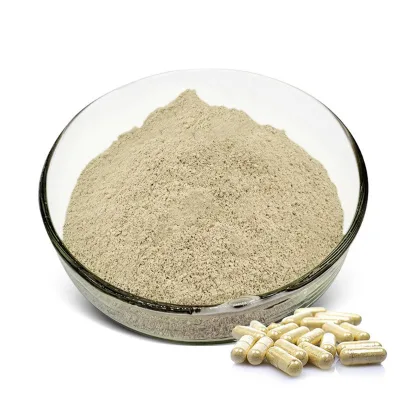
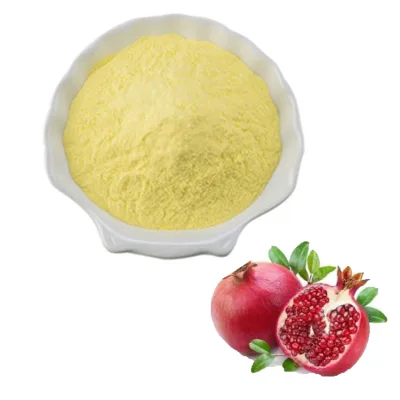
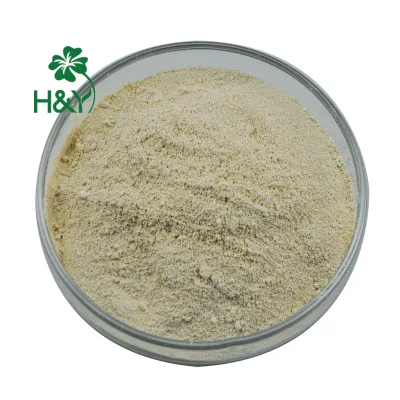
The foundation of any successful procurement begins with a precise understanding of the chemical identity and physical properties of the target material. Urolithin A is a polyphenolic metabolite, and its efficacy is directly tied to its purity and physical form. According to the observed product data, the standard specification for this compound is often listed as 99% purity. Buyers must verify that the "99%" claim refers to the assay value determined by specific analytical methods, rather than a general purity estimate. The physical appearance is a key differentiator; while some product listings describe the powder as "Light Brown," others specify "White Powder." This variance suggests that color can depend on the source material, the extraction solvent, or the degree of purification. Procurement teams should not assume a single color profile applies to all batches.
The molecular weight (MW) is a critical identifier for chemical verification. The supplied data indicates a molecular weight of 212.2, which serves as a baseline for mass spectrometry confirmation. The form of the product is consistently noted as "Powder" or "Solid," with a specific single package size of 35x35x51 cm and a gross weight of 1.500 kg per unit. These packaging metrics are essential for logistics planning and freight cost estimation. Furthermore, the storage requirements are non-negotiable; the product must be kept in a "Cool Dry Place" to maintain stability. The shelf life is consistently reported as 2 years or 24 months, but this duration is contingent upon adherence to the specified storage conditions. Buyers should request a Certificate of Analysis (COA) that explicitly states the assay method used, such as HPLC-UV, HPLC, or HPLC-MS, to ensure the reported 99% purity is accurate and reproducible.
Compliance, Certification, and Regulatory Status
Navigating the regulatory landscape is paramount when sourcing ingredients for cosmetics, food, or pharmaceutical applications. The supplied data reveals a diverse array of certifications claimed by various suppliers, including ISO 9001, ISO 17025, HACCP, FDA, BRC, RoHS, Halal, and Kosher. However, buyers must exercise caution and treat these certifications as observations of specific supplier capabilities rather than universal guarantees for all listed products. For instance, while one listing mentions ISO 9001/Halal/Kosher, another cites ISO 9001/USP, and a third lists HACCP/FDA/BRC. The presence of these certifications indicates that the supplier has undergone third-party audits, but the scope of these audits varies.
The "Resource" attribute in the data points to "Chemosynthesis" for some listings, while others mention "artificial planting." This distinction is vital for regulatory compliance, particularly in markets with strict definitions of "natural" ingredients. If the end product is marketed as a natural supplement, the sourcing of chemically synthesized Urolithin A may not meet labeling requirements in certain jurisdictions. Buyers must verify the origin of the raw materials and the synthesis pathway. The "Place of Origin" is consistently identified as Shaanxi, China, which is a known hub for botanical extraction. However, the specific facility's compliance with local and international standards must be confirmed. Documentation such as COA (Certificate of Analysis) and MSDS (Material Safety Data Sheet) are standard requirements. The absence of these documents should be a red flag, as they provide the necessary data for safety and quality assurance.
Cost Drivers and Pricing Dynamics
The pricing of Urolithin A powder is influenced by several factors, including purity, manufacturing method, and order volume. The observed price range in the market spans from $0.15 to $1450 USD. This wide disparity is not indicative of a single product but rather reflects the difference between bulk raw materials, highly purified pharmaceutical-grade ingredients, and small sample quantities. The Minimum Order Quantity (MOQ) also plays a significant role in unit pricing. The data shows an MOQ range from 1g to 10,000 units, with specific listings citing 1kg or 10g as standard entry points.
Buyers should understand that lower prices often correlate with lower purity or smaller batch sizes, while higher prices may reflect specialized synthesis, rigorous testing, or smaller, premium packaging. The "Selling Units" are listed as "Single item," which suggests that some suppliers offer sample packs or small trial quantities at a premium per-unit cost. For large-scale procurement, the cost per kilogram will likely decrease as the order volume increases, provided the supplier has the capacity to fulfill the order. The "Customization" attribute is available for some suppliers, which can add to the cost but allows for tailored packaging or specific purity requirements. Buyers must request detailed quotes that break down the cost of the material, testing fees, and logistics to avoid hidden expenses.
Typical Applications and Formulation Compatibility
Urolithin A is a versatile ingredient with applications across multiple industries, including cosmetics, medicine, and health care products. The data explicitly lists "Cosmetic," "Medicine," and "Health Care Products" as application areas. The "Effectiveness" is noted as "Antioxidant," and the "Function" is described as "Anti Aging," making it a popular choice for skincare formulations targeting cellular health and longevity. The "Applicable People" are listed as adult men, middle-aged and elderly people, and women, with specific exclusions for pregnant women, children, and newborns. This demographic targeting must be reflected in the product labeling and marketing materials.
The "Application Form" data indicates that Urolithin A can be incorporated into capsules, tablets, pastes, suppositories, lotions, and injections. This versatility allows formulators to integrate the ingredient into various delivery systems. However, the physical form of the powder (Light Brown or White) and its solubility characteristics must be tested to ensure compatibility with the intended vehicle. For cosmetic applications, the stability of the powder in the final formulation is critical. The "Test Method" of HPLC UV is commonly used to verify the content in finished products, ensuring that the active ingredient remains stable throughout the product's shelf life. Buyers should consult with their R&D teams to determine the optimal concentration and formulation strategy before placing a large order.
Supplier Evaluation and Verification Protocols
Evaluating a supplier for Urolithin A requires a multi-faceted approach that goes beyond surface-level marketing claims. The "Customization" and "Non-Customized" attributes highlight that suppliers vary in their flexibility. A robust evaluation process should include a review of the supplier's production capabilities, quality control systems, and track record. The "Stock" status is listed as "in Stock" for some suppliers, which is advantageous for urgent orders, but buyers should verify the turnover rate to ensure the product is not aged stock.
When assessing suppliers, buyers should request a comprehensive dossier that includes the COA, MSDS, and detailed test reports. The "Documents" section in the data lists COA and HPLC, which are essential for verifying the chemical identity and purity. Buyers should also inquire about the "Assay Method" used, as different methods (UV, HPLC, GPC, HPLC-MS) offer varying levels of sensitivity and accuracy. The "Model Number" (e.g., Wg-Ua02 or Urolithin A) can help in tracking specific product batches and ensuring consistency. It is crucial to avoid relying solely on the "Product Name" or "Other Name" (Urolithin) without verifying the CAS number (1143-70-0) to ensure the correct chemical entity is being supplied.
Quality Control and Long-Term Procurement Considerations
Long-term procurement success depends on establishing a consistent quality control framework. The "Shelf Life" of 2 years is a standard benchmark, but buyers must implement a first-in, first-out (FIFO) inventory management system to prevent degradation. The "Storage" requirement of a "Cool Dry Place" must be strictly enforced in the buyer's warehouse to maintain product integrity. Regular quality audits and re-testing of incoming batches are recommended to ensure that the 99% purity specification is maintained over time.
The "Single Gross Weight" of 1.500 kg and the "Single Package Size" of 35x35x51 cm provide specific data for logistics planning. Buyers should consider the environmental impact of packaging and the potential for bulk shipping to reduce costs. The "Type" of the product is listed as "Herbal Extract," but the "Resource" attribute of "Chemosynthesis" suggests a synthetic origin for some batches. This duality requires clear communication between the buyer and supplier to ensure that the product meets the specific requirements of the end market. For long-term contracts, buyers should negotiate terms that include stability testing, batch-to-batch consistency guarantees, and clear protocols for handling non-conforming products.
Summary of Key Product Attributes for Verification
To facilitate quick reference during the sourcing process, the following table summarizes the critical attributes observed in the product data that buyers should verify with their suppliers.
| Attribute Category | Key Observation | Verification Requirement |
|---|---|---|
| Chemical Identity | CAS NO: 1143-70-0 | Confirm CAS number on COA and MSDS. |
| Purity | Specification: 99% | Verify assay method (HPLC, UV) and purity level. |
| Physical Form | Powder (Light Brown or White) | Inspect physical appearance against sample. |
| Origin | Shaanxi, China | Confirm facility location and origin documentation. |
| Certifications | ISO 9001, HACCP, FDA, etc. | Request valid certificates for specific claims. |
| Packaging | 35x35x51 cm, 1.500 kg gross weight | Verify packaging dimensions and weight for shipping. |
| Shelf Life | 2 Years / 24 Months | Check expiration date and storage conditions. |
| Application | Cosmetic, Medicine, Health Care | Ensure compliance with target market regulations. |
| MOQ | 1g to 10,000 units | Confirm minimum order quantity and pricing tiers. |
By adhering to these guidelines and maintaining a disciplined approach to verification, buyers can mitigate risks and secure a reliable supply of high-quality Urolithin A powder. The complexity of the market, with its varying certifications and production methods, necessitates a thorough due diligence process to ensure that the final product meets all technical and regulatory requirements.
FAQs
What is the standard purity specification for Wild Urolithin A Powder?
The standard purity specification is 99% as determined by assay methods like HPLC or UV. Buyers must verify the specific test method on the Certificate of Analysis to ensure the claimed purity is accurate and reproducible for their application.
How should Wild Urolithin A Powder be stored to maintain stability?
This powder must be stored in a cool, dry place to maintain its integrity and prevent degradation. Adhering to these storage conditions is essential to ensure the product remains effective throughout its two-year shelf life.
Which certifications are commonly available for Wild Urolithin A Powder suppliers?
Common certifications include ISO 9001, HACCP, FDA, BRC, RoHS, Halal, and Kosher. Buyers should request valid certificates for specific claims as these vary by supplier and indicate third-party audit compliance for quality and safety.
Can Wild Urolithin A Powder be customized for specific packaging needs?
Customization is available for some suppliers regarding packaging and specific purity requirements. However, other listings indicate non-customized options, so buyers must confirm flexibility and potential cost implications before placing a large order.
What is the typical minimum order quantity for Wild Urolithin A Powder?
Minimum order quantities range from 10 grams to 10,000 units depending on the supplier. Specific listings often cite 1 kilogram or 10 grams as standard entry points, with pricing varying significantly based on these volume thresholds.
Where is Wild Urolithin A Powder typically manufactured and sourced from?
The place of origin is consistently identified as Shaanxi, China, a known hub for botanical extraction. Buyers should confirm the specific facility location and origin documentation to ensure compliance with local and international regulatory standards.
What forms can Wild Urolithin A Powder be applied in for products?
The powder can be incorporated into capsules, tablets, pastes, suppositories, lotions, and injections. Formulators must test the physical form and solubility to ensure compatibility with the intended delivery system and final product stability.