Source Windproof Sun Protection Cycling Cap for Sports, Travel, Daily Use
Explore 30 verified listings for a Windproof Sun Protection Cycling Cap suitable for outdoor sports, travel, and daily wear. Buyers can compare features like material, brim style, and customization options across diverse suppliers to find the right fit for their needs.
Key considerations
Products List

Balaclava Cycling Caps Quick Dry Dustproof Face Cover Sun Protection Hat Windproof
$0.50 - $0.55
MOQ: 100 Pieces

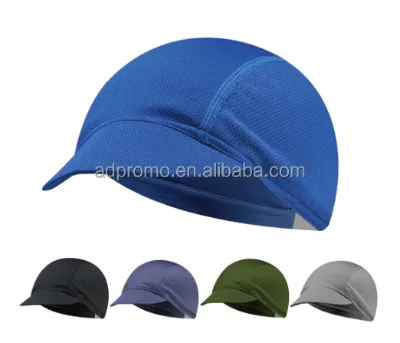
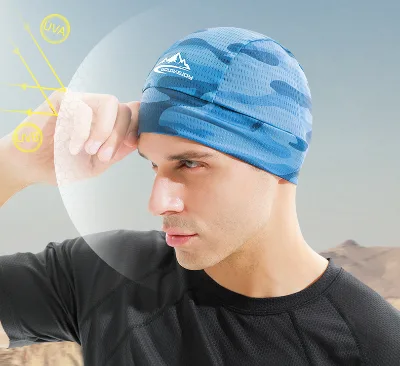


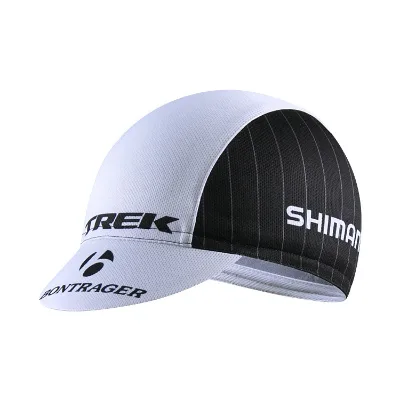
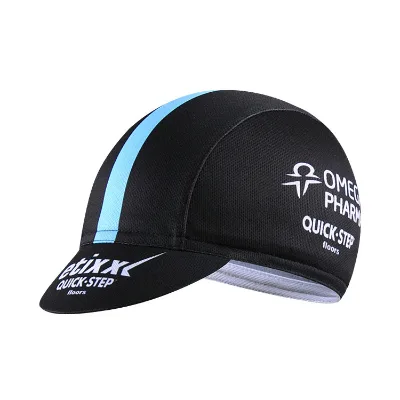
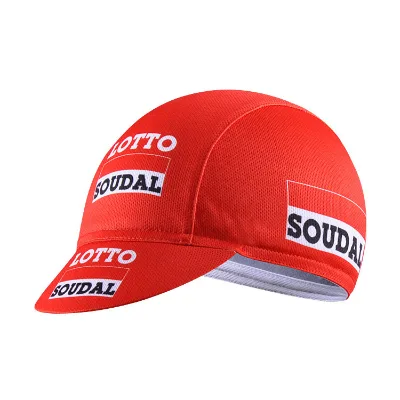

Wholesale Grey Summer Outdoor Running Sun Protection Hat Cycling Sports Baseball Caps
$2.98 - $3.98
MOQ: 100 Pieces

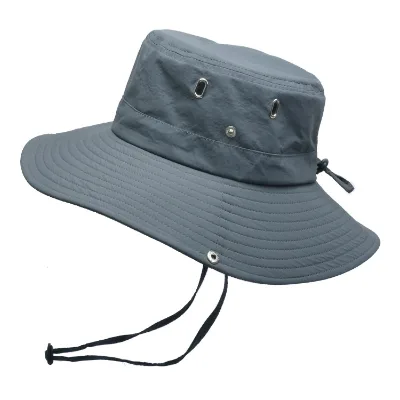


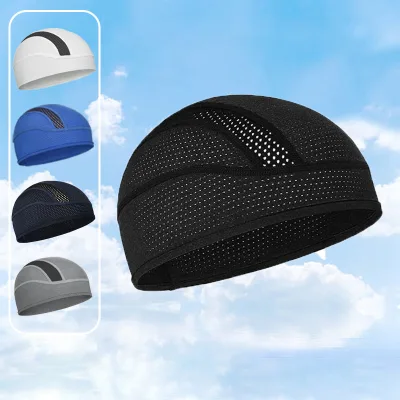

Comprehensive Sourcing Guide
Strategic Sourcing Guide for Windproof Sun Protection Cycling Caps
The global market for specialized headwear has seen a significant surge in demand, driven by the growing popularity of outdoor cycling and the increasing need for protective gear against environmental elements. For procurement professionals seeking windproof sun protection cycling caps, the sourcing landscape requires a nuanced understanding of material science, manufacturing capabilities, and compliance standards. This guide provides a disciplined approach to evaluating suppliers and products, ensuring that the final selection meets rigorous performance criteria while maintaining cost efficiency and supply chain reliability.
Understanding Technical Specifications and Material Composition
The foundation of a high-performance cycling cap lies in its material composition and structural design. When sourcing for windproof and sun protection capabilities, buyers must prioritize fabrics that offer a balance of breathability and density. The supplied product data indicates a prevalence of 100% Polyester and 100% Cotton options, with some suppliers offering a Material Range that includes Canvas and Denim. For cycling applications, 100% Polyester is often preferred due to its moisture-wicking properties and durability in varying weather conditions, whereas cotton may offer superior comfort in dry, mild climates but lacks the same level of water resistance.
Crucially, the "windproof" and "sun protection" attributes are not inherent to the fiber alone but are engineered through specific fabric treatments and construction techniques. Buyers should verify if the fabric features UV Resistant and Sun Protection properties, as these are critical for outdoor activities. The data highlights Special Features such as Quick Dry, Moisture Wicking, and Breathable characteristics, which are essential for maintaining thermal regulation during high-intensity cycling. Furthermore, the presence of a Ponytail Hole and Adjustable mechanisms suggests a design focus on fit and user comfort, which directly impacts the cap's ability to stay secure in windy conditions.
The structural integrity of the cap is defined by its Crown and Brim configuration. While some listings specify a Brim: Without Brim design, typical cycling caps often require a With Brim structure to provide shade and deflect wind from the eyes. The data shows a mix of styles, including Golf Cap and Bike Cap classifications, indicating that the market offers versatile designs. The Head Circumference range of 54-60cm and Metric Size options from 54 to 64 suggest a need for precise sizing to ensure a snug fit that prevents the cap from being dislodged by wind. Buyers must confirm that the selected model accommodates the specific head sizes of their target demographic, as a loose fit compromises the windproof functionality.
Compliance, Certification, and Safety Standards
In the B2B procurement of protective headwear, verifying compliance with safety and quality standards is non-negotiable. While specific certification names are not universally standardized across all regions, buyers must demand evidence of rigorous testing. The supplied data mentions Needle detection: Yes, which is a critical quality control measure ensuring that no metal fragments remain in the finished product, thereby preventing injury to the user. This indicates a commitment to basic safety protocols, but it should be the baseline rather than the sole criterion.
For sun protection claims, buyers should request documentation regarding the Ultraviolet Protection Factor (UPF) rating. Although the provided text lists UV Resistant and Sun Protection as attributes, it does not specify a numerical UPF value (e.g., UPF 50+). Procurement teams must verify that the fabric has been tested according to recognized international standards, such as AS/NZS 4399 or EN 13738, to validate the efficacy of the sun protection claims. Similarly, for windproof claims, the fabric density and weave tightness should be verified to ensure it meets the necessary resistance thresholds for cycling speeds.
The Standard listed in the data, 200pcs/ctn, 44lbs, refers to packaging and shipping specifications rather than product performance standards. However, it highlights the importance of understanding the logistical constraints of the supplier. Buyers should also inquire about OEM/ODM capabilities, as the data confirms these are Acceptable. This flexibility allows for the customization of safety features, such as adding reflective elements or specific branding that meets local regulatory requirements for road safety. Additionally, the Needle detection process should be part of a broader Quality Management System (QMS) that the supplier can demonstrate, ensuring consistency across all production batches.
Cost Drivers and Pricing Dynamics
The pricing of cycling caps is influenced by a complex interplay of material costs, manufacturing techniques, and order volume. The observed price range in the market data spans from 0.44 to 6.6 USD, a significant variance that reflects differences in quality, branding, and feature sets. The lower end of this spectrum likely corresponds to basic 100% Polyester or Cotton caps with standard Silk Screen Printing or 3D Embroidery, while the higher end may include advanced fabrics with specialized treatments for wind and UV protection.
MOQ (Minimum Order Quantity) is a primary driver of unit cost. The observed MOQ range of 2 to 2000 units offers flexibility for different buyer profiles. Small retailers or startups may benefit from the low MOQ of 2 units, allowing for market testing without significant capital outlay. Conversely, large-scale distributors can leverage the higher MOQs to negotiate better unit prices. The Selling Units are listed as Single item, which suggests that the pricing is typically calculated per piece, but bulk discounts are likely available for orders exceeding the standard MOQ.
Other cost drivers include the Pattern Technology and Printing Methods. The data lists 3D Embroidery and Silk Screen Printing as available techniques. 3D Embroidery generally incurs higher labor and machine costs compared to standard printing, contributing to a higher final price. Similarly, the Customization availability allows for unique designs, which often carries a premium. Buyers should also consider the Single package size of 5X5X2 cm and the Single gross weight of 0.150 kg when calculating shipping costs. Efficient packaging and lightweight materials can significantly reduce logistics expenses, especially for international shipments from Jiangsu, China.
Typical Applications and User Demographics
The versatility of windproof sun protection cycling caps makes them suitable for a wide array of applications beyond just professional racing. The data indicates Applicable scene options including Sports, Daily, Outdoor, Travel, Casual, Go shopping, Cycling, Traveling, Home Use. This broad applicability suggests that the product is designed for the active consumer who values functionality in multiple contexts. The Season attributes of Spring / Autumn, Winter, and Summer indicate that these caps are engineered to perform across different weather conditions, making them a year-round accessory.
The Gender classification as Unisex and Applicable User as Adults confirms that the target market is broad, encompassing all adult demographics. The Style options, ranging from Striped to Popular Styles and Letter themes, allow buyers to cater to diverse fashion preferences. The Color availability, including White, Blue, Gray, Black, Navy Blue, and Camouflage patterns, ensures that there are options for both professional team uniforms and casual wear.
For procurement strategies, understanding the specific use case is vital. A cap designed for Outdoor Activities with Quick Dry and Moisture Wicking features is ideal for endurance cycling, while a cap with Ear Warmer and Foldable features might be better suited for winter cycling or travel. The Keyword Baseball Cap suggests a classic design that appeals to a mass market, whereas the Golf Cap classification points to a more niche, leisure-oriented segment. Buyers should align their product selection with the specific needs of their customer base, ensuring that the functional attributes match the intended environment.
Supplier Evaluation and Quality Control Protocols
Selecting the right supplier is as critical as selecting the right product. The data points to China as the Place of Origin, specifically Jiangsu, a region known for its textile manufacturing capabilities. When evaluating potential suppliers, buyers should look for evidence of OEM/ODM experience, as this indicates the supplier's ability to adapt to specific design and quality requirements. The Sample Date of 3-5 days is a positive indicator of responsiveness and production agility, allowing for rapid prototyping and iteration.
Quality control should be a continuous process, not just a final inspection. The mention of Needle detection: Yes is a strong starting point, but buyers should also verify the supplier's internal QC processes regarding stitching integrity, color fastness, and fabric strength. The Fabric Feature is listed as COMMON, which may imply standard quality; therefore, buyers should request samples to assess the actual texture and durability. The Feature description of Fashion, comfortable, durable should be validated through physical testing rather than relying solely on marketing claims.
Buyers should also assess the supplier's capacity to handle Customization requests. The availability of Customization suggests that the supplier can modify patterns, colors, and logos. However, the Pattern Theme of Letter and Style of Striped or Popular Styles should be reviewed to ensure they align with the buyer's brand identity. The Standard of 200pcs/ctn provides insight into the supplier's packaging efficiency, which can impact the overall cost and handling of the goods. A supplier with a robust QC system and flexible customization options will be better equipped to deliver consistent, high-quality products over the long term.
Long-Term Procurement Considerations and Supply Chain Resilience
Sourcing for windproof sun protection cycling caps is not a one-time transaction but a strategic partnership that requires long-term planning. The Lead Time and Sample Date are critical factors in maintaining supply chain resilience. While the Sample Date is listed as 3-5 days, the actual production lead time for bulk orders is not explicitly stated in the data. Buyers must clarify this with suppliers to ensure that production schedules align with market demand, especially given the seasonal nature of the product.
The Material Range of 100% Cotton, Canvas, Denim or Customized offers opportunities for diversification. However, reliance on a single material or supplier can pose risks. Buyers should consider developing a multi-sourcing strategy to mitigate supply chain disruptions. The OEM/ODM capability allows for the development of proprietary designs, which can create a competitive advantage and reduce the risk of price wars with generic competitors.
Furthermore, the Product Model numbers, such as OFFE1029, I1261, and 001, indicate a structured inventory system. Buyers should ensure that the supplier maintains consistent quality across different models and that the Metric Size options remain available to meet varying customer needs. The Package type of Individual Opp Bag is standard, but buyers should evaluate if this packaging meets sustainability goals or if more eco-friendly options are available.
In conclusion, sourcing windproof sun protection cycling caps requires a meticulous approach that balances technical specifications, compliance, cost, and supplier reliability. By leveraging the available data and conducting thorough due diligence, buyers can build a robust supply chain that delivers high-quality products to the market. The key lies in verifying claims, understanding the nuances of material and design, and fostering strong relationships with suppliers who share a commitment to quality and innovation.
FAQs
How can I verify sun protection for these caps?
Look for caps explicitly labeled with UV Resistant and Sun Protection features in the product attributes. While specific UPF ratings are not listed in the general data, buyers should request test documentation for standards like AS/NZS 4399 to confirm efficacy before ordering bulk quantities.
What materials are used for windproof cycling caps?
The available products are primarily made from 100% Polyester or 100% Cotton, with some options offering a range including Canvas and Denim. Polyester is generally preferred for cycling due to its moisture-wicking and quick-dry properties, whereas cotton offers comfort in dry conditions.
Which customization options are available for bulk orders?
Customization is available for these caps, allowing for changes in patterns, colors, and logos. Suppliers accept OEM and ODM requests, enabling buyers to add specific branding or modify features like the brim style to match their target market requirements.
Can I order small quantities for market testing?
Yes, you can order small quantities as the minimum order quantity ranges from 2 to 2000 units depending on the supplier. This flexibility allows startups and small retailers to test the product market without committing to large initial inventory investments.
How do I ensure safety and quality in production?
Ensure the supplier performs needle detection on all finished products to prevent metal fragments. Additionally, verify that the supplier has a robust quality management system to check stitching integrity and color fastness, as these are critical for durable outdoor headwear.
What is the typical lead time for sample production?
Sample production typically takes 3 to 5 days according to the available product data. This short turnaround allows buyers to quickly evaluate fabric quality, fit, and design before committing to larger production runs for their specific sourcing needs.
Which sizing options are available for adult users?
The caps are designed for adults with head circumferences ranging from 54 to 60 cm, and some models offer metric sizes from 54 to 64 cm. Selecting the correct size is essential to ensure a snug fit that prevents the cap from being dislodged by wind.