Source Windproof Warm Ski Mask for Outdoor, Military, and Sport Use
Find and compare 30 Windproof Warm Ski Mask options from verified Chinese manufacturers. Evaluate specifications like material, weight, and customization for outdoor, military, and leisure applications.
Key considerations
Products List


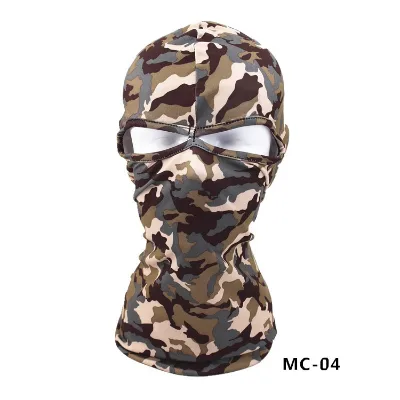

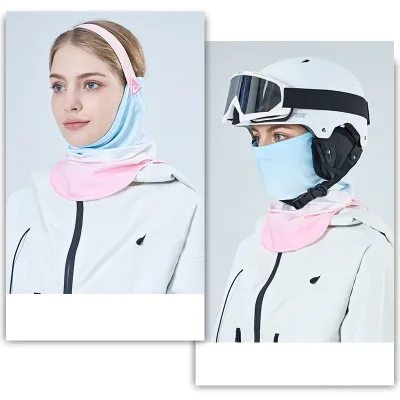
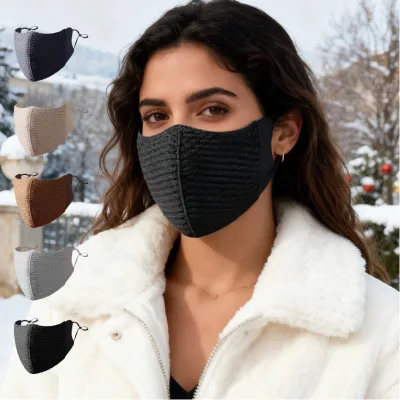
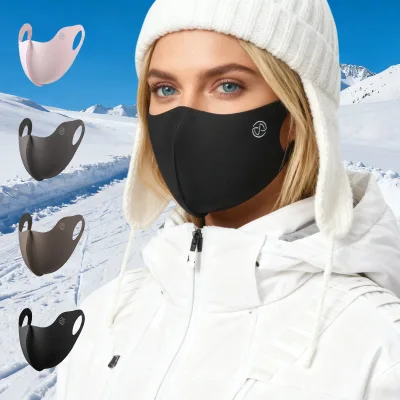
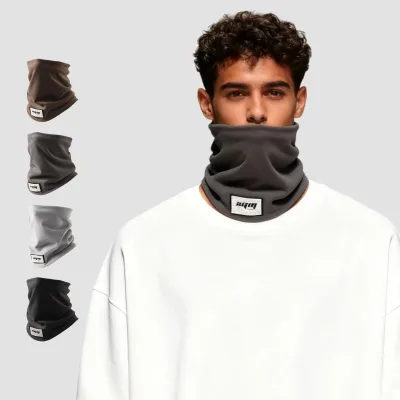
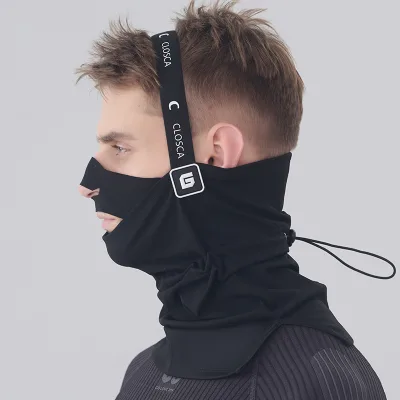
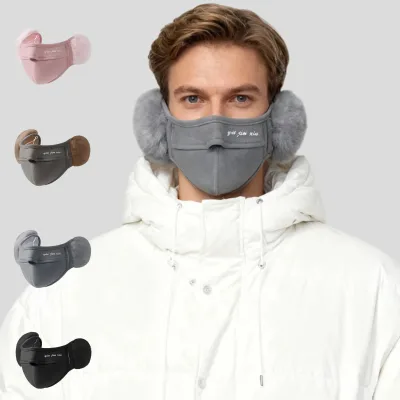
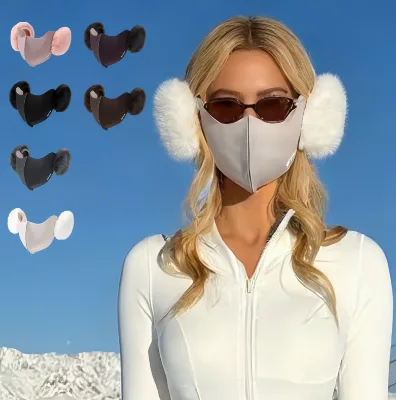
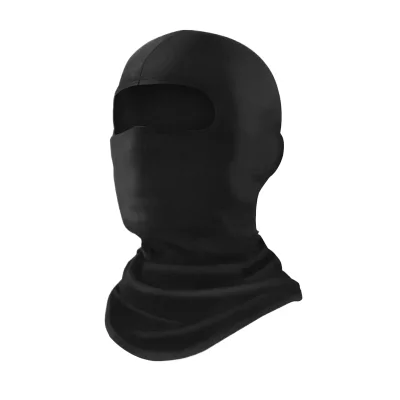
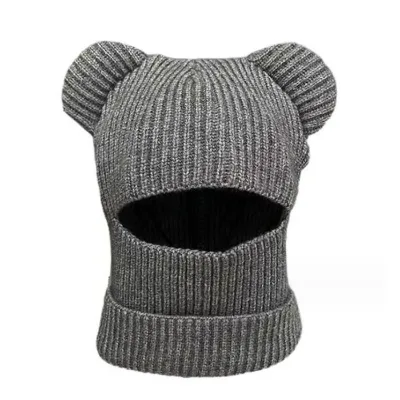


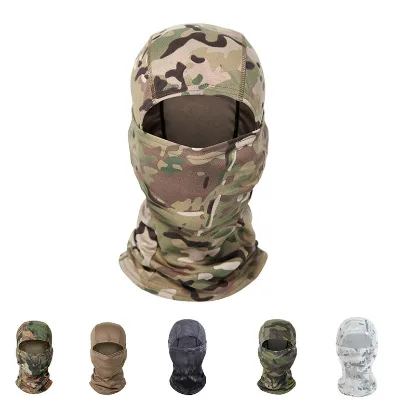
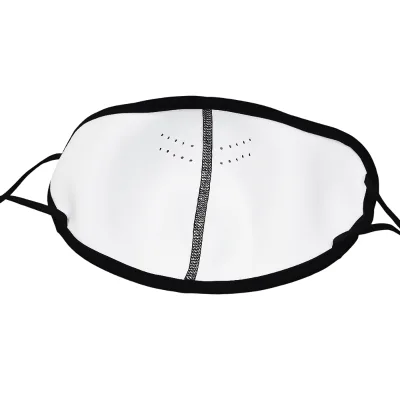
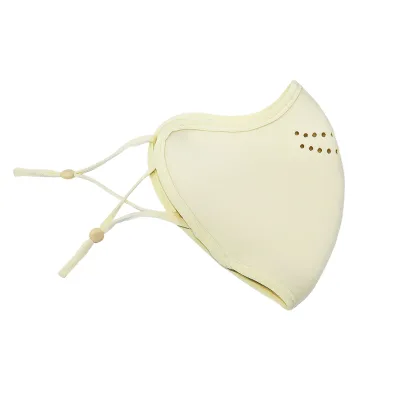
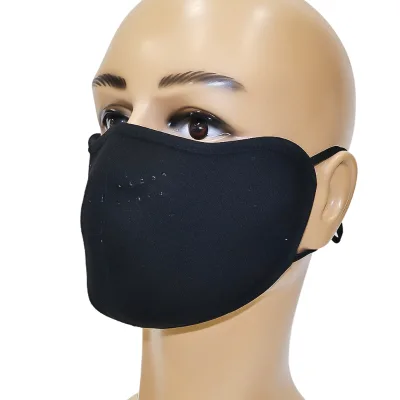
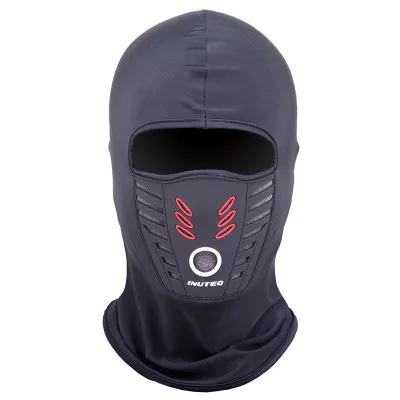

Comprehensive Sourcing Guide
Windproof Warm Ski Mask Sourcing Guide
Sourcing windproof warm ski masks requires a disciplined approach to balancing thermal performance, material durability, and commercial viability. These products serve as critical protective gear for outdoor activities, military operations, and leisure sports, where exposure to cold, wind, and moisture demands reliable insulation and breathability. Buyers must navigate a market characterized by diverse specifications, ranging from standard headbands to full-face masks, each with distinct material compositions and functional attributes. The procurement process is not merely about selecting a product that looks suitable but ensuring that the item meets rigorous performance standards for warmth, comfort, and longevity under harsh environmental conditions.
The following guide provides a structured framework for evaluating suppliers, verifying technical specifications, and managing commercial risks. It draws upon observed market signals and trusted category knowledge to help procurement professionals make informed decisions. By focusing on evidence-based verification steps and clear commercial terms, buyers can mitigate the risks associated with low-quality imports, inconsistent sizing, and unreliable delivery schedules. This approach ensures that the final product aligns with the specific needs of the end-user, whether they are professional athletes, military personnel, or general consumers seeking reliable winter gear.
Product Scope and Observed Listing Signals
The current market for windproof warm ski masks exhibits a wide range of product types, including headbands, full-face masks, and balaclavas, catering to various usage scenarios such as outdoor sports, military applications, and leisure activities. Observed listings indicate that products are often designed for unisex use and target adult demographics, with styles ranging from sport-oriented designs to more casual leisure wear. The pattern is predominantly plain, emphasizing functionality over aesthetic complexity, which allows for easier customization and branding opportunities for buyers. This simplicity in design is a key factor in reducing production costs and lead times, making it an attractive option for large-scale procurement.
Material composition is a critical differentiator in this category, with 100% polyester being a common and reliable choice for its durability, moisture-wicking properties, and ease of maintenance. Products are often described as having a comfortable feel and superior quality, with functions focused on warmth and windproofing. The observed price range of $0.33 to $19.30 USD reflects the vast disparity in quality, material thickness, and brand positioning. Buyers should be cautious of extremely low prices, as they may indicate inferior materials or poor construction, while higher prices may reflect specialized features or premium branding. Understanding these signals helps in setting realistic expectations and budgeting for the procurement project.
Technical Specifications to Verify
Verifying technical specifications is essential to ensure that the ski masks meet the required performance standards for warmth and fit. Key attributes to verify include the length of the product, with options ranging from medium-long to general long, which affects the coverage and protection provided. Thickness is another critical factor, with medium thickness being a common specification that balances warmth and breathability. Buyers should also pay attention to the weight of the product, as lighter options may be more comfortable for extended wear, while heavier options may provide better insulation. The standard sizes observed, such as 3236cm, 383233cm, and 27CM36CM, indicate that sizing can vary significantly, and buyers must ensure that the selected size aligns with the target demographic's head measurements.
Customization options are widely available, allowing buyers to tailor the product to their specific branding and functional needs. Color customization is a common feature, with various colors available to suit different market preferences. Additionally, the minimum order quantity (MOQ) for customized products can range from 1 to 1000 pieces, depending on the supplier's capabilities and the complexity of the customization. Buyers should also verify the packaging details, as products may be packed in OPP bags or paper cartons, which can impact shipping costs and product protection. Understanding these technical details helps in selecting the right product for the intended use case and ensuring that the final output meets the buyer's quality and branding requirements.
Compliance and Safety Documentation
While specific certification requirements may vary depending on the target market and end-use, buyers should prioritize suppliers who can provide relevant safety and quality documentation. For products intended for military or professional outdoor use, compliance with industry-specific standards is crucial to ensure that the masks meet rigorous performance and safety criteria. Buyers should request test reports or certificates that verify the material's flammability, chemical safety, and durability. Although specific standards were not explicitly listed in the observed data, buyers should inquire about compliance with international standards such as ISO or ASTM, which are commonly recognized in the textile and protective gear industries.
Transparency in sourcing and manufacturing processes is also a key aspect of compliance. Buyers should verify the origin of the products, with Guangdong Guangzhou and Ningbo, China, being common production hubs. Understanding the supply chain helps in assessing the reliability of the supplier and the potential risks associated with geopolitical or logistical disruptions. Additionally, buyers should ensure that the supplier adheres to ethical labor practices and environmental regulations, which are increasingly important for brand reputation and regulatory compliance. By prioritizing suppliers with robust compliance documentation, buyers can mitigate risks and ensure that the products meet the necessary legal and safety standards in their target markets.
Cost Drivers and Commercial Terms
The cost of windproof warm ski masks is influenced by several factors, including material quality, production volume, and customization requirements. The observed price range of $0.33 to $19.30 USD highlights the significant variation in costs, which can be attributed to differences in material thickness, design complexity, and brand positioning. Buyers should consider the total cost of ownership, including shipping, tariffs, and potential returns, rather than focusing solely on the unit price. Higher-quality materials and more complex designs may command higher prices but can offer better value in terms of durability and customer satisfaction.
Commercial terms such as minimum order quantity (MOQ) and delivery time are critical components of the procurement process. The observed MOQ ranges from 1 to 1000 pieces, with some suppliers requiring higher volumes for customized orders. Delivery times can vary from 2-4 weeks, depending on the order size and production schedule. Buyers should negotiate clear terms regarding payment methods, shipping responsibilities, and return policies to avoid unexpected costs and delays. Understanding these commercial dynamics helps in planning the procurement budget and ensuring that the supply chain operates smoothly and efficiently.
Supplier Qualification and Quality Control
Selecting a qualified supplier is paramount to ensuring the quality and reliability of the windproof warm ski masks. Buyers should conduct thorough due diligence on potential suppliers, verifying their production capabilities, quality control processes, and track record. Suppliers with experience in producing outdoor and military-grade gear are likely to have more robust quality control measures in place. Buyers should request samples to evaluate the product's fit, comfort, and performance before placing large orders. Additionally, suppliers should be willing to provide references or case studies from previous clients to demonstrate their reliability and expertise.
Quality control should be an ongoing process, with regular inspections and audits to ensure that the products meet the specified standards. Buyers should establish clear quality criteria and communicate them effectively to the supplier. This includes defining acceptable tolerances for size, weight, and material composition. Implementing a system for tracking and addressing defects or non-conformities is essential for maintaining product quality and customer satisfaction. By prioritizing supplier qualification and rigorous quality control, buyers can minimize the risk of receiving substandard products and ensure that the final output meets their expectations.
Long-Term Procurement Checks
Long-term procurement success depends on building strong, collaborative relationships with suppliers and continuously monitoring performance. Buyers should establish regular communication channels with their suppliers to discuss production updates, quality issues, and market trends. This proactive approach helps in identifying and resolving potential problems before they escalate. Additionally, buyers should stay informed about changes in regulations, material availability, and market demand to adapt their procurement strategies accordingly. Building a diversified supplier base can also mitigate risks associated with single-source dependencies and supply chain disruptions.
Continuous improvement is key to maintaining a competitive edge in the market. Buyers should regularly review their procurement processes and identify areas for optimization, such as reducing lead times, improving quality, or lowering costs. Feedback from end-users and internal stakeholders should be used to refine product specifications and supplier requirements. By fostering a culture of continuous improvement and collaboration, buyers can ensure that their procurement activities remain aligned with business goals and market demands. This long-term perspective helps in building a resilient and efficient supply chain that can adapt to changing conditions and deliver consistent value.
FAQs
What customization options are available for windproof warm ski masks?
Customization is available for these products, allowing buyers to request specific features. The color can be customized, and various styles like sport or leisure are offered. Buyers should verify specific requirements with the supplier before placing an order.
Which specifications define the size of these windproof warm ski masks?
Specifications vary by model, with dimensions ranging from 25CM by 40CM to 38CM by 32CM by 33CM. Some models use standard sizing like S, M, L, and XL, while others have specific measurements such as 52-60cm. The length is generally described as medium long or general long.
Can I find windproof warm ski masks with a minimum order quantity of 500 pieces?
Yes, some models have a minimum order quantity of 500 pieces, while others require 1000 pieces. The MOQ depends on the specific product model selected. Buyers should check the individual product details to confirm the exact quantity required for their purchase.
How long is the delivery time for Windproof Warm Ski Mask orders?
The delivery time is typically between 2 to 4 weeks for these products. This lead time applies to standard orders from the listed suppliers. Buyers should account for this duration when planning their procurement schedule to ensure timely receipt of goods.
What materials are used to make these windproof warm ski masks?
The masks are made from 100% polyester material, ensuring durability and comfort. This material provides a comfortable feeling and offers warmth, making it suitable for outdoor and military usage. The superior quality of the material supports its function as a warm accessory.
Where are these windproof warm ski masks manufactured?
These products originate from locations in China, specifically Guangdong Guangzhou and Ningbo. The manufacturing base is established in these regions, which are known for textile production. Buyers can expect the goods to be sourced directly from these Chinese manufacturing hubs.
What packaging is used for shipping windproof warm ski masks?
Packaging options include OPP bags and paper cartons depending on the specific model. The choice of packaging is determined by the product type and supplier standards. This ensures the items are protected during transit while maintaining their quality until they reach the buyer.