Source Windproof Waterproof Children Puffer Vest for Gym, Outdoor, Work
Find and compare Windproof Waterproof Children Puffer Vest options from 30 verified listings. Evaluate features like recycled materials, custom logos, and seasonal suitability for gym, outdoor, and work applications.
Key considerations
Products List
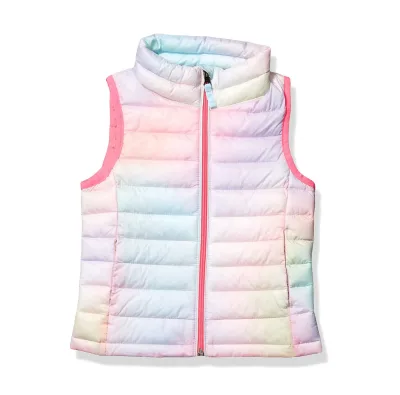


Factory Direct Supply Sport Outdoor Breathable Overcoat Children Thick Puffer Vest
$25.00 - $85.00
MOQ: 1 piece

Eco-Friendly Polyester / Cotton Widely-Used Newest Arrival Children Thick Puffer Vest
$25.00 - $85.00
MOQ: 1 piece


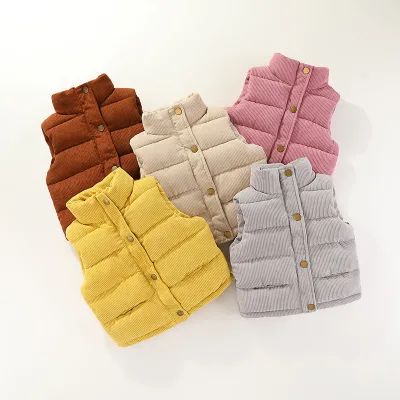
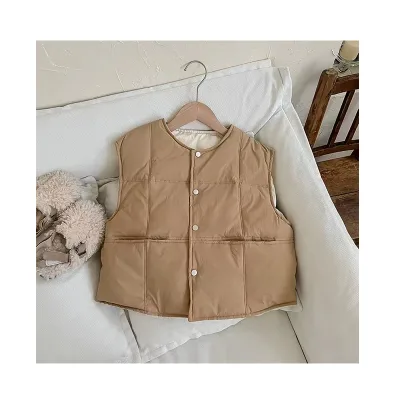


Children's Lightweight Hooded Waterproof and Windproof Jacket for Outdoor
$10.00 - $11.45
MOQ: 500 Pieces


Comprehensive Sourcing Guide
Windproof Waterproof Children Puffer Vest Sourcing Guide
Sourcing windproof and waterproof children’s puffer vests requires a careful balance between protective performance and age-appropriate comfort. The market offers a diverse range of options, from adult-style reversible puffer vests designed for gym or equestrian use to specialized garments for infants and toddlers. Buyers must distinguish between general-purpose outerwear and items specifically engineered for pediatric safety and mobility. The observed product landscape includes vests with turn-down collars, zipper closures, and various filling materials, ranging from polyester wadding to cotton and down blends. Understanding these variations is critical for selecting the right product for your target demographic, whether it is active boys, neutral unisex wear, or infants under nine months old.
The procurement process is further complicated by the wide variance in manufacturing origins and customization capabilities. Most observed listings originate from Hubei, China, with suppliers offering OEM services and custom design logos. This geographic concentration suggests a mature supply chain for woven, down-proof fabrics, yet it also necessitates rigorous verification of quality control standards. Buyers should note that while some products feature recycled nylon or polyester taffeta shells, others may utilize 100% wool or bamboo fiber, significantly altering the cost structure and environmental claims. A disciplined approach to verifying material composition and technical specifications is essential to avoid misalignment between marketing claims and actual product performance.
Product Scope and Observed Listing Signals
The current market signals indicate a broad spectrum of puffer vest applications, extending beyond simple cold-weather protection. Observed listings highlight uses in gym, equestrian, work, and outdoor settings, suggesting that many of these vests are designed for durability and layering rather than extreme weather exposure. For children, the scope includes specific models such as the Children's Vest-086D and Children's Down Jacket-026Z, which cater to different age groups and seasonal needs. The presence of "unisex" and "neutral" gender attributes indicates a trend toward versatile designs that appeal to a wider audience, while specific "boy" or "men" labels help narrow the focus for targeted procurement. Buyers should carefully review the seasonal tags, as some products are marked for autumn, spring, or even summer use, which may imply lightweight insulation or breathable fabrics rather than heavy winter gear.
Material composition is a primary differentiator in the observed listings, with significant implications for both performance and sustainability. Shell materials frequently cited include recycled nylon and recycled polyester, often in a 400T 20D taffeta weave, which offers a balance of wind resistance and packability. However, other listings specify 100% wool or 100% bamboo fiber, which provide natural breathability and softness but may lack the inherent water repellency of synthetic shells. Filling materials vary from polyester wadding and cotton to down blends with specific content percentages, such as 50% down. These variations directly impact the vest’s thermal efficiency, weight, and care requirements. Procurement teams must verify the exact material breakdown for each SKU to ensure it aligns with the intended use case, whether it is high-intensity outdoor activity or casual everyday wear.
Technical Specifications to Verify
Technical verification begins with the construction details and fabric specifications that define the vest’s protective capabilities. Buyers should confirm the presence of windproof and waterproof treatments, as these are critical for children’s outerwear exposed to the elements. The observed listings mention techniques such as down-proof, water repellent, and reversible designs, which add functional value but require validation through supplier documentation. The closure type is predominantly zipper, which must be assessed for durability and ease of use for children. Additionally, the collar style, often a turn-down collar, should be evaluated for comfort and chafing potential. It is also important to verify the weaving method, with woven fabrics being the standard for durability, and to check for seamless fusing, which is noted as absent in many listings, implying traditional stitching that may affect water ingress points.
Sizing and fit are paramount for children’s apparel, and the observed data reveals a mix of standard sizing and free-size options. Standard sizes range from S to 2XL, catering to older children and teens, while specific infant models are designated for ages 0-9 months. Buyers must ensure that the size charts provided by suppliers are accurate and consistent, as discrepancies can lead to high return rates. The single package size of 30x30x5 cm and gross weight of 1.000 kg provide logistical benchmarks for shipping and handling, but these metrics can vary significantly based on the filling material and shell thickness. Furthermore, the model numbers, such as Children's Vest-031G or Children's Vest-059V, should be cross-referenced with physical samples to confirm that the technical attributes match the catalog descriptions, particularly regarding the presence of embroidery or other decorations that may affect fabric integrity.
Compliance and Safety Documentation
Safety compliance is non-negotiable for children’s clothing, and buyers must demand comprehensive documentation from suppliers. The observed listings mention needle detection as a standard practice, which is a critical quality control step to prevent metal fragments from remaining in the garment. However, this internal check must be supplemented by third-party testing reports that verify compliance with international safety standards for flammability, chemical content, and physical hazards. Buyers should request certificates that confirm the absence of harmful substances in the dyes and finishes, particularly for products made from bamboo fiber or wool, which may require specific chemical treatments. The lack of explicit certification names in the observed data means that buyers cannot assume compliance and must actively verify that the supplier adheres to relevant regulations in their target markets.
Environmental and ethical claims also require substantiation, especially given the prevalence of "eco-friendly" and "recycled" attributes in the listings. While some shells are made from recycled nylon or polyester, buyers should ask for chain-of-custody documentation to verify the recycled content percentage. Similarly, claims of water repellency or anti-shrink properties should be backed by test results from accredited laboratories. The observed mention of ISO 9001 is a low-confidence background fact and should not be assumed as a current or relevant certification for every supplier. Instead, buyers should focus on verifying specific product safety standards, such as those related to small parts, drawstrings, and zipper pulls, which are common hazards in children’s apparel. Ensuring that the supplier has a robust quality management system in place is essential for maintaining consistent compliance across production batches.
Cost Drivers and Commercial Terms
The cost structure of children’s puffer vests is influenced by material selection, customization levels, and order volume. The observed price range of 1-85 USD reflects the vast diversity in product quality, from basic cotton-filled vests to premium down-insulated options with recycled shells. Buyers should anticipate higher costs for garments featuring complex technical fabrics, such as 400T 20D nylon, or those with reversible designs and embroidery. The availability of custom colors and logos adds another layer of cost, as these require setup fees and minimum order quantities. Understanding these drivers is essential for budgeting and negotiating effectively with suppliers, as the final price will depend heavily on the specific technical requirements and branding needs of the procurement project.
Commercial terms, including MOQ and lead times, vary significantly across the observed listings. While some suppliers support sample orders with a 7-day lead time, bulk order MOQs can range from 1 to 1000 units, with some specific models requiring up to 10,000 units. This disparity highlights the importance of aligning order quantities with supplier capabilities and inventory strategies. Buyers should also consider the packing methods, such as polybag or OPP bag packaging, which can affect shipping efficiency and product presentation. The customization availability allows for brand differentiation but may extend lead times due to the additional production steps. Clear communication regarding these terms is crucial to avoid delays and ensure that the procurement timeline aligns with market demand and seasonal requirements.
Supplier Qualification and Quality Control
Supplier qualification requires a thorough assessment of manufacturing capabilities and quality assurance processes. Given that most observed products originate from Hubei, China, buyers should verify the supplier’s production capacity and experience in children’s apparel. The presence of OEM services and custom design logos indicates a willingness to collaborate, but buyers must ensure that the supplier has the technical expertise to handle complex fabrics and finishes. Requesting references or case studies from previous clients can provide insight into the supplier’s reliability and consistency. Additionally, buyers should evaluate the supplier’s ability to provide detailed product specifications and technical data sheets, which are essential for verifying compliance and performance claims.
Quality control measures must be integrated into the procurement process to mitigate risks associated with production variability. The observed mention of needle detection is a positive indicator, but buyers should also inquire about other QC steps, such as fabric inspection, stitching quality checks, and final garment audits. Implementing a pre-shipment inspection protocol is recommended to catch defects before goods are dispatched. Buyers should also establish clear acceptance criteria for color consistency, sizing accuracy, and functional performance, such as water repellency and zipper durability. Regular communication with the supplier and periodic factory audits can help maintain high standards and address any issues promptly. By prioritizing supplier qualification and robust QC processes, buyers can ensure that the final products meet their quality expectations and safety requirements.
Long-Term Procurement Checks
Long-term procurement success depends on continuous monitoring of supplier performance and market trends. Buyers should establish key performance indicators (KPIs) to track metrics such as on-time delivery, defect rates, and responsiveness to issues. Regular reviews of these metrics can help identify potential problems early and facilitate corrective actions. Additionally, staying informed about changes in material availability, regulatory requirements, and consumer preferences is essential for adapting procurement strategies. The observed diversity in product attributes, from seasonal tags to material compositions, suggests a dynamic market that requires agile sourcing decisions. By maintaining a proactive approach to supplier management and market analysis, buyers can ensure a steady supply of high-quality children’s puffer vests that meet evolving customer needs.
Sustainability and ethical sourcing are increasingly important factors in long-term procurement strategies. Buyers should regularly assess their suppliers’ environmental practices and social responsibility initiatives, aligning with broader corporate sustainability goals. This may involve verifying the use of recycled materials, reducing carbon footprints, and ensuring fair labor practices. Engaging in long-term partnerships with suppliers who share these values can enhance brand reputation and customer loyalty. Furthermore, exploring opportunities for innovation, such as new fabric technologies or design improvements, can provide a competitive edge in the market. By focusing on continuous improvement and strategic alignment, buyers can build a resilient and responsible supply chain for children’s puffer vests.
FAQs
What materials are used for Windproof Waterproof Children Puffer Vest shells?
The shell material is typically recycled nylon or recycled polyester, woven from 400T 20D nylon or polyester taffeta. This fabric provides a windproof and water-repellent surface suitable for autumn and spring wear. The filling consists of polyester wadding or cotton, ensuring warmth without excessive bulk for growing children.
Can I customize the logo and color for these vests?
Yes, customization is available for both branding and aesthetics. Buyers can request custom design logos, often applied via embroidery, and choose custom colors to match specific requirements. The supply type supports OEM service, allowing for tailored production runs that align with your brand identity and target market preferences.
What is the minimum order quantity for these children's vests?
The minimum order quantity varies by product model, with some items requiring 10,000 units while others start at 1,000. Specific models like the Children's Vest-086D have defined MOQs. Buyers should verify the exact MOQ for their selected model, as it depends on the specific design and production capacity of the manufacturer.
How long does it take to produce a sample order?
Sample orders are supported with a lead time of 7 days. This quick turnaround allows buyers to evaluate the quality, fit, and features of the Windproof Waterproof Children Puffer Vest before committing to larger production runs. The single package size is compact, facilitating easy shipping for sample evaluation purposes.
Are these vests suitable for unisex wear across different age groups?
Yes, many models are designed as unisex and suitable for both men and women, while specific children's models target boys or neutral genders. Sizes range from S to 2XL for adults and include specific models for infants aged 0-9 months. The style is versatile, making it appropriate for various user demographics.
What features ensure the vest is durable and safe for children?
The vests feature needle detection to ensure safety and are made from eco-friendly, anti-shrink, and breathable materials. The construction includes down-proof and waterproof techniques, with options for reversible designs. These features ensure durability and safety, making the vest suitable for active outdoor use while protecting children from wind and light rain.