Source Wireless Android Auto Module for Car Audio, Navigation, and Backup Cameras
Find and compare 30 Wireless Android Auto Module options from verified suppliers. Buyers can evaluate specifications like interface types, power supply, and screen sizes to select the right component for automotive integration projects.
Key considerations
Products List

LCD Embedded Android Smart Touch Terminal Module with bluetooth 4.0 Interface
$250.00 - $255.00
MOQ: 49 Pieces




$2.22 - $2.50
MOQ: 500 Pieces



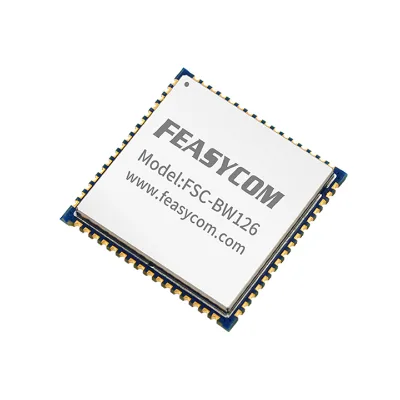
Comprehensive Sourcing Guide
Wireless Android Auto Module Sourcing Guide
Sourcing wireless Android Auto modules requires a disciplined approach to technical verification and supplier qualification, as the market contains a mix of genuine automotive-grade components and generic consumer electronics repurposed for vehicle use. Buyers must distinguish between modules that integrate seamlessly with factory head units and those that function as standalone aftermarket displays, as the procurement strategy differs significantly for each use case. The following guide outlines the essential steps for evaluating product scope, verifying technical specifications, ensuring compliance, and managing commercial risks when acquiring these devices.
Product Scope and Observed Listing Signals
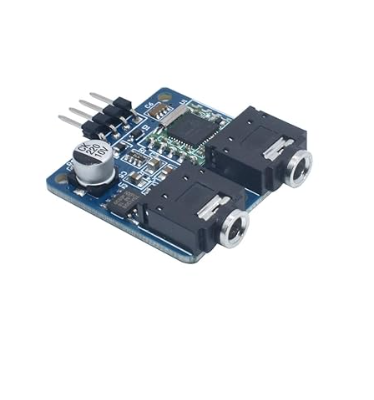
The current market landscape for wireless Android Auto modules is fragmented, often featuring products that are technically distinct from the core keyword but listed under similar search terms. Observed listings frequently include items such as the Waveshare Sipeed LicheePi 3A K1 Linux Board or generic drive ICs like the TEA5767 Radio Module, which are not Android Auto modules but may appear in broad category searches. Procurement teams must rigorously filter these results to avoid purchasing incompatible hardware, as these items typically serve as development boards or radio components rather than complete infotainment solutions.
Another common signal in observed listings is the presence of small-sized LCD modules, such as the 3.5-inch TFT display with capacitive touch, which are often sold as components for DIY automotive projects. While these displays may be used in conjunction with Android Auto modules, they are not the modules themselves and require separate integration efforts. Buyers should verify that the product being sourced is a complete wireless adapter capable of bridging wired Android Auto connections to wireless protocols, rather than a standalone display or a generic wireless module like the FUT3365 WiFi antenna, which lacks the necessary processing power and software stack.
Technical Specifications to Verify
When evaluating potential suppliers, the first technical checkpoint is the interface type and compatibility with the target vehicle’s head unit. The module must support the specific communication protocols required by the vehicle, such as HDMI or USB, depending on whether it is an aftermarket add-on or a factory-integrated solution. Buyers should confirm that the module supports the necessary video and audio transmission standards to ensure low-latency performance, as delays in touch response or audio sync can severely degrade the user experience in a moving vehicle.
Power supply requirements are another critical specification that must be verified against the vehicle’s electrical system. Observed data indicates that some modules support multiple power inputs, including 12V, 5V via Type-C, or Power over Ethernet (PoE) options. Procurement teams must ensure that the selected module’s voltage requirements match the vehicle’s power distribution network to prevent damage to the module or the vehicle’s electronics. Additionally, the operating system compatibility, such as support for Raspberry Pi OS or other embedded Linux distributions, should be confirmed if the module relies on an external computing board for processing.
Compliance and Safety Documentation
Compliance with regional electromagnetic interference (EMI) and radio frequency (RF) regulations is mandatory for any wireless module installed in a vehicle. Buyers must request documentation proving that the module meets the relevant standards for wireless transmission, such as FCC in the United States or CE in Europe, to ensure legal operation and avoid interference with other vehicle systems. Without proper certification, the module may fail to pass vehicle inspections or cause disruptions to critical safety systems, leading to costly recalls or liability issues.
Safety certifications related to electrical safety and thermal management are equally important, especially given the confined spaces and variable temperatures within a vehicle’s dashboard. Suppliers should provide evidence that the module has undergone testing for short-circuit protection, over-voltage protection, and thermal stability. Buyers should verify that the module’s casing and internal components are rated for the operating temperature range of the vehicle environment, as failure to do so can result in premature hardware degradation or safety hazards.
Cost Drivers and Commercial Terms
The cost of wireless Android Auto modules is influenced by several factors, including the complexity of the wireless protocol implementation, the quality of the semiconductor components, and the level of software support provided. Modules that offer seamless integration with multiple vehicle brands and support for advanced features such as high-resolution video streaming typically command higher prices. Buyers should also consider the total cost of ownership, which includes potential costs for additional cables, mounting hardware, and software licensing fees that may not be included in the initial unit price.
Commercial terms such as minimum order quantity (MOQ) and payment methods can significantly impact the procurement process. Observed listings show a wide range of MOQs, from single units for prototyping to hundreds of units for mass production, with payment options including PayPal, Telegraphic Transfer (TT), Western Union, and Escrow services. Buyers should negotiate terms that align with their production schedule and risk tolerance, ensuring that payment milestones are tied to verified delivery and quality acceptance to protect against supply chain disruptions.
Supplier Qualification and Quality Control
Supplier qualification is a critical step in mitigating the risk of receiving counterfeit or substandard products. Buyers should verify the supplier’s business license, manufacturing capabilities, and history of exporting to the target market. It is advisable to request samples for rigorous testing before committing to large orders, as this allows for the evaluation of real-world performance, including connectivity stability, user interface responsiveness, and compatibility with various vehicle models.
Quality control processes should be clearly defined and agreed upon with the supplier prior to production. This includes establishing acceptance criteria for visual defects, functional testing protocols, and packaging standards to prevent damage during transit. Buyers should also inquire about the supplier’s warranty policy and after-sales support, as these factors are crucial for maintaining product reliability and addressing any issues that may arise post-delivery.
Long-Term Procurement Checks
Long-term procurement success depends on the supplier’s ability to provide ongoing software updates and technical support. Wireless Android Auto modules often require firmware updates to maintain compatibility with new versions of the Android Auto platform and to fix bugs that may emerge over time. Buyers should ensure that the supplier has a robust update mechanism in place and is committed to providing these updates for the expected lifespan of the product.
Regular performance audits and feedback loops with end-users are essential for identifying recurring issues and driving continuous improvement. Procurement teams should monitor key performance indicators such as return rates, customer complaints, and connectivity failure frequencies to assess the long-term reliability of the modules. By maintaining open communication with suppliers and leveraging this data, buyers can make informed decisions about future sourcing strategies and ensure that the products continue to meet the evolving needs of their customers.
FAQs
How can I place a small order for a Wireless Android Auto Module?
Small orders are accepted, so buyers can start with sample or trial quantities before committing to volume. Ordering is typically done through the listed payment terms, which include PayPal, TT, WU, and ESCROW. When you inquire, state your required quantity and model so the response includes shipping costs via DHL, FedEx, TNT, EMS, or UPS.
What customization options are available for a Wireless Android Auto Module?
Customization is available for the module, covering aspects such as firmware configuration, packaging, and application-specific requirements. Buyers should describe their intended use case and any interface or power needs, for example 5V operation, when requesting a quote. Customized projects may require longer lead times and higher minimum quantities than standard catalog items, so confirm these details upfront.
Which shipping methods can be used to deliver a Wireless Android Auto Module?
Shipping terms include DHL, FedEx, TNT, EMS, and UPS, giving buyers several speed and cost options. Small parcels of modules are usually sent by express courier, while larger quantities may be consolidated for better freight rates. Confirm the destination country, preferred carrier, and any customs requirements before the order is dispatched from China.
What payment terms are accepted when buying a Wireless Android Auto Module?
Accepted payment terms are PayPal, TT, WU, and ESCROW. PayPal and ESCROW offer more protection for smaller or first-time orders, while TT is commonly used for larger production runs. Agree on the payment split, such as deposit and balance, and confirm it in writing before production begins to avoid misunderstandings later.
Can I get a Wireless Android Auto Module sourced from China?
Yes, these modules originate from China, with Shenzhen being the typical sourcing hub for wireless and display-related electronics. Sourcing from this region offers access to a broad component supply chain and customization support. When evaluating candidates, verify the condition is new and original, review packaging options such as box or carton, and confirm export experience to your destination.
What power supply requirements does a Wireless Android Auto Module have?
Related in-vehicle and display products in this category commonly operate at 5V, with some configurations supporting 12V, 5V via Type-C, or optional PoE power. Check the exact model datasheet before integration, since input voltage tolerance differs between modules. Provide a stable, regulated supply and account for peak current during wireless transmission to avoid brownouts or unstable connections.