Source Wireless Gamepad Handheld Game Player for gaming, parties, and travel
Explore 30 listings for the Wireless Gamepad Handheld Game Player to compare features like screen size, battery life, and connectivity. Buyers can evaluate options from manufacturers in China to find suitable retro consoles and controllers for various gaming needs.
Key considerations
Products List


Handheld Game Controller for Nintendo Switch Joypad with Six Axis Turbo Gamepad
$18.00 - $20.00
MOQ: 10 pieces


New Design Gaming Gamepad Wireless Game Controller Joystick for Switch PC Console
$12.60 - $14.50
MOQ: 100 pieces

Factory Joypads Wireless Remote Gamepad Joysticks Game Controllers for Switch
$12.50 - $14.20
MOQ: 100 pieces


Customize Joysticks Game Controller Wireless Gamepad Wireless Controller
$2.90 - $4.90
MOQ: 500 Pieces

Comprehensive Sourcing Guide
Wireless Gamepad Handheld Game Player Sourcing Guide
Sourcing wireless gamepads and handheld game players requires a nuanced understanding of the convergence between portable gaming hardware and peripheral controllers. The market segment is diverse, ranging from dedicated retro handheld consoles with built-in libraries to standalone wireless controllers designed for specific platforms like the Nintendo Switch or PC. Buyers must distinguish between devices that function as complete gaming systems and those that serve as input peripherals, as this distinction dictates technical requirements, compliance needs, and end-user applications. The core keyword "Wireless Gamepad Handheld Game Player" often bridges these categories, implying devices that offer wireless connectivity for enhanced mobility while maintaining the form factor of a handheld unit.
Procurement decisions in this category are heavily influenced by the intended operating system and connectivity protocol. While some devices operate as standalone units with pre-installed games, others rely on external hosts, requiring robust wireless protocols such as Bluetooth or proprietary 2.4GHz dongles. The observed market data indicates a significant presence of retro-style consoles and hybrid controllers, suggesting that buyers should prioritize verification of compatibility lists and wireless stability before committing to volume orders. Understanding the specific role of the device—whether it is a primary gaming unit or an accessory—is the first critical step in defining the technical specification sheet and subsequent quality control parameters.
Product Scope and Observed Listing Signals
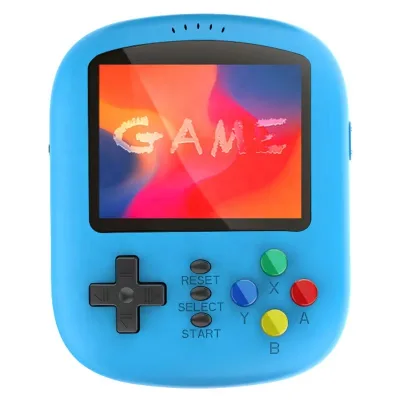
The current market landscape for wireless gamepads and handheld players exhibits a wide variance in product definitions, often blurring the lines between dedicated consoles and controller accessories. Observed listings reveal products categorized as "Handheld Game Console 400 In1," which are essentially self-contained retro gaming devices rather than wireless gamepads in the traditional sense. These units typically feature built-in game libraries, such as 400 games, and operate independently without requiring external wireless connections for gameplay, although they may support wired connections for charging or TV output. Buyers must carefully scrutinize product titles and keywords to ensure they are sourcing the correct device type, as a "handheld game player" may not necessarily include wireless gaming capabilities if it is a legacy-style console.
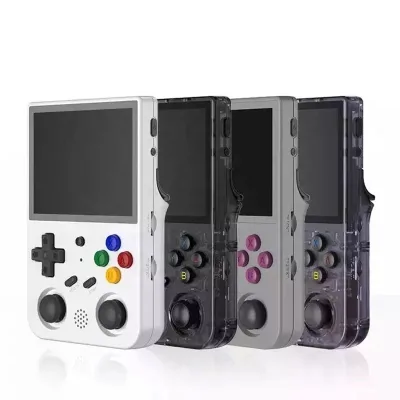
Conversely, other listings in this category explicitly describe wireless functionality, such as the "Wireless Handle Gaming Controller" compatible with Nintendo Switch. These products are designed to be peripherals that connect wirelessly to a host device, offering the mobility and ergonomic benefits of a gamepad without the tether of a cable. The observed data also highlights products with specific model numbers like "K10" and "M17," which appear to be retro handheld consoles with color displays and varying screen sizes, such as 3.0-inch and 4.3-inch panels. This diversity underscores the importance of verifying the "Type" attribute in supplier catalogs, as the term "handheld game player" can refer to both standalone consoles and wireless controllers, leading to potential mismatches in procurement if not clearly defined.
Technical Specifications to Verify
When evaluating handheld game consoles and wireless gamepads, screen specifications and display technology are primary differentiators for user experience. For standalone handheld units, buyers should verify the screen size, resolution, and whether the display is color or monochrome, as these factors directly impact the gaming experience. Observed data indicates screen sizes ranging from 3.0 inches to 4.3 inches, with some models featuring color displays. It is crucial to confirm the pixel density and viewing angles, especially for retro-style consoles where visual clarity is essential for older game titles. Additionally, the presence of touch screens should be verified, as most observed handheld consoles in this category do not include touch functionality, relying instead on physical buttons and directional pads for input.
Connectivity and power management are equally critical technical aspects, particularly for wireless gamepads and hybrid devices. Buyers must verify the wireless protocol used, such as Bluetooth or 2.4GHz radio frequency, and ensure compatibility with the target host devices. For handheld consoles, the presence of wired connection options for TV output or data transfer should be confirmed, as this adds versatility to the device. Battery life and charging methods are also key specifications; while specific battery capacities may not always be listed, the charging interface type (e.g., USB-C or micro-USB) and the device's power consumption profile should be discussed with the supplier. Furthermore, the material composition, often ABS and PC for durability, should be assessed for heat dissipation and structural integrity during extended use.
Compliance and Safety Documentation
Regulatory compliance is a non-negotiable aspect of importing electronic gaming devices, particularly those with wireless transmission capabilities. Buyers must ensure that all wireless gamepads and handheld consoles meet the electromagnetic compatibility (EMC) and radio frequency (RF) regulations of their target markets. In many regions, this involves certifications such as CE for Europe or FCC for the United States, which verify that the device does not emit excessive electromagnetic interference and operates within legal frequency bands. Although specific certification statuses may not be explicitly listed in all product data, suppliers should be required to provide valid test reports from accredited laboratories to confirm compliance with local standards before shipment.
Safety standards for battery-powered devices are another critical area of verification. Handheld game consoles and wireless controllers typically contain lithium-ion or lithium-polymer batteries, which are subject to strict safety regulations regarding transport and usage. Buyers should request documentation confirming that the batteries meet international safety standards, such as UN38.3 for transportation safety, to mitigate risks of fire or explosion during shipping and use. Additionally, the physical safety of the device, including the use of non-toxic materials and secure battery compartments, should be assessed. For products intended for younger audiences, additional checks for small parts and choking hazards may be necessary, depending on the age rating of the games and the design of the controller.
Cost Drivers and Commercial Terms
The cost structure of wireless gamepads and handheld game players is influenced by several key factors, including the complexity of the wireless module, the quality of the display, and the volume of pre-installed games. For standalone handheld consoles, the inclusion of a large game library, such as 400 games, can impact the software licensing costs and the internal storage requirements, which in turn affect the unit price. Buyers should analyze the bill of materials to understand how much of the cost is attributed to the hardware versus the software content. For wireless gamepads, the cost is more heavily driven by the quality of the analog sticks, button durability, and the reliability of the wireless chipset, which can vary significantly between budget and premium models.
Commercial terms, including minimum order quantities (MOQ) and lead times, play a significant role in the procurement strategy for these products. Observed data indicates that MOQs can range from as low as 10 pieces for certain models to 50 pieces or more for others, allowing for flexibility in initial testing and small batch orders. Lead times are typically reported as 3-15 working days, but this can vary based on customization requirements, such as logo printing or packaging design. Buyers should negotiate clear terms regarding payment schedules, shipping responsibilities, and return policies for defective units. Additionally, the availability of OEM/ODM services should be considered if brand customization is a strategic priority, as this may involve additional setup fees or longer lead times.
Supplier Qualification and Quality Control
Selecting a reliable supplier for wireless gamepads and handheld game players requires a thorough assessment of their manufacturing capabilities and quality control processes. Buyers should verify the supplier's experience in producing electronic gaming devices, including their production capacity and history of exporting to the target market. It is advisable to request samples of different models to evaluate build quality, wireless connectivity stability, and user interface responsiveness. Suppliers that offer customization options, such as logo printing and retail packaging, should be evaluated on their ability to maintain consistent quality across customized batches, as these processes can introduce variability in the final product.
Quality control measures should be clearly defined and agreed upon before production begins. This includes establishing acceptable quality limits (AQL) for visual defects, functional failures, and wireless connectivity issues. Buyers should inquire about the supplier's in-house testing procedures, such as drop tests, button lifespan tests, and wireless range tests, to ensure that the products meet industry standards. Additionally, the packaging quality should be assessed to prevent damage during transit, especially for devices with fragile screens or delicate buttons. Establishing a clear communication channel for addressing quality issues and defining the process for handling defective units is essential for maintaining a smooth supply chain and protecting the buyer's brand reputation.
Long-Term Procurement Checks
Sourcing wireless gamepads and handheld game players is not a one-time transaction but an ongoing relationship that requires continuous monitoring and adaptation. Buyers should regularly review supplier performance metrics, including on-time delivery rates, product defect rates, and responsiveness to customer feedback. As technology evolves, suppliers may introduce new models with improved wireless protocols, better battery life, or enhanced display technologies. Staying informed about these advancements allows buyers to update their product offerings and remain competitive in the market. Additionally, monitoring changes in regulatory requirements, such as new EMC standards or battery safety regulations, is crucial to ensure continued compliance and avoid supply chain disruptions.
Long-term procurement strategies should also include diversification of suppliers to mitigate risks associated with single-source dependencies. Building relationships with multiple suppliers can provide flexibility in negotiating prices, managing capacity constraints, and responding to sudden changes in demand. Furthermore, buyers should consider the lifecycle of the products they source, planning for end-of-life management and potential recalls. Establishing a feedback loop with end-users can provide valuable insights into product performance and areas for improvement, which can be shared with suppliers to drive continuous product development. By maintaining a proactive approach to supplier management and market analysis, buyers can ensure a sustainable and profitable sourcing strategy for wireless gamepads and handheld game players.
FAQs
What models of wireless gamepad handheld game players are available?
Available models include the 400 in 1, K10, and M17 variants. The 400 in 1 features 400 built-in games with an OPP bag package. The K10 is a retro console with a 3.0-inch screen and Wi-Fi connectivity. The M17 is a handheld retro player with a 4.3-inch screen. Each model offers distinct specifications for different gaming preferences.
Can I customize the logo and packaging for these devices?
Yes, customization is available for both logos and packaging. Buyers can request customized logos on the devices. Packaging options include retail packages, OPP bags, and colour boxes. OEM and ODM services are accepted to meet specific branding requirements. This allows businesses to tailor the product presentation to their market needs effectively.
What are the minimum order quantities for these consoles?
Minimum order quantities vary by model. The 400 in 1 model requires a minimum of 50 pieces. The K10 model has a lower minimum order quantity of 10 pieces. These thresholds allow buyers to start with smaller batches. It is advisable to confirm the specific MOQ for the chosen model before placing an order.
How long is the delivery time for these products?
The standard delivery time ranges from 3 to 15 working days. This timeframe applies to the production and shipping preparation. Shipping methods include FedEx, UPS, or DHL with DDP options. Buyers should account for this lead time when planning inventory. Actual times may vary based on order volume and shipping method selection.
What materials are used to construct these handheld consoles?
The devices are constructed from ABS and PC materials. This combination provides durability and a sturdy feel for handheld use. The materials support the structural integrity of the console. This ensures the device can withstand regular handling. The build quality is consistent across the different model variants available.
Which platforms are compatible with the wireless gamepad controllers?
Specific controllers are designed for compatibility with the Nintendo Switch platform. These handheld joypad controllers function as wireless handles for gaming. They offer wired connection options as well. Buyers should verify the specific model requirements for their target platform. Compatibility is a key feature for these accessory-focused product lines.