Source Retro Handheld Game Console with 20000 Games for Retail, Gifts, and Collecting
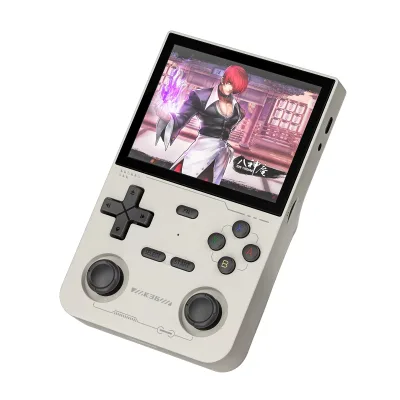
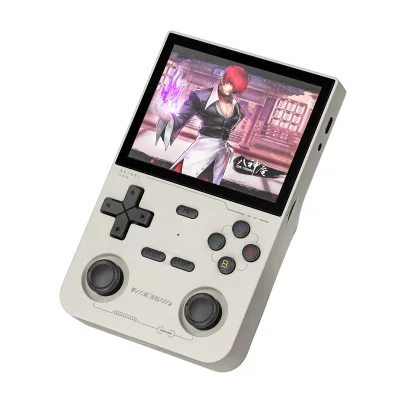
Find a Retro Handheld Game Console with 20000 Games from 30 verified listings. Compare models like G5, G9, and M17 based on screen size, packaging, and customization options to find the right fit for your inventory needs.
Key considerations
Products List


Hot Selling Portable X12 5.1 Inch Handheld Game Console with Classic Retro Games
$16.10 - $19.60
MOQ: 10 Pieces


Electronic Toy Handheld Game Console with 200 Classic Games 2.2 Inch Screen
$5.72 - $6.88
MOQ: 20 Pieces



Comprehensive Sourcing Guide
Retro Handheld Game Console with 20000 Games Sourcing Guide
Sourcing retro handheld game consoles with high game counts, such as those advertising 20,000 or more titles, requires a nuanced understanding of the current market landscape. While the core keyword suggests a specific volume of pre-loaded software, the actual product listings often reveal a broader spectrum of inventory, ranging from compact 400-in-1 models to larger arcade-style boxes with significantly higher counts. Buyers must navigate this discrepancy by focusing on the physical attributes and communication methods rather than relying solely on the headline game numbers. The observed market includes devices with Wi-Fi connectivity, color displays, and varying form factors, from small handheld units to substantial 3D arcade boxes. This diversity means that a single sourcing strategy must account for multiple product tiers, each with distinct technical requirements and commercial terms.
The procurement process for these devices is heavily influenced by the manufacturer's origin and their willingness to customize. Most observed products originate from China, offering OEM and ODM services that allow buyers to apply customized logos and branding. This flexibility is crucial for businesses looking to create a unique brand identity in the retro gaming niche. However, the availability of customization often comes with specific minimum order quantities (MOQs) and lead times that vary by model. For instance, some models have an MOQ of just 10 pieces, while others may require 20 or more, directly impacting the initial investment and inventory risk. Understanding these commercial nuances is the first step in building a reliable supply chain for retro gaming hardware.
Product Scope and Observed Listing Signals
The product scope for retro handheld consoles is defined by a mix of traditional handheld designs and modernized arcade experiences. Observed listings include models like the G5, G9, and M17, which are marketed as retro handheld game players with built-in games. These devices typically feature ABS + PC materials, ensuring durability while keeping the weight manageable for handheld use. The G5 and G9 models, for example, are equipped with color displays and Wi-Fi communication methods, suggesting capabilities beyond simple offline emulation. In contrast, the M17 is described as a retro video game console with a customized logo option, highlighting the importance of branding in this segment. The presence of Wi-Fi in some models indicates potential for online multiplayer or firmware updates, a feature that distinguishes higher-end units from basic offline players.
Beyond handhelds, the scope extends to larger arcade-style units, such as the 26800-in-1 Retro Arcade 3D Arcade Game Box. This product represents a different category within the retro gaming market, targeting users who prefer a stationary, immersive experience over portability. The dimensions of this unit, measuring 71x30x15 cm, are significantly larger than the handheld counterparts, which typically range from 14x12x7 cm to 25x15x5 cm. The packaging also varies, with some units shipped in retail boxes or color boxes, while others may use simpler OPP bags. These physical differences are critical for logistics planning, as they affect shipping costs, storage requirements, and the final presentation to the end consumer. Buyers must clearly define whether they are sourcing portable devices or stationary arcade cabinets to align their procurement with their target market.
Technical Specifications to Verify
When evaluating technical specifications, the screen size and display type are primary differentiators among handheld models. The observed listings show screen sizes ranging from 3.0 inches to 4.3 inches, with color displays being a standard feature in many models. The G9 model, for instance, features a 4.3-inch screen, which offers a larger viewing area compared to the 3.0-inch screen found in other units. This difference can significantly impact the user experience, especially for games that benefit from a larger display. Additionally, the absence of a touch screen in some models, such as the G5, indicates that these devices rely on traditional physical buttons for navigation and gameplay. Buyers should verify the input method and screen resolution to ensure the device meets the expected quality standards for retro gaming.
The internal architecture and game library are equally important technical considerations. While many products advertise high game counts, such as 400-in-1 or 26800-in-1, the actual performance and stability of these games can vary. The model numbers, such as G5, G9, M17, and Q5, often correspond to specific hardware configurations and software versions. It is essential to verify the communication method, as Wi-Fi-enabled models may offer additional features like online connectivity or remote control capabilities. Furthermore, the material composition, typically ABS + PC, affects the device's durability and heat dissipation. Buyers should request detailed technical datasheets that specify the processor speed, memory capacity, and supported game formats to ensure the device can handle the advertised number of games without lag or crashes.
Compliance and Safety Documentation
Compliance and safety are paramount when importing electronic devices, particularly those targeting consumer markets. Buyers must ensure that all retro handheld consoles and arcade boxes meet the relevant safety standards of their destination country. This includes verifying electrical safety, electromagnetic compatibility, and chemical restrictions. For products originating from China, it is common to look for certifications such as CE, FCC, or RoHS, although the specific requirements depend on the target market. The presence of Wi-Fi functionality adds another layer of compliance, as wireless devices must adhere to radio frequency regulations. Buyers should request test reports and certification documents from suppliers to confirm that the products have undergone the necessary safety assessments.
In addition to safety certifications, packaging and labeling requirements must be strictly followed. The observed listings mention various packaging types, including retail boxes, color boxes, and OPP bags. Each packaging option must include accurate product information, including the model number, country of origin, and safety warnings. For example, the G5 model is packed in a color box with standard dimensions of 14x12x7 cm, while the 26800-in-1 arcade box has larger dimensions of 71x30x15 cm. Proper labeling is crucial for customs clearance and consumer safety. Buyers should also verify that the packaging materials are environmentally friendly and comply with local recycling regulations. Ensuring that all documentation is complete and accurate will help avoid delays at customs and potential legal issues in the destination market.
Cost Drivers and Commercial Terms
The cost of retro handheld game consoles is influenced by several factors, including the model complexity, game count, and customization options. Basic models with fewer games and standard packaging tend to be more affordable, while high-end units with Wi-Fi capabilities and larger screens command higher prices. The observed price range for these products varies significantly, reflecting the diversity in features and quality. Buyers should consider the total cost of ownership, including shipping, tariffs, and potential returns, rather than just the unit price. Customization options, such as adding a customized logo or OEM branding, may incur additional costs and affect the minimum order quantity. Understanding these cost drivers is essential for accurate budgeting and pricing strategies.
Commercial terms, including MOQ, lead time, and payment methods, play a crucial role in the procurement process. The observed listings show MOQs ranging from 10 to 1200 pieces, depending on the model and customization requirements. Lead times also vary, with some suppliers offering delivery within 3-15 working days, while others may have longer production cycles. Payment methods typically include bank transfers, Western Union, and online platforms like Alibaba. Buyers should negotiate clear terms regarding shipping, insurance, and liability to protect their interests. For instance, some suppliers offer shipping via UPS, FedEx, or DHL, with estimated shipping times of 5-7 working days. Establishing a transparent and mutually beneficial commercial agreement is key to a successful sourcing partnership.
Supplier Qualification and Quality Control
Supplier qualification is a critical step in ensuring the reliability and consistency of the retro handheld game console supply chain. Buyers should conduct thorough due diligence on potential suppliers, verifying their business licenses, manufacturing capabilities, and quality control processes. Suppliers that offer OEM and ODM services, such as those for the M17 model, should be evaluated based on their ability to maintain consistent quality across customized orders. It is also important to assess their communication efficiency and responsiveness, as these factors can impact the overall sourcing experience. Building a relationship with a reputable supplier can help mitigate risks and ensure a steady supply of high-quality products.
Quality control measures should be implemented at various stages of the production process, from raw material inspection to final product testing. Buyers should request samples to evaluate the build quality, screen clarity, and game performance before placing bulk orders. For models with Wi-Fi capabilities, testing the connectivity and stability is essential. Additionally, suppliers should provide a clear warranty policy and after-sales support plan to address any potential issues. Implementing a rigorous quality control protocol, including random sampling and functional testing, can help identify and rectify defects early in the production cycle. This proactive approach ensures that the final products meet the expected standards and reduces the risk of customer complaints and returns.
Long-Term Procurement Checks
Long-term procurement success depends on continuous monitoring and evaluation of supplier performance and market trends. Buyers should regularly review supplier metrics, such as on-time delivery rates, product defect rates, and customer satisfaction scores. Establishing a feedback loop with end-users can provide valuable insights into product performance and potential improvements. Additionally, staying informed about emerging technologies and consumer preferences in the retro gaming market is crucial for maintaining a competitive edge. For example, the increasing demand for Wi-Fi-enabled devices suggests a shift towards more interactive and connected gaming experiences. Buyers should be prepared to adapt their sourcing strategies to meet these evolving demands.
Furthermore, diversifying the supplier base can help mitigate risks associated with supply chain disruptions. Relying on a single supplier for all retro handheld game consoles can be risky, especially if that supplier faces production issues or quality problems. By working with multiple suppliers, buyers can ensure a steady supply of products and negotiate better terms. Regular audits and site visits can also help maintain high standards and build stronger relationships with suppliers. Finally, staying compliant with changing regulations and standards in the destination market is essential for long-term success. By proactively addressing these challenges, buyers can build a resilient and efficient procurement system for retro handheld game consoles.
FAQs
What models are available for retro handheld game consoles?
Available models include G5, G9, M17, and 26800in1 variants. These units feature screen sizes ranging from 3.0 to 4.3 inches and come in colorful ABS plus PC materials. Some models offer 400 games while others support up to 26800 games.
Can I customize the logo on these handheld consoles?
Yes, customized logos are available for these products. The supplier accepts OEM and ODM requests to tailor branding. This customization option allows buyers to create unique products for their specific market needs without compromising the core functionality.
What is the minimum order quantity for these consoles?
The minimum order quantity varies by model, typically starting at 10 pieces or 20 pieces. Some listings indicate an MOQ range from 1 to 1200 units depending on the specific configuration. Buyers should verify the exact requirement for their selected model.
How long does delivery take for these game consoles?
Delivery times generally range from 3 to 15 working days for production. Some suppliers offer faster lead times of 1 to 3 working days for specific items. Shipping methods include UPS, FedEx, and DHL, with transit times varying by destination.
Which communication methods do these consoles support?
These consoles support Wi-Fi communication methods for connectivity. They function primarily as standalone handheld devices with built-in game libraries. The design focuses on retro gaming experiences without requiring complex external network setups for basic operation.
What packaging options are provided for these consoles?
Packaging options include color boxes, retail packages, and OPP bags. Specific dimensions vary by model, with standard sizes around 14 by 12 by 7 centimeters. Buyers can choose packaging that suits their retail requirements or bulk shipping needs.
Are these consoles available in different screen sizes?
Yes, these consoles are available with screen sizes of 3.0 inches and 4.3 inches. The larger screens provide better visibility for the built-in game libraries. Buyers can select the size that best fits their preference for portability versus display quality.