Source Wireless Semiconductor Phone Cooling Radiator for Gaming, Streaming, Travel
Compare 30 wireless semiconductor phone cooling radiator options from verified suppliers. These devices feature semiconductor cooling models, Type-C power supply, and compatibility with iOS and Android smartphones for enhanced gaming and streaming performance; compare the available evidence and request quotations based on your requirements.
Key considerations
Products List


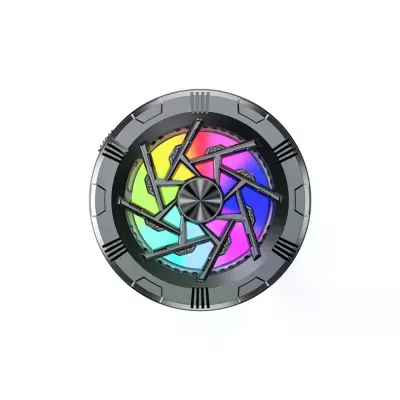
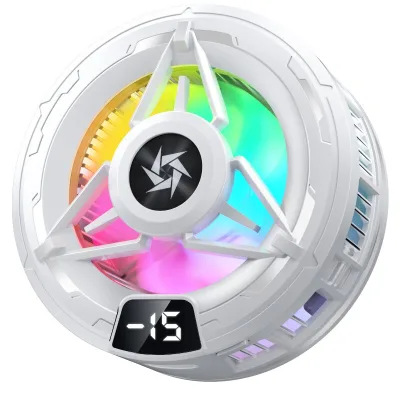
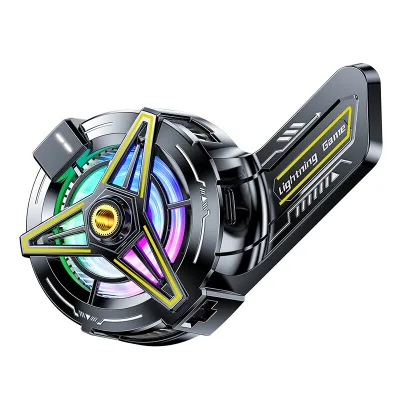
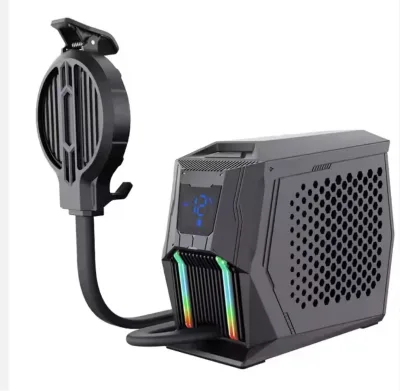
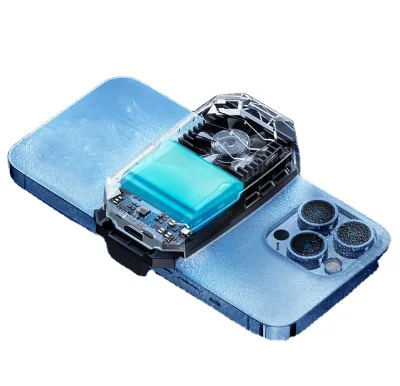
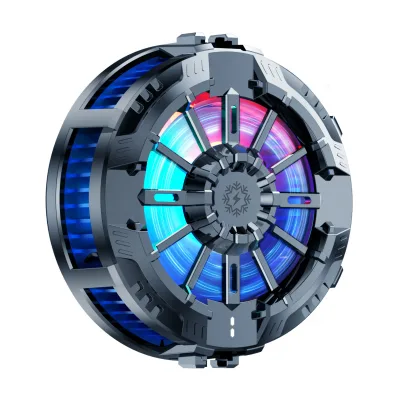


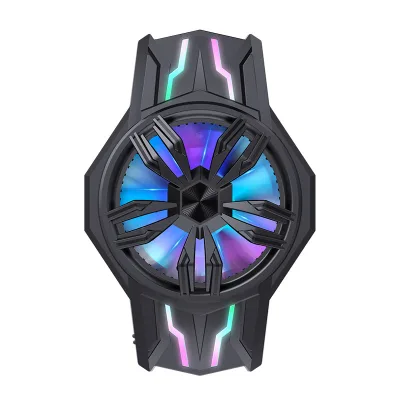
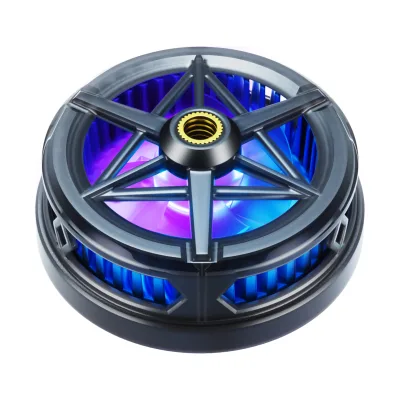
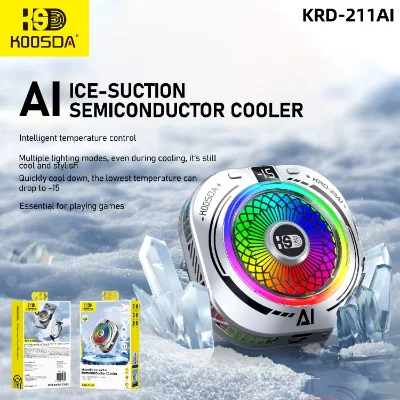
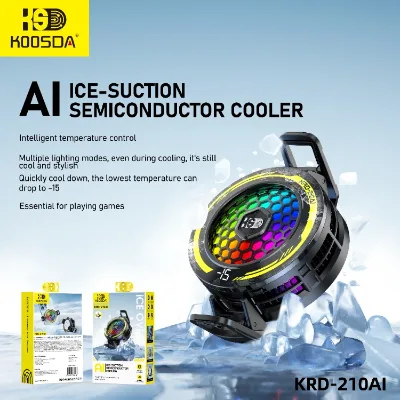
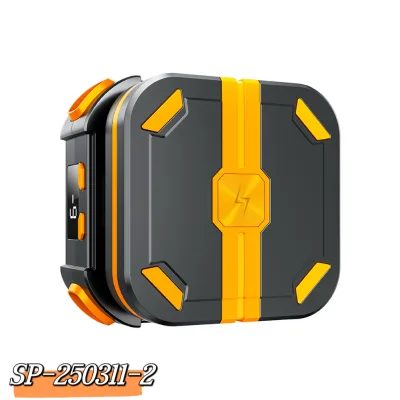


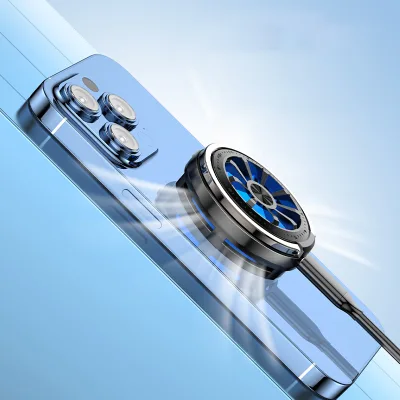


Comprehensive Sourcing Guide
Wireless Semiconductor Phone Cooling Radiator Sourcing Guide
Procuring wireless semiconductor phone cooling radiators requires a careful balance between thermal performance, battery longevity, and ergonomic design. These devices are essential for mobile gamers and professionals who need to maintain optimal device temperatures during intensive tasks. The core technology relies on Peltier effect semiconductor chips that actively transfer heat away from the phone’s surface, offering superior cooling compared to passive air-cooling fins. Buyers must understand that "wireless" typically refers to the control interface or aesthetic design, as the cooling unit itself often requires a power source, usually via a Type-C cable, to drive the semiconductor chip.
The market offers a variety of models, ranging from simple ABS plastic housings to more complex units featuring aluminum alloy heat sinks and RGB lighting. Key product attributes include compatibility with both iOS and Android smartphones, ensuring broad market appeal. Buyers should note that while some listings emphasize wireless game controller control modes, the primary function remains thermal management. Understanding the distinction between air-cooling radiators and semiconductor heat sinks is crucial, as the latter provides active refrigeration but may generate condensation if not properly managed. This guide outlines the critical factors for sourcing these devices effectively.
Product Scope and Observed Listing Signals
The observed product range includes models such as SL17, P10, J20, SL01, DL05, AL-11, SL59, X151, SL36, and F31, indicating a diverse portfolio of cooling solutions. Materials vary from pure ABS to combinations of ABS, aluminum alloy, and PC, reflecting different durability and heat dissipation strategies. Color options are predominantly black and white, catering to standard aesthetic preferences in the mobile accessory market. The presence of features like temperature digital displays and RGB lights suggests a focus on user experience and visual appeal, particularly for the gaming demographic. Buyers should verify which specific models offer the desired balance of cooling power and aesthetic customization.
Packaging and logistics data reveal single package sizes ranging from 12x10x5 cm to 28x18x9 cm, with gross weights from 0.200 kg to 1.500 kg. This variance suggests that some listings may bundle accessories or represent larger, more robust units. The origin is consistently listed as China, with Guangdong being a specific manufacturing hub, which is typical for electronics assembly. Buyers must clarify whether the "wireless" claim refers to the absence of a physical tether for control or the lack of a battery in the cooler itself. Understanding the exact power supply mode, often Type-C, is vital for assessing usability and compatibility with various charging setups.
Technical Specifications to Verify
Semiconductor cooling technology relies on the Peltier effect, where an electric current creates a temperature difference between two sides of a chip. Buyers must verify the cooling model, whether it is a standard semiconductor chip or a semi-conductor variant, as this impacts efficiency and heat transfer rates. The material composition is critical; ABS+Aluminum Alloy combinations offer better heat dissipation than pure ABS, which may act as an insulator. Additionally, the presence of air-cooling fins or radiator fans can enhance passive heat removal when the semiconductor is not active. Confirming the exact dimensions, such as 7.15cm lengths or specific footprint sizes, ensures the cooler fits securely on various smartphone models without obstructing ports or buttons.
Power supply requirements are a key technical consideration. Most units utilize Type-C cables for power, which must be compatible with the user’s charging infrastructure. Buyers should check if the device includes a built-in battery or relies entirely on external power, as this affects portability and usage scenarios. Features like temperature digital displays provide real-time feedback, allowing users to monitor cooling effectiveness. The compatibility with both iOS and Android platforms is standard, but buyers should confirm that the mounting mechanism or clip design accommodates different phone thicknesses and camera bump heights. Verifying these specifications prevents compatibility issues and ensures optimal performance.
Compliance and Safety Documentation
Electronics imported from China must comply with relevant safety and electromagnetic compatibility standards in the destination market. Buyers should request documentation for CE, FCC, or RoHS certifications, depending on the target region, to ensure the product meets legal requirements for sale. Semiconductor cooling devices generate heat on one side and cold on the other, so thermal management and electrical safety are paramount. Verify that the Type-C power interface meets USB-IF standards to prevent damage to the host device. Lack of proper certification can lead to customs delays, product recalls, or liability issues, making thorough documentation review a critical step in the sourcing process.
Condensation is a potential risk with semiconductor coolers, as the cold side can drop below the dew point. Buyers should inquire about anti-condensation technology or protective coatings on the cooling surface to prevent moisture damage to the smartphone. Additionally, the durability of the ABS or PC materials under repeated thermal cycling should be assessed. Ensure that the product packaging, often color boxes, provides adequate protection during shipping to prevent damage to the delicate semiconductor chips. Requesting test reports on thermal performance and electrical safety can provide further assurance of product reliability and compliance with industry best practices.
Cost Drivers and Commercial Terms
The price range of $3.1 to $100 USD reflects significant variation in features, materials, and build quality. Basic ABS models with simple semiconductor chips will be at the lower end, while units with aluminum alloy heat sinks, digital displays, and RGB lighting will command higher prices. The MOQ range of 1 to 3000 units offers flexibility for both small retailers and large distributors. Buyers should analyze the cost per unit against the feature set, considering that aluminum components and digital displays add manufacturing complexity and cost. Understanding the breakdown of costs helps in negotiating better terms and selecting the most cost-effective options for specific market segments.
Commercial terms such as lead times and shipping methods are influenced by the product’s weight and packaging dimensions. Heavier units with larger packaging, such as those weighing 1.500 kg, will incur higher shipping costs. Buyers should clarify whether the price includes packaging materials like color boxes and whether accessories like Type-C cables are included. Negotiating volume discounts based on the MOQ is essential for maximizing margins. Additionally, consider the impact of currency fluctuations and import duties on the final landed cost. Clear communication regarding payment terms and delivery schedules ensures a smooth procurement process and avoids unexpected expenses.
Supplier Qualification and Quality Control
Selecting a reliable supplier is crucial for ensuring consistent product quality and timely delivery. Buyers should verify the supplier’s manufacturing capabilities, particularly in Guangdong, China, a hub for electronics production. Request samples to test the cooling performance, build quality, and compatibility with various smartphone models. Assess the supplier’s ability to provide customization options, such as branding or specific color choices, as this can enhance market differentiation. Check for any past issues with product defects or customer complaints to gauge the supplier’s reliability and commitment to quality.
Implementing a robust quality control process is essential to minimize defects and returns. Establish clear acceptance criteria for thermal performance, material durability, and electrical safety. Consider hiring third-party inspection services to conduct pre-shipment inspections, verifying that the products meet the agreed-upon specifications. Monitor the supplier’s production capacity and lead times to ensure they can meet demand fluctuations. Building a strong relationship with the supplier through regular communication and feedback can lead to continuous improvement and better service levels over time.
Long-Term Procurement Checks
The mobile gaming accessory market is dynamic, with evolving consumer preferences and technological advancements. Buyers should regularly review product performance data and customer feedback to identify areas for improvement. Stay informed about new semiconductor technologies and cooling designs that may offer better efficiency or user experience. Consider the lifecycle of the product and plan for updates or replacements as technology advances. Maintaining a diverse supplier base can mitigate risks associated with supply chain disruptions or quality issues with a single vendor.
Long-term success depends on adapting to market trends and maintaining high standards of quality and service. Monitor competitor offerings and pricing strategies to remain competitive. Invest in marketing and customer education to highlight the benefits of semiconductor cooling technology. Build a reputation for reliability and customer satisfaction to foster brand loyalty. Regularly audit supplier performance and compliance documentation to ensure ongoing adherence to quality and safety standards. By proactively managing these aspects, buyers can sustain a successful and profitable procurement operation in the wireless semiconductor phone cooling radiator market.
FAQs
What cooling technology does the mobile phone radiator use?
The device utilizes semiconductor cooling technology, specifically employing a semi-conductor chip to actively lower the temperature of compatible smartphones. This method provides rapid refrigeration for iOS and Android devices during intensive gaming sessions, ensuring the phone remains cool and performs optimally without relying solely on passive air-cooling fins.
Can the wireless game cooler be customized for branding?
Yes, customization is available for this mobile phone radiator. Buyers can request specific modifications to suit their brand requirements. The product supports wireless control modes and is designed to be portable, making it suitable for various marketing strategies while maintaining its core refrigeration and portable features for end-users.
Which power supply mode is required for the phone cooler?
The mobile phone radiator requires a Type-C cable for power supply. This standard interface ensures compatibility with most modern devices and charging adapters. The wireless game controller control mode allows for flexible usage, while the Type-C connection provides the necessary energy for the semiconductor chip to function effectively during operation.
What materials are used to construct the phone cooling radiator?
The construction primarily uses ABS plastic combined with aluminum alloy for heat dissipation. Some models may also incorporate ABS+PC materials for durability. These materials ensure the device is lightweight yet robust, supporting its portable design while effectively managing heat transfer from the smartphone to the external environment during extended gaming periods.
What is the origin and packaging of this semiconductor heat sink?
This product originates from Guangdong, China, and is packaged in a color box for retail readiness. The single package size varies by model, typically ranging from 12x10x5 cm to larger dimensions for specific variants. The gross weight also varies, ensuring safe transport and easy handling for both distributors and end consumers.