Source Retro Handheld Game Console with 5000 Games For Gaming
Explore 30 options for a Retro Handheld Game Console with 5000 Games, featuring models like the DC40V and X12. Compare specifications such as battery capacity, screen size, and memory to find the ideal device for wholesale distribution, retail resale, or personal gaming collections.
Key considerations
Products List


Hot Selling Portable X12 5.1 Inch Handheld Game Console with Classic Retro Games
$16.10 - $19.60
MOQ: 10 Pieces


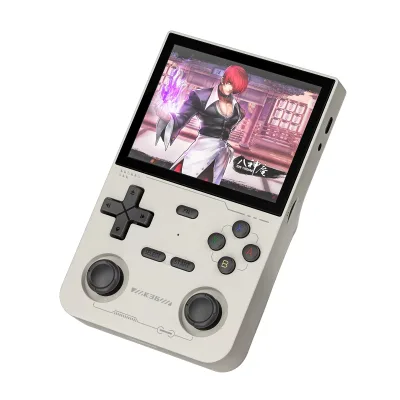

Manufacturer Wholesale R46h Retro Handheld Console Portable Game Player
$45.00 - $49.90
MOQ: 50 Pieces

2025 R36h Retro Game Console Handheld Video Game Player with Dual System Support
$25.50 - $28.50
MOQ: 50 Pieces


2025 R36h Handheld Retro Game Player Factory Direct Supply Portable Console
$25.50 - $28.50
MOQ: 50 Pieces

OEM R46h Retro Handheld Game Console Portable Video Game Player Supplier
$45.00 - $49.90
MOQ: 50 Pieces

High Quality 4.3-Inch Screen Retro Video Game Player Handheld Game Console
$15.90 - $17.90
MOQ: 100 pieces


Portable Hc8000 7-Inch Large Screen Classic Retro Handheld Game Console
$36.00 - $39.50
MOQ: 100 pieces
Comprehensive Sourcing Guide
Retro Handheld Game Console with 5000 Games Sourcing Guide
Procuring a Retro Handheld Game Console with 5000 Games requires careful navigation of a market where inventory claims vary significantly between listings. Buyers must distinguish between devices advertising specific high counts, such as 15,000 games, and those offering smaller libraries like 1,520 or 400 titles. The core keyword suggests a high-capacity device, yet observed data shows a wide spectrum of pre-loaded content ranging from hundreds to tens of thousands. This discrepancy necessitates rigorous verification of the actual game library before finalizing any purchase order to ensure the product meets the intended volume requirements.
The sourcing strategy should prioritize suppliers who explicitly define their game counts and operating systems, as these factors directly impact user experience and device performance. While some models utilize Linux-based systems to support larger libraries, others rely on proprietary or generic operating systems that may limit compatibility. Buyers should focus on product names and model numbers that align with the desired game volume, such as the DC40V or X12 series, while remaining skeptical of generic listings that lack specific technical details. Clear communication with the supplier regarding the exact number of pre-installed titles is essential to avoid receiving a device with a significantly smaller library than advertised.
Product Scope and Observed Listing Signals
The observed product scope for handheld consoles reveals a diverse range of specifications, including screen sizes from 3.0 inches to 4.3 inches and varying battery capacities. Some units feature 1000mAh batteries, while others offer 4000mAh or 1800mAh options, directly influencing portability and playtime. The physical dimensions also differ, with standard packaging sizes ranging from 14x12x7 cm to 21x15x10 cm. These variations indicate that buyers must carefully select a model that balances screen real estate, battery life, and physical bulk against the specific needs of their target market or end-user.
Listing signals often highlight customization availability and specific game counts, which serve as primary differentiators in a crowded marketplace. Products like the G5 and G9 models are marketed with specific keywords and features, such as being retro handheld consoles with built-in games. However, the exact number of games listed can vary, with some products claiming 15,000 titles while others list 400 or 1,520. Buyers should treat these numbers as observations rather than universal guarantees, verifying the actual content through sample units or detailed supplier documentation before committing to bulk orders.
Technical Specifications to Verify
Technical verification must begin with the screen resolution and display capabilities, as these define the visual fidelity of the gaming experience. Observed data indicates resolutions such as 720x720 pixels and color displays are standard, but the screen size itself varies between 3.0 and 4.3 inches. Buyers should confirm that the resolution matches the intended game library, as lower resolutions may not render older games effectively. Additionally, the material composition, often ABS or ABS+PC, affects durability and should be inspected to ensure the device can withstand regular handling and transport.
Memory capacity and operating system compatibility are critical technical factors that determine the device's ability to store and run the claimed game library. While some models specify 8GB of memory and a Linux operating system, others may rely on different configurations that limit storage or performance. The communication method, such as Wi-Fi, may also be a relevant feature for firmware updates or connectivity, though not all units include this capability. Buyers must request detailed technical sheets to confirm that the memory and OS can support the specific number of games advertised, ensuring the device functions as intended without performance bottlenecks.
Compliance and Safety Documentation
Compliance and safety documentation are paramount when importing electronic devices, particularly those containing batteries and complex circuitry. While specific certification statuses like CE are noted in background data, buyers must verify that each unit carries valid certifications for the target market, such as FCC for the United States or RoHS for the European Union. The presence of a battery, whether 1000mAh or 4000mAh, requires adherence to strict shipping and safety regulations to prevent hazards during transit. Ensuring that the supplier provides up-to-date test reports and compliance certificates is essential to avoid customs delays or legal liabilities.
Safety standards also extend to the physical construction of the device, including the materials used and the packaging integrity. Products are typically packed in boxes or color boxes, with dimensions standardized around 16x11x6 cm or similar sizes. Buyers should verify that the packaging meets international shipping standards to prevent damage during logistics. Furthermore, the product standards, such as the 19x15x8 cm or 20x13x10 cm specifications, should be cross-referenced with local safety regulations to ensure the device meets all necessary physical and electrical safety requirements for the intended region.
Cost Drivers and Commercial Terms
Cost drivers for retro handheld consoles are heavily influenced by the complexity of the game library and the hardware specifications. Devices with larger game counts, such as 15,000 titles, often command higher prices due to the licensing or storage costs involved. The battery capacity and screen size also contribute to the final cost, with larger batteries and higher-resolution displays increasing the unit price. Buyers should analyze the price range observed, which spans from $1.15 to $61.8, to understand how these factors impact the overall budget and determine the most cost-effective model for their specific needs.
Commercial terms, including Minimum Order Quantity (MOQ) and lead times, vary significantly across suppliers and product models. Observed MOQs range from 1 to 1200 units, offering flexibility for small buyers while requiring larger commitments for bulk procurement. The lead time and production capacity of the supplier will also affect the total cost and delivery schedule. Buyers should negotiate terms that align with their inventory strategy, considering the potential for customization and the specific model numbers required. Clear agreements on payment terms and shipping responsibilities are crucial to managing costs effectively and ensuring timely delivery.
Supplier Qualification and Quality Control
Supplier qualification involves assessing the manufacturer's ability to consistently deliver products that meet the specified technical and compliance requirements. Buyers should verify the supplier's location, such as Guangdong, China, and their experience in producing handheld game consoles. The presence of specific model numbers like 2408-K3 or 2511-K3 indicates a structured production line, but buyers must ensure the supplier has the capacity to maintain quality control across large batches. Requesting references or case studies from previous clients can provide insight into the supplier's reliability and performance history.
Quality control measures must be rigorous to ensure that every unit meets the advertised specifications, including game counts and battery life. Buyers should implement a pre-shipment inspection process to verify the physical condition of the devices, the accuracy of the game library, and the functionality of the screen and buttons. The use of standardized packaging, such as retail packages or color boxes, should be confirmed to ensure consistency. Establishing a clear quality assurance protocol with the supplier, including acceptance criteria and rejection procedures, is essential to mitigate the risk of receiving substandard products.
Long-Term Procurement Checks
Long-term procurement checks focus on the sustainability of the supply chain and the ongoing support provided by the supplier. Buyers should establish a relationship that includes regular communication and updates on product availability, ensuring that the supplier can meet future demand without interruption. The ability to customize products, such as adding specific branding or adjusting game libraries, is a key factor in maintaining a competitive edge. Regular audits of the supplier's production processes and quality control measures help ensure that the product quality remains consistent over time.
Monitoring market trends and consumer feedback is essential for adapting the procurement strategy to changing demands. Buyers should track the performance of different models, such as the G5 or X12, to identify which features are most valued by end-users. This data can inform future purchasing decisions, allowing buyers to adjust their inventory mix based on actual market performance. Additionally, staying informed about regulatory changes and new safety standards ensures that the product line remains compliant and competitive in the long term, securing the supplier's position as a reliable partner.
FAQs
What is the screen resolution of the DC40V handheld console?
The DC40V handheld console features a screen resolution of 720x720 pixels. This display specification ensures clear visuals for the built-in 15000 games. The device also includes a 4.3-inch screen size and a 4000mAh battery for extended play sessions. It runs on a Linux operating system and is manufactured in Guangdong, China.
Which model offers the highest number of built-in games?
The DC40V model offers the highest number of built-in games, totaling 15000 titles. In comparison, the 2408-K3 model includes 1520 games, while the 400in1 variant contains only 400 games. All these handheld consoles are designed for retro gaming experiences and are available with customization options for bulk buyers seeking specific game libraries.
Can buyers customize the packaging for these handheld game consoles?
Yes, customization is available for these handheld game consoles. Buyers can choose from various packaging options, including standard boxes, color boxes, retail packages, or OPP bags. The product attributes indicate that customization services are offered to meet specific branding or logistical requirements for different market segments and distribution channels.
What is the battery capacity of the X12 handheld console?
The X12 handheld console is equipped with an 1800mAh battery. This power source supports its operation as a retro game console with Wi-Fi communication capabilities. The device is constructed from ABS material and features a 3.0-inch screen. It is designed for portable gaming and is produced in China with a standard packing size of 20x13x10 cm.
What materials are used to construct the G5 handheld console?
The G5 handheld console is constructed from a combination of ABS and PC materials. This durable build supports its function as a retro handheld game console. The device features a 3.0-inch screen and is packaged in a color box. Its compact dimensions of 14x12x7 cm make it suitable for portable gaming applications in the global market.