Source Wireless Cute Silicone Mini Keyboard for Laptop, Desktop, Tablet
Compare 30 listings of the Wireless Cute Silicone Mini Keyboard from verified Chinese manufacturers. Buyers can evaluate silicone rubber keys, IP65 to IP68 sealing, and customizable layouts for household, laptop, and desktop applications; compare the available evidence and request quotations based on your requirements.
Key considerations
Products List


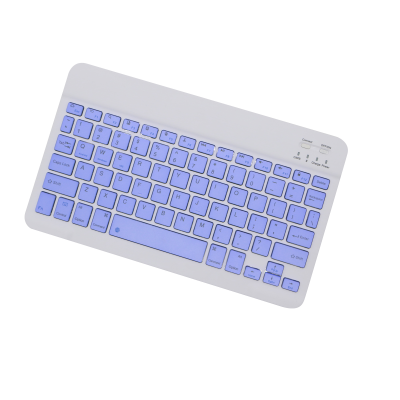


Gift Mini Folding Wireless Bluetooth Keyboard for Notebook iPad Phone Computer
$14.00 - $14.50
MOQ: 1000 Pieces


Three-Folding Portable Wireless Plastic Keyboard for iPad, Smartphone, Laptop
$11.64 - $12.14
MOQ: 1000 Pieces



Comprehensive Sourcing Guide
Wireless Cute Silicone Mini Keyboard Sourcing Guide
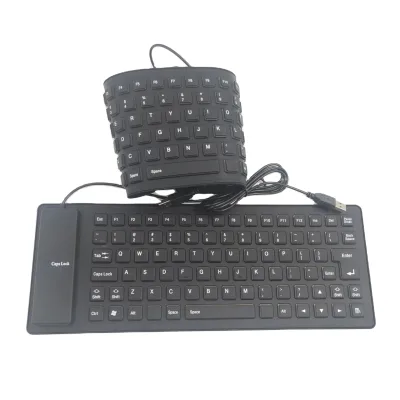
Sourcing a Wireless Cute Silicone Mini Keyboard requires balancing aesthetic appeal with functional reliability for modern digital environments. These devices are primarily designed for household use, offering a compact form factor that suits laptops, desktops, and tablet PCs. The silicone construction provides durability and a unique tactile experience, making them suitable for users seeking both style and resilience. Buyers must verify the specific connectivity type, as listings may indicate wireless Bluetooth capabilities or wired USB interfaces, which significantly impact device compatibility and user convenience.
The market offers various customization options, including logo printing and color choices such as black, pink, and red. This flexibility allows businesses to create branded merchandise or tailored solutions for specific niches. However, the term "mini" can be ambiguous, so verifying the exact key count and physical dimensions is crucial. Some models feature 79, 87, or 108 keys, while others may have different layouts. Understanding these variations ensures that the selected keyboard meets the ergonomic and functional requirements of the end-user, preventing mismatches between marketing claims and actual product specifications.
Product Scope and Observed Listing Signals
The observed product range includes models like the AA11 and SKB series, highlighting a diverse array of configurations available from suppliers in Guangdong, China. Listings often emphasize features such as IP65, IP67, or IP68 sealing protection, indicating varying levels of resistance to dust and water ingress. Buyers should carefully cross-reference these claims with the specific model number, as protection ratings can differ significantly between units. The presence of "custom language words" and "cute" design elements suggests a focus on aesthetic customization, which is a key selling point for gift markets or personalized tech accessories.
Packaging details also provide insight into the product's intended market segment. Items are frequently described as coming in box packages or neutral packing cartons, with single gross weights around 1.500 kg. This weight suggests a substantial build, potentially due to the silicone material and internal components. The single package size of 25x30x20 cm is another critical metric for logistics planning. Buyers must confirm whether these dimensions apply to the retail box or the shipping carton, as this distinction affects storage requirements and shipping costs. Accurate interpretation of these signals prevents unexpected logistical challenges upon delivery.
Technical Specifications to Verify
Verifying the physical dimensions and key layout is essential to ensure the keyboard fits the intended use case. Standard dimensions observed include 240 x 132 x 10mm and 375 x 135 x 13mm, while other models measure 298 x 213 x 11mm. These variations indicate that "mini" is not a standardized term in this category. Buyers must confirm the exact length, width, and height to ensure compatibility with existing desk setups or carrying cases. Additionally, the key count ranges from 79 to 108 keys, which directly impacts typing efficiency and portability. A lower key count may sacrifice functionality for size, so this trade-off must be evaluated based on user needs.
Connectivity and working principles are another critical area for verification. While some listings highlight Bluetooth wireless technology, others specify wired USB interfaces. The working principle is typically membrane-based, which offers a quiet typing experience but may differ in feel from mechanical keyboards. Buyers should confirm the interface type and protocol to ensure compatibility with their target devices, such as laptops, desktops, or tablets. Furthermore, the material of the keys is specified as silicone rubber, which contributes to the device's durability and water resistance. Confirming these technical details prevents compatibility issues and ensures the product meets performance expectations.
Compliance and Safety Documentation
Compliance with international standards is vital for importing electronic peripherals into various markets. Listings often mention certifications such as CE, FCC, and RoHS, which indicate adherence to safety, electromagnetic compatibility, and hazardous substance restrictions. Buyers must request valid certification documents for the specific model being purchased, as these credentials are not automatically applicable to all variants from the same supplier. The presence of these certifications facilitates smoother customs clearance and market entry, particularly in regions with strict regulatory requirements. Verifying the authenticity and scope of these certificates protects against potential legal and financial risks.
In addition to certifications, understanding the product's origin and manufacturing standards is important for quality assurance. The products originate from Shenzhen, Guangdong, China, a hub for electronics manufacturing. Buyers should inquire about the quality management systems in place at the factory, such as ISO standards, to ensure consistent production quality. While specific standards like 240 x 132 x 10mm are listed, broader manufacturing standards should be confirmed. This due diligence helps establish a reliable supply chain and ensures that the products meet the safety and environmental expectations of the end consumers.
Cost Drivers and Commercial Terms
Several factors influence the cost of wireless cute silicone mini keyboards, including customization levels and order volume. The minimum order quantity (MOQ) is often set at 50 sets, but can range up to 3000 units depending on the supplier and customization requirements. Higher customization, such as unique logos or specific color schemes, may incur additional setup fees or higher per-unit costs. Buyers should negotiate clearly on pricing tiers based on volume to optimize their procurement budget. Understanding the cost structure helps in forecasting total landed costs, including shipping and duties, which are significant for international trade.
Payment terms and lead times are also critical commercial considerations. Suppliers may offer flexible payment options, but buyers should establish clear terms to mitigate financial risk. Lead times can vary based on the complexity of the order and current production capacity. It is advisable to confirm the production schedule and delivery timeline before finalizing the purchase agreement. Additionally, the selling unit is typically a single item, which simplifies inventory management but requires careful calculation of total units needed. Clear communication on these commercial terms ensures a smooth transaction and timely delivery of goods.
Supplier Qualification and Quality Control
Selecting a qualified supplier is crucial for ensuring product quality and reliability. Buyers should verify the supplier's business license, manufacturing capabilities, and past performance in exporting similar products. Requesting samples is a recommended step to evaluate the build quality, key feel, and wireless connectivity stability. The silicone material should be durable and resistant to wear, while the wireless function should maintain a stable connection. Assessing these aspects through physical samples helps identify potential issues before committing to a large order. This proactive approach reduces the risk of receiving substandard products.
Quality control processes should be clearly defined and agreed upon with the supplier. Buyers should inquire about the inspection procedures conducted during production and before shipment. Establishing acceptance criteria for defects, such as key responsiveness or casing integrity, is essential. Third-party inspection services can be employed to verify product quality independently. Additionally, understanding the supplier's after-sales support and warranty policies is important for addressing any post-delivery issues. A robust quality control framework ensures that the purchased keyboards meet the specified standards and perform reliably in the market.
Long-Term Procurement Checks
Establishing long-term procurement relationships requires ongoing monitoring of supplier performance and product consistency. Regular audits of the supplier's quality management systems and production facilities can help maintain high standards. Buyers should track key performance indicators such as on-time delivery rates, defect rates, and responsiveness to issues. Continuous feedback loops with the supplier facilitate improvements and address any emerging challenges promptly. This collaborative approach fosters a stable supply chain and ensures that the products remain competitive in the market.
Market trends and technological advancements should also be considered for future procurement decisions. As wireless technology evolves, newer models may offer improved connectivity or battery life. Buyers should stay informed about industry developments to make informed purchasing decisions. Additionally, evaluating the sustainability of the silicone material and packaging can align with corporate social responsibility goals. By maintaining a strategic approach to procurement, businesses can secure a reliable supply of high-quality wireless cute silicone mini keyboards that meet evolving customer demands.
FAQs
What materials are used for the keys?
The keys are made from silicone rubber to ensure durability and a soft touch. This material provides excellent sealing protection against dust and water, meeting IP65 to IP68 standards for various household and office environments.
Can I customize the logo on the keyboard?
Yes, customized logos are available for this Wireless Cute Silicone Mini Keyboard. Buyers can request specific branding to match their corporate identity or product line while maintaining the standard square shape and silicone construction.
What certifications does the product hold?
The product holds CE, FCC, and RoHS certifications to ensure safety and compliance. These standards verify that the wireless keyboard meets international requirements for electromagnetic compatibility and restriction of hazardous substances in electronic goods.
How many keys does the keyboard have?
The keyboard features key counts ranging from 79 to 108 depending on the specific model selected. Options include 79 keys for compact layouts and 108 keys for standard full-size configurations suitable for laptops and desktops.
What is the minimum order quantity required?
The minimum order quantity is 50 sets for this silicone keyboard product. Buyers can order single items or larger batches up to 3000 units, with packaging provided in neutral cartons or custom boxes as needed.
Where is the product manufactured?
The product originates from Guangdong, China, specifically Shenzhen. This location supports efficient manufacturing and logistics for wireless silicone keyboards intended for global distribution to household and office markets.
Is the keyboard wireless or wired?
The keyboard is available in both wireless and wired configurations to suit different user needs. Wireless models utilize Bluetooth technology, while wired options connect via USB interfaces for stable data transmission.