Source Wireless Drone Defense Security Suitcase for detection, shielding, and interception
Find 30 Wireless Drone Defense Security Suitcase options from verified Chinese manufacturers. Compare specifications for detection, shielding, and interception applications to select the right equipment for your security needs.
Key considerations
Products List


Portable Suitcase Signal Uav for Drones Intercept System Radio Frequency Drone Detection Devices
$17500.00 - $20200.00
MOQ: 1 Pieces

Portable Suitcase 2.4G 5.8g Uav Fpv Jammer Signaling Equipment Defense System Customizable
$15000.00 - $17100.00
MOQ: 1 Pieces


Portable Suitcase Type 2.4G 5.8g 1.4G 5.2g 900m Uav Signaling Equipment Defense System Customizable
$15000.00 - $17100.00
MOQ: 1 Pieces


Aeronautic Defense Portable Uav Detection Jamming Integrated Trolley Case
$1.00 - $50000.00
MOQ: 1 Pieces


Anti Drone Portable Omnidirectional Detection and Jamming Trolley Case
$1.00 - $50000.00
MOQ: 1 Pieces


Comprehensive Sourcing Guide
Strategic Sourcing Guide for Wireless Drone Defense Security Suitcases
The global landscape of aerial security has necessitated a robust evolution in counter-UAV (C-UAS) technologies, moving from stationary installations to highly mobile, suitcase-form-factor solutions. For procurement professionals in government, military, and critical infrastructure sectors, the search for a "Wireless Drone Defense Security Suitcase" represents a complex challenge that balances portability, power, and regulatory compliance. This guide provides a disciplined approach to sourcing these specialized assets, ensuring that buyers can navigate the technical specifications, certification requirements, and supply chain realities without relying on unverified claims. The focus remains on evidence-based evaluation of products that integrate jamming, shielding, and detection capabilities into a single, transportable unit.
Technical Architecture and Functional Specifications
When evaluating a Wireless Drone Defense Security Suitcase, the primary distinction lies in the underlying technology: jamming versus detection. While many market listings conflate these functions, a rigorous procurement strategy requires separating them. Jamming modules, often described as "shielding" or "blocking" devices, operate by emitting electromagnetic signals to disrupt the communication link between a drone and its operator. In contrast, detection systems utilize passive or active sensors to identify the presence of unauthorized aerial vehicles.
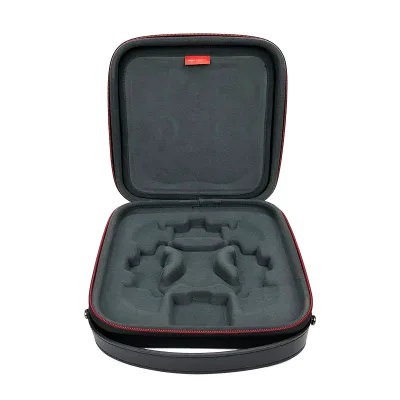
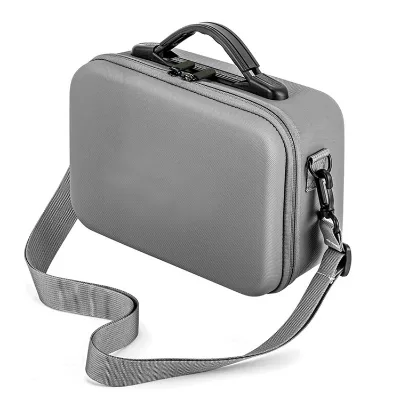
The supplied product data indicates a specific operational profile for certain defense modules. These units frequently utilize a "Wireless" transmission mode and operate on an "Electromagnetic" working principle. Crucially, some advanced configurations are noted to function in a "Passive" working mode, which implies a capability to detect signals without emitting them, thereby reducing the risk of the device itself being detected by hostile forces. The physical dimensions of these systems vary significantly; while standard carrying cases may measure approximately 45x33x23 cm, specific jamming modules have been observed with compact form factors such as 135x62x38 mm, designed to be integrated into larger suitcase assemblies.
Power output is another critical technical variable. High-performance units often incorporate "GaN RF" (Gallium Nitride Radio Frequency) technology, which offers superior efficiency and power density compared to traditional silicon-based amplifiers. This allows for a more compact suitcase design while maintaining effective range. Buyers must verify the specific "Alarm Volume" capabilities if the unit includes a local alert system, with some observed specifications requiring an output of at least 100dB within a 1-meter radius. Furthermore, the "Working Mode" must be clearly defined; whether the system is designed for "Outdoor" deployment or requires a controlled environment will dictate the ruggedization requirements of the suitcase casing.
Compliance, Certification, and Regulatory Verification
The procurement of wireless defense equipment is heavily constrained by international and local telecommunications regulations. Unlike commercial electronics, jamming devices often operate in restricted frequency bands. Therefore, verifying the certification status of a potential supplier is not merely a quality check but a legal necessity. The supplied data highlights "ISO9001" and "REACH" as observed certifications for related protective gear, and "ISO" for specific defense modules. While these indicate a commitment to quality management and chemical safety, they do not automatically grant permission to operate radio frequency jamming equipment in a specific jurisdiction.
Buyers must demand explicit documentation regarding radio frequency compliance. In many regions, the mere possession of a jamming device without a specific license is illegal. The "Certificate" field in product listings should be scrutinized to ensure it covers the specific frequency bands the device intends to block (e.g., GPS, WiFi, 4G/5G). The presence of "ISO" certification suggests a standardized manufacturing process, but it does not equate to a license to operate. Procurement teams must verify if the supplier holds local regulatory approvals for the specific application, such as "Drone Detection Handheld" or "Vehicle Bomb Jammer" usage, as these terms imply specific operational contexts that may require distinct legal clearances.
Additionally, the "Packaging Details" and "Material" composition play a role in compliance. Devices constructed from "600D PVC Nylon" or containing "EVA" foam for shock absorption must meet environmental standards for disposal and chemical content. The "REACH" certification mentioned in the data suggests compliance with European Union regulations on chemicals, which is a positive indicator for international buyers. However, buyers should not assume that a product with a "Certificate: ISO9001" is automatically compliant with local radio spectrum laws. The verification process must include a request for the specific test reports from accredited laboratories that confirm the device's emission levels and frequency accuracy.
Cost Drivers and Total Cost of Ownership
The price range for wireless drone defense suitcases is exceptionally wide, observed in market data to span from $1 to $200,000. This variance is driven by several key factors, including the sophistication of the RF technology, the range of the jamming capability, and the ruggedization of the carrying case. A basic detection module may fall at the lower end of this spectrum, while a comprehensive vehicle-mounted or high-power portable jamming system with GaN amplifiers will command a premium price.
Beyond the initial unit cost, buyers must consider the Minimum Order Quantity (MOQ) and the associated logistics. The observed MOQ range of 1 to 2000 units suggests that while some suppliers offer single-item sales for testing or pilot programs, bulk procurement is often required to achieve favorable pricing or to access specific customization options. The "Selling Units" being listed as "Single item" for some products indicates flexibility for small-scale deployments, but buyers should be aware that lead times and unit costs may fluctuate significantly based on volume.
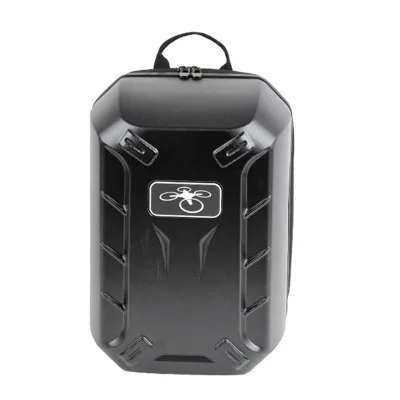
The "Single gross weight" of 2.500 kg for a standard backpack case is a critical logistical factor. For mobile security teams, the weight of the suitcase directly impacts the operational endurance of the personnel carrying it. Heavier units may require additional support equipment or vehicle transport, increasing the total cost of ownership. Furthermore, the "Packaging Details" involving "PP+Cartons" or "Kraft Carton" must be evaluated for durability during international shipping. If the product is destined for a remote location, the cost of specialized packaging or the risk of damage during transit must be factored into the budget. Customization, noted as "Available" in the data, will also add to the cost, particularly if the buyer requires specific branding, frequency tuning, or integration with existing security infrastructure.
Typical Applications and Operational Scenarios
The versatility of wireless drone defense suitcases allows for deployment across a diverse range of high-security scenarios. The supplied product data lists applications ranging from "Drone Detection Handheld" to "Anti-Drone System, Uav Drones Jammer" and "Vehicle Bomb Jammer." This indicates that the technology is not monolithic but is adapted for specific threat profiles.
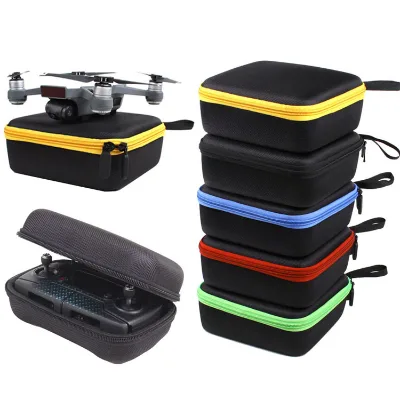
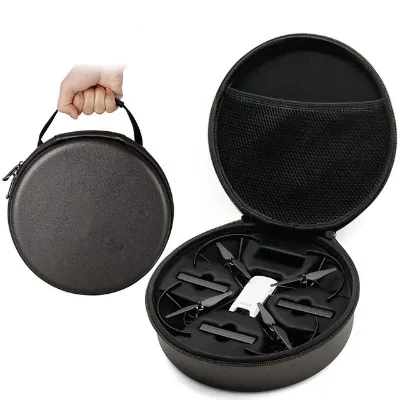
In the context of "Outdoor" operations, such as protecting critical infrastructure like airports, power plants, or government buildings, the suitcase form factor provides a mobile barrier against unauthorized surveillance or attack drones. The ability to quickly deploy a jamming module allows security teams to create a temporary "no-fly zone" without the need for permanent infrastructure. The "Drone Carry Backpack Bag" mentioned in the data, with a capacity for "Phantom 3 / 4 Drone," suggests a dual-use scenario where the same equipment might be used to transport friendly drones or to deploy defensive countermeasures.
For law enforcement and military applications, the "Wireless Alarm" and "Signal Transmission" features are vital. A system that can detect a drone and immediately trigger a high-decibel alarm or transmit a signal to a command center provides a layered defense strategy. The "PA Power Amplifier Blocking" capability implies that these systems can also disrupt public address systems used by hostile actors, adding a psychological deterrent to the technical disruption. Buyers must align the specific application requirements with the technical specifications, ensuring that the "Working Principle" of the device matches the intended threat environment. For instance, a passive detection system is preferable for covert operations, while an active jamming module is necessary for immediate neutralization of a threat.
Supplier Evaluation and Customization Capabilities
Selecting a supplier for wireless defense equipment requires a rigorous vetting process that goes beyond standard commercial criteria. The "OEM&ODM: YES" attribute observed in the data indicates that many manufacturers are willing to customize their products, which is a significant advantage for buyers with unique operational requirements. However, customization introduces complexity regarding quality control and lead times.
Buyers should prioritize suppliers who can demonstrate a clear supply chain for critical components, such as GaN RF modules and high-capacity batteries. The "place of origin" being "Hebei, China" for certain products and "China" generally for others highlights the concentration of manufacturing in specific regions. While this can offer cost advantages, it also necessitates a thorough review of the supplier's export compliance and their ability to navigate international trade restrictions.
The "Customization: Available" flag suggests that buyers can request specific modifications, such as changing the "Color" from standard black to camouflage or altering the "Single package size" to fit specific vehicle compartments. However, buyers must verify that these customizations do not compromise the device's performance or certification status. A supplier that offers "OEM&ODM" services should also provide a clear timeline for prototyping and testing. The "Model Number" variations, such as "DB-06" or "H1C," indicate a modular approach to manufacturing, but buyers must ensure that the specific model selected meets the exact technical requirements of their mission.
Quality Control and Long-Term Procurement Strategy
Ensuring the reliability of wireless drone defense suitcases is paramount, as failure in the field can have severe consequences. Quality control should begin with the raw materials. The use of "600D PVC Nylon" and "EVA" foam suggests a focus on durability and shock absorption, but buyers must verify that these materials meet specific environmental and thermal standards for the intended deployment zone. The "Single gross weight" of 2.500 kg for a backpack case must be consistent across all units in a batch to ensure operational predictability.
Long-term procurement considerations include the availability of spare parts, firmware updates, and technical support. The "Transmission Mode" being "Wireless" implies that the device relies on software and signal processing, which may require periodic updates to counter evolving drone technologies. Buyers should negotiate service level agreements (SLAs) that include regular maintenance checks and software patches. The "Certification" status, such as "ISO9001," should be maintained throughout the product lifecycle, with suppliers providing evidence of continued compliance.
Furthermore, the "Packaging Details" and "Product Name" variations suggest a complex product ecosystem. Buyers must establish a clear inventory management system to track different models, such as the "Fpv Uav Drone Interceptor Module" versus the "Anti Drone Module Defence System." This distinction is crucial for training and operational planning. Finally, buyers should consider the "Lead Time" and "MOQ" constraints when planning procurement cycles. A flexible supplier who can accommodate both single-item orders and bulk purchases will be better positioned to support both immediate operational needs and long-term strategic stockpiling. By adhering to these disciplined sourcing practices, buyers can secure effective wireless drone defense solutions that meet the highest standards of security and reliability.
FAQs
What certifications do wireless drone defense suitcases typically have?
Products often carry ISO9001 and REACH certifications for quality and chemical safety. Some modules also list ISO certification, but these do not automatically grant radio frequency operation licenses in all jurisdictions.
How does the working principle of these defense modules function?
The devices operate on an electromagnetic working principle using wireless transmission modes. Some advanced configurations function in a passive mode to detect signals without emitting them, reducing the risk of detection by hostile forces.
Which capacity specifications are available for drone carrying cases?
Specific backpack cases are designed with a capacity for Phantom 3 and Phantom 4 drones. Standard dimensions for these carrying cases are approximately 45 by 33 by 23 centimeters with a gross weight of 2.5 kilograms.
Can buyers customize the product specifications and packaging details?
Customization is available for branding, frequency tuning, and integration with existing security infrastructure. Packaging details may vary, with options including PP plus cartons or kraft cartons depending on the specific supplier and order volume.
What is the minimum order quantity for sourcing these defense units?
The observed minimum order quantity ranges from one to two thousand units depending on the supplier. Some listings allow single item sales for testing, while bulk procurement is often required to access specific customization options.
Where are the manufacturers of these wireless defense suitcases located?
Manufacturing origins are primarily located in Hebei, China, with some general listings citing China as the place of origin. Buyers must verify export compliance and trade restrictions associated with these specific geographic regions.