Source Wireless Kids Microphone for Karaoke, Gaming, and Teaching
Find 30 Wireless Kids Microphone options tailored for portable audio, classroom use, and entertainment. Compare UHF wireless models with noise cancelling features, various connector types, and omni-directional patterns to suit your specific sourcing needs.
Key considerations
Products List
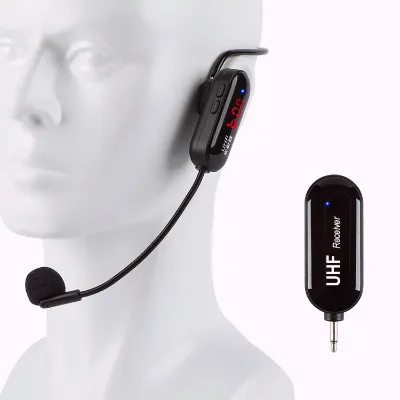
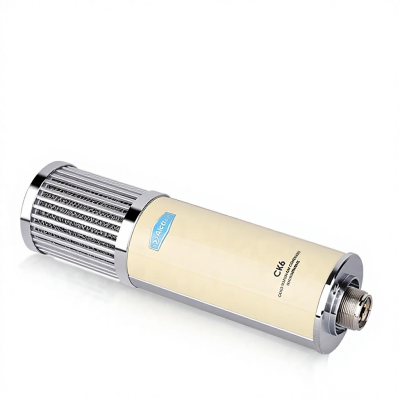


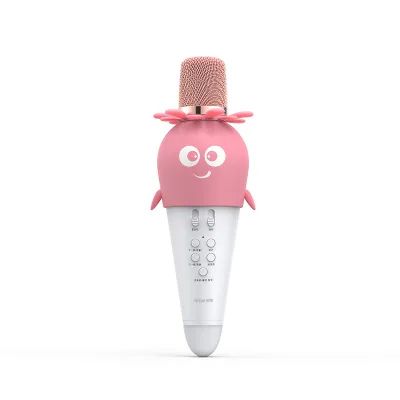
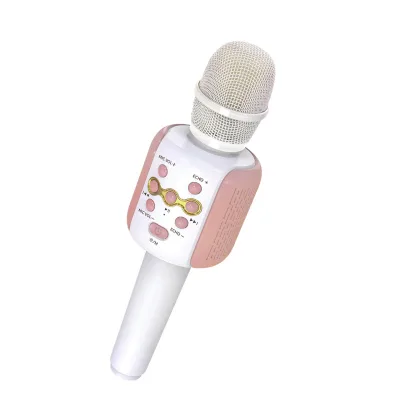
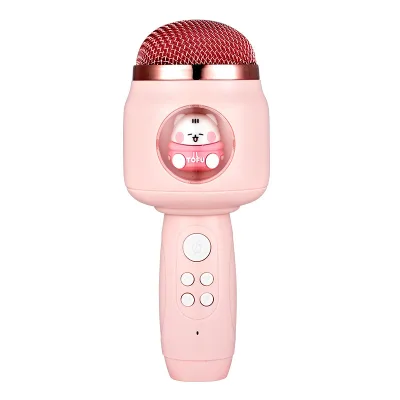
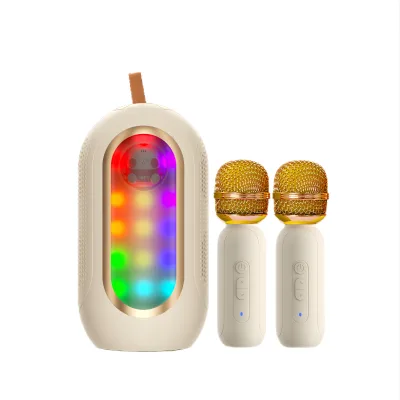


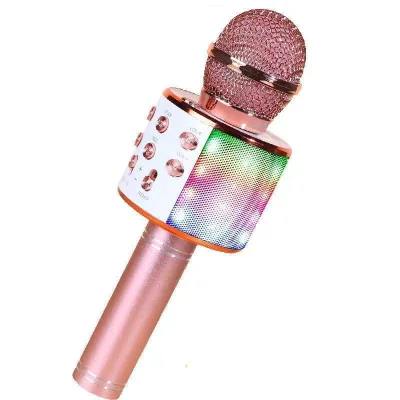
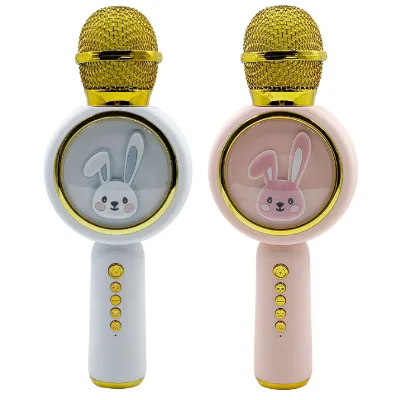
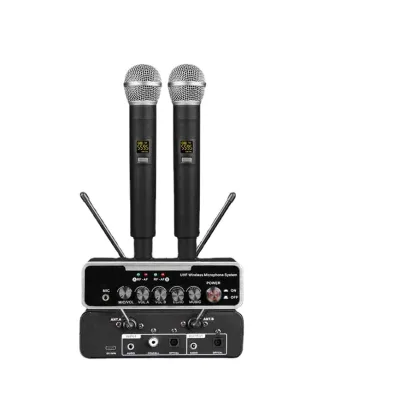
Professional Hot Selling 2-Channel Wireless Microphone System Dynamic Microphones
$41.80 - $48.00
MOQ: 2 pieces
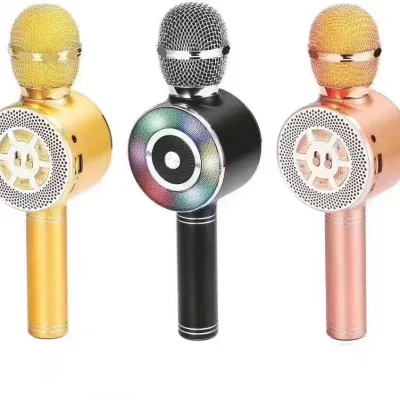
Hot Selling WS669 Wireless Microphone Portable Phone Mic Stable Connection
$3.05 - $3.59
MOQ: 2 pieces


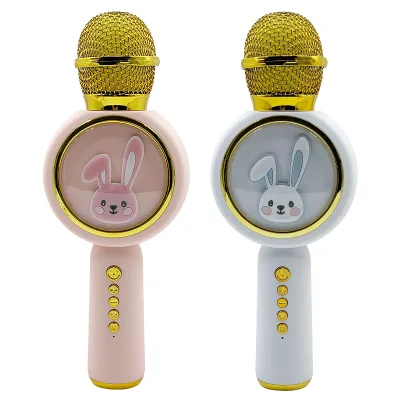

Comprehensive Sourcing Guide
Wireless Kids Microphone Sourcing Guide
Sourcing wireless microphones for children requires a careful balance of durability, safety, and audio performance. The market offers a wide variety of options, ranging from simple handheld units to more complex headset systems, each designed to meet specific use cases such as karaoke, classroom presentations, or gaming. Buyers must navigate a landscape where product attributes vary significantly between suppliers, making it essential to verify technical specifications and material compositions before placing orders. This guide provides a structured approach to evaluating these products, ensuring that procurement decisions are based on verified data rather than marketing claims.
The primary challenge in this category is distinguishing between general-purpose wireless microphones and those specifically engineered for younger users. While many listings use broad keywords like "kids" or "gaming," the actual construction, weight, and safety features may differ substantially. Procurement teams need to focus on tangible attributes such as input voltage, connector types, and physical dimensions to ensure the product fits the intended application. By adhering to a disciplined verification process, buyers can mitigate risks associated with incompatible accessories, poor audio quality, or non-compliant materials.
Product Scope and Observed Listing Signals
The observed product landscape for wireless microphones includes a diverse range of styles, from handheld and gooseneck designs to headset and lavalier configurations. Listings frequently highlight features such as noise cancellation and UHF wireless technology, which are critical for maintaining clear audio in noisy environments like classrooms or performance stages. The frequency range for these devices typically spans 600 to 900 MHz, providing a broad spectrum for stable transmission. Buyers should note that while many products claim to be suitable for children, the actual design elements, such as size and weight, must be cross-referenced with the specific needs of the end-user.
Material composition is another key area of variation, with products often constructed from metal, plastic, or ABS materials. The choice of material impacts both the durability and the perceived quality of the microphone. For instance, ABS plastic may offer a lighter weight suitable for small hands, while metal components might provide greater longevity for frequent use. Additionally, the connector types available, including USB-A, XLR, 3.5mm headphone plugs, and Micro USB, dictate the compatibility of the microphone with various audio systems. Procurement teams must ensure that the selected model supports the existing infrastructure of their target environment, whether it be a smart phone, a computer, or a professional sound system.
Technical Specifications to Verify
Audio performance metrics are paramount when selecting a wireless microphone for any application, but especially for children who may be using the device for the first time. Key specifications to verify include the sensitivity, which is often listed around 43dBm±2, and the signal-to-noise ratio, which can reach up to 90 dB. These figures indicate how effectively the microphone captures sound while minimizing background interference. The frequency response rate, typically spanning 20 Hz to 20 kHz, ensures that the audio quality remains clear across a wide range of pitches, which is essential for capturing both speech and singing accurately.
Physical and electrical specifications also play a crucial role in the usability of the device. The maximum sound pressure level (SPL) of 95 dB indicates the volume threshold the microphone can handle before distortion occurs, which is important for dynamic environments. Input voltage is often listed as "Other," requiring buyers to clarify the specific power requirements with the supplier to ensure compatibility with available power sources. Furthermore, the output impedance, ranging from 50 to 1000Ω, must match the input impedance of the receiving device to ensure optimal signal transfer. Buyers should request detailed datasheets to confirm these electrical parameters, as discrepancies can lead to poor performance or equipment damage.
Compliance and Safety Documentation
Safety is a primary concern when sourcing products for children, and buyers must ensure that all materials and components meet relevant regulatory standards. While some listings may reference certifications such as CE or standards like ASTM F963 and EN71, these claims should be treated as background information rather than guaranteed compliance. Buyers must request actual test reports and certification documents from the supplier to verify that the product has undergone rigorous safety testing. This is particularly important for components that come into direct contact with the user, such as the microphone body and any earpieces in headset models.
In addition to material safety, buyers should verify the electrical safety of the device, especially given the varied input voltage specifications. The presence of a regulator in the product composition suggests that the device manages power internally, but the specifics of this regulation must be confirmed. Buyers should also check for any hazardous substance restrictions, such as RoHS compliance, to ensure that the product does not contain harmful chemicals. By prioritizing verified documentation over marketing claims, procurement teams can protect their organization from liability and ensure the well-being of the end-users.
Cost Drivers and Commercial Terms
The cost of wireless microphones is influenced by several factors, including the complexity of the wireless technology, the quality of materials, and the level of customization available. Products featuring DSP digital wireless technology and noise cancellation functions may command higher prices due to the advanced engineering involved. Additionally, the choice of connector types and the inclusion of accessories can impact the final cost. Buyers should analyze the total cost of ownership, considering not just the unit price but also the potential costs associated with maintenance, replacement parts, and compatibility issues.
Commercial terms such as minimum order quantity (MOQ) and lead times are critical for planning procurement cycles. Observed MOQs range from 1 to 1000 units, offering flexibility for both small-scale trials and large-volume orders. However, buyers should be aware that lower MOQs may come with higher per-unit costs, while larger orders might offer volume discounts but require longer lead times. The place of origin, primarily Guangdong, China, also influences logistics costs and delivery schedules. Buyers should negotiate clear terms regarding shipping, insurance, and payment methods to avoid unexpected expenses and ensure timely delivery.
Supplier Qualification and Quality Control
Evaluating suppliers requires a thorough assessment of their manufacturing capabilities and quality control processes. Buyers should verify the supplier's experience in producing wireless audio equipment and their ability to meet specific technical requirements. The availability of customization options, such as private molds or specific branding, can be a valuable asset for buyers looking to differentiate their products. However, buyers must ensure that any customizations do not compromise the structural integrity or safety of the microphone.
Quality control measures should be clearly defined and agreed upon before production begins. This includes specifications for packaging, such as color boxes or cartons, and the inclusion of necessary accessories. Buyers should also establish clear criteria for acceptance testing, including checks for audio quality, wireless connectivity, and physical durability. Regular audits and sample inspections can help maintain consistent quality across production batches. By building a strong relationship with a qualified supplier, buyers can ensure a steady supply of high-quality products that meet their specific needs.
Long-Term Procurement Checks
Sourcing wireless microphones for children is not a one-time transaction but an ongoing process that requires continuous monitoring and evaluation. Buyers should regularly review product performance in the field, gathering feedback from end-users to identify any issues related to durability, comfort, or audio quality. This feedback loop is essential for making informed decisions about future purchases and for providing valuable insights to suppliers for product improvement.
Additionally, buyers should stay updated on changes in regulatory standards and market trends that may impact the procurement process. This includes monitoring for new safety regulations, emerging wireless technologies, and shifts in consumer preferences. By maintaining a proactive approach to supplier management and product evaluation, buyers can ensure that their organization continues to offer high-quality, safe, and effective wireless microphones for children. This long-term perspective helps to build a resilient supply chain that can adapt to changing market conditions and user needs.
FAQs
What microphone types are available for wireless kids use?
The product offers headset, handheld, gooseneck, and lavalier styles suitable for children. These options include UHF wireless technology and support various applications like singing, gaming, and teaching in classrooms or stage performances.
How does the wireless microphone handle noise cancellation?
The device features a dedicated noise cancelling function to ensure clear audio capture. It operates with a signal-to-noise ratio of 90 dB and supports a frequency response rate from 20 Hz to 20 kHz for high-quality sound.
Which frequency range does the UHF wireless microphone support?
This microphone operates within a frequency range of 600 to 900 MHz. The system utilizes DSP digital wireless technology to maintain stable communication and minimize interference during use in various environments like churches or conferences.
Can the microphone be customized for specific branding needs?
Yes, customization is available for this product line. The items are manufactured with OEM branding capabilities and come in standard packaging like colorboxes or cartons, allowing buyers to tailor the product for their specific market requirements.
What connector types are compatible with this wireless system?
The microphone supports multiple connector types including USB-A, XLR, 3.5mm headphone plugs, and Micro USB. It also features 3.5mm and 6.35mm connectors to ensure compatibility with computers, smartphones, and other audio recording devices.
How long is the warranty period for this wireless microphone?
The product comes with a 3-month warranty period to cover potential defects. This warranty applies to the metal, plastic, and ABS material construction used in the headset and handheld variants designed for portable audio and communication.