Source Wireless IP67 Stainless Steel Endoscope for veterinary, industrial, and medical uses
Compare 30 listings for Wireless IP67 Stainless Steel Endoscope units designed for veterinary, industrial, and medical applications. Buyers can evaluate specifications, certifications, and pricing to find suitable diagnostic tools for gastrointestinal, ear, and animal examinations.
Key considerations
Products List


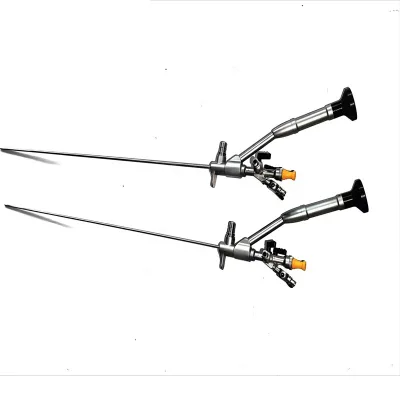
Gastroscope Colonoscope Medical Gastrointestinal Endoscopy System Endoscope Gastroscope Endoscope
$100.00 - $600.00
MOQ: 1 Pieces



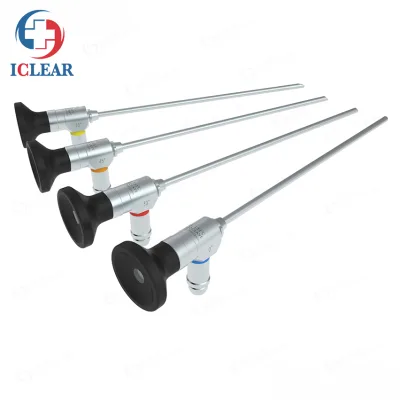
$10.00 - $15.00
MOQ: 100 Pieces


Comprehensive Sourcing Guide
Strategic Sourcing Guide for Wireless IP67 Stainless Steel Endoscopes
Defining Technical Specifications and Material Integrity
When sourcing a Wireless IP67 Stainless Steel Endoscope, the primary focus must be on the convergence of material durability, environmental resistance, and imaging capability. The core keyword implies a device constructed primarily from stainless steel, a material explicitly observed in the available product data as a standard for medical diagnostic instruments. Stainless steel is critical for these applications due to its resistance to corrosion, ability to withstand repeated sterilization cycles, and structural integrity required for insertion into sensitive biological environments. Buyers must verify that the specific model selected utilizes high-grade stainless steel, as the mechanical properties of the tube directly influence the device's lifespan and safety during procedures.
The "IP67" designation indicates a specific level of ingress protection, suggesting the device is dust-tight and capable of withstanding immersion in water up to one meter for a limited duration. While the provided product facts do not explicitly list an IP67 rating for every item, the presence of "Stainless Steel" and "Medical Diagnosis" applications necessitates a rigorous verification of this rating. Procurement teams should request specific test reports confirming the IP rating, as this ensures the device can be safely cleaned with high-pressure water or immersed during specific sterilization protocols without compromising the internal electronics or the wireless transmission module.
Wireless functionality adds a layer of complexity to the technical requirements. Unlike wired endoscopes, wireless models rely on battery life, signal stability, and data transmission protocols. The product data indicates a range of models, such as the "Gt002-270" and "ESS20257308," which feature specific dimensions like a "Diameter 3.0mm" or "Diameter 4.0mm" lens outer diameter. For a wireless stainless steel unit, the internal space for the battery and transmitter is limited by these diameters. Buyers must ensure that the wireless transmission does not compromise the image quality, which the data describes as "High Definition Imaging." The balance between the compact form factor required for the "Single-Lumen Tubing" and the power requirements of a wireless system is a critical technical specification to validate before purchase.
Compliance and Certification Verification
Navigating the regulatory landscape is paramount when importing medical diagnostic equipment. The supplied product facts highlight several critical certifications and standards that serve as benchmarks for quality and safety. Specifically, the data references "CE," "ISO13485," and "FDA" as common standards for products originating from China, including Zhejiang. These are not merely marketing terms but essential compliance markers. ISO13485 is the international standard for quality management systems specific to medical devices, ensuring that the manufacturing process maintains consistent quality. The CE mark indicates conformity with health, safety, and environmental protection standards for products sold within the European Economic Area.
Furthermore, the FDA (Food and Drug Administration) certification is a significant indicator of regulatory compliance for the United States market. The data also mentions "ISOCE" and "ISOMSDS," which suggest adherence to specific international safety and material data standards. When evaluating a Wireless IP67 Stainless Steel Endoscope, buyers must verify that the specific unit they are purchasing carries these certifications. It is crucial to distinguish between the certification of the manufacturing facility and the certification of the specific product model. Some products in the dataset are listed with "Ethylene Oxide Sterilization: Without Ethylene Oxide Sterilization," which implies that the device may require alternative sterilization methods or is intended for single-use scenarios. This distinction directly impacts the regulatory clearance required for the device's intended use.
Buyers should also check for "Universal" standards mentioned in the product data, which may refer to compatibility with various mounting systems or imaging interfaces. However, the absence of a specific standard in the provided text for a particular model should not be assumed as a lack of compliance. Instead, it serves as a prompt for the buyer to request explicit documentation. The "Safety standard: ISO13485" noted in the data reinforces the need for a robust quality management system. Procurement teams must ensure that the supplier can provide valid, up-to-date certificates for the specific batch being ordered, as regulatory requirements can change, and expired certifications can lead to customs delays or market rejection.
Cost Drivers and Pricing Dynamics
The pricing landscape for medical endoscopes is influenced by a complex array of factors, ranging from raw material costs to the sophistication of the wireless technology. The observed price range in the dataset spans from $1 to $2,544.51 USD, illustrating a significant variance based on product classification and feature set. A Wireless IP67 Stainless Steel Endoscope with high-definition imaging and specialized certifications will likely fall toward the higher end of this spectrum. The cost drivers include the grade of stainless steel used, the complexity of the wireless transmission module, and the battery capacity required for extended use.
The Minimum Order Quantity (MOQ) is another critical cost driver, with observed ranges from 1 to 5,000 units. For a specialized device like a wireless endoscope, a low MOQ might be available for prototype or testing purposes, but bulk orders could leverage economies of scale. The data shows packing variations, such as "1 Box 20PCS" or "50 PCS / CTN," which affects the unit cost and logistics expenses. Buyers must calculate the total landed cost, including shipping, duties, and insurance, rather than focusing solely on the unit price. The "Export Carton" and "Gift Color Box with Sponge" packing options indicate different levels of packaging sophistication, which can impact the final price and the perceived value of the product.
Additionally, the customization options listed in the data, such as "Customized" color of the tube or specific model numbers like "KD777-A," can introduce additional costs. Customization often requires retooling or specific production runs, which may increase the unit price or extend the lead time. Buyers should request a detailed breakdown of costs to understand how much of the price is attributed to the stainless steel material, the wireless technology, and the certification compliance. Understanding these drivers allows for more effective negotiation and budget planning, ensuring that the procurement strategy aligns with the organization's financial constraints while maintaining the necessary quality standards.
Typical Applications and Operational Context
The versatility of wireless IP67 stainless steel endoscopes makes them suitable for a wide range of medical and veterinary applications. The product data explicitly mentions "Gastrointestinal Examination," "Medical Diagnosis," and "Animal Obstetric Appliance," highlighting the dual utility of these devices in human and veterinary medicine. In human healthcare, the high-definition imaging and durable stainless steel construction are ideal for endoscopic procedures where hygiene and precision are paramount. The IP67 rating ensures the device can be cleaned and disinfected effectively between patients, reducing the risk of cross-contamination.
In the veterinary sector, the data references specific models for "Dog," "Sheep," and "Canine" use. These applications often require robust equipment that can withstand the unique challenges of animal handling, such as movement and varying anatomical structures. The "Universal" standard mentioned in the data suggests that some models may be adaptable for multiple species, increasing their value for veterinary clinics that treat a variety of animals. The "Physiological Functions of Diagnosis and Monitoring Equipment" classification further underscores the device's role in real-time monitoring during procedures.
The "Ent Otoscope" and "USB Gastroscope" entries in the data point to specific diagnostic tools that may share similar technological foundations with wireless endoscopes. While the specific wireless IP67 model may not be explicitly named in every entry, the underlying technology of high-definition imaging and stainless steel construction is consistent across these categories. Buyers should consider the specific operational environment when selecting a model. For instance, a device used in a sterile operating room may require different sterilization protocols than one used in a field veterinary setting. The "Hospital" application listed in the data confirms the suitability of these devices for clinical environments, where reliability and performance are critical.
Supplier Evaluation and Quality Assurance
Evaluating suppliers for medical devices requires a meticulous approach to ensure that the products meet the stringent requirements of the healthcare industry. The product data indicates that the origin of these devices is primarily "China Zhejiang" or "China Mainland." While this provides a geographical context, it does not guarantee quality. Buyers must verify the supplier's track record, production capacity, and adherence to the stated standards. The presence of "CE, ISO13485, FDA" certifications in the data suggests that reputable suppliers in this region are capable of meeting international standards, but buyers must confirm that these certifications are valid for the specific product being purchased.
Quality control should be a central component of the supplier evaluation process. Buyers should inquire about the supplier's internal quality assurance protocols, including in-process inspections and final testing procedures. The "High Definition Imaging" feature mentioned in the data requires precise calibration and testing to ensure that the image quality remains consistent across the entire field of view. Additionally, the "Single-Lumen Tubing" and "Stainless Steel" construction must be tested for durability and flexibility. Suppliers should be able to provide test reports or third-party validation for the IP67 rating and the wireless transmission stability.
The "Customization" attribute in the data suggests that suppliers may offer tailored solutions, which can be beneficial for specific procurement needs. However, customization introduces additional risks, such as longer lead times and potential quality inconsistencies. Buyers should establish clear communication channels with the supplier to define the scope of customization and ensure that all changes are documented and approved. The "Export Carton" and "Gift Color Box" packing options also reflect the supplier's attention to detail, which can be an indicator of their overall quality culture. A supplier that invests in high-quality packaging is more likely to invest in the quality of the product itself.
Long-Term Procurement and Lifecycle Management
Sourcing a Wireless IP67 Stainless Steel Endoscope is not just a one-time transaction but a long-term commitment that involves lifecycle management and ongoing support. The "Lead Time" and "MOQ" factors observed in the data play a crucial role in supply chain planning. Buyers must consider the potential for supply chain disruptions and ensure that they have a buffer stock or alternative suppliers to mitigate risks. The "50 PCS / CTN" and "1 Box 20PCS" packing configurations suggest that inventory management should be carefully planned to optimize storage and handling.
Maintenance and repair are also critical considerations. The "Stainless Steel" construction implies a long lifespan, but the wireless components and battery may require periodic replacement. Buyers should inquire about the availability of spare parts and the supplier's warranty policies. The "Ethylene Oxide Sterilization: Without Ethylene Oxide Sterilization" note in the data indicates that the device may have specific maintenance requirements that differ from standard sterilization protocols. Understanding these requirements is essential for maintaining the device's performance and compliance with safety standards.
Furthermore, the rapid evolution of medical technology means that buyers should consider the future-proofing of their investment. A wireless endoscope with high-definition imaging and robust connectivity should be compatible with future software updates and integration with other medical devices. The "Universal" standard mentioned in the data suggests some level of adaptability, but buyers should verify compatibility with their existing infrastructure. Long-term procurement strategies should also include regular reviews of the supplier's performance and the device's condition to ensure continued compliance with evolving regulatory standards and clinical needs. By focusing on these aspects, buyers can ensure a sustainable and effective procurement process for wireless IP67 stainless steel endoscopes.
FAQs
What certifications are required for wireless endoscopes?
Required certifications include CE, ISO13485, and FDA for medical diagnostic equipment. These standards ensure safety and quality compliance for devices originating from China, particularly Zhejiang, before they enter global markets.
How is the material of the endoscope tube defined?
The tube material is explicitly defined as stainless steel to ensure durability and corrosion resistance. This construction supports repeated sterilization cycles and maintains structural integrity during insertion into sensitive biological environments.
Which packaging options are available for bulk orders?
Available packaging includes export cartons, standard cartons, and gift color boxes with sponge. Some specific models are packed as one box containing twenty pieces or fifty pieces per carton for efficient shipping.
Can the product color be customized for specific needs?
Yes, the color of the tube is available for customization to meet specific buyer requirements. This customization option allows for tailored branding or functional identification without altering the core medical diagnostic capabilities.
What is the origin location for these medical devices?
The products originate from China, specifically the Zhejiang region and Mainland China. This geographical origin is associated with established manufacturing capabilities for medical diagnostic equipment and physiological monitoring devices.
How does the lens diameter affect the device application?
The lens outer diameter is available in 3.0mm and 4.0mm sizes to suit different examination needs. These dimensions influence the device's ability to provide high-definition imaging in tight anatomical spaces like the ear or gastrointestinal tract.
Are sterilization methods specified for the endoscope units?
Some units are explicitly listed as without ethylene oxide sterilization, indicating alternative cleaning protocols. Buyers must verify the specific sterilization requirements based on the intended hospital or veterinary application context.