Source Wireless LED Nano Needle Cartridge for Tattoo, Makeup, Scalp
Find 30 Wireless LED Nano Needle Cartridge options for body tattoo, permanent makeup, and scalp applications. Compare specifications including sterilization, needle diameter, and OEM capabilities from verified manufacturers.
Key considerations
Products List


Microblading Pen Eyebrow Lip Eyeliner Wireless Permanent Makeup Tattoo Pen
$49.99 - $75.00
MOQ: 20 Pieces


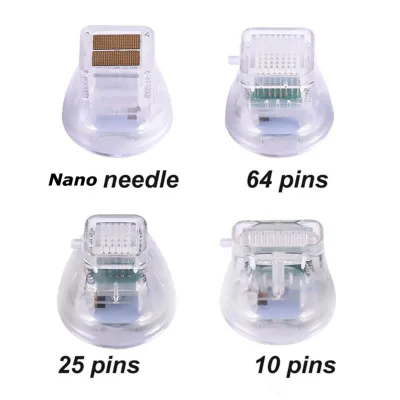


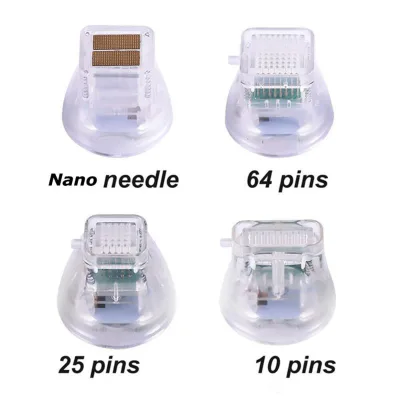


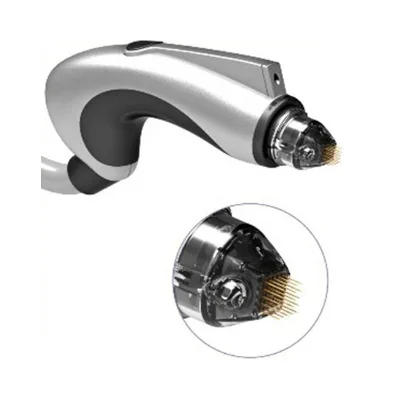
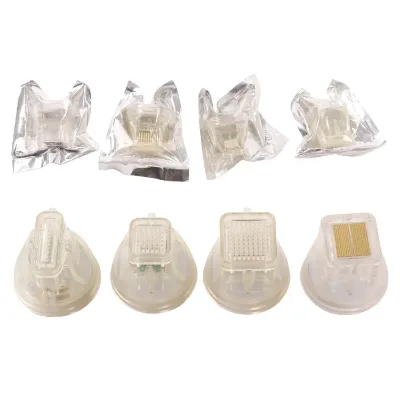
Comprehensive Sourcing Guide
Strategic Sourcing Guide for Wireless LED Nano Needle Cartridges
The global demand for advanced cosmetic and tattoo equipment has driven a significant shift toward wireless, high-precision delivery systems. Buyers searching for a "Wireless LED Nano Needle Cartridge" are typically navigating a complex market that blends traditional tattooing technology with modern skincare and permanent makeup applications. This guide provides a disciplined framework for evaluating suppliers, verifying technical specifications, and ensuring compliance without relying on unverified marketing claims. The procurement process for these devices requires a rigorous separation of observed product attributes from generalized market expectations, ensuring that the final selection aligns with specific operational needs and regulatory requirements.
Technical Architecture and Functional Specifications
Understanding the technical architecture of a Wireless LED Nano Needle Cartridge is the first step in any successful procurement strategy. Based on observed product data, the market offers distinct configurations ranging from rotary machines to disposable needle cartridges. A critical observation in the current supply chain is the divergence between the machine host and the consumable needle component. For instance, specific listings identify products such as the "HT-NMWZ" and "CNC-X-S1" models, which are characterized as wireless tattoo machine pens featuring brushless motors. These units often boast a working time of 2.5 to 3 hours on a 1000mAh battery capacity, with speed settings adjustable across 9 levels, defaulting to Level 5.
In contrast, the needle cartridge itself, such as the "EM172" or "EN04C" models, operates as a disposable consumable. These cartridges are designed for single-use scenarios to maintain hygiene and precision. The technical specifications for these needles include diameters ranging from 0.2mm to 0.35mm and configurations labeled as Rl, RS, RM, and M1. The material composition is a vital differentiator; while the machine housing may be constructed from stainless steel, the needle tips require high-grade surgical steel to ensure sharpness and minimize tissue trauma. The "LED" aspect mentioned in the search keyword often refers to integrated illumination systems within the pen or specific lighting used during the procedure to enhance visibility, though buyers must verify if the LED component is an integral part of the cartridge or the host device.
The functional capabilities of these systems extend beyond simple ink delivery. Observed attributes indicate that these tools are designed for applications including body tattooing, permanent makeup, and scalp micropigmentation. Some advanced configurations claim to boost essence absorption, suggesting a dual utility for cosmetic treatments where the micro-needling action facilitates the penetration of serums. However, buyers must treat these functional claims as observations of specific product listings rather than universal standards for all devices in this category. The distinction between a "Set" and a "Non-Disposable" unit is equally important; while some machine pens are reusable with replaceable parts, the needle cartridges are almost exclusively marked as disposable to prevent cross-contamination.
Compliance, Certification, and Regulatory Verification
Navigating the regulatory landscape for medical and cosmetic devices is paramount for B2B buyers. The supply chain for wireless tattoo and nano-needle equipment is heavily regulated due to the invasive nature of the procedures. When evaluating potential suppliers, the presence of recognized certifications is a non-negotiable baseline. Market observations frequently cite CE and FDA certifications as standard markers of compliance for products originating from manufacturing hubs in China, such as Guangzhou and Zhejiang.
Buyers must exercise extreme caution when interpreting these certifications. The presence of a "CE" mark indicates conformity with health, safety, and environmental protection standards for products sold within the European Economic Area, while "FDA" registration implies that the device has been reviewed by the U.S. Food and and Drug Administration, though the specific classification (Class I, II, or III) determines the rigor of the review. It is essential to verify that the certification applies to the specific model number being purchased, as a manufacturer may hold a certificate for one device but not another. For instance, a listing for a "Tattoo Wireless Machine Pen" might display CE/FDA marks, but the corresponding "Tattoo Needle Cartridge" must also be independently verified for sterilization compliance.
Sterilization is another critical compliance factor. The data indicates that certain needle cartridges undergo 100% Ethylene Oxide (E.O.) Gas Sterilization. This process is essential for ensuring that the product is free from pathogens before it reaches the end-user. Buyers should request sterilization certificates and batch-specific test reports to confirm that the E.O. gas sterilization was performed correctly and that residual gas levels are within safe limits. Furthermore, the "Disposable" nature of the needle cartridge is a regulatory requirement in many jurisdictions to prevent the transmission of blood-borne diseases. Any supplier offering reusable needles for tattooing or permanent makeup should be scrutinized heavily, as this practice often violates local health codes and international safety standards.
Cost Drivers and Pricing Structure Analysis
The pricing structure for wireless LED nano needle cartridges is influenced by a complex interplay of factors, including material quality, technological complexity, and order volume. The observed price range in the market spans from $0.24 to $99.90, a variance that reflects the difference between consumable needle cartridges and complete wireless machine systems. The lower end of this spectrum typically corresponds to the disposable needle cartridges, which are mass-produced and sold in bulk packs, such as 20 pieces per box. The higher end of the range usually encompasses the wireless machine pens, which include advanced components like brushless motors, lithium-ion batteries, and precision CNC-machined bodies.
Several specific cost drivers impact the final unit price. First, the motor technology is a significant factor; brushless motors are more expensive to manufacture than brushed alternatives but offer longer lifespans and smoother operation. Second, the battery capacity and charging infrastructure contribute to the cost; units with 1000mAh dual-battery systems command a premium over those with single or lower-capacity batteries. Third, the level of customization available, such as OEM branding or custom color options, adds to the manufacturing complexity and cost. Buyers should also consider the packaging costs; products shipped in individual boxes with accessories like batteries and chargers will naturally be priced higher than bulk-packaged consumables.
The Minimum Order Quantity (MOQ) is another critical cost driver, with observed ranges spanning from 1 to 10,000 units. High-volume buyers can leverage economies of scale to reduce the per-unit cost significantly, particularly for consumables like needle cartridges. However, for smaller buyers or those testing new product lines, suppliers offering low MOQs are essential, even if the per-unit price is higher. It is important to note that shipping costs, which can be calculated via air, sea, or express freight, are often excluded from the base product price and can significantly impact the total landed cost, especially for heavy items like machine pens or large bulk orders of cartridges.
Typical Applications and Operational Use Cases
The versatility of wireless LED nano needle cartridges allows them to serve a wide array of professional applications. The primary use cases identified in the market include body tattooing, permanent makeup, and scalp micropigmentation. In the context of permanent makeup, the precision of the needle cartridge is crucial for creating fine lines and shading that mimic natural features. The available needle sizes, ranging from 0.2mm to 0.35mm, allow practitioners to select the appropriate gauge for different skin types and tattoo styles. For example, smaller diameters are often preferred for delicate areas like the lips or eyebrows, while larger diameters may be used for shading or outlining on the body.
Beyond traditional tattooing, these devices are increasingly utilized in cosmetic skincare procedures. The "Boost Essence Absorption" feature observed in some listings suggests that the micro-needling action can be used to enhance the penetration of topical serums and treatments. This application is particularly relevant in facial treatments where the goal is to improve skin texture and hydration. The "Anti-Aging" and "Moisturizing" functions attributed to these procedures highlight the dual nature of the technology, serving both aesthetic enhancement and therapeutic purposes. However, buyers must verify that the specific device they are sourcing is approved for these cosmetic applications, as regulatory approvals for tattooing do not automatically extend to medical or cosmetic skincare procedures.
The "Wireless" aspect of the equipment is particularly advantageous in mobile or studio settings. The ability to operate without a tethered power cord allows for greater freedom of movement and reduces the risk of accidental disconnection during delicate procedures. The working time of 2.5 to 3 hours per charge is sufficient for most standard sessions, but buyers should consider the battery life in the context of their specific workflow. For high-volume clinics, the ability to swap batteries quickly or have multiple charging stations is essential to maintain productivity. The "LED" component, if present, aids in visibility, which is critical when working on small, detailed areas of the face or body.
Supplier Evaluation and Quality Control Protocols
Selecting the right supplier requires a rigorous evaluation process that goes beyond surface-level marketing claims. Buyers should prioritize suppliers who provide transparent documentation regarding their manufacturing processes, quality control measures, and after-sales support. The origin of the product is a key indicator of supply chain reliability; major manufacturing hubs in China, such as Guangzhou and Zhejiang, are known for producing high-quality cosmetic and tattoo equipment. However, the specific location of the factory should be verified to ensure it aligns with the buyer's logistical and compliance requirements.
Quality control protocols are essential for ensuring product consistency and safety. Buyers should request detailed specifications for the needle cartridges, including the material grade, sterilization method, and packaging integrity. The "100% E.O. Gas Sterilized" claim must be backed by valid certificates for each production batch. Additionally, the mechanical performance of the wireless machine pens should be tested for durability and consistency. Features such as the "Brushless Motor" and "9 Levels" of speed adjustment should be verified through independent testing or third-party certification reports.
When evaluating suppliers, buyers should also assess their ability to provide customization services. The "OEM/ODM" capabilities observed in the market indicate that many manufacturers are willing to produce branded products or modify existing designs to meet specific client needs. This flexibility can be a significant advantage for buyers looking to differentiate their product offerings. However, customization often involves longer lead times and higher MOQs, so buyers must balance these factors against their business requirements. Finally, the shipping and logistics capabilities of the supplier should be evaluated to ensure that products can be delivered safely and on time, with options for air, sea, or express freight depending on the urgency of the order.
Long-Term Procurement Considerations and Strategic Planning
Sourcing wireless LED nano needle cartridges is not merely a transactional activity but a strategic decision that impacts long-term business operations. Buyers must consider the lifecycle of the products, including the availability of replacement parts, the durability of the equipment, and the scalability of the supply chain. The "Non-Disposable" nature of the machine pens suggests that they are designed for long-term use, but the consumable needle cartridges must be replenished regularly. Ensuring a steady supply of high-quality consumables is critical to maintaining service quality and customer satisfaction.
Another long-term consideration is the adaptability of the technology to future market trends. As the demand for non-invasive cosmetic procedures grows, the ability to integrate new features, such as enhanced LED lighting or improved battery efficiency, will be a key differentiator. Buyers should look for suppliers who are committed to continuous innovation and who can provide updates or upgrades to their product lines. Additionally, the regulatory landscape is constantly evolving, and buyers must stay informed about changes in certification requirements and safety standards to ensure ongoing compliance.
Finally, the total cost of ownership (TCO) should be calculated, taking into account not only the initial purchase price but also the cost of consumables, maintenance, and potential downtime. While the initial investment in a high-quality wireless machine pen may be higher, the long-term savings from reduced maintenance and increased efficiency can outweigh the upfront costs. By carefully evaluating all aspects of the procurement process, from technical specifications to supplier reliability, buyers can make informed decisions that support the growth and success of their businesses in the competitive cosmetic and tattoo industry.
FAQs
What certifications do wireless tattoo machines hold?
Wireless tattoo machine pens often hold CE and FDA certifications. Buyers must verify that these marks apply to the specific model number being purchased, as certificates may vary between devices and needle cartridges.
How long does the battery last on wireless pens?
The working time typically ranges from 2.5 to 3 hours per charge. This duration is supported by a battery capacity of 1000mAh with two batteries included in the standard packing for most models.
Are the needle cartridges reusable or disposable?
The needle cartridges are designed to be disposable for hygiene and safety. They are usually 100% E.O. Gas Sterilized and sold in packs of 20 pieces per box to prevent cross-contamination.
Which materials are used for the machine housing?
The machine housing is constructed from stainless steel. This material ensures durability and a professional finish while the needle tips require high-grade surgical steel for sharpness and minimal tissue trauma.
Can buyers request custom branding for these products?
Yes, OEM and ODM customization is acceptable for both machines and cartridges. Buyers can request custom colors or branding, though this may affect the manufacturing complexity and final unit price.
What shipping methods are available for these items?
Shipping is available by air, sea, or express freight. The choice depends on the order volume and urgency, with costs often excluded from the base product price and impacting the total landed cost.
What is the minimum order quantity for needle cartridges?
The observed minimum order quantity ranges from 1 to 10,000 units. Lower MOQs allow smaller buyers to test products, while high-volume orders leverage economies of scale to reduce the per-unit cost.