Source Wireless OBD2 Scanner for Fleet Diagnostics and Repair
Explore 30 listings for the Wireless OBD2 Scanner, featuring OBD2 interface support and Android app compatibility. Compare models like T41 and BA670 for universal vehicle diagnostics, battery testing, and fault code reading across various brands.
Key considerations
Products List
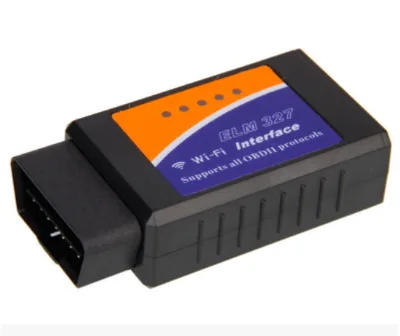


Hot Sale Auto Scanner/Auto Diagnostic Tool/Car Scanner for Car Repair
$1380.00 - $1656.00
MOQ: 1 Pieces

New Design Vehicle Diagnostic Equipment/Car Diagnostic Tool/Car Scanner for Sale
$1380.00 - $1656.00
MOQ: 1 Pieces

Professional Auto Scanner/Car Diagnostic Scanner for Car Repair with 10.1 Screen
$1380.00 - $1656.00
MOQ: 1 Pieces

Best Quality Upgrade Version Scanner Tool Engine ABS SRS Transmission Scanner Diagnostic
$1380.00 - $1656.00
MOQ: 1 Pieces


Vehicle Diagnostic Device Full Set Car Diagnostic Machine Support Multi-Brand
$1380.00 - $1656.00
MOQ: 1 Pieces


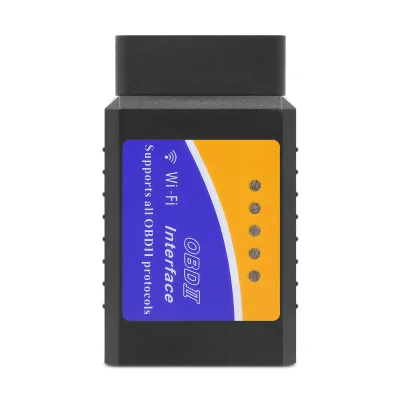
Comprehensive Sourcing Guide
Wireless OBD2 Scanner Sourcing Guide
The Wireless OBD2 Scanner market offers a diverse array of diagnostic tools designed for both professional automotive technicians and individual vehicle owners. These devices connect to a vehicle’s On-Board Diagnostics port to read and clear diagnostic trouble codes, monitor live data streams, and perform system-specific tests. The core value proposition lies in the wireless connectivity, which typically utilizes Bluetooth Low Energy (BLE) or Wi-Fi interfaces, allowing users to interact with the vehicle’s computer systems via smartphones, tablets, or laptops without the need for cumbersome cables. This mobility enhances workflow efficiency in repair shops and provides convenience for DIY enthusiasts who need real-time feedback while driving or performing maintenance.
Sourcing these devices requires a careful balance between technical capability, regulatory compliance, and commercial viability. Buyers must navigate a landscape where products range from basic code readers to advanced multi-system scanners with battery testing capabilities. The observed market signals indicate a wide variation in product models, such as the TK228, T41, and BA670, each serving different functional niches. Understanding the specific interface requirements, such as support for Android operating systems or compatibility with universal vehicle brands like Hyundai, is essential for selecting the right tool for your target customer base. This guide outlines the critical factors to consider when evaluating suppliers and products in this category.
Product Scope and Observed Listing Signals
The current market for wireless OBD2 scanners includes a variety of form factors and functionalities, ranging from simple fault code readers to comprehensive diagnostic suites. Observed listings highlight specific models like the T41, which is marketed as a fault code diagnostic scanner, and the BA670, a 2-in-1 device that combines OBD2 diagnostics with battery testing capabilities. These variations suggest that buyers should not assume all wireless scanners offer the same depth of analysis. Some devices may focus on basic engine diagnostics, while others provide additional features such as GPS tracking, GSM/GPRS connectivity, or RFID integration, which may be relevant for fleet management applications rather than simple repair scenarios.
Interface and connectivity are primary differentiators among the available products. While many devices rely on Bluetooth for short-range communication, some listings specify Wi-Fi as the communication interface, which can offer faster data transfer rates and greater stability in environments with high wireless interference. The compatibility with mobile operating systems is another critical signal; most observed products support Android, with some offering free apps for both Android and iOS platforms. Buyers should verify the specific app ecosystem and language support, as observed listings indicate support for multiple languages including English, French, German, Japanese, Chinese, and Spanish, which is crucial for global distribution and user accessibility.
Technical Specifications to Verify
When evaluating technical specifications, the communication interface and vehicle compatibility are paramount. Buyers must confirm whether the device supports the specific wireless protocol required by their target market, such as Wi-Fi or Bluetooth Low Energy (BLE). The observed data indicates that some models support universal fitment, making them suitable for a wide range of vehicle brands, including Hyundai. However, it is essential to verify that the device supports the OBD2 standard, which is mandatory for most vehicles manufactured after 1996 in many regions. Additionally, the voltage requirements should be checked to ensure the device operates safely within the vehicle’s electrical system, typically drawing power directly from the OBDII port.
Software and hardware integration capabilities also require close scrutiny. The operating system compatibility, particularly for Android devices, should be confirmed to ensure seamless app functionality. Some products offer customization options and internet-based update methods, which are vital for maintaining the device’s relevance as new vehicle models and diagnostic protocols emerge. Buyers should also assess the physical specifications, such as the compact dimensions observed in some models (e.g., 5.45.12.8cm), which contribute to portability and ease of use. The inclusion of features like auto arm/disarm functions or GPS tracking may indicate a dual-purpose device that serves both diagnostic and security roles, which could be a unique selling point for specific customer segments.
Compliance and Safety Documentation
Regulatory compliance is a non-negotiable aspect of sourcing electronic automotive accessories. Buyers must ensure that all wireless OBD2 scanners meet the necessary certification standards for the markets in which they intend to sell. Observed listings frequently mention certifications such as CE, RoHS, and GS, which indicate compliance with European health, safety, and environmental protection standards. The CE mark is particularly critical for selling within the European Economic Area, while RoHS compliance ensures that the device is free from specific hazardous materials. Buyers should request valid certification documents from suppliers to verify that these marks are legitimate and current, as counterfeit certifications are a risk in the electronics supply chain.
Additional certifications may be required depending on the specific features and target regions of the product. For instance, some listings mention ISO9001 and BV ECE110r certifications, which relate to quality management systems and specific automotive equipment standards. The presence of CCC certification suggests compliance with Chinese compulsory product certification, which may be relevant if sourcing directly from manufacturers in China. Buyers should also verify that the devices meet any local radio frequency regulations, especially for models with Wi-Fi, GSM, or GPRS capabilities, to avoid legal issues related to wireless transmission standards. Ensuring that the supplier provides up-to-date compliance documentation is essential for maintaining product legality and market access.
Cost Drivers and Commercial Terms
The pricing structure for wireless OBD2 scanners is influenced by several factors, including the complexity of the device, the quality of components, and the level of software support provided. Observed price ranges vary significantly, reflecting the diversity of products from basic code readers to advanced multi-function scanners. Buyers should consider the minimum order quantity (MOQ) requirements, which can range from single units for sampling to larger batches for bulk procurement. Understanding the MOQ is crucial for managing inventory costs and cash flow, especially for small to medium-sized businesses that may not have the capital to purchase large volumes upfront.
Commercial terms such as payment methods and delivery times also play a significant role in the procurement process. Suppliers may offer various payment options, including T/T, Western Union, and PayPal, each with different implications for transaction security and processing times. Delivery times can vary, with some suppliers indicating a lead time of 15 to 30 days, which buyers must factor into their supply chain planning. Shipping options, including air, sea, and express delivery, should be evaluated based on urgency and cost. Buyers should negotiate clear terms regarding shipping responsibilities, insurance, and return policies to mitigate risks associated with international trade and logistics.
Supplier Qualification and Quality Control
Selecting a reliable supplier is critical to ensuring the long-term success of your procurement efforts. Buyers should prioritize suppliers who demonstrate a commitment to quality through established manufacturing processes and quality control measures. The observation of "High-Quality" as a product attribute suggests that some suppliers emphasize superior build and performance, but buyers must verify this claim through independent testing or third-party audits. It is advisable to request samples before placing large orders to assess the device’s functionality, durability, and user interface. This hands-on evaluation can reveal potential issues that may not be apparent from product descriptions alone.
Supplier transparency and communication are also key indicators of reliability. Buyers should look for suppliers who provide detailed product information, including model numbers, specifications, and customization options. The availability of OEM services indicates that some suppliers are willing to work with buyers to create branded products, which can be beneficial for businesses looking to establish their own brand identity. Additionally, suppliers who offer neutral packing with white boxes provide flexibility for branding and packaging customization. Establishing a clear line of communication with the supplier regarding technical support, warranty terms, and after-sales service is essential for resolving any issues that may arise post-purchase.
Long-Term Procurement Checks
Sourcing wireless OBD2 scanners is not a one-time transaction but an ongoing process that requires continuous monitoring and evaluation. Buyers should regularly review product performance and customer feedback to identify any recurring issues or areas for improvement. This feedback loop can inform future purchasing decisions and help maintain a high standard of product quality. Additionally, buyers should stay informed about changes in automotive diagnostic standards and wireless communication technologies to ensure that the products they source remain relevant and compliant. The ability of devices to receive internet-based updates is a critical factor in maintaining their functionality over time, so buyers should verify the supplier’s commitment to software support and updates.
Building a resilient supply chain involves diversifying suppliers and maintaining strong relationships with key partners. Buyers should avoid over-reliance on a single supplier and consider sourcing from multiple vendors to mitigate risks associated with supply disruptions or quality inconsistencies. Regular audits of supplier performance, including delivery times, product quality, and customer service, can help identify potential issues early and foster continuous improvement. By maintaining a proactive approach to supplier management and product evaluation, buyers can ensure a steady supply of high-quality wireless OBD2 scanners that meet the evolving needs of their customers.
FAQs
What operating system does the Wireless OBD2 Scanner support?
The device supports the Android operating system for seamless connectivity. It allows users to run diagnostic applications directly on their mobile devices without additional software installation fees.
Can I customize the Wireless OBD2 Scanner for my brand?
Yes, customization is available for this product line. Buyers can request specific branding or feature adjustments to meet unique business requirements while maintaining standard quality levels.
Which certifications does the Wireless OBD2 Scanner hold?
The product holds CE, RoHS, GS, ISO9001, BV, and ECE110r certifications. These ensure compliance with international safety and environmental standards for automotive diagnostic equipment.
How long is the delivery time for wireless OBD2 scanners?
The standard delivery time ranges from 15 to 30 days. This lead time applies to orders placed with suppliers located in Guangdong or Sichuan, China.
What is the minimum order quantity for wireless OBD2 scanners?
The minimum order quantity varies between 1 and 260 units depending on the specific model. Buyers should check individual product listings to confirm the exact MOQ for their selected item.
Which languages are supported by the Wireless OBD2 Scanner?
The device supports multiple languages including English, French, German, Japanese, Chinese, and Spanish. This ensures usability for international buyers and diverse vehicle owner demographics.
What is the warranty period for the Wireless OBD2 Scanner?
The product comes with a 12-month warranty period. This coverage applies to new units purchased from verified suppliers offering standard warranty terms for automotive diagnostic tools.