Source Family Extreme Thrill Roller Coaster for Parks
Compare 30 Family Extreme Thrill Roller Coaster models from Henan, China. Options range from 9.6m to 33m height with capacities up to 24 seats. Evaluate specs like 37-80 km/h speed and 290-612m track length for commercial amusement parks.
Key considerations
Products List
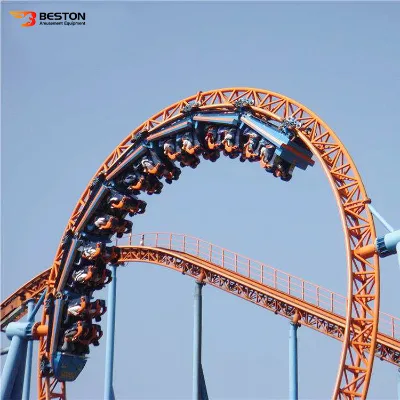
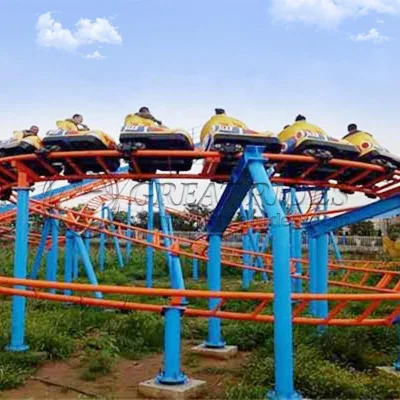
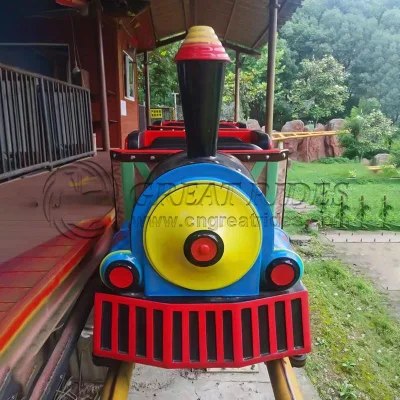
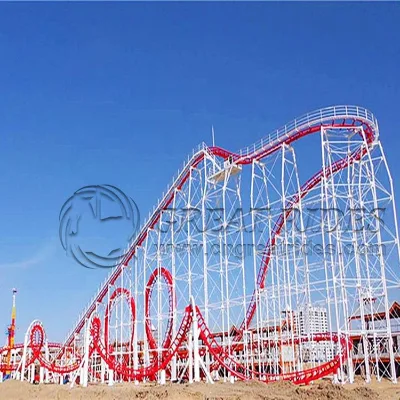
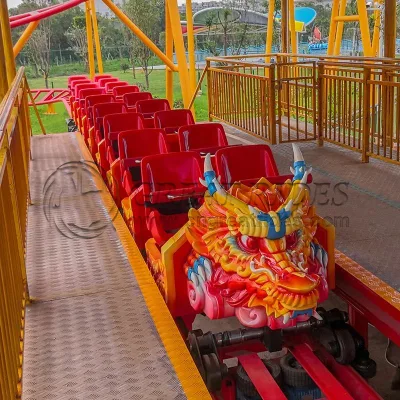
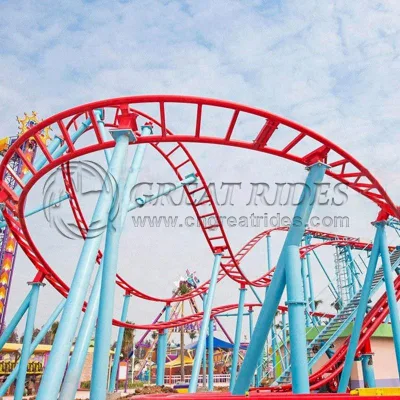


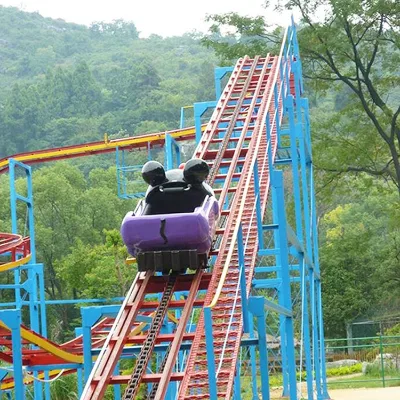
Happy Kids Game Amusement Park Ride Thrilling Roller Coaster for Sale
$72959.85 - $77070.27
MOQ: 1 sets
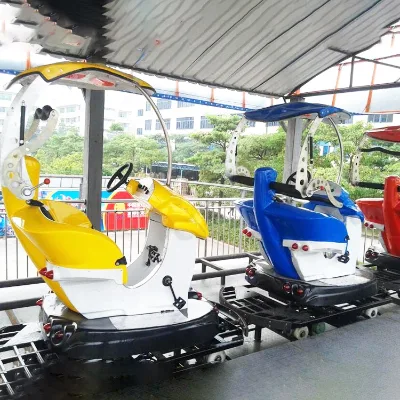
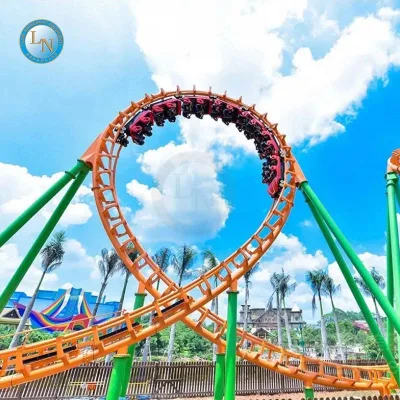
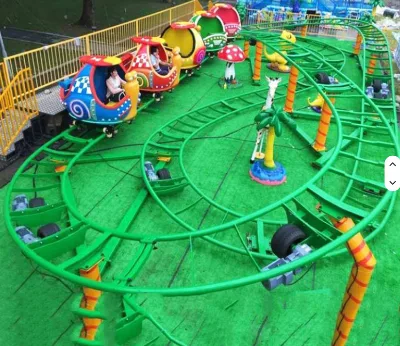
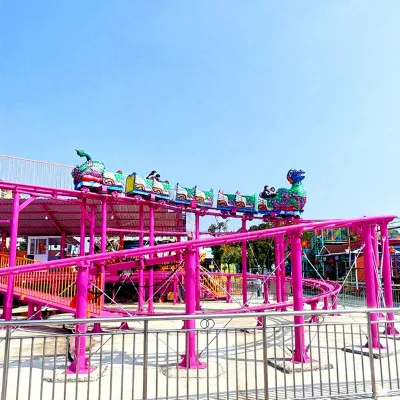
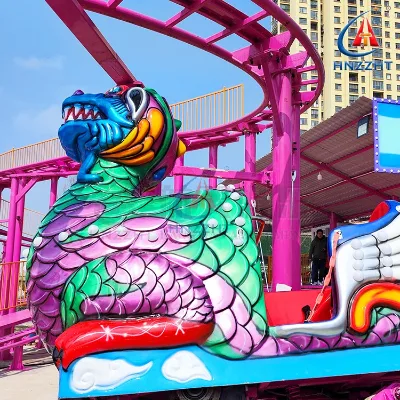
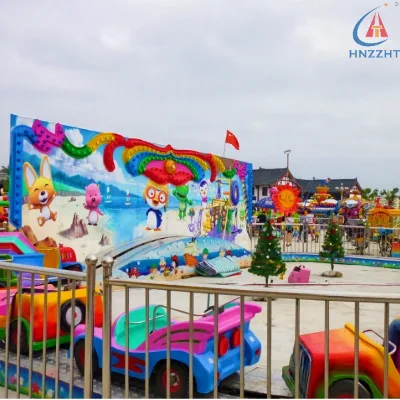
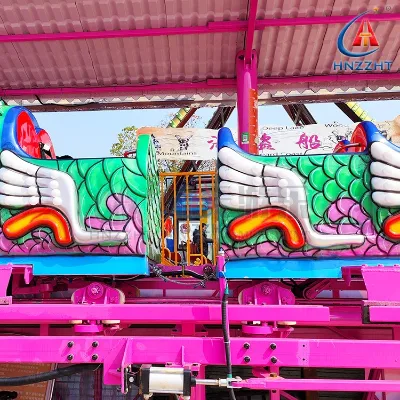
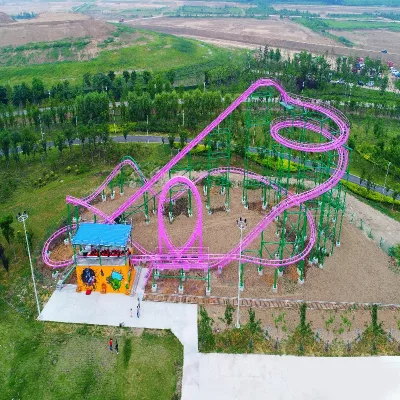
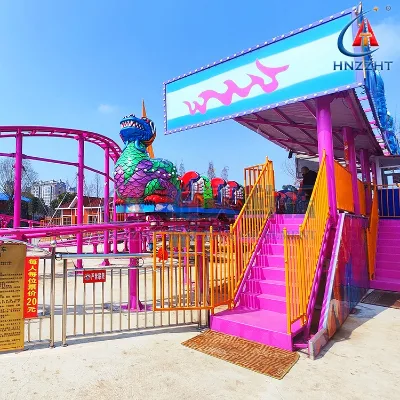
Customizable Length Mechanical Amusement Equipment
$52845.19 - $56989.91
MOQ: 1 Minimum
Zhengzhou Hangtian Amusement Equipment Manufacturing Co., Ltd.


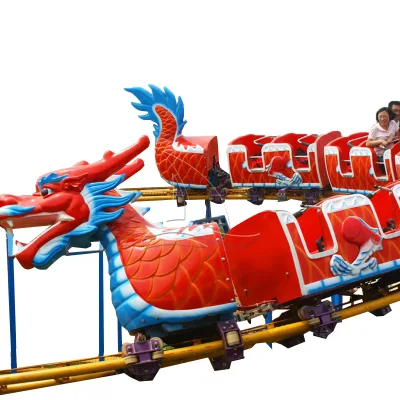
Comprehensive Sourcing Guide
Family Extreme Thrill Roller Coaster Sourcing Guide
Procuring a Family Extreme Thrill Roller Coaster requires balancing high-energy design with strict safety protocols for diverse age groups. Buyers must evaluate how the ride’s physical footprint and structural materials align with their park’s spatial constraints and aesthetic goals. The observed market features models ranging from compact family coasters to larger six-loop configurations, each demanding specific site preparation and utility connections. Understanding these variations is critical for accurate budgeting and logistical planning before engaging with manufacturers.
The selection process hinges on verifying key performance metrics such as maximum speed, track length, and passenger capacity against operational expectations. While some units are designed for commercial amusement parks with high throughput, others target theme park environments with customized aesthetics. Buyers should prioritize suppliers who provide transparent data on power consumption, voltage requirements, and allowable passenger limits to ensure the chosen model fits both the technical infrastructure and the target demographic’s thrill tolerance.
Product Scope and Observed Listing Signals
The current market offers a diverse array of roller coaster models, primarily originating from manufacturing hubs in Henan, China. Listings indicate a wide price range, reflecting differences in complexity, track length, and material composition. Common configurations include fiberglass and steel constructions, with some models featuring custom colors to match park themes. The observed product names range from "Family roller coaster" to "6 loops roller coaster," indicating a spectrum from moderate family-friendly experiences to more intense commercial attractions.
Key specifications vary significantly across listings, with track heights ranging from approximately 9.6 meters to 33 meters for larger structures. Power requirements also differ, with some units consuming as little as 40 kW while others require up to 120 kW. Buyers should note that while some products are labeled as suitable for ages 3-18, others are geared toward older children and adults. The presence of multiple model numbers, such as GR-FRC-6 and GR-SRC-101, suggests that manufacturers offer modular or distinct design lines to cater to different site capacities and thrill levels.
Technical Specifications to Verify
Verifying the physical dimensions and structural integrity of the roller coaster is paramount for site planning. Buyers must confirm the exact area requirements, which can range from 28x48 meters for smaller units to 100x60 meters for larger installations. Track length and height are critical for calculating clearance zones and ensuring the ride fits within the designated footprint. Additionally, the number of cabins or cars, along with total passenger capacity, directly impacts operational throughput and revenue potential, making these figures essential for financial modeling.
Electrical and mechanical specifications must be cross-checked against the park’s existing infrastructure. Voltage requirements, typically 380V 50Hz, must be supported by the local power grid, and power consumption ratings should be compared to energy budgets. The maximum speed and round time influence the ride’s cycle efficiency and guest experience. Buyers should also verify the material composition, ensuring that steel and fiberglass components meet durability standards for outdoor use, and confirm that the condition of the equipment is new to avoid hidden wear or maintenance issues.
Compliance and Safety Documentation
Safety certification is non-negotiable for amusement park equipment, and buyers must ensure that all roller coasters meet relevant international or regional standards. While specific certification statuses vary by manufacturer, the presence of CE marking is a common indicator of compliance with European safety directives. Buyers should request detailed documentation proving that the design and manufacturing processes adhere to recognized engineering codes, such as EN 13814, to mitigate liability and ensure guest safety.
Warranty terms and after-sales support are critical components of the procurement agreement. Most suppliers offer a one-year warranty, but buyers should clarify the scope of coverage, including parts, labor, and structural integrity. It is essential to verify that the supplier provides comprehensive operation and maintenance manuals, as well as training for park staff. Understanding the warranty duration and the supplier’s responsiveness to technical issues can significantly impact long-term operational costs and downtime risks.
Cost Drivers and Commercial Terms
The final cost of a roller coaster is influenced by several factors, including track length, height, and the complexity of the design. Larger models with more loops or higher speeds typically command higher prices due to increased material and engineering requirements. Buyers should also consider the cost of customization, such as specific color schemes or branding, which may add to the base price. Understanding these cost drivers helps in negotiating better terms and aligning the purchase with the project budget.
Minimum order quantities (MOQ) and payment terms are also significant commercial considerations. While some suppliers may allow single-item purchases, others might have higher MOQs for certain models. Buyers should negotiate clear payment schedules, including deposits and milestone payments, to manage cash flow effectively. Additionally, lead times for manufacturing and delivery should be confirmed to ensure the ride is installed in time for the park’s opening season or promotional events.
Supplier Qualification and Quality Control
Selecting a reliable supplier involves rigorous due diligence to ensure product quality and operational support. Buyers should verify the manufacturer’s production capabilities, including their facility size, equipment, and quality control processes. Requesting references from previous clients or visiting the factory can provide insights into the supplier’s reliability and consistency. It is also important to assess the supplier’s ability to provide ongoing technical support and spare parts availability.
Quality control measures should be established before production begins, including inspections at key manufacturing stages. Buyers should define clear acceptance criteria for materials, welding quality, and electrical systems. Implementing a third-party inspection service can provide an unbiased assessment of the product’s compliance with specifications. Establishing a strong relationship with the supplier through clear communication and mutual expectations can help prevent misunderstandings and ensure a smooth procurement process.
Long-Term Procurement Checks
Long-term success depends on the roller coaster’s durability and the supplier’s commitment to post-sale support. Buyers should monitor the ride’s performance during the initial operational phase to identify any potential issues early. Regular maintenance schedules should be established in accordance with the manufacturer’s recommendations to extend the equipment’s lifespan and ensure safety. Tracking maintenance costs and frequency can help in budgeting for future repairs and upgrades.
Continuous engagement with the supplier is essential for addressing any emerging issues or upgrading the ride. Buyers should maintain open lines of communication for technical queries and spare parts orders. Additionally, staying informed about industry trends and new technologies can help in planning future expansions or replacements. By proactively managing the relationship and monitoring performance, buyers can maximize the return on investment and ensure a safe, thrilling experience for guests.
FAQs
What is the maximum speed of the Family Extreme Thrill Roller Coaster?
The maximum speed reaches 80 km/h for the high-performance model, while the standard family version operates at 37 km/h. These speeds ensure an exciting experience suitable for various age groups. The design balances thrill with safety, allowing operators to select the appropriate model based on their park's specific requirements and target audience demographics.
How much space does the Family Extreme Thrill Roller Coaster require?
The required area varies by model, ranging from 28m by 48m for smaller units to 100m by 60m for larger installations. The standard family model occupies 48m by 30m. Buyers must ensure their amusement park has sufficient flat ground to accommodate the track length and height, which can reach up to 33 meters for the largest structures.
What materials are used to construct the Family Extreme Thrill Roller Coaster?
These rides are constructed using high-quality fiberglass and steel, or FRP combined with steel for durability. This robust material selection ensures structural integrity and longevity in outdoor environments. The materials also allow for customized colors, enabling operators to match the ride aesthetic with their park's theme while maintaining high safety standards and resistance to weather conditions.
Can the Family Extreme Thrill Roller Coaster be customized for specific parks?
Yes, customization is available for these roller coasters to meet specific park requirements. Operators can choose customized colors and adjust certain specifications to fit their unique theme. The manufacturer supports tailored solutions, ensuring the ride integrates seamlessly into the amusement park layout. This flexibility allows for distinct branding and visual appeal while maintaining core safety and performance standards.
What is the warranty period for the Family Extreme Thrill Roller Coaster?
The warranty period is typically one year for standard models, while specific larger units may offer twelve months of coverage. This warranty ensures protection against manufacturing defects and supports long-term operational reliability. Buyers should verify the specific warranty terms for their chosen model, as coverage details may vary slightly depending on the product specifications and supplier agreements.
What is the power consumption of the Family Extreme Thrill Roller Coaster?
Power consumption varies significantly based on the model size and complexity. Smaller family units require approximately 40 kW, while larger, high-speed versions may need up to 120 kW. Operators must ensure their facility has adequate electrical infrastructure to support these power requirements. Proper power management is essential for maintaining consistent ride performance and ensuring safety during peak operating hours.