Source Wireless Waterproof PIR IP Camera for Home, Business, and Outdoor
Explore 30 listings of Wireless Waterproof PIR IP Camera options featuring CMOS and CCD sensors with varying resolutions. Buyers can compare models like Ss-361 and Q3R-U that support human and vehicle detection for security applications.
Key considerations
Products List


2MP Wireless WiFi Security Camera with Advanced Night Vision and Intercom
$13.30 - $14.30
MOQ: 10 Pieces


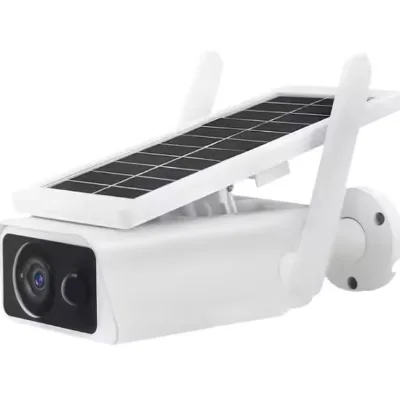


Plug-in Monitoring Outdoor Waterproof Wireless Camera WiFi/4G Night Full Color
$13.00 - $14.00
MOQ: 100 Pieces


Security Wireless WiFi Solar Outdoor Surveillance Waterproof CCTV Camera
$5.00 - $100.00
MOQ: 2 Pieces


Comprehensive Sourcing Guide
Strategic Sourcing Guide for Wireless Waterproof PIR IP Cameras
Understanding Core Technical Specifications for Wireless Surveillance
When sourcing wireless waterproof PIR (Passive Infrared) IP cameras, buyers must first establish a clear understanding of the technical parameters that define performance and reliability. The market offers a diverse array of configurations, and distinguishing between them is critical for matching the product to specific security needs. Based on available product data, the sensor technology is a primary differentiator. Buyers will encounter units utilizing either CMOS or CCD sensor types. CMOS sensors are frequently associated with wireless technology and modern IP camera architectures, offering lower power consumption and efficient data processing. In contrast, CCD sensors are also present in the market, often cited in conjunction with specific resolution metrics.
Resolution is another fundamental specification. Data indicates that horizontal resolution varies significantly across listings, with observed values including 520 TVL and 650 TVL. For modern IP applications, digital pixel counts are often more relevant, with 2MP (Megapixel) sensors being a standard benchmark for high-definition clarity. The sensor size also plays a pivotal role in image quality and low-light performance. Specifications show variations between 1/3 inch and 1/4 inch sensor sizes. A larger sensor generally captures more light, which is essential for the infrared and dual-light modes supported by many of these units.
The optical system is equally important. Many units feature autofocus lenses, which allow the camera to adjust focus dynamically, ensuring sharp imagery regardless of the target distance. The housing type is typically described as metal bullet waterproof, designed to withstand harsh environmental conditions. This metal construction provides durability against physical impact and corrosion, a necessity for outdoor deployment. The style of the camera can range from mini cameras to pan/tilt configurations. While some units are fixed, others support Pan/Tilt/Zoom (PTZ) technology, offering a broader field of view and the ability to track moving subjects remotely.
Lighting capabilities are a defining feature of PIR-enabled cameras. The observed product attributes confirm support for IR (Infrared), warm light, and dual light modes. This flexibility allows the camera to switch between invisible night vision and visible illumination based on the detected activity. The effective distance for these lighting systems is a critical metric, with some specifications citing an effective range of 10-30 meters, while others claim a distance of 30 meters or more. Buyers must verify the actual illumination range required for their specific site layout to ensure adequate coverage during nighttime operations.
Compliance and Certification Verification Protocols
In the B2B procurement of electronic security equipment, verifying compliance with international standards is non-negotiable. The supply chain for wireless cameras is global, and products often originate from manufacturing hubs like Shenzhen. To ensure market access and legal compliance, buyers must rigorously check for specific certifications. The observed product data highlights a cluster of common certifications, including CE, FCC, CCC, RoHS, and ISO9001.
The CE mark indicates conformity with health, safety, and environmental protection standards for products sold within the European Economic Area. The FCC certification is mandatory for electronic devices sold in the United States, ensuring they do not interfere with other radio frequencies. The CCC (China Compulsory Certification) is a critical requirement for products manufactured in or imported into China. RoHS (Restriction of Hazardous Substances) compliance ensures that the device is free from specific hazardous materials, which is increasingly important for environmental regulations globally. ISO9001 certification demonstrates that the manufacturer adheres to a quality management system, providing assurance of consistent production standards.
Additionally, some listings reference EMI/EMC (Electromagnetic Interference/Compatibility) standards. This certification is vital for ensuring that the camera's wireless transmission does not disrupt other electronic equipment and that the device itself is immune to external electromagnetic interference. While some sources list these certifications broadly, buyers should not assume that every unit in a product category automatically possesses them. Verification should be conducted on a per-batch basis, requesting valid test reports from the supplier. The presence of these certifications is a strong indicator of a supplier's commitment to quality and regulatory adherence, but they must be validated against the specific model number, such as Ss-361 or Q3R-U, to ensure accuracy.
Cost Drivers and Pricing Structure Analysis
The pricing of wireless waterproof PIR IP cameras is influenced by a complex interplay of technical specifications, build quality, and order volume. The observed market data reveals a wide price range, spanning from 1 to 1000 USD. This broad spectrum reflects the diversity of products available, from basic entry-level units to advanced models with sophisticated AI detection and PTZ capabilities. Several key factors drive these cost variations.
First, the sensor technology and resolution significantly impact the base cost. Cameras equipped with 2MP sensors and CMOS technology generally command a higher price than those with lower resolution CCD sensors. The inclusion of advanced features like AI detection for humans and vehicles, as well as dual-light modes, adds to the manufacturing complexity and cost. Second, the housing material and design play a role. Metal bullet waterproof housings are more expensive to produce than plastic alternatives due to material costs and the precision required for sealing against water and dust.
Third, the degree of customization and OEM/ODM (Original Equipment Manufacturer/Original Design Manufacturer) capabilities affects pricing. Suppliers offering customization services, such as logo printing, firmware modification, or specific feature integration, often have higher minimum order quantities (MOQ) and unit costs. The observed MOQ range of 1 to 500 units indicates that buyers can source small quantities for testing or prototyping, but larger orders may yield better unit economics. However, the specific MOQ for a customized order will depend on the supplier's production capacity and the complexity of the customization.
Packaging and logistics also contribute to the final cost. Products are typically packed in cartons, and the dimensions of the packaging can influence shipping costs. Buyers should consider the total landed cost, which includes the unit price, shipping fees, and any applicable tariffs. It is essential to request detailed quotations that break down these costs to avoid hidden expenses. Furthermore, the effective distance and lighting capabilities of the camera can influence the price, as higher-performance lighting systems require more robust power management and heat dissipation solutions.
Typical Applications and Deployment Scenarios
Wireless waterproof PIR IP cameras are versatile tools designed for a wide range of security applications. Their ability to detect motion via infrared sensors and transmit data wirelessly makes them ideal for locations where cabling is difficult or impractical. The observed product attributes highlight applications such as human and vehicle detection, leveraging Micro AI functions to reduce false alarms and improve security monitoring.
One primary application is residential security. These cameras are often marketed as home security cameras or indoor cameras, suitable for monitoring entry points, driveways, and backyards. The waterproof and weatherproof features ensure they can withstand rain, snow, and extreme temperatures. The support for remote control and mobile app integration (such as Cam720) allows homeowners to monitor their property from anywhere. The mini size of some models makes them discreet and easy to install without compromising on functionality.
Commercial and industrial applications are another significant market segment. The metal bullet waterproof housing and vandal-proof features make these cameras suitable for protecting business premises, warehouses, and construction sites. The ability to detect vehicles is particularly valuable for parking lot monitoring and perimeter security. The high-definition resolution and infrared night vision ensure clear visibility in low-light conditions, which is crucial for identifying license plates and faces.
Public infrastructure and smart city projects also utilize these cameras. Their wireless capability allows for rapid deployment in areas where laying cables is costly or disruptive. The pan/tilt functionality enables a single camera to cover a large area, reducing the number of units required. The support for various communication protocols and the ability to integrate with existing security systems make them a flexible choice for large-scale deployments. Buyers should assess their specific environmental conditions, such as lighting levels and weather patterns, to select the most appropriate model for their application.
Supplier Evaluation and Quality Control Measures
Selecting the right supplier is a critical step in the procurement process. Buyers should evaluate potential suppliers based on their production capabilities, quality control systems, and after-sales support. The presence of ISO9001 certification is a strong starting point, indicating a commitment to quality management. However, buyers should go beyond certifications and request detailed information about the supplier's manufacturing process and quality assurance protocols.
Quality control should be a continuous process, not just a final inspection. Buyers should inquire about the supplier's testing procedures for water resistance, temperature tolerance, and wireless signal stability. The observed specifications, such as the 1/3 inch or 1/4 inch sensor sizes and the various resolution options, should be verified through sample testing. It is advisable to request product samples to evaluate the actual image quality, night vision performance, and ease of installation.
Communication and responsiveness are also key indicators of a reliable supplier. Buyers should assess the supplier's ability to provide technical support, answer questions about specifications, and handle any issues that arise during the procurement process. The availability of customization services, such as OEM/ODM options, should be confirmed, along with the lead times and MOQ requirements. Transparency regarding the origin of the products, such as the Shenzhen manufacturing hub, can also provide insights into the supply chain efficiency.
Buyers should also consider the supplier's track record and reputation in the market. While specific supplier names should not be recommended, general industry knowledge suggests that established manufacturers with a history of compliance and quality are more likely to deliver reliable products. Requesting references from other clients or reviewing case studies can provide additional confidence in the supplier's capabilities.
Long-Term Procurement and Lifecycle Management
Sourcing wireless waterproof PIR IP cameras is not just a one-time transaction but part of a long-term strategy for security infrastructure management. Buyers must consider the lifecycle of the products, including maintenance, firmware updates, and eventual replacement. The wireless nature of these cameras introduces dependencies on network stability and power supply, which must be managed over time.
Firmware updates are essential for maintaining security and functionality. Buyers should verify that the supplier provides regular firmware updates to address vulnerabilities and improve performance. The compatibility of the camera with existing security systems and mobile apps, such as Cam720, should be ensured to avoid obsolescence. The support for remote control and app integration is a key factor in the long-term usability of the device.
Maintenance requirements should also be evaluated. While the metal bullet waterproof housing is designed to be durable, periodic inspections are necessary to ensure that seals remain intact and that the camera is free from debris or damage. The effective distance and lighting capabilities may degrade over time, so buyers should plan for potential replacements or upgrades.
Scalability is another consideration. As security needs evolve, the ability to add more cameras or upgrade existing ones is crucial. Buyers should select suppliers who can support growth and provide consistent product availability. The observed MOQ ranges and customization options should be factored into the long-term procurement plan to ensure flexibility and cost-effectiveness.
Finally, buyers should stay informed about emerging technologies and standards in the wireless security camera market. The integration of AI, improved sensor technology, and enhanced wireless protocols will continue to shape the industry. By maintaining a proactive approach to procurement and lifecycle management, buyers can ensure that their security infrastructure remains effective and up-to-date.
FAQs
What certifications do wireless waterproof pir ip cameras typically have?
These cameras commonly carry CE, FCC, CCC, RoHS, and ISO9001 certifications. Some models also include EMI/EMC compliance to ensure electromagnetic compatibility and safety for international markets.
How does the sensor technology affect image quality?
Units utilize either CMOS or CCD sensors, with CMOS often supporting wireless technology. Sensor sizes vary between 1/3 inch and 1/4 inch, influencing low-light performance and overall image clarity.
Can these cameras detect humans and vehicles using AI?
Yes, many models support human and vehicle detection via Micro AI functions. This feature helps reduce false alarms by distinguishing between actual threats and irrelevant motion in the surveillance area.
What is the effective distance for infrared night vision?
Effective distances range from 10 to 30 meters depending on the specific model. Some advanced units claim an effective distance of 30 meters or more for clear night vision coverage.
Are customization options available for these security cameras?
Customization is available for buyers requiring specific features or branding. Suppliers often accept OEM and ODM requests, allowing for tailored solutions based on unique project requirements and order volumes.
What resolution options are available for these IP cameras?
Horizontal resolutions include 520 TVL and 650 TVL, while digital pixel counts reach 2MP. These options provide high-definition clarity suitable for both indoor and outdoor surveillance applications.