Source With Ruler PVC Taper Weld Gauge for Inspection, Fabrication, QC
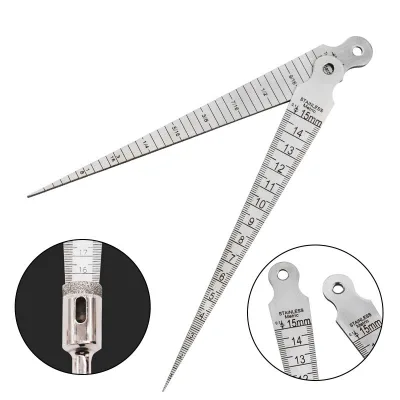
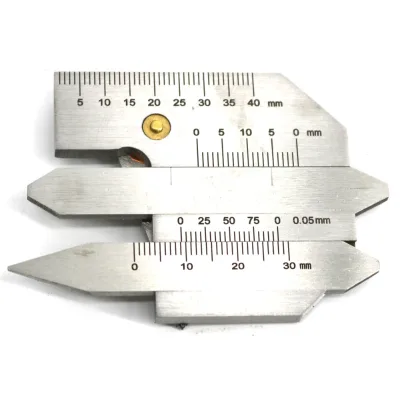
Compare 30 available options for the With Ruler PVC Taper Weld Gauge, featuring steel and stainless steel materials with precision measurement capabilities. These tools support inside diameter checks and welding inspections, offering various packing styles like leather bags and plastic boxes for reliable industrial use.
Key considerations
Products List


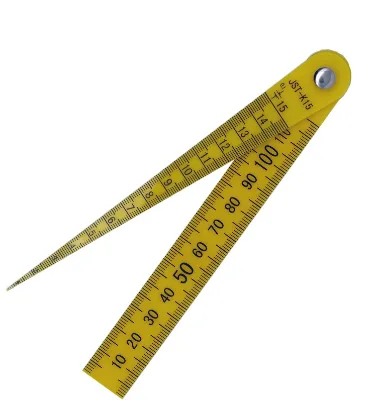
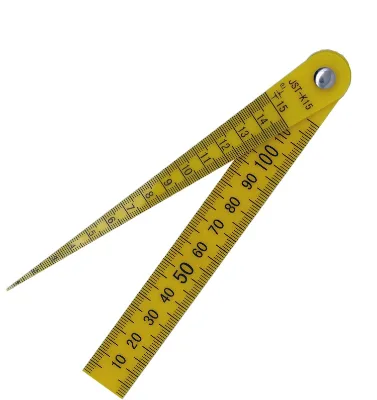
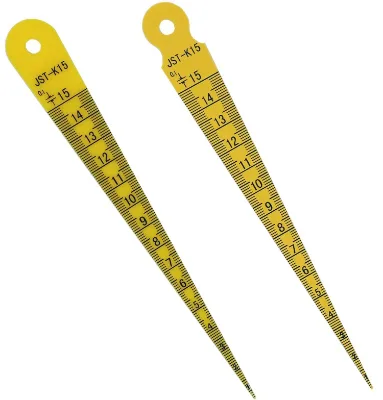
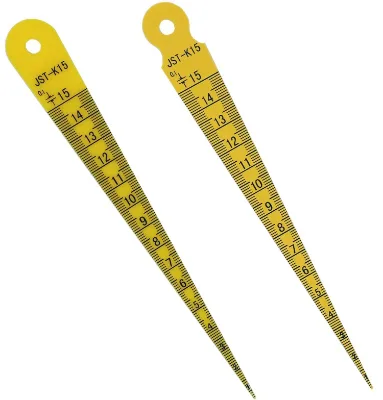




Comprehensive Sourcing Guide
With Ruler PVC Taper Weld Gauge Sourcing Guide
Procuring a With Ruler PVC Taper Weld Gauge requires distinguishing between general inspection tools and specialized welding gauges that integrate measurement scales directly into the tool body. The observed market data indicates a diverse range of products, including precision gauges for inside diameter measurement and specific taper gauges designed for weld inspection. Buyers must carefully evaluate whether the listed product includes a ruler component or if the "ruler" descriptor refers to a separate measuring scale integrated into the gauge's design.
The supply landscape features items with varying material compositions, ranging from standard steel to stainless steel options, which directly impacts durability and corrosion resistance in industrial environments. While some listings highlight specific models like HG-012 or MG-01, others describe sets with multiple slots for wire and washer thicknesses. It is critical to verify if the PVC material mentioned in the search term applies to the gauge body or a protective case, as the core measurement elements are predominantly metal to ensure accuracy during high-heat welding applications.
Product Scope and Observed Listing Signals
The available product catalog reveals a significant variation in customization options, with some items explicitly marked as non-customized while others offer OEM, ODM, and OBM support. This distinction is vital for buyers seeking branded solutions versus generic inspection tools. The observed listings include specific configurations such as leather bags, plastic boxes, and aluminum alloy cases, suggesting that packaging is a key differentiator in the product scope rather than a uniform standard across all suppliers.
Buyers should note that the "with ruler" attribute may manifest differently across listings, with some products offering specific measurement ranges like 0-36 standard units or precise thickness measurements down to 0.01mm resolution. The presence of items labeled as "Taper gauge" alongside "Gauge Block" types indicates that the search term covers both general dimensional checks and specialized weld profile assessments. Understanding these specific product signals helps in filtering out irrelevant general-purpose tools that lack the necessary taper geometry for accurate weld inspection.
Technical Specifications to Verify
When evaluating technical specifications, the measurement object and method are primary considerations for ensuring the tool meets operational needs. The observed data highlights tools designed for inside diameter measurement and manual measurement methods, which implies that the user must rely on visual alignment and physical contact rather than automated digital readouts. Buyers must confirm that the gauge's resolution, such as the observed 0.01mm precision, aligns with the tolerance requirements of their specific welding processes to prevent measurement errors.
Dimensional consistency is another critical factor, as the observed listings show varying sizes ranging from compact 16x5x5cm packages to larger 90x170mm units. The thickness of the gauge material, noted as 1.25mm in some instances, influences the tool's rigidity and resistance to bending under pressure. It is essential to verify that the slots for wire and washer sizes, such as the 0.8mm to 2.5mm range, cover the specific diameters required for the welds being inspected, ensuring the tool is versatile enough for the intended application.
Compliance and Safety Documentation
Compliance documentation for these industrial tools often includes certifications like ISO, RoHS, and CE, which signal adherence to international quality and safety standards. The presence of SGS standards in the observed data suggests that third-party verification is available for certain product lines, providing an additional layer of assurance regarding material safety and manufacturing consistency. Buyers should request specific test reports to confirm that the materials used, particularly any PVC components, do not release harmful substances during use or storage.
Safety considerations extend to the physical design of the gauge, ensuring that edges are smooth and that the tool does not pose a risk of injury during handling. The observed "Through Check Method" indicates a specific testing protocol that validates the gauge's accuracy against known standards. Procurement teams must verify that the supplier can provide documentation confirming the tool's compliance with local safety regulations, especially if the equipment will be used in environments with strict occupational health and safety mandates.
Cost Drivers and Commercial Terms
Cost drivers for with ruler PVC taper weld gauges are heavily influenced by material selection, with stainless steel options typically commanding a higher price point than standard steel due to enhanced durability and corrosion resistance. The observed price range of 0.79 to 201 USD reflects this disparity, where basic inspection tools are available at entry-level costs while specialized, high-precision sets with custom packaging and certifications reach premium pricing tiers. Buyers should analyze the total cost of ownership, considering that a higher initial investment in stainless steel may reduce long-term replacement costs.
Commercial terms such as Minimum Order Quantity (MOQ) and supply ability vary significantly across the market, with some suppliers offering single-item purchases while others require orders of 10 pieces or more. The observed MOQ range of 1 to 1000 units suggests flexibility for small-scale buyers but potential volume constraints for large procurement projects. Additionally, the supply ability of 1,200,000 pieces per month for certain items indicates that high-volume orders can be fulfilled quickly, provided the buyer negotiates lead times and payment terms that align with their production schedule.
Supplier Qualification and Quality Control
Supplier qualification should focus on the manufacturer's ability to provide consistent quality control through established testing methods and certifications. The observed data mentions specific brands like Orientools and Quantus, which may indicate established market players with a track record of reliability. Buyers should verify the supplier's capacity to maintain the "Through Check Method" consistently across all production batches, ensuring that every gauge delivered meets the specified resolution and dimensional accuracy requirements.
Quality control processes must also address the variability in product attributes, such as the different packing materials and model numbers observed in the listings. A robust supplier will have clear protocols for inspecting the final product against the stated specifications, including the verification of slot dimensions and material thickness. It is advisable to request sample units for independent testing before committing to a large order, ensuring that the physical product matches the technical claims and performs reliably in real-world welding inspection scenarios.
Long-Term Procurement Checks
Long-term procurement strategies should prioritize suppliers who offer consistent customization support and maintain stable supply chains for critical components. The availability of OEM, ODM, and OBM services suggests that suppliers are capable of adapting their products to specific buyer needs over time, which is essential for maintaining a competitive edge in manufacturing. Buyers should establish clear communication channels to monitor any changes in material standards or production processes that could affect the performance of the gauges.
Regular audits of the supplier's quality management systems are necessary to ensure ongoing compliance with standards like ISO and CE. The observed variation in product origins, including Shanghai and general China locations, highlights the need to verify the specific manufacturing site for each order to ensure consistency in quality. By maintaining a proactive approach to supplier relationship management, buyers can mitigate risks associated with supply disruptions and ensure a steady flow of high-quality inspection tools for their welding operations.
FAQs
What materials are used for these taper weld gauges?
These gauges are primarily manufactured from steel and stainless steel to ensure durability and resistance to wear during repeated use. The stainless steel variants are often highlighted for their corrosion resistance and precision stability. This material choice supports accurate measurements in demanding industrial inspection environments where tool longevity is critical.
Can these weld gauges be customized for specific needs?
Yes, customization is available for these products, including OEM, ODM, and OBM support options. Buyers can request specific modifications to meet unique inspection requirements. This flexibility allows for tailored solutions that align with particular manufacturing standards or specific operational workflows within the welding and fabrication sectors.
What certifications do these inspection tools hold?
These products hold various certifications including ISO, RoHS, and CE standards. Some listings also reference SGS compliance for quality assurance. These certifications indicate adherence to international safety and quality benchmarks, providing buyers with confidence in the reliability and regulatory compliance of the inspection tools for global trade.
How is the precision of these gauges measured?
Precision is verified through a through-check method to ensure accuracy. The resolution for some models is specified as 0.01mm, allowing for fine-tuned measurements. This manual measurement approach ensures that each gauge meets the required tolerances for inside diameter and other critical dimensions in quality control processes.
What packaging options are provided for these gauges?
Packaging varies by model and includes leather bags, plastic boxes, aluminum alloy boxes, and cartons. These options are designed to protect the gauges during shipping and storage. The choice of packaging often depends on the specific model number and the quantity ordered, ensuring safe delivery to the buyer.
What is the typical MOQ for these products?
The minimum order quantity ranges from 1 to 1000 pieces depending on the specific product listing. Some items have a stated MOQ of 10 pieces, while others may require larger bulk orders. This flexibility allows buyers to start with smaller quantities or scale up based on their inventory needs.