Source With Rod Beam Pump for Metallurgy, Construction, and Petroleum
Compare 30 available With Rod Beam Pump units from verified Chinese manufacturers. Buyers can evaluate specifications like pressure, power type, and application suitability for metallurgy, construction, and petroleum industries.
Key considerations
Products List


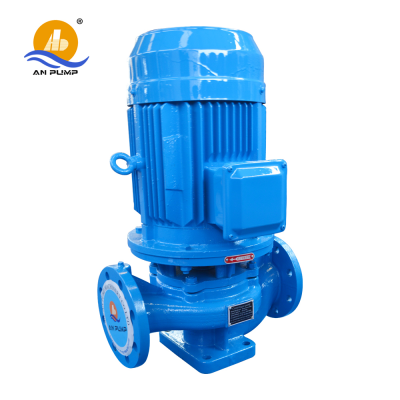


Robust Structure Walking Beam Pump with Stable Running Performance
$50000.00 - $150000.00
MOQ: 1 Pieces


Comprehensive Sourcing Guide
Strategic Sourcing Guide for Rod Beam Pump Systems
When evaluating procurement opportunities for rod beam pump systems, buyers must navigate a complex landscape of technical specifications, regulatory compliance, and supply chain logistics. The core keyword "With Rod Beam Pump" often points toward specific industrial applications in oil and gas extraction, water management, and chemical processing. However, the market data indicates a diverse array of pump types, including gear pumps, screw pumps, and jet pumps, each serving distinct operational needs. A disciplined approach requires distinguishing between the specific mechanical requirements of rod beam systems and the broader category of industrial pumping solutions. This guide synthesizes available product attributes and industry standards to provide a robust framework for sourcing decisions, ensuring that procurement strategies align with verified technical realities rather than unverified marketing claims.
Technical Architecture and Mechanical Specifications
The fundamental engineering of a rod beam pump system relies on precise mechanical interactions between the pump unit and the driving mechanism. In the context of the observed product data, the "rod beam" application is often associated with reciprocating motion, yet the catalog also features rotary mechanisms such as gear pumps and screw pumps. Buyers must verify the specific drive type required for their application. For instance, the data highlights a "Normal Line Gear Pump" with a "Cycloid" tooth curve and "Herringbone Tooth" flank, which suggests high-efficiency rotary transfer suitable for viscous fluids. Conversely, other entries describe "Single Screw Pump" configurations with "Single Suction" methods, which are critical for handling abrasive slurries or high-viscosity oils often found in rod beam operations.
Pressure ratings are a critical differentiator in these systems. The observed specifications include a maximum pressure of 70MPa, a figure that dictates the material strength and sealing requirements of the pump housing. Systems operating at this pressure level require rigorous validation of the "Pump Shaft Position," which can be either "Horizontal" or "Vertical" depending on the installation footprint and gravity feed requirements. Furthermore, the "Screw Number" and "Mesh Form" (specifically "Internal Engaged") define the internal geometry that determines flow consistency and shear rates. When sourcing, buyers should confirm whether the system utilizes a "Centrifugal Pump" theory or a positive displacement approach, as the latter is generally preferred for the consistent flow rates required in rod beam applications where "Constant Pump" performance is listed as a key attribute.
Compliance Framework and Certification Verification
Navigating the regulatory landscape is essential for ensuring that procured equipment meets international safety and quality standards. The product data reveals a wide spectrum of certifications, ranging from "CE" and "ISO" to more specialized standards like "ISO9001: 2000," "Atex," "UL," and "OIML." For buyers operating in hazardous environments, such as petroleum extraction sites where rod beam pumps are common, "Atex" certification is particularly vital as it addresses equipment suitability for explosive atmospheres. Similarly, "CE" marking indicates conformity with health, safety, and environmental protection standards for products sold within the European Economic Area.
It is crucial to distinguish between general quality management certifications and specific product safety approvals. While "ISO" appears frequently as a standard, the specific variant matters; for example, "ISO9001: 2000" represents a specific iteration of quality management that may be outdated compared to newer versions. Buyers must verify the current validity of these certifications rather than assuming their presence based on a general listing. Additionally, the "PEI" and "IFSF" certifications mentioned in the data suggest compliance with specific industry protocols, likely related to pump performance or safety in fluid handling. When evaluating a supplier, procurement teams should request valid, up-to-date certification documents that explicitly cover the specific model number, such as "HHB-70BQ" or "KCB," to ensure the certification applies to the exact hardware being purchased.
Cost Drivers and Economic Factors in Procurement
The economic landscape for rod beam pump systems is influenced by a combination of material costs, manufacturing complexity, and logistical requirements. The observed price range in the market spans from $0.50 to $150,000 USD, a vast disparity that reflects the difference between small auxiliary components and large-scale industrial pump assemblies. This range suggests that cost is not merely a function of the pump's size but is heavily driven by the "Automatic Grade" and the level of "Customization" available. Systems requiring "Customization" to fit specific well geometries or fluid properties will naturally command a higher price point.
Minimum Order Quantities (MOQ) also play a significant role in total cost of ownership. The data indicates an MOQ range of 1 to 200 units, offering flexibility for both pilot projects and large-scale deployments. Buyers should analyze whether the supplier offers tiered pricing structures that reduce the unit cost as the order volume approaches the upper limit of the MOQ range. Furthermore, the "Power" source of the pump, whether "Electric" or "Pneumatic," impacts operational costs. Electric pumps, such as those with power ratings between 0.25kw and 1.1kw, may offer lower long-term energy costs compared to pneumatic systems, which require a continuous supply of compressed air. The "Flow Rate" capacity, ranging from 4.03m³/day to 230.4m³/day, is another primary cost driver, as higher capacity pumps require more robust materials and larger motors, directly influencing the initial capital expenditure.
Operational Applications and Industry Alignment
Rod beam pump systems are versatile and serve a multitude of industries, each with unique operational demands. The product data identifies key application sectors including "Metallurgy," "Construction," "Petroleum," "Food," and "Chemical" processing. In the petroleum sector, the "No Leak" performance attribute is paramount, as any leakage can lead to environmental hazards and safety violations. Similarly, in the food and chemical industries, the "Corrosion" resistance of the pump materials is a critical selection criterion, as these fluids can degrade standard metal components rapidly.
The specific type of pump selected must align with the fluid properties and the operational environment. For example, "Jet Pumps" and "Single-stage Pumps" are often utilized in "Sewerage Treatment" applications where the fluid may contain solids or require high suction lift capabilities. In contrast, "Gear Pumps" with "Herringbone Tooth" flanks are better suited for the high-pressure, high-viscosity fluids found in "Petroleum" refining. Buyers must also consider the "Packing" requirements, which vary from "Wooden box" to "Marine Wooden Case" and "Standard Carton Case." The choice of packaging is not merely logistical; it reflects the intended shipping environment and the need for protection against moisture, corrosion, or physical damage during transit to locations such as "Zhejiang" or "Shanghai" in China.
Supplier Evaluation and Geographic Considerations
Evaluating potential suppliers requires a deep understanding of their geographic capabilities and logistical strengths. The product data indicates that manufacturers are located in "Zhejiang, China" and "Shanghai," two major industrial hubs known for their manufacturing prowess and export infrastructure. Suppliers in these regions often have established supply chains for raw materials and access to specialized labor, which can translate into competitive pricing and faster lead times. However, buyers must verify the specific origin of each unit, as "China" is a broad designation that may encompass various production facilities with differing quality control standards.
When assessing a supplier, buyers should look for evidence of "Standard Export Wooden Case" or "Marine Wooden Case" packaging, which indicates an experience in handling international shipping and compliance with export regulations. The "Standard" listed as "ISO" or specific numerical ranges like "4.03m³/day -230.4m³/day" should be cross-referenced with the supplier's production capacity. A supplier capable of meeting high-volume demands while maintaining "New" condition standards is preferable. Additionally, the availability of "Customization" services is a strong indicator of a supplier's technical capability and willingness to adapt to specific buyer requirements. Buyers should prioritize suppliers who can demonstrate a track record of delivering "Automatic Grade" equipment with consistent performance metrics.
Quality Control and Long-Term Procurement Strategy
Ensuring the long-term reliability of rod beam pump systems requires a rigorous quality control (QC) strategy that extends beyond the initial purchase. The "Condition" of the product is listed as "New," but this must be verified through pre-shipment inspections and post-delivery testing. Buyers should establish clear acceptance criteria based on the "Performance" attributes, such as "No Leak" and "Corrosion" resistance, and demand test reports that validate these claims. The "Tooth Curve" and "Mesh Form" specifications should be inspected to ensure they match the design drawings, as deviations can lead to premature wear and system failure.
Long-term procurement considerations also involve the availability of spare parts and maintenance support. The "Part" designation, such as "Pump" or specific model numbers like "U701-A," should be documented to ensure compatibility with future replacements. Buyers should negotiate service level agreements that include technical support for troubleshooting and maintenance. Furthermore, the "Standard" compliance, particularly regarding "ISO" and "CE," should be maintained throughout the product's lifecycle. Regular audits of the supplier's quality management systems can help ensure that the "Automatic Grade" and "Power" specifications remain consistent over time. By integrating these QC measures into the procurement strategy, buyers can mitigate risks and ensure the sustained operational efficiency of their rod beam pump systems.
Conclusion
Sourcing rod beam pump systems demands a meticulous approach that balances technical specifications, regulatory compliance, and economic factors. By leveraging the observed data on certifications, pressure ratings, and application areas, buyers can make informed decisions that align with their operational goals. The diversity of pump types, from gear pumps to jet pumps, offers solutions for a wide range of industries, but success depends on rigorous supplier evaluation and quality control. As the market continues to evolve, maintaining a focus on verified standards and performance metrics will be essential for securing reliable and efficient pumping solutions.
FAQs
What certifications are available for these pumps?
Available certifications include CE, ISO, ISO9001:2000, Atex, UL, and OIML. Buyers should verify specific model compliance, as some units carry Atex for hazardous environments while others meet general ISO standards.
Which pressure ratings are supported by the pumps?
The pumps support a maximum pressure of 70MPa. This high-pressure rating requires robust housing materials and is suitable for demanding applications in metallurgy, construction, and petroleum sectors.
Can I request customization for specific models?
Customization is available for these pump systems. Buyers can request modifications to fit specific operational needs, though this may affect lead times and pricing depending on the complexity of the request.
How is the product packed for shipping?
Packing options include wooden boxes, marine wooden cases, and standard carton cases. The choice depends on the destination and protection requirements, with marine cases often used for international export.
What is the minimum order quantity for these units?
The minimum order quantity ranges from 1 to 200 units. This flexibility allows buyers to purchase single units for testing or larger batches for industrial deployment without excessive inventory costs.
Which pump types are included in the catalog?
The catalog includes gear pumps, screw pumps, and jet pumps. Specific types like the Normal Line Gear Pump feature cycloid tooth curves, while others are designed for food or chemical applications.
Where are the manufacturers located?
Manufacturers are located in Zhejiang and Shanghai, China. These industrial hubs provide access to established supply chains and export infrastructure for shipping products globally.