Find With Wheels Rotomolded Ice Chest for Hiking, Camping, Beach
Source 30 verified options for a With Wheels Rotomolded Ice Chest designed for outdoor adventures. Buyers can compare insulation performance, capacity, and customization features across suppliers in Zhejiang to find the ideal cooler for picnics, hiking, or beach trips.
Key considerations
Products List
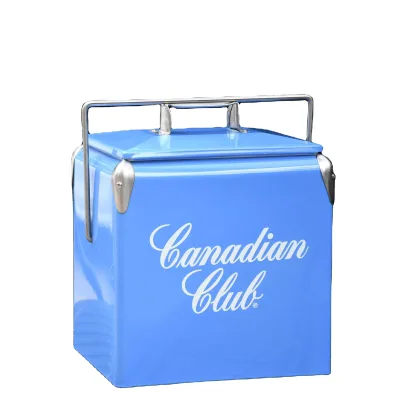
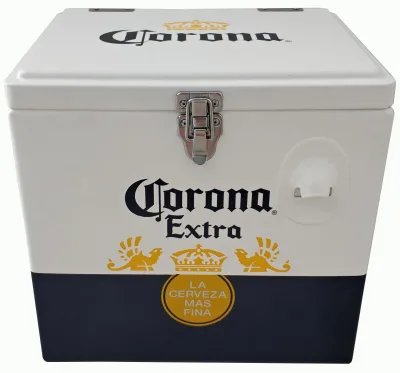


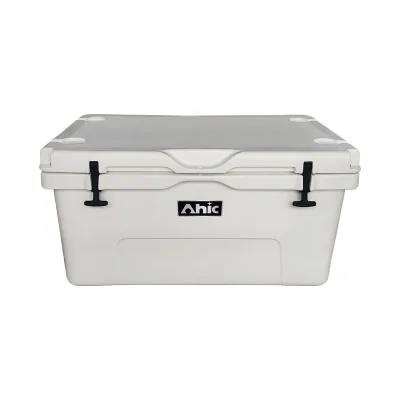
Fashion Plastic Outdoor Ice Chest for Picnic, Rotomolded Cooler Box for Fishing
$90.00 - $98.00
MOQ: 50 Pieces
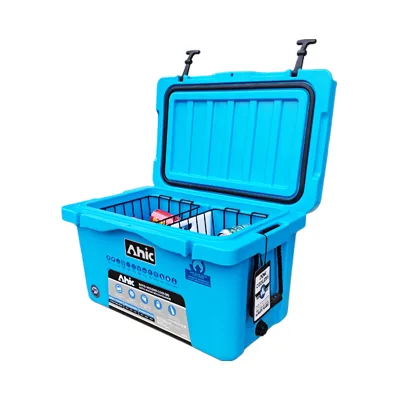
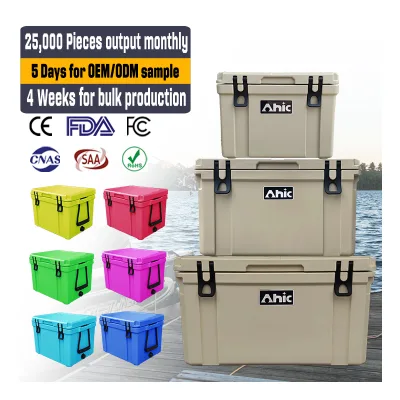
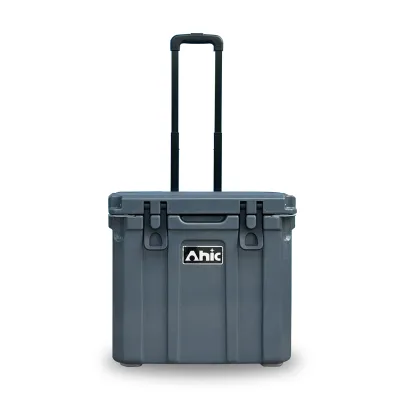
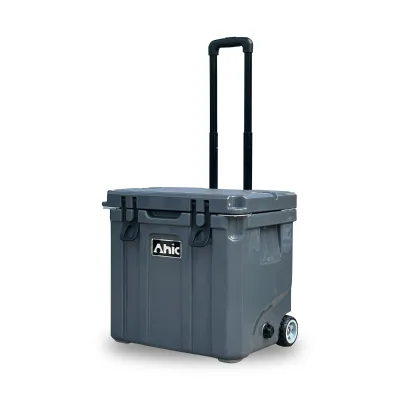
Custom Popular Size Ice Cooler with Wheels and Handle for Outdoor Camping
$70.71 - $74.81
MOQ: 5 pieces
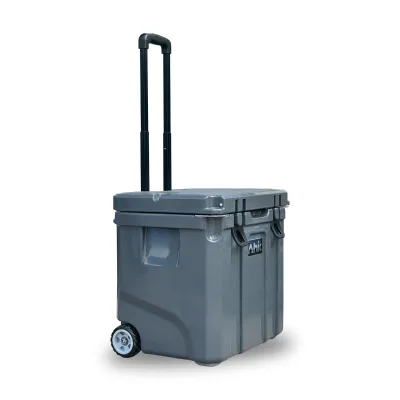
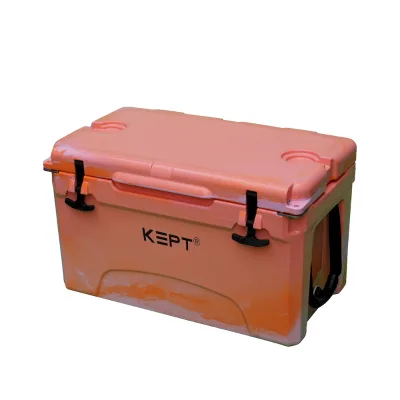
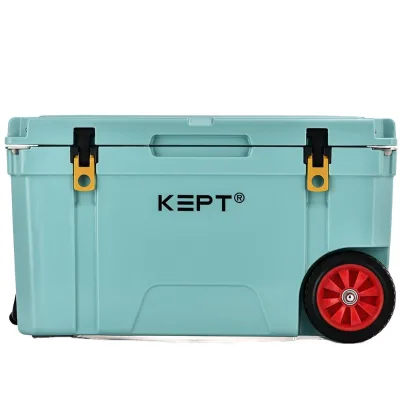
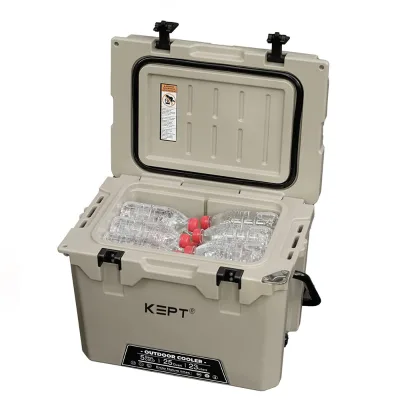
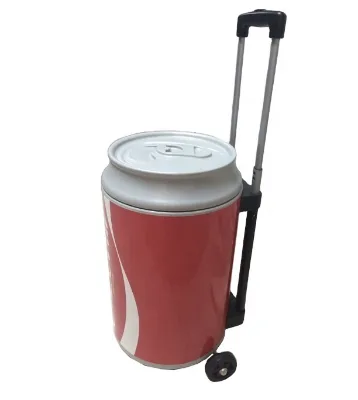
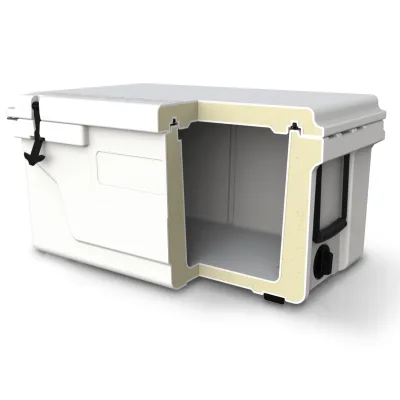
65 Quart Rotomolded Super Large Ice Chest Holds Ice up to 7 Days Ice Cooler
$59.00 - $80.00
MOQ: 10 pieces


Comprehensive Sourcing Guide
Strategic Sourcing Guide for Wheeled Rotomolded Ice Chests
Understanding the Product Category and Core Attributes
When sourcing a "With Wheels Rotomolded Ice Chest," buyers must first distinguish between the specific construction methods and the functional requirements implied by the core keyword. While the term "rotomolded" (rotational molding) typically refers to a specific manufacturing process that creates seamless, high-density polyethylene (HDPE) shells known for extreme durability and superior insulation, the supplied product data presents a mixed inventory profile. The available listings include products explicitly identified as having a "Plastic" material composition and a "Trolley" style, which aligns with the wheeled requirement. However, other entries in the dataset list "iron" as the primary material and specify "Foam" insulation rather than the monolithic foam core typical of true rotomolded units.
This distinction is critical for procurement strategy. A true rotomolded chest is generally characterized by a single-piece shell with no seams, offering superior structural integrity and ice retention. The observed data indicates a capacity range from 13 liters to 125 liters, with specific model numbers such as "byc-13l-a" and "G4-125L." The 125L models appear to be the larger, trolley-style units suitable for heavy-duty transport, whereas the 13L units are compact coolers. Buyers must verify if the specific "rotomolded" claim matches the actual construction method, as some suppliers may use the term loosely for any high-performance cooler. The observed bearing capacity for these units is listed as greater than 10 kg, and the gross weight for larger units can reach 26.5 kg, indicating a need for robust wheel assemblies and handle mechanisms to manage the load during outdoor travel.
Technical Specifications and Performance Metrics
Evaluating the technical specifications of wheeled coolers requires a focus on insulation efficiency, structural capacity, and logistical dimensions. The supplied data highlights an "Insulation Type" of Foam, which is standard for many cooler categories, though rotomolded units typically utilize a specific high-density foam injection. A key performance metric observed is the "Ice Holding Time" or "Cold Time," which is listed as 7 days for specific models. This is a significant claim that buyers should treat as a variable dependent on ambient temperature, pre-cooling methods, and the frequency of opening the lid. The "Soaking Time" is noted as greater than 6 hours, suggesting the unit's ability to maintain internal temperatures under specific test conditions.
The physical dimensions and packaging are equally vital for logistics planning. The single package size for the smaller 13L model is recorded as 35.5 x 23.5 x 36 cm, with a single gross weight of 4.5 kg. In contrast, the larger 125L models have a "Carton Size" of 94 x 58 x 53 cm and a significantly higher gross weight of 26.5 kg. These dimensions directly impact shipping costs and container utilization. The "Closed Way" is specified as "Latches," which is essential for maintaining a seal against water and pests. The "Carrying Options" include a "Handle," but for the "Trolley" style units, the presence of wheels is the primary differentiator. The "Feature" list includes "Waterproof," "Insulated," and "Keep Fresh," which are standard expectations but must be verified through physical inspection or third-party testing for the specific batch ordered.
Cost Drivers and Pricing Dynamics
The pricing landscape for wheeled rotomolded ice chests is influenced by several interconnected factors, primarily material composition, capacity, and customization levels. The observed listed price range in the market data spans from 5.92 USD to 800 USD. This wide variance suggests that the lower end of the spectrum likely corresponds to smaller, non-rotomolded units or those with simpler construction, while the upper end reflects large-capacity, trolley-style units with advanced insulation and custom branding. The "Selling Units" are listed as "Single item," indicating that buyers can purchase individual units, though bulk orders are necessary to access competitive pricing tiers.
Material costs are a primary driver. Units made of "Plastic" (likely HDPE for rotomolded applications) generally command higher prices than those made of "iron" or thinner plastics due to the complexity of the rotational molding process and the superior insulation properties of the resulting shell. Capacity is another major cost factor; the jump from a 13L unit to a 125L unit represents a nearly tenfold increase in material volume and insulation requirements, which naturally escalates the unit cost. Customization is a significant variable; the data confirms that "Customized Color," "Customized Logo," and "OEM/ODM" are acceptable services. Implementing custom colors from a palette including White, Red, Purple, Pink, Orange, Green, Gray, and Blue, or adding a specific logo, adds to the production complexity and cost. Buyers should anticipate that the "Accept Customized Made Logo" feature may require a higher Minimum Order Quantity (MOQ) or a setup fee, although the observed MOQ range varies from 1 to 4999 units, with specific listings showing 50 or 100 pieces as thresholds.
Supplier Evaluation and Verification Protocols
When evaluating suppliers for wheeled rotomolded ice chests, buyers must rigorously verify the claims made in product listings against actual manufacturing capabilities. The "Place of Origin" for the observed products is consistently "Zhejiang, China" or "Zhejiang, China (Mainland)," a region known for a high concentration of plastic manufacturing and cooler production. However, the presence of "iron" material listings alongside "plastic" listings in the same dataset suggests that some suppliers may offer diverse product lines or that the keyword search results aggregate different product types. Buyers must explicitly confirm whether the specific supplier they are engaging utilizes rotational molding technology or if they are sourcing injection-molded or foam-lined alternatives.
The "Supply Ability" is listed as 5000 pieces per month, which provides a baseline for capacity planning. However, buyers should verify this figure against the supplier's current production schedule and raw material availability. The "Delivery Time" is noted as 20 days for standard orders, but for large container loads (e.g., "One 40hq Container"), the lead time may extend or require specific scheduling. The "Port of dispatch" is identified as "Ningbo," a major shipping hub, which is advantageous for international logistics. Crucially, buyers should not assume that all listed attributes apply to every unit. For instance, while "OEM/ODM" is marked as acceptable, the specific requirements for mold development, color matching, and logo placement must be defined in a formal contract. The "Disposable" status is listed as "Non-Disposable," confirming the intended durability of the product, but this should be reinforced with warranty terms and durability testing protocols.
Compliance, Certification, and Quality Assurance
Ensuring compliance and quality for food-contact coolers is paramount, as these units are often used for storing perishables during picnics, hiking, and beach trips. The supplied data does not explicitly list specific certification standards (such as FDA, LFGB, or BPA-free certifications), which is a common gap in general product listings. Buyers must proactively request documentation to verify that the "Plastic" material used is food-grade and safe for contact with food and beverages. The "Feature" of being "Waterproof" implies a certain level of sealing integrity, but buyers should verify the specific IP rating or conduct water resistance tests to ensure the unit meets the demands of outdoor travel.
Quality control should focus on the structural integrity of the "Trolley" style units. The "Bearing Capacity" is stated as greater than 10 kg, but for a 125L unit with a gross weight of 26.5 kg, the wheels and frame must support significantly more than this minimum to ensure stability when fully loaded. The "Packing" method, described as "Carton+PE Bag" or "PE Bag+Carton Box," is designed to protect the unit during transit, but buyers should inspect the packaging for damage upon receipt. The "Single gross weight" and "N.W." (Net Weight) figures provided are essential for calculating freight costs and ensuring that the shipping documentation matches the physical goods. Buyers should also verify the "Insulation Type" to ensure it meets the claimed "7 Days" ice retention, as this is a critical performance metric for commercial and recreational use.
Typical Applications and Long-Term Procurement Considerations
The versatility of wheeled rotomolded ice chests makes them suitable for a wide range of applications, as indicated by the "Usage" attributes: Picnics, Hiking, Camping, Beach Trips, and Outdoor Travel. The "Trolley" style, with its wheels and handle, is particularly advantageous for beach trips and camping where the terrain may be uneven or where the load is too heavy to carry by hand. The "Color" options, ranging from standard White and Gray to vibrant Red, Purple, Pink, Orange, Green, and Blue, allow for branding opportunities or personalization for different market segments. The "Style" is explicitly defined as "Trolley," which differentiates these units from standard backpack coolers or hard-shell cases without wheels.
For long-term procurement, buyers should consider the lifecycle of the product. The "Non-Disposable" nature suggests a long service life, but the durability of the wheels, latches, and insulation over time is a key consideration. The "Cold Time" of 7 days is a strong selling point, but real-world performance can vary based on usage patterns. Buyers should establish a relationship with suppliers who offer consistent quality control and are willing to provide samples for testing. The "Customization" availability allows for brand differentiation, which can be a strategic advantage in competitive markets. However, buyers must balance the desire for customization with the potential impact on lead times and costs. The "MOQ" of 50 to 100 pieces offers flexibility for smaller buyers, while larger orders can leverage the "Supply Ability" of 5000 pieces per month. Ultimately, successful procurement relies on clear communication of specifications, rigorous quality verification, and a thorough understanding of the supplier's manufacturing capabilities to ensure the final product meets the demanding requirements of outdoor and commercial use.
FAQs
How long can the ice hold in the cooler box?
The ice holding time is up to 7 days for specific models. This duration depends on ambient temperature, pre-cooling methods, and how often the lid is opened during outdoor travel or beach trips.
What is the minimum order quantity for custom logos?
The minimum order quantity varies between 50 and 100 pieces depending on the specific listing. Customized logos are acceptable, but buyers should confirm the exact threshold with the supplier before placing an order.
Which materials are used to construct these cooler boxes?
Products are available in both iron and plastic materials. Plastic units often feature foam insulation, while iron models may use different construction methods, so verify the material composition for your specific needs.
Can I get a cooler box with a trolley style?
Yes, trolley style units are available with wheels for easy transport. These models often have a larger capacity like 125 liters and a bearing capacity greater than 10 kg for heavy loads.
Where are these products manufactured and shipped from?
The place of origin is Zhejiang, China, and the port of dispatch is Ningbo. This location is a major hub for plastic manufacturing, ensuring a supply ability of up to 5000 pieces per month.
What is the delivery time for a standard order?
The standard delivery time is 20 days for most orders. For large container loads like a 40HQ container, the lead time may require specific scheduling to ensure timely arrival at the destination.
How much does the cooler box weigh when packed?
The gross weight ranges from 4.5 kg for smaller 13L units to 26.5 kg for larger 125L models. These weights include the carton and PE bag packaging used to protect the unit during transit.