Source With Pump And Expansion Tank Electric Heating Boiler for Home, Business, and Industrial
Find 30 verified options for a With Pump And Expansion Tank Electric Heating Boiler suitable for home, business, and industrial applications. Compare features like voltage, power settings, and certifications to select the right unit for your needs.
Key considerations
Products List


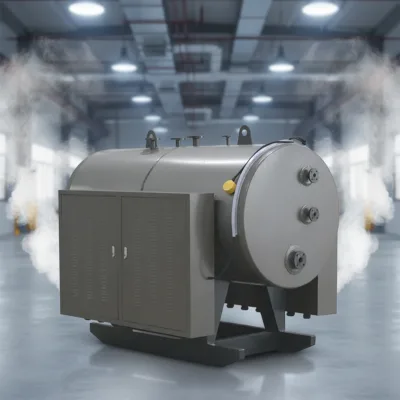
Comprehensive Sourcing Guide
Strategic Sourcing Guide for Electric Heating Boilers with Pump and Expansion Tank
The procurement of electric heating boilers equipped with integrated pumps and expansion tanks represents a critical decision for facilities requiring reliable thermal management. These systems are engineered to provide consistent hot water distribution for diverse applications, ranging from residential heating to large-scale industrial processes. The core keyword "with pump and expansion tank" signifies a closed-loop system designed to maintain stable pressure and flow rates, ensuring operational efficiency and safety. Buyers must navigate a complex landscape of technical specifications, regulatory compliance, and supply chain dynamics to secure equipment that meets their specific thermal load requirements without compromising on safety or longevity.
Technical Architecture and System Configuration
Understanding the technical architecture of an electric heating boiler is the first step in the sourcing process. The fundamental unit relies on electric heating elements to convert electrical energy into thermal energy, transferring heat to the water within the system. In the context of the available market data, these units often feature high-power configurations, with observed heating power ratings exceeding 2500W. This high power density allows for rapid heating cycles, which is essential for applications requiring immediate hot water availability. The system typically utilizes a water tube structure, where water flows through tubes surrounded by the heating elements, facilitating efficient heat transfer.
The inclusion of a pump and expansion tank transforms a simple heater into a complete circulation system. The pump ensures forced circulation, overcoming natural convection limitations and delivering consistent flow to distant radiators or fixtures. The expansion tank is equally vital; it accommodates the thermal expansion of water as it heats up, preventing dangerous pressure spikes that could damage the boiler or piping. The market data indicates that these systems often operate with a pressure rating, suggesting they are designed for pressurized environments rather than atmospheric ones. Furthermore, the installation type varies, with options ranging from assembled boilers to specific configurations like outdoor or balcony installations, depending on the spatial constraints of the facility.
Operational Modes and Control Systems
Modern electric heating boilers offer a sophisticated array of control methods to optimize performance and user convenience. The observed control mechanisms include smart control, remote control, and manual operation. Smart control systems often integrate digital displays, allowing operators to monitor real-time temperature and pressure data. This digital interface is crucial for precise temperature adjustment, enabling the system to maintain a set point with minimal fluctuation. The availability of multiple heat settings, such as low, medium, and high, provides flexibility in managing energy consumption based on demand.
Safety is paramount in these operational modes. The systems are equipped with overheat protection and auto shut-off functions, which act as fail-safes to prevent damage during malfunction or extreme conditions. For users requiring enhanced security, child lock features are often available to prevent unauthorized adjustments. The energy-saving mode is another critical feature, designed to reduce power consumption during periods of low demand. The fuel source is exclusively electric, aligning with global trends toward electrification and decarbonization. The bearing configuration is typically closed, ensuring a sealed system that minimizes maintenance requirements and prevents contamination.
Compliance, Certification, and Regulatory Standards
Navigating the regulatory landscape is a non-negotiable aspect of sourcing industrial and commercial heating equipment. The market data highlights a robust array of certifications, including CE, EAC, TUV, GOST, ISO9001, RoHS, and CCC. These certifications indicate that the products have undergone rigorous testing for safety, electromagnetic compatibility, and environmental compliance. The CE mark, for instance, is essential for selling products within the European Economic Area, while the EAC certification is required for the Eurasian Economic Union. The GOST standard is specific to Russia and neighboring countries, ensuring compliance with regional technical regulations.
Buyers must verify that the specific model they intend to purchase holds the necessary certifications for their target market. The presence of ISO9001 certification suggests that the manufacturer adheres to international quality management standards, which is a strong indicator of process reliability. Additionally, RoHS compliance ensures that the equipment does not contain restricted hazardous substances, which is increasingly important for environmental regulations. The manufacturing level and specific standards, such as the dimensions provided (e.g., 400680250mm or 815500510mm), should be cross-referenced with local building codes and installation requirements. Failure to verify these certifications can lead to legal liabilities and operational shutdowns.
Cost Drivers and Procurement Economics
The total cost of ownership for an electric heating boiler is influenced by several factors beyond the initial purchase price. The observed price range in the market is vast, spanning from $2.85 to $250,000, reflecting the diversity of capacities and configurations available. High-power models, such as those rated at 12KW, 30KW, or even 65KW, will naturally command higher prices due to the increased material costs and manufacturing complexity. The housing material, often stainless steel, also contributes to the cost, offering superior corrosion resistance and durability compared to standard steel alternatives.
Minimum Order Quantity (MOQ) is another significant economic factor. The observed MOQ range is between 1 and 200 units, offering flexibility for both small-scale projects and large industrial deployments. Buyers should consider the supply capability of the manufacturer, particularly if OEM or ODM support is required. Customization is available in the market, allowing buyers to tailor the product to specific needs, which can impact the final cost. The packaging method, whether shipping containers or carton packaging, also affects logistics costs. Buyers must evaluate the trade-off between unit price and the total landed cost, including shipping, insurance, and potential tariffs, to make an informed financial decision.
Application Scenarios and Usage Versatility
The versatility of electric heating boilers with pumps and expansion tanks makes them suitable for a wide range of applications. The market data indicates usage in both home and business environments, as well as industrial settings. Specific applications include kitchens, bathrooms, and swimming pools, where consistent hot water supply is critical. The water storage mode is often instant heating, which is ideal for applications requiring immediate hot water without the need for large storage tanks. This feature is particularly beneficial for commercial kitchens or public swimming facilities where demand fluctuates rapidly.
In industrial contexts, the boiler may serve as a central heating source for large facilities. The vertical drum placement and natural water circulation design are optimized for specific industrial processes. The burning style, described as chamber combustion boiler in some contexts, suggests a specific internal configuration that enhances heat transfer efficiency. The ability to support both domestic and industrial usage highlights the adaptability of these systems. Buyers should carefully assess their specific thermal load requirements to select a model with the appropriate power rating and flow capacity.
Supplier Evaluation and Quality Assurance
Selecting the right supplier is as critical as selecting the right product. The market data indicates that the origin of these products is primarily Hebei, China, a region known for its manufacturing capabilities in heating equipment. Buyers should evaluate suppliers based on their supply capability, which includes the ability to support OEM and ODM requests. The availability of customization is a strong indicator of a supplier's flexibility and willingness to meet specific client needs.
Quality assurance should be a primary concern. Buyers must verify the manufacturing level and the adherence to standards such as ISO9001. The presence of certifications like CCC and CE is a prerequisite for market entry in many regions. It is essential to request test results and performance data from the supplier to validate the product's claims. The supplier's ability to provide after-sales support, including spare parts and technical assistance, is also a key factor in the evaluation process. Buyers should avoid suppliers who cannot provide clear documentation regarding their certifications and quality control processes.
Long-Term Procurement and Maintenance Considerations
Long-term procurement strategies should focus on the durability and maintainability of the electric heating boiler. The housing material, typically stainless steel, offers excellent resistance to corrosion, extending the lifespan of the unit. The installation type, whether indoor or outdoor, should be chosen based on the environmental conditions of the site. For outdoor installations, the equipment must be rated to withstand weather elements. The energy efficiency grade, such as the "One" grade observed in the market, indicates high efficiency, which translates to lower operating costs over time.
Maintenance requirements should be minimal for well-designed systems, but regular inspections are necessary to ensure optimal performance. The closed bearing configuration and sealed system design reduce the need for frequent maintenance. However, buyers should establish a maintenance schedule that includes checking the pump and expansion tank for leaks or pressure issues. The availability of spare parts and the supplier's support network are crucial for minimizing downtime. By prioritizing long-term reliability and efficiency, buyers can ensure that their investment in electric heating boilers delivers consistent value over its operational life.
FAQs
What certifications do these electric heating boilers have?
These boilers hold certifications including CE, EAC, TUV, GOST, ISO9001, RoHS, and CCC. Buyers must verify that specific models possess the required certifications for their target market to ensure regulatory compliance and safety.
How is the heating power rated for these units?
The heating power exceeds 2500W, with specific models available at 12KW, 30KW, and 65KW. This high power density enables rapid heating cycles suitable for both residential and industrial applications requiring immediate hot water.
Can the product be customized for specific needs?
Yes, customization is available and OEM or ODM support is provided. Buyers can tailor specifications to meet unique requirements, though this may impact the final cost and lead time depending on the manufacturer.
What control methods are available for operation?
Control methods include smart control, remote control, and manual operation with digital displays. These systems offer features like temperature adjustment, overheat protection, and auto shut-off to ensure safe and efficient daily operation.
Where are these electric heating boilers manufactured?
The products originate from Hebei, China, a region known for heating equipment manufacturing. Buyers should consider this location when evaluating logistics costs, lead times, and the specific supply capabilities of potential vendors.
What is the minimum order quantity for these boilers?
The minimum order quantity ranges from 1 to 200 units, offering flexibility for various project sizes. This range allows small businesses to purchase single units while supporting large industrial deployments with bulk orders.
Which voltage specifications are supported by these units?
The units operate at 380V, which is standard for many industrial and commercial applications. This voltage requirement must be matched with the facility's electrical infrastructure to ensure proper installation and safe operation.