Source With Zipper Neoprene Cable Sleeve for Wire Protection
Find and compare 30 listings for With Zipper Neoprene Cable Sleeve designed to protect electric wires and optical cables. Evaluate options featuring neoprene wrap material, nylon velcro, and working temperatures ranging from -50°C to +150°C for reliable insulation and storage.
Key considerations
Products List
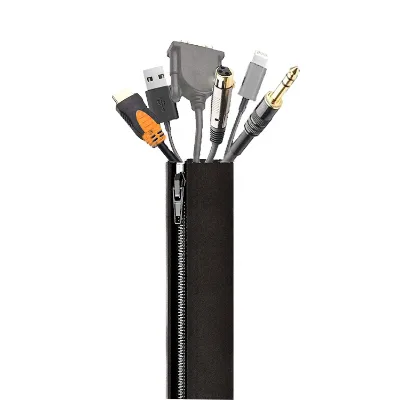


Waterproof Neoprene Cable Management Sleeve with Zipper Wire Hider Cover Organizer
$1.50 - $8.00
MOQ: 500 Pieces

Eko Flexible Neoprene Zipper Cable Organizer Cable Management Sleeve for Cord Cover
$1.50 - $8.00
MOQ: 500 Pieces


Adjustable with Zipper Cable Sleeves Cable Wire Organizer Management Sleeve
$0.02 - $0.04
MOQ: 100 Meters
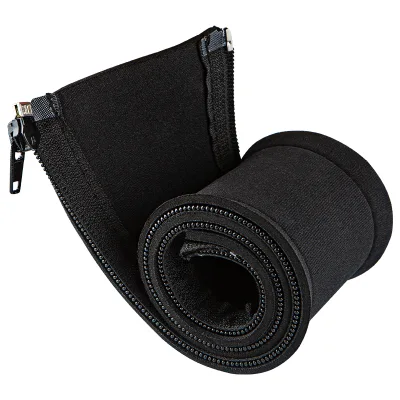
Wholesale Adjustable Neoprene Flexible Cable Management Sleeve with Zipper
$0.84 - $1.29
MOQ: 10 pieces
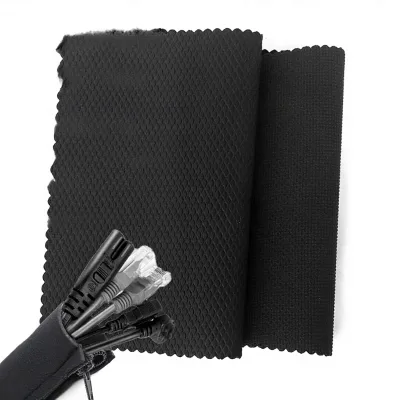


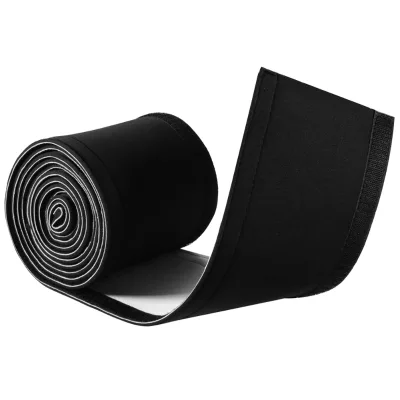


Premium Textile Cable Sleeve for Streamlined and Organized Cable Handling
$0.15 - $1.40
MOQ: 1000 Meters


Comprehensive Sourcing Guide
With Zipper Neoprene Cable Sleeve Sourcing Guide
Procuring with zipper neoprene cable sleeves requires a nuanced understanding of material properties, mechanical durability, and environmental resilience. These components serve as critical protective barriers for electrical wiring and optical cables, offering a reusable alternative to traditional heat shrink or fixed insulation methods. The core value proposition lies in the combination of neoprene’s flexibility and abrasion resistance with the convenience of a zipper closure, which allows for rapid installation, maintenance, and re-accessibility without cutting the sleeve. Buyers must navigate a market where product attributes vary significantly by manufacturer, making precise specification verification essential to avoid mismatches between supplier offerings and operational requirements.
The sourcing landscape for these sleeves is characterized by a wide range of models, from specialized neoprene zippered variants to broader categories of wire protection such as heat-shrinkable tubes and PTFE-based storage sleeves. While the core keyword focuses on the neoprene zipper design, successful procurement often involves evaluating complementary products that share similar protective functions but differ in application logic. For instance, some listings may highlight spiral wrapping or polyethylene materials, which offer different IP ratings and tensile strengths. Understanding these distinctions ensures that the selected product aligns with the specific voltage, temperature, and physical stress conditions of the end-use environment.
Product Scope and Observed Listing Signals
The observed product range for cable protection includes distinct categories such as neoprene zipper cable sleeves, spiral wrapping sleeves, and heat-shrinkable insulation tubes. Neoprene zipper models, often identified by specific product codes like BS-NEO or BS-NZCS series, are designed for environments requiring frequent access to wiring harnesses. These sleeves typically feature a nylon velcro or integrated zipper mechanism, allowing for a secure seal that can be opened and closed repeatedly. In contrast, spiral wrapping and heat-shrink options provide permanent or semi-permanent protection, making them suitable for applications where maintenance access is not required. Buyers should carefully distinguish between these types to ensure the chosen solution supports the lifecycle maintenance strategy of the assembly.
Listing signals indicate that these products are primarily manufactured in China, with specific origins noted in regions like Fujian. The observed price range is broad, spanning from minimal unit costs to higher-value specialized items, reflecting differences in material thickness, width, and certification levels. Minimum Order Quantities (MOQs) vary significantly, ranging from single-piece samples to bulk orders of thousands of units, which impacts initial procurement planning. Additionally, packaging methods differ, with some suppliers offering individual bagging for samples and others providing carton packing for bulk shipments. These logistical details are crucial for calculating total landed costs and determining the feasibility of small-batch testing versus large-scale deployment.
Technical Specifications to Verify
When evaluating neoprene zipper cable sleeves, the internal diameter (ID) range is a primary technical constraint. Suppliers often list standard ID ranges, such as 20mm to 60mm or 15mm to 50mm, which must be matched precisely to the outer diameter of the cables being protected. The thickness of the neoprene material, commonly observed at 3mm, directly influences the sleeve’s abrasion resistance and thermal insulation properties. Buyers must verify that the selected thickness meets the mechanical stress requirements of the installation environment, particularly in high-vibration or high-friction contexts. Additionally, the width of the sleeve, which can extend to 130cm in some spiral or flat-wrapped variants, determines the coverage area and ease of wrapping around complex cable bundles.
The working temperature range is another critical specification that dictates material suitability. Neoprene zipper sleeves are frequently rated for extreme conditions, with observed ranges spanning from -50°C to +150°C or -40°C to +150°C. These ranges ensure that the material remains flexible and intact in both freezing and high-heat environments, preventing brittleness or melting. Furthermore, the durability of the zipper mechanism, often cited as having a life of 3000+ cycles, is a key performance indicator for reusable sleeves. Buyers should also consider the tensile strength of the material, which may be specified in MPa, to ensure the sleeve can withstand pulling forces during installation without tearing.
Compliance and Safety Documentation
Certification requirements vary depending on the end-use industry, with electrical and automotive sectors demanding rigorous safety standards. Common certifications observed in the market include RoHS, ISO, UL, CSA, and CE. RoHS compliance ensures that the neoprene and zipper materials are free from specific hazardous substances, which is critical for environmental regulations in many regions. ISO certification indicates adherence to quality management systems, providing assurance of consistent manufacturing processes. For electrical applications, UL and CSA certifications are often mandatory, verifying that the insulation properties meet North American safety standards for voltage resistance and flame retardancy.
Specific safety standards, such as UL224 VW-1, may apply to certain insulation tubes or sleeves, indicating compliance with vertical flame testing requirements. Buyers must verify that the product documentation explicitly lists the relevant certifications for their target market, as generic claims may not cover all regulatory needs. Additionally, the rated voltage of the insulation, often observed at 600V for low-voltage applications, must be confirmed to prevent electrical breakdown. It is essential to request test reports or certification copies from suppliers to validate these claims, ensuring that the purchased sleeves meet the legal and safety obligations of the final product assembly.
Cost Drivers and Commercial Terms
The cost of neoprene zipper cable sleeves is influenced by several factors, including material quality, thickness, and the complexity of the zipper mechanism. Thicker neoprene and higher-grade nylon zippers typically command higher prices due to increased material costs and manufacturing precision. Customization options, such as specific colors, widths, or branded packaging, can also impact the unit price and minimum order quantities. Buyers should assess whether the additional cost of customization provides sufficient operational benefit, such as improved brand visibility or enhanced fit, to justify the investment.
Commercial terms, including packaging and sample availability, play a significant role in the total procurement cost. Suppliers often offer samples to allow for physical verification of quality and fit, which is a recommended step before committing to large orders. Packaging methods, such as PP bags for individual units or cartons for bulk shipments, affect handling efficiency and storage requirements. Lead times and MOQs are also critical commercial considerations, with higher MOQs often resulting in lower unit prices but requiring greater inventory commitment. Buyers should negotiate terms that balance cost efficiency with flexibility, particularly for initial orders or projects with uncertain volume requirements.
Supplier Qualification and Quality Control
Supplier qualification begins with verifying the manufacturer’s location and production capabilities. Many suppliers are based in China, with specific manufacturing hubs in regions like Fujian, which is known for its textile and rubber product industries. Buyers should assess the supplier’s ability to provide consistent quality, particularly regarding the uniformity of the neoprene thickness and the reliability of the zipper closure. Requesting detailed product datasheets and material composition reports can help verify that the supplier uses genuine neoprene and high-quality nylon for the zipper components.
Quality control processes should include checks for dimensional accuracy, tensile strength, and temperature resistance. Buyers may request third-party test reports to validate claims regarding working temperature ranges and tensile strength values. Additionally, inspecting the packaging and labeling for clarity and accuracy is important, as proper labeling ensures correct identification and handling during installation. Establishing a clear communication channel with the supplier for addressing defects or discrepancies is essential for maintaining supply chain integrity. Regular audits or sample inspections can help ensure that the supplier maintains consistent quality standards over time.
Long-Term Procurement Checks
Long-term procurement success depends on monitoring the performance of the cable sleeves in real-world conditions. Buyers should track metrics such as zipper durability, material degradation under UV exposure, and resistance to chemicals or oils. Neoprene is generally resistant to many chemicals, but specific formulations may vary, so it is important to verify compatibility with the fluids present in the application environment. Regularly reviewing supplier performance, including on-time delivery and responsiveness to issues, helps maintain a reliable supply chain.
As technology and regulations evolve, buyers should stay informed about updates to safety standards and material regulations. This includes monitoring changes in RoHS directives or new insulation standards that may affect product compliance. Building a relationship with suppliers who offer continuous improvement and innovation can provide access to newer, more efficient products. Additionally, maintaining a diverse supplier base can mitigate risks associated with single-source dependencies, ensuring continuity of supply even if one supplier faces production or logistical challenges.
FAQs
What certifications do the neoprene cable sleeves have?
The products hold ISO, RoHS, UL, CSA, and CE certifications depending on the specific model. These certifications ensure compliance with international safety and environmental standards for electric wire protection applications.
Can I customize the size and packaging of the sleeves?
Customization is available for various product specifications including inner diameter and length. Packaging options include PP bags, cartons, or specific quantities like 1m, 2m, or 3m per piece based on buyer requirements.
What is the working temperature range for these sleeves?
The working temperature ranges from -50°C to +150°C for some models and -40°C to +150°C for others. This wide range ensures reliable performance in diverse environmental conditions for electric wire and optical cable protection.
Which materials are used for the zipper and sleeve?
The wrap material is neoprene while the zipper material is nylon. These materials provide durability and flexibility, making them suitable for protecting electric wires and optical cables in various industrial applications.
How is the product packed for shipment?
Products are typically packed in PP bags and cartons or individually in bags. Specific packing configurations vary by model, such as 1m, 2m, or 3m per piece, ensuring safe transport and easy handling.
What is the minimum order quantity for these sleeves?
The minimum order quantity ranges from 1 to 2000 units depending on the specific product model and customization needs. Buyers should verify the exact MOQ with suppliers for their selected specifications.
Are samples available for testing before bulk orders?
Samples are available for buyers to test product quality and fit before committing to large orders. This allows verification of specifications like inner diameter, thickness, and temperature resistance prior to full procurement.