Source Women Dance Unitards for ballet, training, and stage
Find 30 Women Dance Unitards from Chinese manufacturers with customization options. Compare styles like jumpsuits and unitards in materials such as polyester and lycra for ballet, gym, and sport occasions; compare the available evidence and request quotations based on your requirements.
Updated
Key considerations
Products List


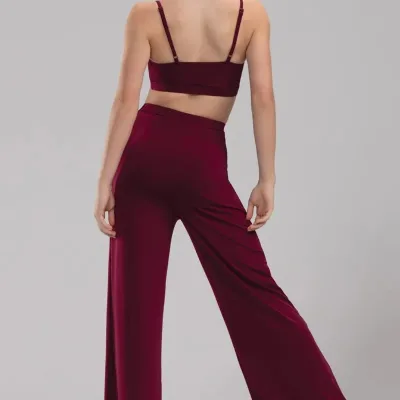
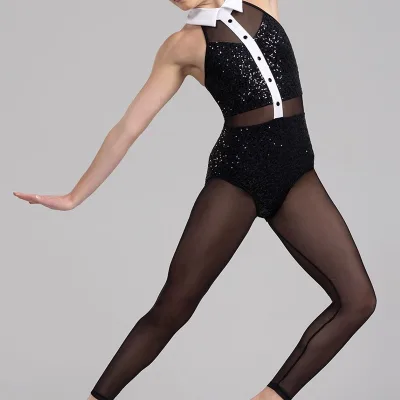
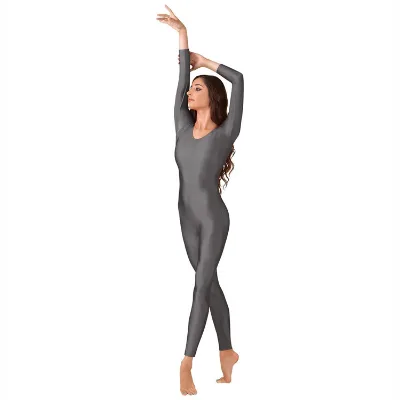
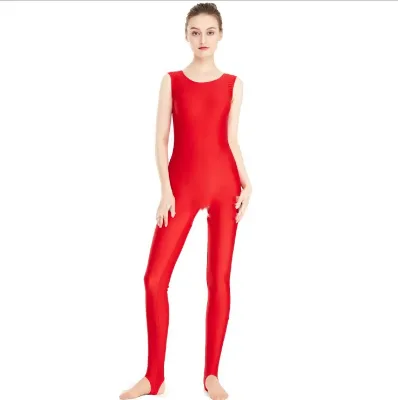
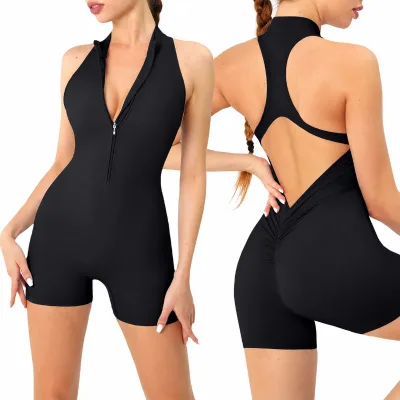
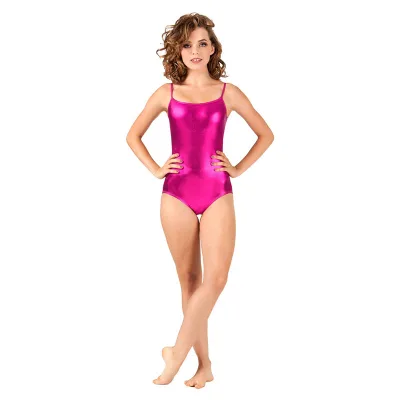
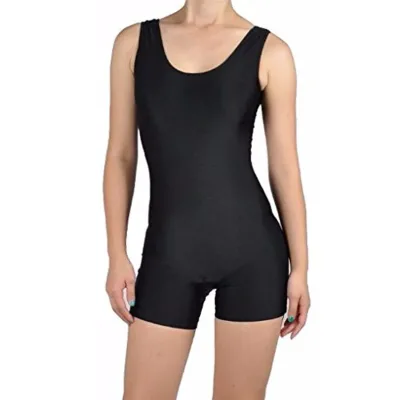
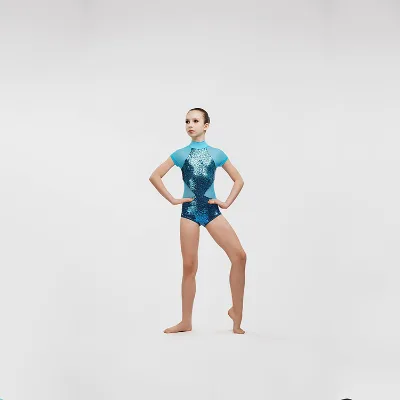
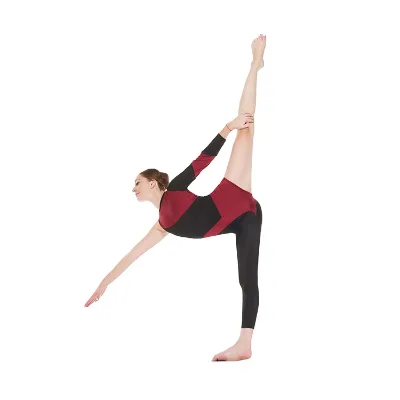
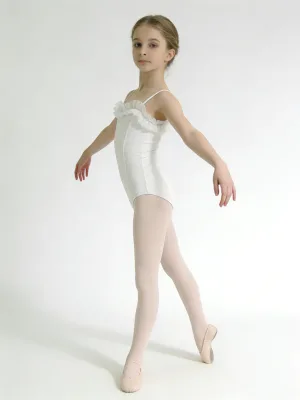
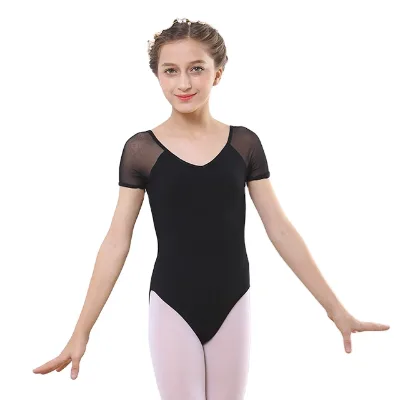
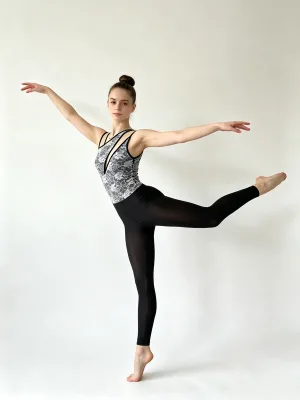
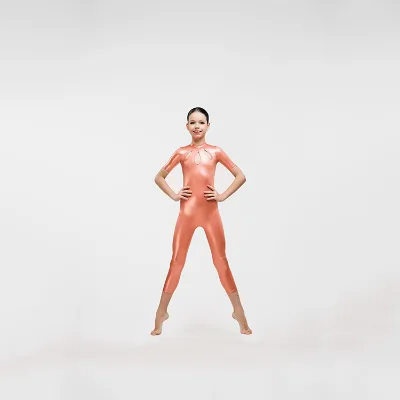
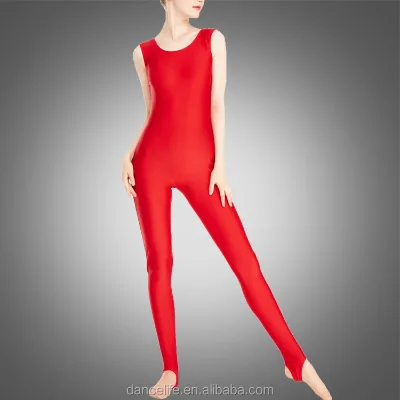
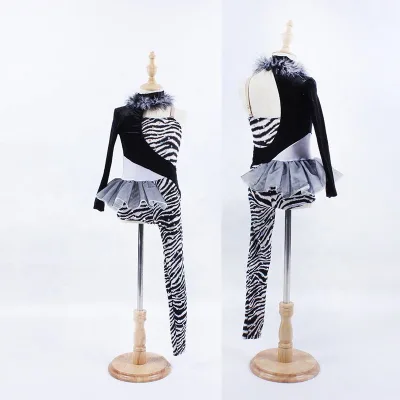
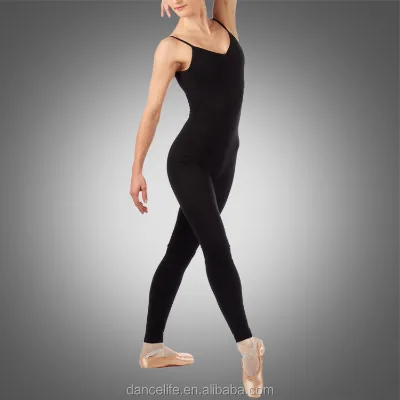
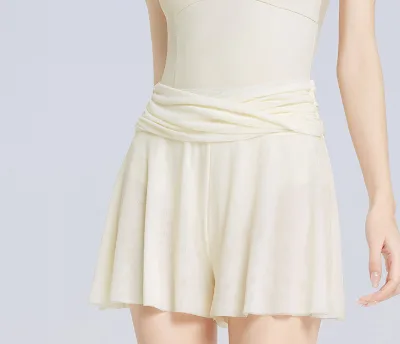
Adult Women's Soft Mesh Unitards Ballet Dance Training Shorts DanceLife
$7.1487 - $9.0135
MOQ: 1 pieces
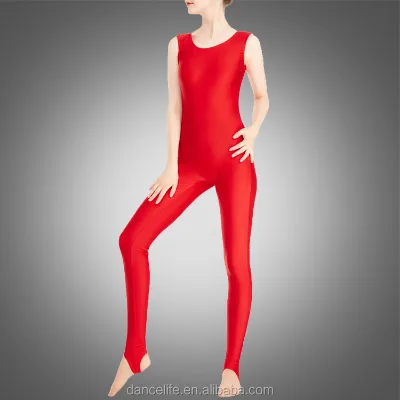
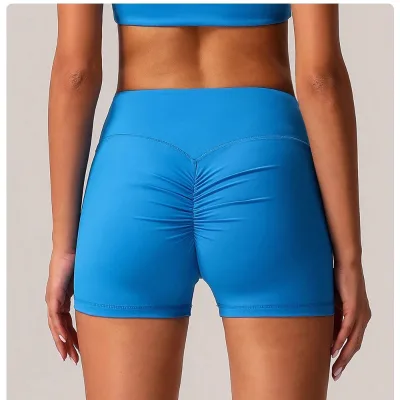


Comprehensive Sourcing Guide
Women Dance Unitards Sourcing Guide
Procuring Women Dance Unitards requires a nuanced understanding of performance fabric dynamics and aesthetic customization. Buyers must distinguish between standard stock items and bespoke designs, as the market offers both ready-to-ship solutions and extensive OEM services. The observed product range indicates a strong emphasis on handcrafted techniques and specific material blends, which directly influence durability and fit. Sourcing decisions should prioritize suppliers who demonstrate transparency in their production methods and material sourcing, ensuring that the final garment meets the rigorous demands of professional dance environments.
The diversity in observed listings suggests that buyers should not assume uniformity across all suppliers. Attributes such as age group, gender specificity, and style variations like jumpsuits or unitards indicate a segmented market. Buyers need to verify whether a supplier specializes in a particular niche, such as ballet or general stage wear, to ensure alignment with their specific procurement needs. Understanding these distinctions helps in filtering potential partners and focusing on those whose capabilities match the intended application, whether for training, performance, or casual wear.
Product Scope and Observed Listing Signals
The current market landscape for Women Dance Unitards reveals a wide array of product attributes that buyers must navigate carefully. Observed listings highlight specific materials such as polyester/cotton blends, polyester with spandex, and lycra-nylon combinations, each offering distinct benefits in terms of stretch, breathability, and durability. The presence of handmade techniques suggests a segment focused on artisanal quality, while other listings emphasize mass production capabilities with OEM services. Buyers should analyze these signals to determine if they require high-volume, standardized units or smaller batches of customized, handcrafted pieces.
Color and style variations further define the product scope, with observed options including burgundy, black, sky blue, red, and grey. The style categories range from unitards to jumpsuits, catering to different dance forms and personal preferences. Additionally, the availability of customized sizes, from XXS to 3XL, indicates a focus on inclusivity and fit precision. Buyers must assess whether these observed attributes align with their target demographic and performance requirements, ensuring that the selected unitards not only look appropriate but also function effectively under the physical stresses of dance movements.
Technical Specifications to Verify
Verifying technical specifications is critical to ensuring that the unitards meet performance standards. Buyers should confirm the exact material composition, as blends like lycra and nylon offer different elasticity and recovery rates compared to polyester and spandex. The single gross weight and package dimensions observed in listings provide insights into the product's density and packaging efficiency, which can impact shipping costs and storage requirements. It is essential to request detailed fabric specifications, including thread count and weave type, to assess durability and comfort during extended wear.
Size accuracy and customization options are another key area for verification. Observed size ranges vary, with some suppliers offering standard sizes and others providing fully customized measurements. Buyers must establish clear tolerance levels for fit, especially for performance wear where precision is paramount. Additionally, the production model numbers and origin locations, such as Zhejiang or Inner Mongolia, can influence quality control processes and lead times. Understanding these technical details helps buyers make informed decisions about supplier selection and risk management.
Compliance and Safety Documentation
Compliance and safety are non-negotiable aspects of sourcing dance apparel, particularly for professional performers. Buyers must ensure that suppliers provide relevant documentation, such as material safety data sheets and compliance certificates, to verify that the fabrics meet international safety standards. Although specific standards were not explicitly detailed in the observed listings, buyers should proactively request information on chemical restrictions, such as AZO-free dyes and formaldehyde limits, to protect both the performers and the brand's reputation.
Labeling and care instructions are also part of the compliance framework. Buyers should verify that each unitard includes accurate care labels, detailing washing instructions and material composition, to ensure longevity and proper maintenance. Additionally, checking for any regional regulatory requirements, such as REACH in Europe or CPSIA in the United States, is crucial for market access. By prioritizing compliance documentation, buyers can mitigate risks associated with product recalls and ensure that their procurement activities align with global safety norms.
Cost Drivers and Commercial Terms
Cost drivers in the Women Dance Unitards market are influenced by material quality, customization levels, and production techniques. Handmade items typically command higher prices due to the labor-intensive nature of their production, while mass-produced units benefit from economies of scale. Buyers should analyze the EXW price ranges and MOQ requirements to understand the total cost of ownership, including shipping and handling fees. The observed price range of $5.5 to $59 USD reflects significant variation based on these factors, necessitating a clear budget allocation for each procurement batch.
Commercial terms, such as lead times and sample policies, also impact overall costs. Some suppliers support seven-day sample order lead times, while others do not, affecting the speed of product development and market launch. Buyers must negotiate clear terms regarding payment methods, return policies, and warranty coverage to protect their investment. Understanding these commercial dynamics allows buyers to balance cost efficiency with quality assurance, ensuring that they secure the best value for their procurement needs without compromising on performance or reliability.
Supplier Qualification and Quality Control
Supplier qualification is a foundational step in securing reliable sources for Women Dance Unitards. Buyers should conduct thorough due diligence, assessing suppliers' production capabilities, quality control processes, and past performance records. The observed service offerings, including OEM, ODM, and OBM, indicate varying levels of supplier flexibility and expertise. Buyers must verify these claims through site visits or third-party audits to ensure that the supplier's actual capabilities match their stated offerings.
Quality control measures should be integrated into the procurement process from the outset. Buyers should establish clear quality benchmarks and inspection protocols, covering aspects such as stitching integrity, fabric consistency, and color fastness. Regular communication with suppliers regarding quality expectations and feedback loops is essential for maintaining high standards. By prioritizing supplier qualification and robust quality control, buyers can minimize defects and ensure that the final products meet their performance and aesthetic requirements.
Long-Term Procurement Checks
Long-term procurement success depends on continuous monitoring and relationship management with suppliers. Buyers should implement regular performance reviews, assessing suppliers on metrics such as delivery reliability, quality consistency, and responsiveness to issues. The observed market diversity suggests that buyers may need to diversify their supplier base to mitigate risks associated with single-source dependencies. Building strong, transparent relationships with suppliers fosters collaboration and innovation, leading to better product offerings and competitive advantages.
Adapting to market changes and evolving customer preferences is also crucial for long-term success. Buyers should stay informed about trends in dance apparel, such as new material technologies or design innovations, and adjust their procurement strategies accordingly. Regularly updating supplier contracts and terms to reflect current market conditions ensures that both parties remain aligned and committed to mutual success. By focusing on long-term checks and strategic adjustments, buyers can sustain a resilient and efficient supply chain for Women Dance Unitards.
FAQs
What materials are used for Women Dance Unitards?
Women Dance Unitards are typically crafted from durable blends such as Polyester/Cotton or Polyester with Spandex. Some premium options utilize Lycra and Nylon for superior stretch and recovery. These materials ensure comfort and flexibility during rigorous training sessions, ballet performances, and gymnastic movements while maintaining shape over time.
Can I customize the design of dance unitards?
Yes, customization is available for many Women Dance Unitards. Suppliers often offer OEM services allowing for specific color choices like Burgundy, Black, or Sky Blue. You can also request custom sizing beyond standard XS to 3XL ranges. This flexibility ensures the garments meet specific team or performance requirements effectively.
What is the typical MOQ for dance unitards?
The minimum order quantity for Women Dance Unitards generally ranges from 1 to 100 pieces. Many suppliers support low MOQs starting at just one piece for sampling or small batches. This accessibility allows buyers to test quality and fit before committing to larger bulk orders for teams or retail inventory needs.
Where are these dance unitards manufactured?
These products are primarily manufactured in China, with specific origins including Zhejiang and Inner Mongolia regions. Factories in these areas specialize in producing stage and dancerwear. Buyers can source directly from these locations to benefit from established supply chains and competitive pricing structures for international shipping.
How long does sample production take?
Sample order lead times vary by supplier. Some manufacturers support a 7-day sample order lead time for quick evaluation. Others may not support rapid sampling, requiring longer production windows. It is essential to confirm lead times with the specific vendor before placing orders to align with your scheduling requirements.
What styles of dance unitards are available?
Available styles include Unitards, Jumpsuits, and specialized Stage & Dancerwear designs. These garments are suitable for ballet, training, gymnastics, and general sports. Features often include breathable fabrics and ergonomic cuts. Buyers can select from various colors and sizes to match specific performance aesthetics and functional needs.