Source Children Ballet Gymnastics and Dancewear for Stage
Find 30 options for Children Ballet Gymnastics and Dancewear, including leotards and dresses. Compare polyester and rayon styles in various colors and sizes for stage performances and dance classes; compare the available evidence and request quotations based on your requirements.
Updated
Key considerations
Products List
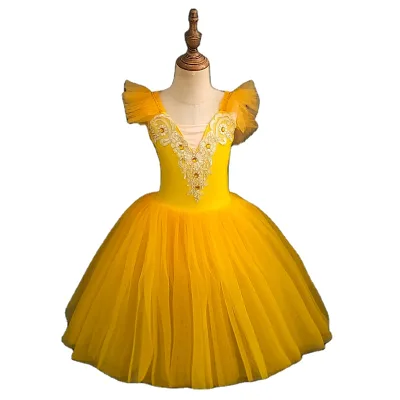
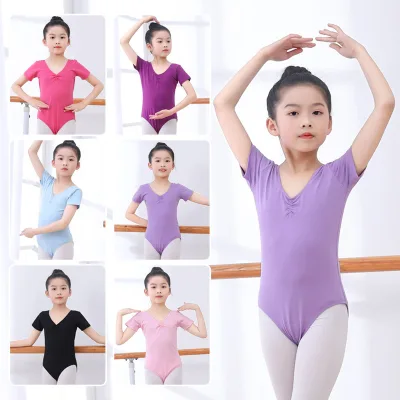
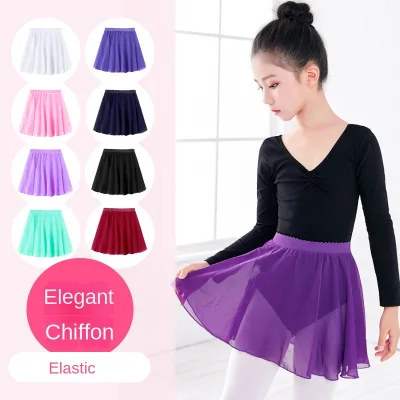
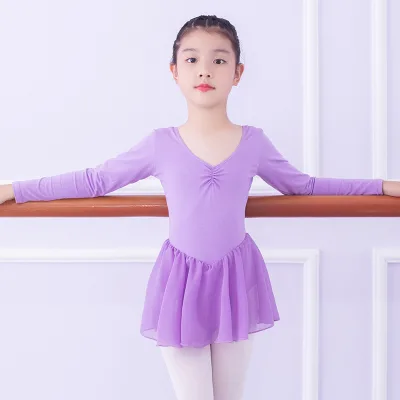
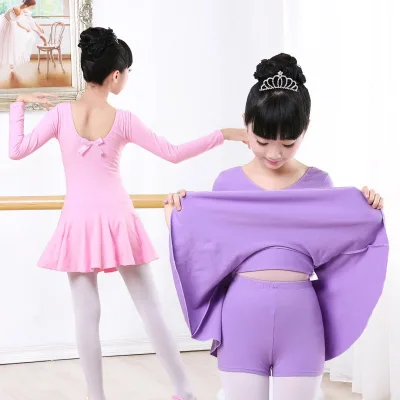
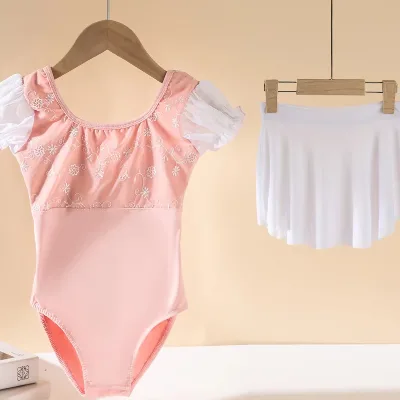


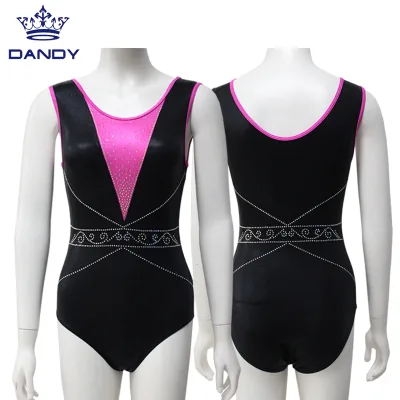
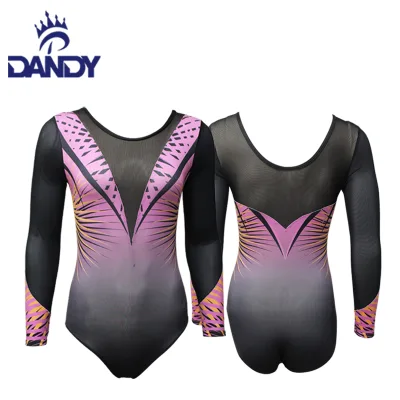
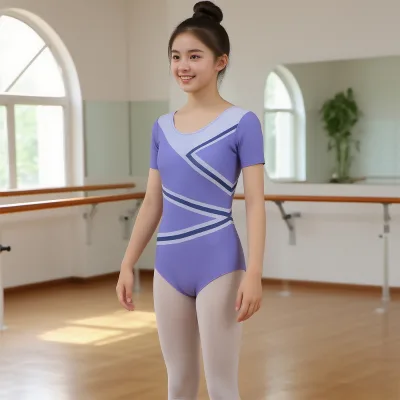
Training Dancewear Bodysuit Custom Girl Dance Gymnastic Leotard Children Wears
$7.50 - $8.50
MOQ: 1000 Pieces


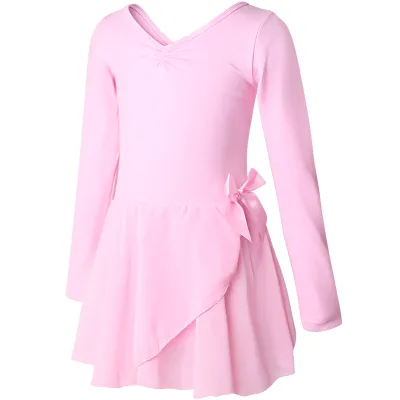
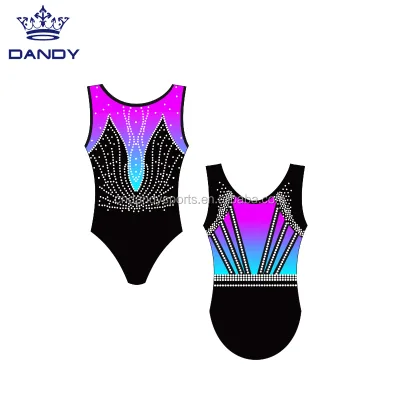


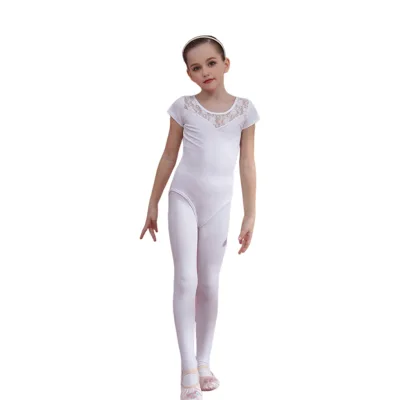
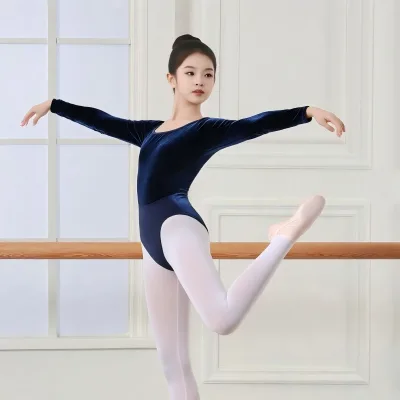
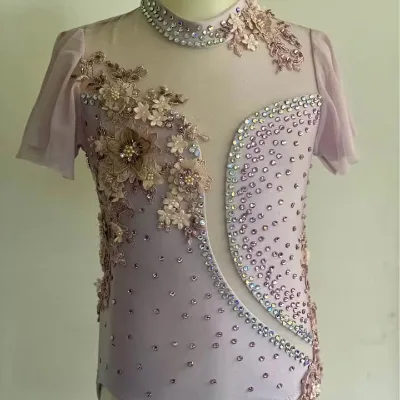
Girls Ballet Dance Dress Recital Dance Costumes Kids Performance Stage Costumes
$25.00 - $29.00
MOQ: 2 Pieces



Comprehensive Sourcing Guide
Children Ballet Gymnastics and Dancewear Sourcing Guide
Sourcing specialized apparel for young performers requires balancing aesthetic precision with rigorous safety standards. Buyers must navigate a market where visual appeal often competes with functional durability, particularly when selecting items for stage performances or daily training. The following guide outlines critical verification steps to ensure that procurement decisions align with both artistic requirements and operational safety protocols.
Product Scope and Observed Listing Signals
The current market landscape for children’s dancewear features a diverse array of styles, ranging from classic sleeveless leotards to elaborate evening and wedding dresses. Listings frequently highlight specific performance wear types, including ballet and Latin dance categories, indicating a broad inventory that caters to various artistic disciplines. Buyers should observe that product attributes often overlap, with some items marketed simultaneously as stage costumes and casual dance attire, necessitating careful review of the intended use case.
Visual and material specifications vary significantly across suppliers, with common fabrics including polyester and rayon blends designed to offer stretch and comfort. Color options are extensive, spanning white, pink, orange, coral red, sky blue, purple, and various elastic band shades, allowing for precise team or individual customization. Procurement teams must verify that the listed colors match physical samples, as digital representations can sometimes differ from the final manufactured goods, especially for intricate designs involving multiple hues.
Technical Specifications to Verify
Dimensional accuracy is paramount when sourcing dancewear for growing children, as improper fit can hinder movement and cause injury. Standard size codes often correspond to specific height ranges, such as S code for 105-130cm and L code for 160-170cm, with some suppliers offering plus-size options based on detailed charts. Buyers should confirm that the size charts provided are up-to-date and reflect current manufacturing tolerances, as discrepancies between listed measurements and actual garment dimensions can lead to significant return rates.
Packaging and logistical specifications also play a crucial role in inventory management and cost calculation. Typical single package sizes range from compact 12x12x1 cm for smaller accessories to 20x20x15 cm for larger dresses, with gross weights varying from 0.22 kg to 0.65 kg depending on the item’s complexity. Understanding these metrics helps in optimizing shipping costs and storage space, particularly when utilizing drop-shipping services or managing large-scale orders for schools and performance troupes.
Compliance and Safety Documentation
Safety verification is a non-negotiable aspect of sourcing children’s apparel, particularly for items that involve close physical contact or vigorous movement. Buyers must insist on documentation confirming that products have undergone needle detection processes to ensure no metal fragments remain within the fabric layers. This step is critical for preventing injuries during performances and ensures that the garments meet basic safety expectations for young wearers.
Beyond physical safety, material composition and chemical compliance are essential for long-term health and durability. While specific chemical standards may vary by region, buyers should verify that the polyester and rayon materials used are free from harmful substances and are suitable for sensitive skin. Requesting test reports or compliance certificates from suppliers can provide assurance that the dancewear meets international safety benchmarks, protecting both the end-user and the brand’s reputation.
Cost Drivers and Commercial Terms
Pricing in the dancewear sector is influenced by material quality, design complexity, and order volume, with observed price ranges reflecting these variables. Buyers should anticipate costs that vary based on the inclusion of accessories such as headwear and gloves, as well as the customization of logos and colors. Understanding the cost structure helps in budgeting for both initial samples and bulk production runs, ensuring that financial expectations align with market realities.
Payment terms and delivery timelines are key components of the commercial agreement, with common options including T/T or Trade Assurance to secure transactions. Lead times for samples typically support a seven-day turnaround, while bulk delivery times range from five to ten days, depending on stock availability and production schedules. Buyers should clarify these timelines during negotiations to avoid delays in meeting performance deadlines or seasonal demands.
Supplier Qualification and Quality Control
Evaluating supplier reliability involves assessing their production capabilities, inventory management, and customer service responsiveness. Suppliers offering in-stock items and drop-shipping services provide flexibility for buyers with varying order sizes and logistical needs. It is advisable to verify the supplier’s ability to handle custom logo requests and their track record in maintaining consistent quality across multiple orders.
Quality control measures should be integrated into the procurement process, starting with sample approval before committing to bulk production. Buyers should establish clear acceptance criteria for stitching, fabric elasticity, and color fastness, ensuring that the final products meet the specified standards. Regular communication with the supplier regarding production progress and potential issues can help mitigate risks and ensure timely delivery of high-quality dancewear.
Long-Term Procurement Checks
Sustaining a successful sourcing strategy requires ongoing monitoring of supplier performance and market trends. Buyers should regularly review feedback from end-users, such as dancers and instructors, to identify any recurring issues with fit, durability, or comfort. This feedback loop is essential for refining specifications and selecting suppliers who consistently deliver products that meet the evolving needs of the dance community.
Additionally, staying informed about changes in safety regulations and material standards is crucial for maintaining compliance and competitiveness. Buyers should periodically re-evaluate their supplier base to ensure that partners remain aligned with best practices in manufacturing and ethical sourcing. By maintaining a proactive approach to supplier management and quality assurance, organizations can build a reliable supply chain that supports the artistic and operational goals of their dance programs.
FAQs
What materials are used for the ballet dance wear?
The ballet dance wear is crafted from a blend of polyester and rayon materials. This combination ensures the garments are durable, breathable, and comfortable for children during performance. The fabric choice supports the flexibility required for dance movements while maintaining the structural integrity of the dress or leotard design.
Can I get a sample order before bulk production?
Yes, sample orders are supported with a lead time of seven days. This allows buyers to verify the quality, fit, and color accuracy of the Children Ballet Gymnastics and Dancewear before committing to larger quantities. The sample process ensures that the final product meets your specific requirements for stage performance or practice.
What sizes are available for the girls' ballet dresses?
Sizes range from 110 to 160, catering to various age groups within the children category. The sizing chart provides specific measurements for each code, ensuring a proper fit for young dancers. This range covers the typical growth stages of girls participating in ballet and other dance performances.
What colors are offered for the ballet costumes?
Available colors include white, pink, orange, coral red, sky blue, and purple. These options allow for versatile styling in ballet and stage performances. Buyers can select the hue that best matches their team's uniform or the specific theme of the dance production, ensuring visual cohesion on stage.
How is the product packaged for shipping?
Each item is packed individually in an OPP bag to protect the garment during transit. The single package size is approximately 20 by 20 by 15 centimeters, with a gross weight of 0.65 kilograms. This packaging method ensures the dancewear arrives in pristine condition, ready for immediate use.
What payment methods are accepted for these orders?
Payments are accepted via T/T or Trade Assurance. These methods provide secure transaction handling for international buyers sourcing Children Ballet Gymnastics and Dancewear. Trade Assurance offers additional protection, ensuring that funds are released only when the order meets the agreed-upon quality and delivery standards set by the supplier.