Source Women Wear Embroidery Fabric for Garment, Bridal, Home
Find 30 listings for Women Wear Embroidery Fabric featuring knitted and embroidered techniques in polyester, cotton, and lace materials. Buyers can compare widths, designs, and certifications like ISO9001 and SGS for garment, bridal, and home textile applications.
Key considerations
Products List


2021 Design 100% Cotton Hollow Pattern Embroidery Lace Fabric for Women Dress
$5.00 - $8.00
MOQ: 500 Yards


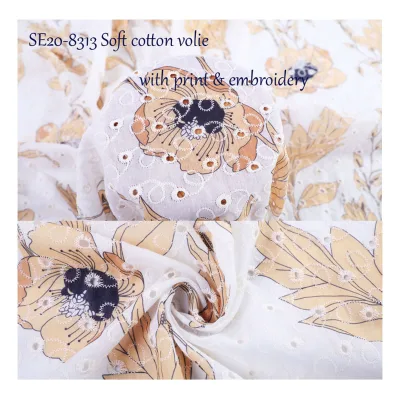


High Quality Cotton Embroidery Fabric for Summer Dresses and Women′ S Dresses
$1.40 - $1.80
MOQ: 2000 Meters


Comprehensive Sourcing Guide
Strategic Sourcing Guide for Women's Wear Embroidery Fabric
Navigating the global market for women's wear embroidery fabric requires a disciplined approach that balances aesthetic requirements with technical specifications and supply chain reliability. The core keyword "Women Wear Embroidery Fabric" encompasses a diverse range of materials, from lightweight sheers to structured trims, each demanding specific verification protocols. Buyers must rely on observed product attributes rather than generalized market assumptions to ensure the selected fabric meets the rigorous standards of modern fashion production. This guide outlines the critical dimensions of sourcing, focusing on material composition, technical construction, compliance verification, and quality assurance mechanisms derived from actual market data.
Material Composition and Technical Construction
The foundation of any successful procurement strategy lies in understanding the specific material composition and the technical methods used to create the embroidery. In the current market, the supply of women's wear embroidery fabric is characterized by a mix of natural and synthetic fibers, each offering distinct performance characteristics. Observed product data indicates that 100% Polyester is a prevalent material choice, often selected for its durability, colorfastness, and ability to hold intricate embroidery patterns without significant distortion. This synthetic base is frequently paired with Cotton or Cotton/Polyester blends, which provide a softer hand feel and better breathability, essential for garments intended for direct skin contact.
The technical construction of these fabrics is equally critical. The primary technique observed across the supply base is Knitted, which offers inherent stretch and recovery, making it suitable for fitted women's wear. Within the knitted category, specific sub-techniques such as Net Embroidery and Weft Knitting are utilized to create open, airy structures often desired for bridal and summer collections. A significant portion of the market also features Embroidery Lace, where the design is integrated directly into the fabric structure or applied as a trimming. The Guipure Lace Fabric variant represents a heavier, more structured option where the design is formed by connecting threads, creating a solid, raised motif without a net background.
When evaluating technical specifications, buyers must scrutinize the width and density of the fabric. Market observations show standard widths ranging from 51/52 inches to 55 inches, with some suppliers offering custom widths up to 150cm. The Lace Size for specific trim applications can vary significantly, with observed ranges between 3-5cm for delicate detailing. For larger home textile applications that may overlap with women's wear in terms of design, sizes such as 140cm*240cm are available. The Opacity is another vital technical parameter; while some fabrics are Sheer, others are designed for Black-out functionality, requiring specific verification of the thread density and weave structure to ensure the desired level of light transmission is achieved.
Design Aesthetics and Functional Attributes
The aesthetic appeal of women's wear embroidery fabric is driven by specific design elements and functional attributes that align with current fashion trends. The Design category frequently features Flowers, a timeless motif that remains a staple in women's fashion. However, the market also supports a vast array of customized designs, with some suppliers noting that More than 100 design options are available for customization. This flexibility allows buyers to tailor products to specific brand identities or seasonal collections. The Style of the fabric can range from Solid colorways to intricate Trimming applications, where the embroidery serves as a decorative border or accent.
Functionality is increasingly a deciding factor in procurement decisions. Beyond the visual aspect, modern embroidery fabrics are engineered to meet specific performance needs. The observed product data highlights a suite of functional attributes including Waterproof, Shrink-Resistant, Tear-Resistant, Anti-Static, Flame Retardant, and Heat-Insulation properties. These features are particularly relevant for women's wear intended for outdoor use or specific professional environments. Additionally, some fabrics incorporate Memory technology, suggesting a high degree of shape retention. The Color Production method is typically Dyed, ensuring consistent coloration throughout the fabric roll, which is crucial for maintaining uniformity in large garment batches.
Compliance, Certification, and Quality Standards
In the B2B textile sector, compliance and certification are non-negotiable elements of the sourcing process. Buyers must verify that suppliers adhere to recognized international standards to mitigate risks related to product safety and ethical manufacturing. The market data confirms the presence of ISO9001 certification, which indicates a supplier's commitment to quality management systems. Furthermore, SGS is cited as a standard for product evaluation, suggesting that third-party testing is available to validate claims regarding material safety and performance.
When evaluating compliance, it is essential to distinguish between general quality claims and verified certifications. The term Good Quality is often used as a general descriptor, but buyers should request specific test reports to substantiate this claim. For fabrics intended for specific applications, such as Bridal wear or Home textiles, additional certifications may be required depending on the destination market. The Quality assurance process is often summarized as 100% QC Passed, but this internal claim should be backed by documented inspection records. Buyers should also verify the Manual Process details, as some high-end embroidery involves significant handwork, which can impact consistency and lead times.
Cost Drivers and Procurement Parameters
Understanding the cost drivers is essential for budgeting and negotiating effectively. The price range for women's wear embroidery fabric is broad, with observed listings spanning from $0.12 to $16.50 per unit. This variance is driven by several factors, including the complexity of the embroidery design, the type of material used, and the level of customization required. 100% Polyester fabrics generally offer a more cost-effective solution compared to pure Cotton or specialized blends, but the latter may be necessary for specific tactile requirements.
The Minimum Order Quantity (MOQ) is another critical parameter that influences the total cost of ownership. The observed MOQ range is extensive, from as low as 1 unit to as high as 3000 units. This flexibility allows buyers to test new designs with small orders or secure bulk pricing for established lines. The Packing method also affects logistics costs; options include Roll packing for continuous fabric or 1 PC with a Hangtag for finished goods. Some suppliers offer 15yds/Card or 10-50yds/Card packaging, which can be more convenient for retail distribution. Buyers should also consider the Customization availability, as bespoke designs often incur higher setup costs and longer lead times.
Supplier Evaluation and Geographic Considerations
Evaluating suppliers requires a focus on their geographic location and production capabilities. The primary production hubs identified in the market data are Shaoxing, Zhejiang, and Guangzhou in China. These regions are renowned for their textile manufacturing infrastructure and expertise in embroidery techniques. Shaoxing is particularly noted for its concentration of fabric mills, while Zhejiang and Guangzhou offer a mix of production and trading capabilities.
When assessing a supplier, buyers should verify the prod_model codes to ensure traceability. Specific model numbers such as 20161011emb01, 20171107emb02, and 20210523CF02 indicate established product lines with consistent specifications. The Location of the product, such as Window treatments or Garment applications, should align with the supplier's core competency. Suppliers offering Key Word specific products like Lace Fabric Dubai or Guipure Lace Fabric demonstrate specialized knowledge in niche markets. It is crucial to avoid suppliers who cannot provide clear documentation of their origin or who make unverifiable claims about their capabilities.
Quality Control and Long-Term Procurement Strategy
Implementing a robust quality control (QC) strategy is vital for maintaining product integrity. The Quality attribute of 100% QC Passed suggests a comprehensive inspection process, but buyers should define their own acceptance criteria. This includes verifying the Technics of Embroidery to ensure there are no loose threads or misaligned patterns. The Usage of the fabric, whether for Garment, Clothing, Home Textile, or Bridal applications, dictates the specific QC checks required. For instance, Bridal fabrics may require stricter scrutiny regarding Sheer consistency and Opacity.
Long-term procurement considerations involve building a sustainable supply chain. Buyers should prioritize suppliers who offer Customization services and have the capacity to scale production. The Feature of Fashion indicates that the supplier is attuned to market trends, which is essential for staying competitive. Additionally, the Applications of the fabric, such as Clothing or Home use, should be clearly defined to avoid misallocation of resources. By maintaining a focus on verified standards, clear specifications, and reliable suppliers, buyers can ensure a steady supply of high-quality women's wear embroidery fabric that meets both aesthetic and functional requirements.
Comparative Analysis of Fabric Specifications
To facilitate informed decision-making, the following table summarizes key specifications observed in the market for women's wear embroidery fabric. This comparison highlights the diversity in material, width, and application, allowing buyers to quickly identify options that align with their specific needs.
| Specification Category | Observed Attribute 1 | Observed Attribute 2 | Observed Attribute 3 |
|---|---|---|---|
| Material | 100% Polyester | Cotton | Cotton/Polyester |
| Technics | Knitted | Net Embroidery | Weft Knitting |
| Design | Flowers | More 100 Available Customized | Solid |
| Width | 51/52" | 55" | 135cm / Customize |
| Usage | Garment, Bridal | Home, Hotel, Hospital | Clothing, Home Textile |
| Opacity | Sheer | Black-out | Customize |
| Certification | ISO9001 | SGS | Good Quality |
| Packing | Roll | 1 PC with Hangtag | 15yds/Card |
This table underscores the importance of matching specific technical attributes to the intended end-use. For example, a buyer seeking a Sheer fabric for Bridal wear would prioritize the Net Embroidery technique and 100% Polyester material, while a buyer for Home textiles might prefer the Cotton/Polyester blend with Black-out functionality. By systematically evaluating these parameters, buyers can navigate the complex landscape of embroidery fabric sourcing with confidence and precision.
FAQs
What materials are used for Women Wear Embroidery Fabric?
The fabric is commonly made from 100% Polyester, Cotton, or Cotton/Polyester blends. These materials offer durability and breathability suitable for garment and bridal applications while maintaining intricate embroidery patterns.
Which certifications ensure quality for embroidery fabric suppliers?
Suppliers often hold ISO9001 certification and adhere to SGS standards for product evaluation. These verified credentials confirm adherence to quality management systems and third-party testing protocols for safety and performance.
How wide are the standard Women Wear Embroidery Fabric rolls?
Standard widths typically range from 51 to 55 inches, with some options available up to 150cm. Custom widths are also possible depending on the specific supplier capabilities and order requirements.
Can buyers customize designs for Women Wear Embroidery Fabric?
Yes, customization is available with over 100 design options including floral motifs. Suppliers can accommodate specific needs for styles like Guipure Lace or Net Embroidery with tailored production runs.
What is the minimum order quantity for embroidery fabric?
Minimum order quantities vary significantly from 1 unit up to 3000 units depending on the supplier. This flexibility allows buyers to test new designs or secure bulk pricing for established lines.
Where are the primary manufacturing locations for this fabric?
Production hubs are located in Shaoxing, Zhejiang, and Guangzhou in China. These regions are renowned for their textile infrastructure and expertise in various embroidery techniques and lace production.
What functional properties do these fabrics offer?
Many fabrics include features like waterproof, shrink-resistant, and flame-retardant properties. Additional options may include anti-static, heat-insulation, and black-out functionality for diverse application needs.