Source Women Winter Scarf and Hat Set for Travel, Daily Wear, and Outdoor Activities
Compare 30 verified listings for Women Winter Scarf and Hat Set featuring varied materials like cotton and acrylic, seasonal suitability, and customization options. Buyers can review specifications including thickness, set types, and origin details to find the right fit for their needs.
Key considerations
Products List


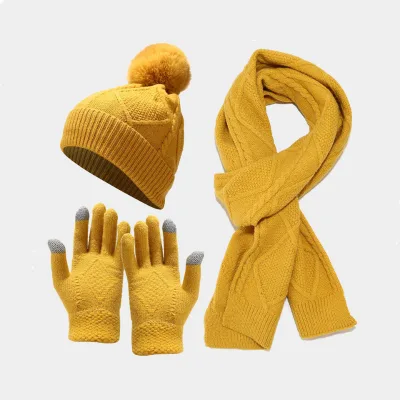


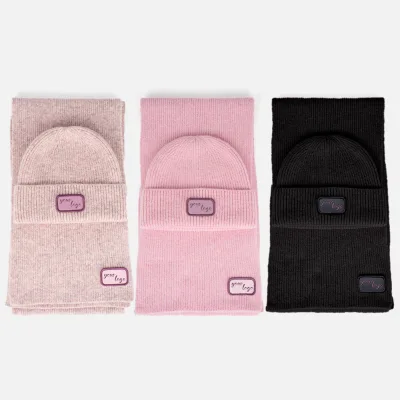
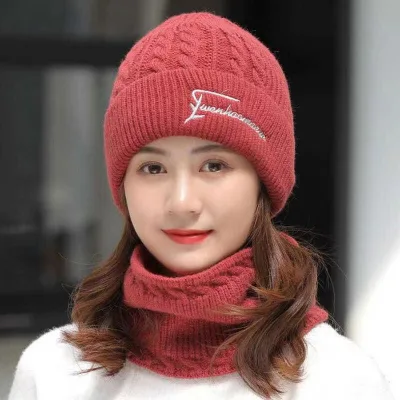

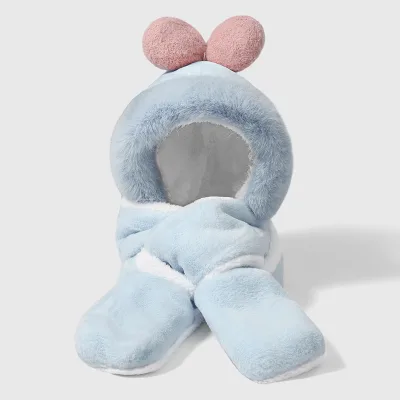



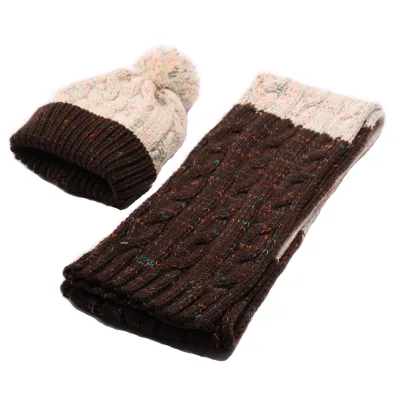
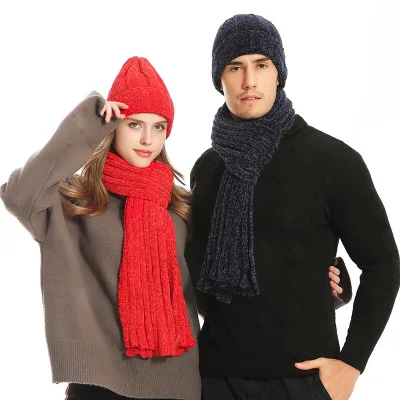


Comprehensive Sourcing Guide
Strategic Sourcing Guide for Women's Winter Scarf and Hat Sets
The global market for women's winter accessories, specifically scarf and hat sets, presents a complex landscape for B2B procurement professionals. Sourcing these items requires a nuanced understanding of material composition, manufacturing standards, and supply chain logistics. The core keyword "Women Winter Scarf and Hat Set" encompasses a wide variety of product configurations, ranging from simple beanies to comprehensive three-piece ensembles. This guide provides a structured approach to evaluating suppliers and products, grounded in observable product attributes and industry best practices, ensuring that procurement decisions are based on verified data rather than marketing assertions.
Technical Specifications and Material Composition
The foundation of any successful procurement strategy lies in the precise definition of technical specifications. In the observed product data, a distinct variation in material composition is evident, with suppliers offering options in Cotton, Acrylic, and blends involving Polyester and Canvas. These materials dictate the thermal performance, texture, and durability of the final product. For instance, Acrylic is frequently cited for its ability to mimic the softness of wool while offering high durability and color retention, making it a common choice for "Winter Set" products. Conversely, Cotton offers breathability but may require blending with other fibers to achieve the necessary warmth for winter conditions.
Beyond material, the construction method is a critical technical differentiator. The data confirms that "Warp Knitting" is a prevalent manufacturing technique for these sets. This method influences the elasticity and drape of the fabric, which is essential for items like beanies and snoods that must fit snugly without losing shape. The thickness of the product also varies significantly, with observations ranging from "Medium" to "Normal" thickness. Procurement teams must align these specifications with the target climate of the end-user. A "Medium Long" type with "Normal" thickness may suffice for mild autumn winters, whereas a "Winter Set" designed for harsher conditions might require a denser knit or a specific layering of materials.
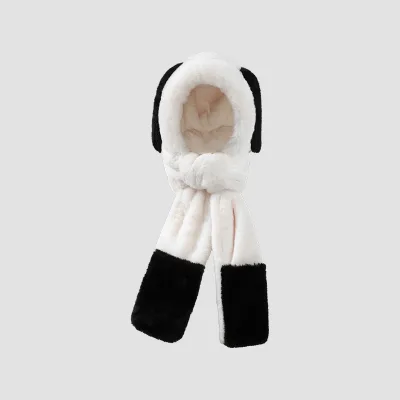
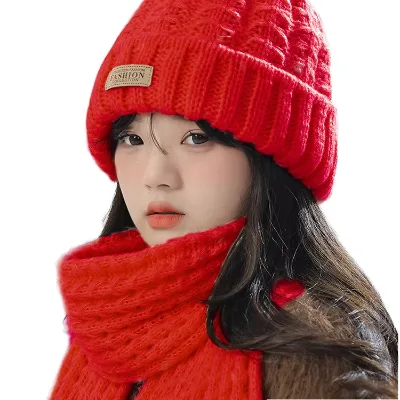
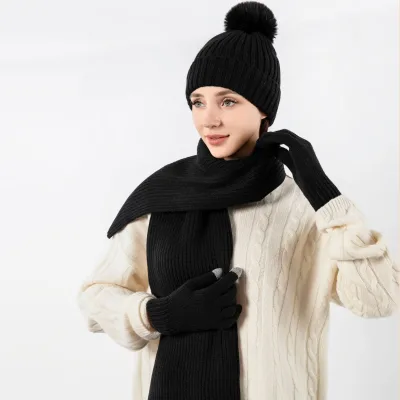
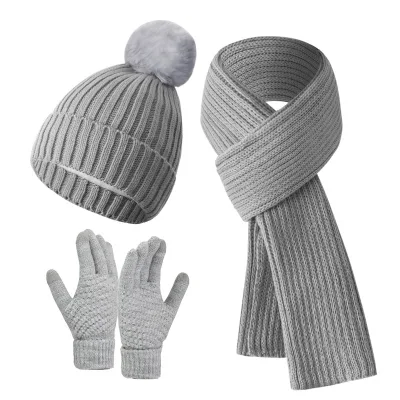
The structural design of the set components also warrants scrutiny. The observed products include "Beanie" styles with "Without Brim" and "with Crown" configurations, paired with "Snood" neckwarmers. The "Set Type" often combines Gloves, Hat, and Scarf, creating a unified aesthetic. The "Pattern" is predominantly "Plain Dyed" or "Flower Color," with some "blank" options available for customization. Understanding these structural nuances allows buyers to specify exactly what is needed, avoiding mismatches between the supplier's standard offering and the buyer's market requirements.
Compliance, Certification, and Safety Standards
In the realm of textile procurement, compliance is not merely a formality but a critical risk management tool. While the provided data mentions "OEKO-TEX" as a background standard, it is categorized as low-confidence and should not be assumed as a universal attribute of all listed products. Buyers must treat certification status as a variable to be verified rather than a guaranteed feature. The presence of "High quality" as an advantage in supplier descriptions is a qualitative claim that requires objective validation through third-party testing.
When evaluating suppliers, procurement teams should request specific documentation regarding chemical safety, particularly for items intended for close contact with skin, such as hats and scarves. The "Standard" field in the product data lists dimensions like "474767cm" and "574540cm," which likely refer to packaging or product dimensions rather than safety standards. Buyers must distinguish between physical specifications and regulatory compliance. The absence of explicit certification data in the provided facts necessitates a proactive verification process. Buyers should inquire about the specific safety standards the factory adheres to, such as REACH in Europe or CPSIA in the United States, and request test reports for flammability, formaldehyde content, and heavy metals.
Furthermore, the "Brand Name" field often lists "odm/oem," indicating that the supplier is capable of private labeling. This flexibility is valuable for brands looking to establish their own identity, but it also shifts the responsibility of compliance verification to the buyer. Ensuring that the private label products meet the destination market's safety regulations is the sole responsibility of the importer. Therefore, the procurement process must include a clause in the contract that mandates the supplier to provide up-to-date compliance certificates for every batch produced.
Cost Drivers and Pricing Dynamics
The pricing structure for winter accessory sets is influenced by a confluence of factors, including material costs, labor intensity, and order volume. The observed price range in the market data spans from 1 to 10.9 USD, a wide variance that reflects differences in material quality, design complexity, and order quantity. Lower-priced items in this range often utilize more basic materials like standard acrylic or cotton blends, while higher-priced items may incorporate premium fibers, intricate knitting patterns, or additional components like gloves.
Minimum Order Quantity (MOQ) is another significant cost driver. The data indicates an MOQ range of 1 to 1000 units. Suppliers with an MOQ of 1 offer high flexibility for testing the market or fulfilling small, urgent orders, but the unit cost is typically higher due to the lack of economies of scale. Conversely, an MOQ of 1000 suggests a focus on bulk production, which can drive down the per-unit cost but requires a larger capital outlay and storage capacity from the buyer. The "Supply Ability" of 10,000 pieces per week mentioned in the data suggests that some suppliers have the capacity to handle large orders, which can be a leverage point for negotiating better pricing on bulk purchases.
Packaging also plays a role in the final landed cost. The observed packing standards vary, with some products packed as "1PCS/Polybag, 100set/CTN" and others as "1PCS/Polybag, 200PCS/CTN." The density of the carton affects shipping efficiency. A higher number of sets per carton reduces the volume per unit, potentially lowering freight costs. Buyers should calculate the total cost of ownership, including freight, by comparing the carton dimensions and weight against the unit price. Additionally, the "Customization" availability allows for branding, which adds value but may incur setup fees or higher MOQs, impacting the overall cost structure.
Typical Applications and Market Segmentation
Understanding the intended application of the product is essential for aligning supply with demand. The "Season" attribute in the data highlights a split between "Winter," "Spring / Autumn," and "Autumn Winter." This segmentation dictates the thermal requirements of the product. Sets designed for "Winter" are likely intended for extreme cold, requiring thicker knits and more coverage, such as the "Medium Long" type observed. In contrast, "Spring / Autumn" sets may be lighter, serving as fashion accessories or light protection against wind and rain.
The "Gender" and "Age Group" attributes further refine the market segmentation. While the core keyword focuses on "women," the data explicitly lists "Unisex" and "Adult" as categories. This indicates that many of these sets are versatile and can be marketed to a broader audience, including men and children, depending on the design. The "Style" attribute, described as "Japan Korea," suggests a trend-driven aesthetic that appeals to consumers looking for contemporary, fashion-forward designs. This style often features "Colourful" patterns or specific "Flower Color" designs, distinguishing it from more traditional, solid-color winter wear.
The "Usage" is consistently listed as "Keeping Warm," which is the primary functional requirement. However, the "Advantages" section mentions "In stock" and "Factory price," suggesting that these products are often sourced for immediate resale or promotional campaigns. The "Department Name: Adult" confirms that the primary target demographic is adults, but the "Women girls scarf, hat & glove sets" product name indicates a specific sub-segment targeting younger demographics or family-oriented purchases. Procurement teams must ensure that the product design aligns with the specific age and style preferences of their target customer base.
Supplier Evaluation and Quality Control
Evaluating suppliers requires a multi-dimensional approach that goes beyond price and lead time. The "Place of Origin" is listed as "China," with specific mentions of "Zhejiang, China." While this provides a geographic context, it does not guarantee quality. Buyers should verify the supplier's production capabilities, specifically their experience with "Warp Knitting" and their ability to maintain consistent color fastness and stitch quality. The "Customization: Available" attribute is a strong indicator of a supplier's flexibility, but it also requires a robust quality control process to ensure that custom designs are executed correctly.
Quality control should be implemented at multiple stages of the production process. Given the "Medium" and "Normal" thickness variations, visual inspection of the knit density is crucial to ensure the product meets the specified warmth and durability standards. The "Pattern" consistency, whether "Plain Dyed" or "Flower Color," must be checked for color bleeding or fading, especially since these items are often subjected to washing. The "Standard" dimensions provided (e.g., 474767cm) should be used as a baseline for measuring the final product to ensure it matches the sample.
The "Shipping mothed" options, including "By express/air/sea," offer flexibility but also introduce variables in lead time and cost. Buyers should establish clear communication channels with the supplier to monitor production progress and shipping status. The "Culture" attribute, described as "High quality and good service," is a subjective claim that should be validated through references or trial orders. A reliable supplier will provide transparent updates and be responsive to quality concerns, ensuring that the "High quality" promise is delivered in practice.
Long-Term Procurement Considerations
Sourcing winter accessories is often cyclical, with demand peaking in the months leading up to the winter season. Long-term procurement strategies must account for this seasonality. The "Supply Ability" of 10,000 pieces per week suggests that suppliers can ramp up production, but buyers should plan orders well in advance to avoid stockouts during peak demand. The "In stock" advantage mentioned in the data is beneficial for immediate needs, but relying solely on stock can be risky if the supplier faces supply chain disruptions.
Building a long-term relationship with a supplier involves more than just transactional exchanges. It requires a shared commitment to quality and continuous improvement. The "Customization" capability allows for product evolution, enabling buyers to introduce new designs or materials as market trends shift. The "Brand Name: odm/oem" status indicates that suppliers are willing to collaborate on branding, which can be a strategic advantage for building a unique market position.
Finally, buyers should consider the environmental and ethical implications of their sourcing decisions. While specific certifications like "OEKO-TEX" are not universally confirmed in the data, the industry trend is moving towards more sustainable materials and ethical manufacturing practices. Procurement teams should inquire about the supplier's sustainability initiatives, such as the use of recycled fibers or energy-efficient production methods. This not only aligns with growing consumer expectations but also mitigates regulatory risks in markets with strict environmental standards. By integrating these long-term considerations into the sourcing strategy, buyers can build a resilient and responsive supply chain capable of meeting the dynamic demands of the winter accessory market.
FAQs
What materials are used for women winter scarf and hat sets?
These sets are commonly made from Cotton, Acrylic, Polyester, and Canvas blends. Acrylic is often chosen for its softness and durability, while Cotton blends provide breathability suitable for milder seasons.
Can I customize the design of these winter accessory sets?
Yes, customization is available for these products to meet specific branding needs. Buyers can request changes to patterns or colors, though this may involve specific setup requirements or minimum order quantities.
Which seasonal variations exist for these scarf and hat sets?
Sets are available for Winter, Spring, Autumn, and Autumn Winter conditions. The thickness varies from Normal to Medium, with some models designed as Medium Long types for colder climates.
How does the minimum order quantity affect pricing for these items?
The minimum order quantity ranges from 1 to 1000 units depending on the supplier. Lower MOQs offer flexibility for testing but often carry higher unit costs, while bulk orders leverage economies of scale.
What are the standard packaging dimensions for these sets?
Packaging typically consists of 1 piece per polybag with 100 to 200 sets per carton. Carton dimensions vary, such as 47 by 47 by 67 cm or 57 by 45 by 40 cm, affecting shipping efficiency.
Where are these winter accessory sets primarily manufactured?
The products originate from China, with specific manufacturing hubs located in Zhejiang. This region is known for its textile capabilities and ability to support large supply volumes for export.
What is the typical supply capacity for these winter sets?
Some suppliers offer a supply ability of 10,000 pieces per week for these sets. This capacity allows for handling large bulk orders, though lead times may vary based on current stock levels.