Source Wood Branches Grinding Machine for Logs, Branches, and Straw
Find and compare 30 Wood Branches Grinding Machine options from Chinese manufacturers. Evaluate models with CNC control, automatic grades, and various power sources to find the right shredder for your wood processing needs.
Key considerations
Products List


Wood Grinder Machine Chip Crusher, Branch Crusher Machine Wood Chipper
$8000.00 - $170000.00
MOQ: 1 Sets


Horizontal Wood Grinder Tree Cutting Chipping Machine Tree Branch Wood Chipper Shredder
$28000.00 - $182000.00
MOQ: 1 Pieces


Small Straw Tree Branch Wood Grinder Chipper Shredder Crusher Machine Processing
$550.00 - $850.00
MOQ: 1 Pieces


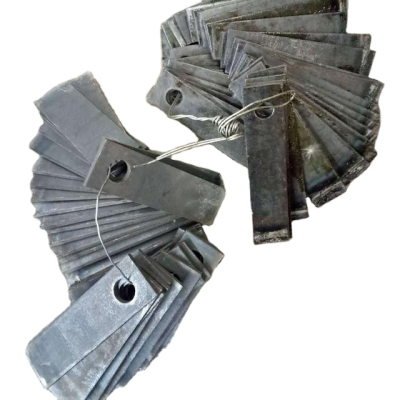

Horizontal Grinder Sawdust Grinder Branches High Quality Wood Grinder Machine
$14000.00 - $17000.00
MOQ: 1 Pieces


High Quality Crusher Machine Tree Chipper Sale Wood Grinding Machine
$7800.00 - $9000.00
MOQ: 1 Pieces

High Quality Tree Branch Grinder Wood Shreder Machine for Wood Chipper Machine
$7800.00 - $9000.00
MOQ: 1 Pieces


Wood Crusher Machine Tree Branch Crusher Machine/ Wood Branches Crusher
$2500.00 - $3500.00
MOQ: 1 Pieces


Comprehensive Sourcing Guide
Wood Branches Grinding Machine Sourcing Guide
The Wood Branches Grinding Machine market offers a diverse array of industrial solutions designed to process raw timber into uniform chips for biomass fuel, paper production, or landscaping mulch. Buyers must navigate a landscape where machines range from compact, semi-automatic units to large-scale, fully automatic systems capable of handling high-volume throughput. The core functionality centers on reducing logs, branches, straw, and slabs into manageable sizes, with output dimensions often adjustable to meet specific downstream processing requirements. Understanding the distinction between fixed and mobile configurations is critical, as the choice dictates site logistics, power requirements, and the overall efficiency of the material handling workflow.
Procurement decisions for these machines hinge on matching the equipment's mechanical capabilities with the specific characteristics of the feedstock. The observed product range includes models powered by either electric motors or diesel engines, allowing flexibility for operations with varying infrastructure constraints. Some units are designed with integrated feed and discharge conveyors of specified lengths, while others require custom integration to fit existing plant layouts. Buyers should prioritize machines that offer customization options for blade types, rotor balancing, and conveyor configurations to ensure the equipment can handle the unique density and moisture content of the wood branches being processed.
Product Scope and Observed Listing Signals
The product listings reveal a wide spectrum of machine types, including drum wood chip machines, wood chippers, and wood crushers, each tailored to different stages of the grinding process. The observed specifications indicate that models vary significantly in size and capacity, with some units featuring dimensions around 8.5 meters in length and others designed as compact mobile units. The automatic grade ranges from semi-automatic to full-automatic, influencing the level of operator intervention required and the consistency of the final output. This variation suggests that buyers must carefully evaluate whether their operation requires a standalone chipper or a more integrated crushing and conveying system.
Listing signals also highlight the diversity in power sources and motor configurations, with motor power ratings spanning from 75kw to 355kw and main motors reaching up to 450kw. The feed and discharge mechanisms are frequently customizable, with options for belt-type or chain conveyors of lengths ranging from 5 meters to 10 meters or more. Packaging methods vary from bulk cargo to plywood boxes and specialized containers, reflecting the different shipping requirements for heavy industrial machinery. These signals indicate that the total cost of ownership extends beyond the machine price to include logistics, installation, and the potential need for custom conveyor integration.
Technical Specifications to Verify
Verifying the motor power and energy efficiency of the machine is the first critical step in technical due diligence, as the power source directly impacts operational costs and throughput. Buyers should confirm whether the unit utilizes electric motors or diesel engines and ensure the rated power aligns with the available site infrastructure. The observed data suggests motor options ranging from 75kw to 355kw, with some heavy-duty models supporting up to 450kw. It is essential to verify that the motor specifications match the intended feedstock volume and that the machine is designed for energy-saving operations to minimize long-term utility expenses.
The mechanical integrity of the cutting and conveying components requires rigorous verification, particularly regarding the blade quality, rotor balance, and conveyor specifications. The supplied facts mention high-standard blades and balanced rotors, which are vital for maintaining consistent chip size and reducing vibration during operation. Buyers must confirm the exact length and type of feed and discharge conveyors, as these are often customized to the required length rather than being standard off-the-shelf items. Additionally, the output size adjustability should be tested to ensure the machine can produce the specific chip dimensions required for the end application, whether for biomass fuel or industrial processing.
Compliance and Safety Documentation
Compliance with international safety and quality standards is a non-negotiable aspect of sourcing industrial grinding machinery, with CE and ISO certifications frequently cited in product listings. These certifications indicate that the machine has undergone specific testing for electrical safety, mechanical integrity, and operational reliability. Buyers must request valid certification documents for the specific model being purchased, as the standards can vary depending on the machine's configuration and power source. The presence of these certifications is a strong indicator that the manufacturer adheres to recognized safety protocols, reducing the risk of regulatory issues during import and operation.
Safety documentation should also include detailed operational manuals, maintenance guides, and emergency shutdown procedures specific to the machine's controlling mode, which may range from manual to CNC systems. The warranty terms, observed to range from one to two years, provide a baseline for manufacturer support but should be scrutinized for coverage details regarding critical components like blades, rotors, and motors. Buyers should verify that the warranty covers both parts and labor and understand the conditions under which the warranty remains valid, such as adherence to recommended maintenance schedules. Ensuring that all safety interlocks and emergency stops are functional and documented is essential for protecting operators and maintaining a safe working environment.
Cost Drivers and Commercial Terms
The cost of a Wood Branches Grinding Machine is driven by several factors, including the motor power, automatic grade, and the extent of customization required for the feed and discharge systems. The observed price range is vast, spanning from approximately $1.22 to $182,000, reflecting the difference between basic models and fully integrated, high-capacity systems. Buyers should be aware that the base price often excludes custom conveyor lengths, specific motor types, or specialized packaging, which can significantly increase the final invoice. Understanding the breakdown of these costs is essential for accurate budgeting and avoiding unexpected expenses during the procurement process.
Commercial terms such as Minimum Order Quantity (MOQ), payment conditions, and lead times are critical variables that influence the overall procurement strategy. The observed MOQ range is typically between 1 and 10 units, offering flexibility for small-scale operations while accommodating larger industrial orders. Lead times and shipping terms, including the choice between bulk cargo and specialized packaging like plywood boxes, must be clearly defined in the purchase agreement. Buyers should negotiate terms that align with their production schedule and ensure that the supplier provides clear timelines for manufacturing, testing, and delivery to prevent operational delays.
Supplier Qualification and Quality Control
Supplier qualification involves verifying the manufacturer's origin, production capacity, and track record in delivering industrial machinery. The observed data indicates that many suppliers are based in Shandong, China, a region known for its manufacturing capabilities in heavy machinery. Buyers should assess the supplier's ability to provide the specific customization options required, such as CNC controlling modes or specific conveyor lengths. It is also important to verify the supplier's history of fulfilling orders and their responsiveness to technical inquiries, as these factors often correlate with the reliability of the after-sales support provided.
Quality control measures should be established before production begins, focusing on the verification of critical components like the rotor balance, blade quality, and motor specifications. Buyers should request pre-shipment inspection reports or arrange for third-party inspections to ensure the machine meets the agreed-upon technical specifications. The condition of the machine, typically listed as "New," should be confirmed through visual and functional testing prior to shipment. Establishing a clear quality control protocol ensures that the delivered equipment performs as expected and minimizes the risk of receiving substandard machinery that could disrupt operations.
Long-Term Procurement Checks
Long-term procurement success depends on the availability of spare parts and the robustness of the warranty and support infrastructure. The observed warranty periods of one to two years provide a foundation for support, but buyers should verify the availability of critical spare parts such as blades, bearings, and conveyor belts beyond the warranty period. Ensuring a steady supply of these components is essential for minimizing downtime and maintaining the efficiency of the grinding operation. Buyers should also inquire about the supplier's policy for technical support and troubleshooting, as these services are crucial for resolving operational issues quickly.
Regular maintenance and performance monitoring are key to extending the lifespan of the Wood Branches Grinding Machine and ensuring consistent output quality. Buyers should develop a maintenance schedule that includes regular inspections of the rotor, blades, and conveyor systems, as well as routine checks of the motor and electrical components. The ability to adjust the output size and the durability of the high-standard blades are factors that will influence the long-term cost of ownership. By establishing a proactive maintenance program and maintaining a strong relationship with the supplier, buyers can ensure the machine remains a reliable asset for years to come.
FAQs
What automatic grades are available for wood branches grinding machines?
The machines are available in Full-Automatic, Automatic, and Semi-Automatic grades. Buyers can select the specific automation level based on their production requirements and operational preferences.
Which certifications do these wood branches grinding machines hold?
Most units carry CE and ISO certifications to ensure compliance with international safety and quality standards. Some models may have standards that depend on the specific configuration selected.
Can the Wood Branches Grinding Machine be customized for specific needs?
Yes, customization is available for various features including motor power, conveyor lengths, and mobile or fixed configurations. Buyers can request specific dimensions and power sources to match their site conditions.
What warranty periods are offered for these wood chipping machines?
Warranty periods typically range from 1 Year to 2 Years depending on the specific model and supplier terms. Buyers should verify the exact duration included with their selected machine configuration.
How is the Wood Branches Grinding Machine powered or driven?
The machines can use electric motors or diesel engines depending on the power source requirement. Motor power ranges from 75kw to 355kw, with some models supporting up to 450kw for heavy-duty applications.
What are the standard packaging options for shipping these machines?
Packaging options include bulk cargo, plywood boxes, and 40fr containers to ensure safe transport. The specific packing method depends on the model size and the shipping requirements of the buyer.