Source Wood Card Base for Home Decoration, Holiday Gifts, and Collection
Compare 30 listings for Wood Card Base options featuring natural materials, custom sizes, and polished finishes. Buyers can evaluate suppliers from Guangdong and Xiamen for home decoration, holiday gifts, and collection purposes with MOQs starting at 500 pieces.
Key considerations
Products List
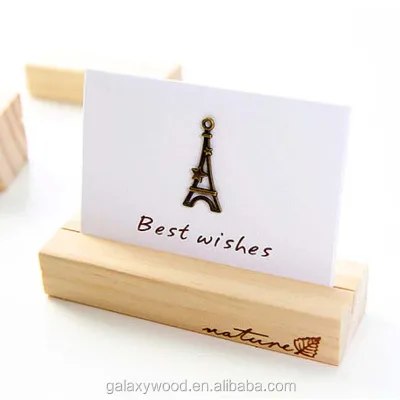
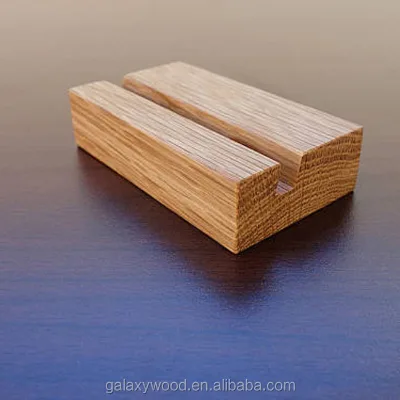


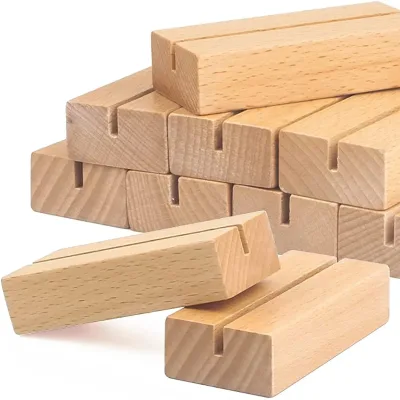


Simple Plastic Business Card Box Card Storage Box Transparent Acrylic Business Card Base
$0.50 - $1.00
MOQ: 1000 Pieces

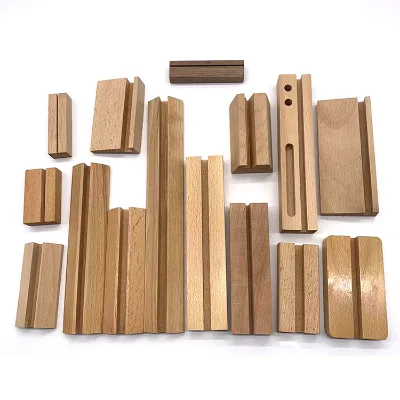
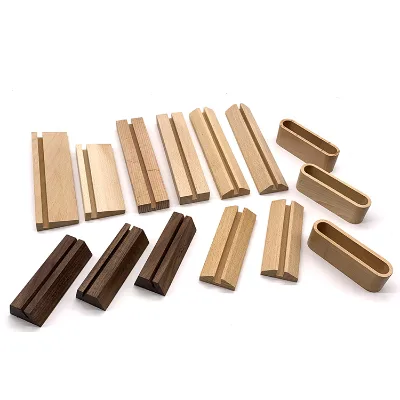
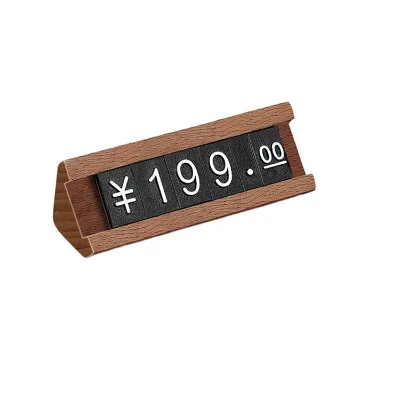


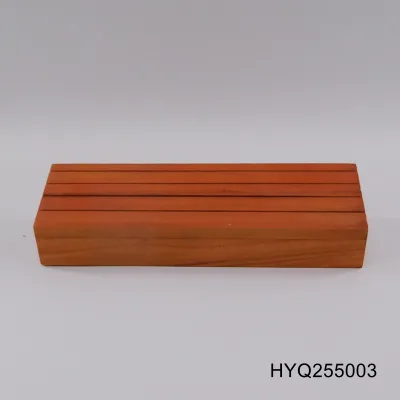


$17.30 - $17.50
MOQ: 500 Square Meters
Comprehensive Sourcing Guide
Strategic Sourcing Guide for Wood Card Bases
The global market for wood card bases has expanded significantly as businesses seek sustainable, aesthetically pleasing, and durable solutions for display, decoration, and gifting. A Wood Card Base serves as a foundational element for holding cards, menus, or promotional materials, often functioning as both a utility item and a decorative piece. For procurement professionals, navigating this category requires a disciplined approach to verifying technical specifications, understanding material properties, and ensuring supplier compliance. This guide provides a structured framework for sourcing wood card bases, relying strictly on verified product attributes and established industry practices to mitigate risk and optimize value.
Technical Specifications and Material Attributes
When evaluating wood card bases, the primary focus must be on the material composition and dimensional accuracy. The core material for these products is consistently identified as wood, which offers a natural aesthetic and structural integrity. Buyers should verify that the specific product listing explicitly states "Wood" as the material, as this distinguishes the item from composite or plastic alternatives. The surface finish is a critical technical attribute; the observed data indicates a "Polished" technique is common, which enhances the tactile experience and visual appeal of the final product.
Dimensional specifications vary widely depending on the intended application. Some listings specify exact internal and external dimensions, such as an internal size of 7 inches and an external size of 8 inches, which suggests a standardized frame or base design. Other products offer "Customized Size" options, allowing for flexibility in procurement. The shape is predominantly rectangular, aligning with standard card and menu formats. However, buyers must confirm the shape for each specific model, as some variations may exist. The model numbers associated with these products, such as GW--834, Galaxy-185, WH-005, and various NCT series codes (NCT-4, NCT-18, NCT-24, NCT-47), serve as unique identifiers for tracking specific configurations.
| Product Attribute | Observed Value | Procurement Verification Requirement |
|---|---|---|
| Material | Wood | Confirm species or wood type if sustainability is a priority. |
| Surface Finish | Polished | Verify gloss level and smoothness upon sample receipt. |
| Shape | Rectangle | Confirm dimensions match the card or menu being displayed. |
| Style | Simplicity / Floor-type | Ensure the design aligns with the brand's aesthetic guidelines. |
| Folded State | Unfolded | Check if the product requires assembly or is pre-assembled. |
| Color | Natural / Brown | Verify color consistency against the desired brand palette. |
Compliance, Certification, and Origin Verification
Supply chain transparency is paramount in the wood products sector. The origin of the Wood Card Base significantly impacts the supply chain's ethical standing and logistical planning. The provided data highlights two primary manufacturing locations: Guangdong, China, and Xiamen, Fujian, China. Buyers must explicitly verify the "Place of Origin" on the supplier's documentation to ensure it matches the expected manufacturing hub. This verification is crucial for calculating accurate freight costs and understanding regional labor standards.
Regarding certifications, the market data indicates that some suppliers provide SGS and ISO9001-2000 certifications. These are high-confidence facts that suggest a commitment to quality management and product safety. However, buyers should not assume all products in this category carry these certifications unless explicitly stated in the product listing. The presence of an SGS standard or certificate should be treated as a specific attribute of the listed item, not a universal guarantee for the entire category. Additionally, while FSC certification is often discussed in the context of wood products, the provided data lists this only as low-confidence background information. Therefore, procurement teams must actively request and verify FSC status rather than assuming its presence based on the material type.
Cost Drivers and Minimum Order Quantities
Understanding the cost structure of wood card bases is essential for budgeting and negotiation. The observed price range in the market spans from $0.01 to $120 USD. This wide variance is driven by several factors, including the complexity of the design, the size of the base, the quality of the wood, and the level of customization required. A simple, small, natural wood base will likely fall at the lower end of this spectrum, while a large, polished, custom-designed floor-type stand with a specific logo will command a higher price.
Minimum Order Quantity (MOQ) is another critical cost driver. The data indicates an MOQ range of 50 to 10,000 pieces, with a specific high-confidence observation of 500 pieces for certain product types. This variability means that buyers with smaller volume needs may face higher per-unit costs or may need to negotiate with suppliers who have lower MOQ thresholds. Conversely, large-volume buyers can leverage the higher end of the MOQ range to secure better pricing. The "Selling Units" are typically listed as "Single item," which implies that pricing is often calculated per unit regardless of the total order size, but bulk discounts may apply based on the total volume.
Typical Applications and Functional Design
Wood card bases are versatile and serve multiple functional roles across different industries. The primary applications identified include home decoration, collection, and holiday gifts. In a commercial setting, these bases are frequently used as natural wood menu bases in restaurants or cafes, providing a rustic and premium feel to the dining experience. They are also utilized in exhibition shows, specialty stores, supermarkets, and general retail environments for displaying cosmetics or promotional cards.
The design features often align with the intended usage. For instance, "Floor-type" stands with a "Connect" build method are suitable for larger displays in exhibition halls or stores, offering stability and visibility. In contrast, "Single Frame" combinations with "Simplicity" styles are better suited for home decoration or individual card displays. The "Antitheft" attribute is noted as "Not Antitheft" for some models, which is a vital consideration for high-value items displayed in public spaces. Buyers must assess whether the base requires additional security measures or if it is intended for controlled environments like private offices or home use. The "Picture Card" attribute is often listed as "Without Picture Card," indicating that the product is a base only, and the buyer must supply the card or image to be displayed.
Supplier Evaluation and Production Capabilities
Selecting the right supplier requires a deep dive into their production capabilities and customization options. The data confirms that "Customization" is available for many wood card bases, including "Customized Logo" and "Customized Size." Some suppliers even offer "Design and Drawing Artwork" services, which can be invaluable for brands seeking unique solutions. The "Build Method" of "Connect" suggests that some products may require assembly, which impacts the logistics of shipping and the final setup time for the buyer.
When evaluating suppliers, buyers should look for evidence of robust packing methods. The observed data specifies a packing standard of "Bubble Bag, Foam Pad and Five Layers Master Carton" for several models. This level of protection is essential for preventing damage during transit, especially for polished wood products that are susceptible to scratches. The "Condition" of the product is listed as "New," which is a baseline expectation, but buyers should verify the condition upon delivery. Furthermore, the "Processing" method of "Grinding" indicates a level of craftsmanship that ensures smooth edges and a refined finish. Buyers should request samples to verify that the grinding process meets their quality standards and that the final product feels comfortable to the touch.
Quality Control and Long-Term Procurement Strategy
Establishing a rigorous quality control (QC) protocol is the final step in securing a reliable supply of wood card bases. Given that the material is wood, buyers must be vigilant about issues such as warping, splintering, or inconsistent coloring. The "Polished" technique should be inspected to ensure there are no rough spots or uneven gloss levels. For products with custom logos, the alignment and durability of the print or engraving must be verified.
Long-term procurement considerations involve building a relationship with suppliers who can maintain consistency over time. The "Usage" of these products in "Home Decoration, Collection, Holiday Gifts," and "Exhibition Show" implies that they may be subject to varying environmental conditions. Buyers should inquire about the wood's resistance to humidity and temperature changes, as this affects the longevity of the product. Additionally, the "Feature" of being "Recycled" is a notable attribute for some models, appealing to environmentally conscious buyers. However, this claim must be substantiated with documentation, as it is not a universal attribute for all wood card bases.
In conclusion, sourcing wood card bases requires a balance of technical scrutiny, cost analysis, and supplier due diligence. By focusing on verified attributes such as material, dimensions, certifications, and packing standards, buyers can make informed decisions that align with their operational needs. The wide range of options available, from simple natural bases to complex floor-type stands, offers significant flexibility for various applications. However, the responsibility lies with the buyer to verify every claim, from the origin of the wood to the specific certification status, ensuring that the final product meets the highest standards of quality and performance.
FAQs
What materials are used for wood card bases?
The core material is wood, offering a natural aesthetic and structural integrity. Some products feature a polished technique to enhance visual appeal and tactile experience for the final display.
Can I customize the size and logo of the base?
Yes, customization is available for both size and logo on many models. Suppliers often provide design and drawing artwork services to meet specific branding requirements for your project.
Which certifications do Wood Card Base manufacturers hold?
Some listed products carry SGS and ISO9001-2000 certifications to ensure quality management. Buyers must verify these certifications explicitly as they are not universal for all items in this category.
How does the minimum order quantity affect pricing?
The MOQ ranges from 50 to 10,000 pieces, with 500 pieces being a common threshold. Higher volume orders typically leverage better pricing, while smaller needs may face higher per-unit costs.
Where are these wood card bases manufactured?
Products originate primarily from Guangdong and Xiamen, Fujian in China. Verifying the specific place of origin is essential for calculating accurate freight costs and understanding regional standards.
What is the typical price range for these items?
The observed price range spans from 0.01 to 120 USD depending on complexity and size. Simple natural bases fall at the lower end while custom floor-type stands command higher prices.