Source Wood Cutting Composite Milling Cutter for Wood Router Planer Saw
Find 30 listings for Wood Cutting Composite Milling Cutter suitable for wood routers, planers, and saw machines. Buyers can compare specifications including material, tooth form, and warranty terms from verified suppliers in Guangdong, China.
Key considerations
Products List
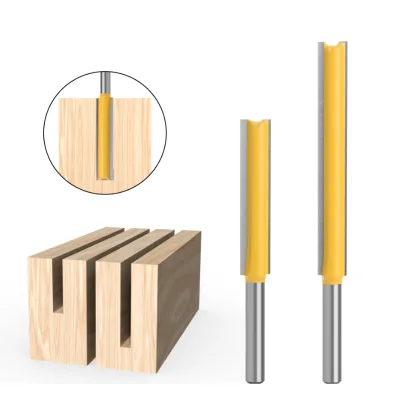


Wood Milling Bits Cutting Woodworking Carving Tools CNC Milling Machine Tools
$3.80 - $5.80
MOQ: 200 Pieces

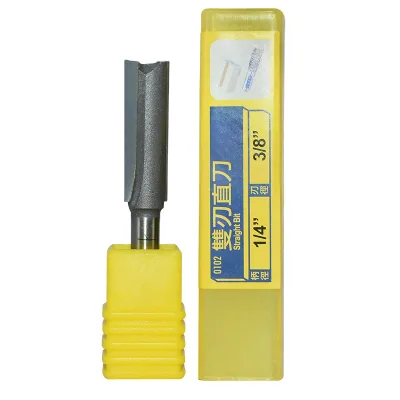
Cutting Milling Cutter Woodworking Carving Cutter CNC Wood Machine Tools Cutter
$3.80 - $5.80
MOQ: 200 Pieces


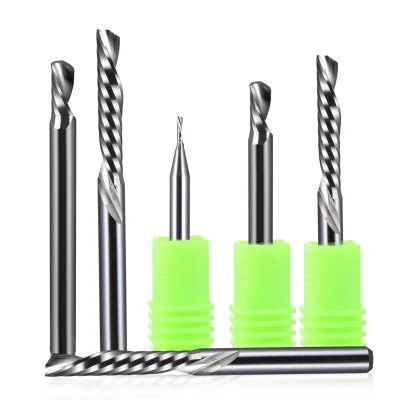
High-Class CNC Solid Carbide 3 Flutes Flat Milling Cutter for Wood Cutting
$2.50 - $10.00
MOQ: 5 Pieces




Comprehensive Sourcing Guide
Strategic Sourcing Guide for Wood Cutting Composite Milling Cutters
The global market for wood processing machinery relies heavily on high-performance cutting tools, with composite milling cutters serving as a critical component for precision woodworking. For procurement professionals, navigating the supply chain for these tools requires a disciplined approach that distinguishes between observed product attributes and verified performance claims. The following guide synthesizes available market data to assist buyers in identifying suitable suppliers and specifications for wood cutting composite milling cutters, ensuring alignment with operational needs and safety standards.
Technical Specifications and Material Composition
When evaluating wood cutting composite milling cutters, the primary technical differentiator lies in the material composition and geometric design. Market observations indicate a prevalence of Tungsten Steel and Carbon Steel as the base materials for these tools. Tungsten Steel variants are typically associated with higher durability and wear resistance, making them suitable for high-volume production environments. Conversely, Carbon Steel options may present a cost-effective alternative for specific applications where extreme hardness is not the primary requirement.
The structural design of these cutters varies significantly based on the intended cutting action. Buyers should verify whether the product utilizes an Indexable Type or Insert Type structure. Indexable cutters often allow for the replacement of individual cutting edges, extending the tool's lifecycle and reducing long-term costs. The tooth form is another critical specification; observed data includes both Spiral Tooth and Straight Tooth configurations. Spiral tooth designs are generally preferred for smoother cutting action and better chip evacuation in wood routing, while straight tooth forms may be selected for specific planing or sawing operations.
Furthermore, the physical dimensions and standardization of the cutter are essential for machine compatibility. Specifications frequently reference a standard diameter of 1/4 inch, with some products offering a broader range from 1/4 inch up to 2 inches. Specific model numbers such as KLD-M-02, KLD-W-03, and XINLIHUI indicate that manufacturers produce distinct series tailored to different machine interfaces. Buyers must confirm that the cutter's standard, such as Dia 1/4 inch or Dia 19.0mm, matches their existing machinery specifications. The coating status is another variable; while some units are observed as uncoated, others may feature specialized treatments to reduce friction and heat generation during operation.
Compliance, Certification, and Safety Standards
In the B2B procurement of industrial cutting tools, verifying compliance with international standards is non-negotiable. The supply chain for wood milling cutters often involves products originating from Guangdong, China, a region known for its manufacturing density. While the specific origin is a factual observation, the certifications attached to these products provide the necessary assurance of quality and safety.
Buyers should prioritize suppliers who can demonstrate valid certifications such as ISO, CE, and FDA. The presence of ISO certification indicates adherence to international quality management standards, which is crucial for maintaining consistent product quality across large orders. CE marking is particularly relevant for products intended for the European market, signifying compliance with health, safety, and environmental protection standards. FDA certification, while less common for general machinery, may be relevant for specific applications involving food-grade wood processing or where material safety is paramount.
It is important to note that certification status should be verified on a per-shipment basis rather than assumed for all products under a specific brand. Some listings may display multiple certifications, while others may only list ISO. Procurement teams must request current, valid certificates for every batch purchased to ensure that the tools meet the regulatory requirements of the destination market. Additionally, the condition of the product, whether listed as New or Used, must be clearly defined in the contract, as this impacts both the warranty validity and the expected performance life of the cutter.
Cost Drivers and Pricing Dynamics
Understanding the cost structure of wood cutting composite milling cutters is essential for budgeting and negotiation. The observed price range in the market spans from $0.50 to $8,000 USD, reflecting a vast disparity in product complexity, material quality, and order volume. This wide range suggests that pricing is heavily influenced by the specific configuration of the cutter, such as the number of flutes, the type of material (Tungsten Steel vs. Carbon Steel), and the presence of custom features.
The Minimum Order Quantity (MOQ) is a significant factor in determining the unit cost. Data indicates an MOQ range of 1 to 200 units. Purchasing single items may result in a higher per-unit price, whereas bulk orders often unlock economies of scale. Buyers should be aware that "Single item" selling units are available, which may be suitable for prototyping or low-volume maintenance needs, but larger production runs should aim for higher volume thresholds to optimize costs.
Other cost drivers include customization requirements. While customization is listed as available, the complexity of the request—such as non-standard sizes or specific tooth forms—will inevitably increase the price. The packaging method, ranging from simple plastic boxes to export-quality cartons, also contributes to the final cost. Furthermore, the warranty period, which varies from 1 year to 5 years, can influence the overall value proposition. A longer warranty often correlates with higher initial costs but provides better risk mitigation for the buyer.
Typical Applications and Machine Compatibility
Wood cutting composite milling cutters are designed for a diverse array of woodworking machinery. The functional application of these tools extends across various sectors of the wood industry, including but not limited to wood boring machines, drilling machines, edge banding machines, lathes, planers, presses, routers, saw machines, and sanders. The versatility of these cutters allows them to be utilized in both small-scale carpentry workshops and large-scale industrial manufacturing facilities.
The specific application dictates the required cutter specifications. For instance, a wood router may require a spiral tooth cutter for smooth finishing, while a wood saw machine might benefit from a straight tooth design for aggressive cutting. The voltage requirements of the machinery, often listed as 220V, must also be considered to ensure electrical compatibility. Buyers should cross-reference the cutter's application list with their specific machine models to avoid compatibility issues that could lead to operational downtime or safety hazards.
Additionally, the availability of set configurations is a key consideration for certain applications. Some products offer sets that include multiple cutters or accessories, which can streamline the procurement process for comprehensive tooling needs. The ability to choose different sizes, as noted in the standard specifications, further enhances the applicability of these cutters across various machine setups.
Supplier Evaluation and Origin Verification
Selecting the right supplier requires a thorough evaluation of their capabilities, location, and track record. The majority of observed products originate from Guangdong, China, a hub for manufacturing that offers a competitive advantage in terms of production capacity and supply chain efficiency. However, buyers must look beyond the origin and assess the supplier's ability to meet specific delivery timelines and quality expectations.
Lead times are a critical metric in supplier evaluation. Market data suggests that delivery can typically be completed within one month, but this should be confirmed for each specific order. Suppliers who offer flexible delivery schedules and reliable logistics support are preferable, especially for time-sensitive production runs. The condition of the product, whether new or used, must be explicitly stated to avoid misunderstandings regarding the tool's lifespan and performance.
Customization capabilities are another vital aspect of supplier evaluation. The ability to produce non-standard models and adhere to specific customer needs is a strong indicator of a supplier's technical competence. Buyers should inquire about the customization process, including the ability to modify standard sizes or tooth forms, and ensure that the supplier has the necessary machinery and expertise to execute these changes without compromising quality.
Quality Control and Long-Term Procurement Strategy
Implementing a robust quality control (QC) strategy is essential for mitigating risks associated with the procurement of milling cutters. Given the wide range of observed specifications and materials, buyers should establish clear acceptance criteria before placing orders. This includes verifying the material composition, checking the tooth form and space, and ensuring that the coating and structure meet the required standards.
For long-term procurement, building a relationship with suppliers who offer extended warranties is advisable. A warranty period of up to 5 years indicates a high level of confidence in the product's durability and can significantly reduce the total cost of ownership. Buyers should also consider the availability of spare parts and the ease of replacement for indexable or insert-type cutters, as these features can minimize downtime during production.
Finally, maintaining a clear record of product specifications, certifications, and performance data for each batch purchased will facilitate future procurement decisions. By systematically tracking the performance of different models and suppliers, buyers can refine their sourcing strategy, optimize costs, and ensure a steady supply of high-quality wood cutting composite milling cutters for their operations.
Comparative Analysis of Product Attributes
To assist in the decision-making process, the following table summarizes key attributes observed in the market for wood cutting composite milling cutters. This comparison highlights the variability in specifications and helps buyers identify the features most relevant to their specific needs.
| Attribute Category | Observed Options | Key Considerations for Buyers |
|---|---|---|
| Material | Tungsten Steel, Carbon Steel, Alloy | Verify hardness requirements and wear resistance needs. |
| Tooth Form | Spiral Tooth, Straight Tooth | Match to machine type (e.g., router vs. saw). |
| Structure | Indexable Type, Insert Type | Consider ease of edge replacement and cost efficiency. |
| Standard Size | 1/4 inch, 19.0mm, 1/4''~2'' | Ensure compatibility with existing machine spindles. |
| Certification | ISO, CE, FDA | Confirm validity for target export markets. |
| Warranty | 1 Year, 5 Years | Assess long-term value and risk mitigation. |
| Condition | New, Used | Define usage expectations and remaining lifespan. |
| Packaging | Plastic Box, Carton, Export Quality | Evaluate protection needs during shipping. |
By carefully analyzing these attributes and aligning them with operational requirements, procurement professionals can make informed decisions that balance cost, quality, and performance. The diversity of options available in the market underscores the importance of a methodical approach to sourcing, ensuring that the selected milling cutters deliver optimal results in wood processing applications.
FAQs
What materials are used for wood cutting composite milling cutters?
These cutters are primarily made from Tungsten Steel or Carbon Steel. Tungsten Steel offers higher durability for high-volume production, while Carbon Steel serves as a cost-effective alternative for specific applications where extreme hardness is not required.
Which certifications should I look for in these milling cutters?
Buyers should prioritize products with ISO, CE, and FDA certifications. ISO indicates adherence to quality management standards, while CE ensures compliance with safety standards for the European market, though verification is required per shipment.
How do I choose between spiral and straight tooth forms?
Spiral tooth designs are preferred for smoother cutting and better chip evacuation in wood routing. Straight tooth forms are often selected for specific planing or sawing operations where aggressive cutting is the primary requirement.
Can I find suppliers offering customization for these cutters?
Yes, customization is available for non-standard sizes and specific tooth forms. Buyers should confirm the supplier's ability to modify standard specifications like diameter or structure to meet unique machine interface requirements.
What is the typical lead time for delivery of these tools?
Delivery is typically completed within one month for standard orders. However, this timeline should be confirmed for each specific order, especially when customization or large volume requirements are involved.
Which machines are compatible with these wood cutting cutters?
These cutters are compatible with wood boring, drilling, edge banding, lathe, planer, press, router, saw, and sander machines. Buyers must verify that the cutter's voltage and standard dimensions match their specific machinery.