Source Wooden Charcuterie Board for Daily Use, Gifts, and Decoration
Explore 30 listings of Wooden Charcuterie Board options available from suppliers in China. Buyers can compare materials like MDF, solid wood, and bamboo, along with various sizes and finishes to find the right product for daily use, commerce gifts, or decoration.
Key considerations
Products List


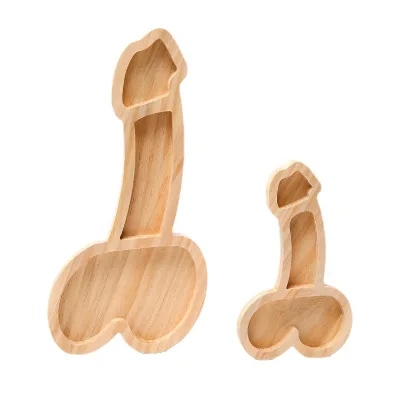
Creative Laser Wooded Cheese Board Charcuterie Board Acacia Wood Serving Board
$1.66 - $6.58
MOQ: 100 Pieces


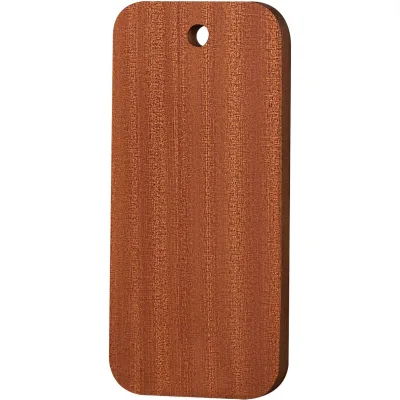
Olive Wood Personalized Rustic Charcuterie Food Cheese Board Chopping Cutting Board
$11.95 - $12.55
MOQ: 300 Pieces


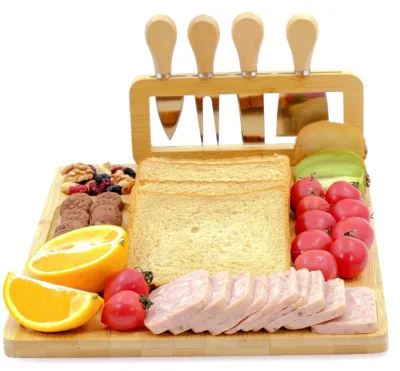
Walnut Wood Cutting Board with Handle Wooden Charcuterie Bread Meat Fruits
$4.00 - $5.80
MOQ: 100 Pieces


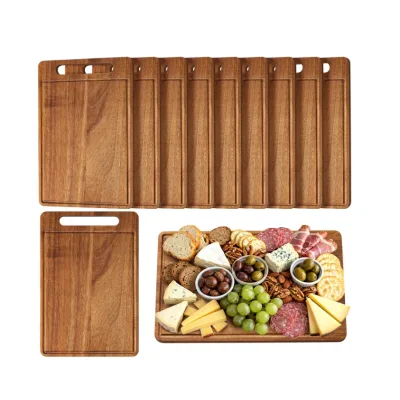
13 1/2" X 7 1/2" X 3/4" Medium Wooden Bread / Charcuterie Cutting Board with Handle
$2.00 - $5.00
MOQ: 24 Pieces

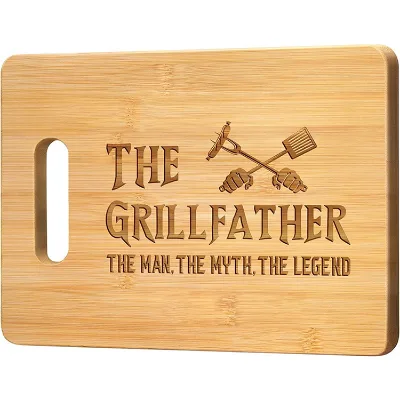
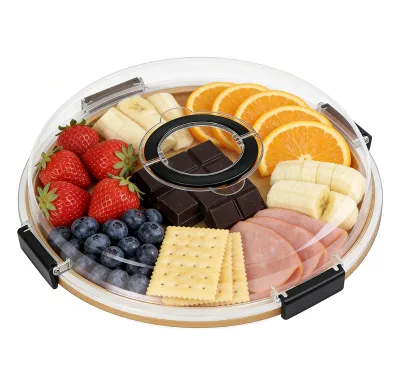
Comprehensive Sourcing Guide
Strategic Sourcing Guide for Wooden Charcuterie Boards
The global market for wooden charcuterie boards has evolved from a niche culinary accessory into a staple of modern dining and gifting. For B2B procurement professionals, sourcing these items requires a nuanced understanding of material science, manufacturing processes, and supply chain logistics. The following guide synthesizes available product data and industry standards to provide a disciplined framework for acquiring high-quality wooden serving boards. Buyers must navigate a landscape where "wood" encompasses solid timber, engineered composites, and bamboo, each presenting distinct advantages and constraints regarding durability, aesthetics, and regulatory compliance.
Material Composition and Structural Integrity
The foundation of any charcuterie board lies in its material composition. In the current supply chain, three primary material categories dominate the market: solid wood, bamboo, and engineered wood products such as MDF. Solid wood offers the traditional aesthetic and durability associated with high-end serving ware. It is characterized by natural grain patterns and a robust structure that can withstand repeated use. The data indicates that solid wood is a prevalent choice for boards intended for daily use and commercial gifting, providing a premium feel that aligns with fashion-forward design trends.
Bamboo represents a significant alternative, often marketed for its eco-friendly credentials and rapid renewability. Products labeled as bamboo or bamboo-wood composites are frequently cited for their antibacterial properties and resistance to moisture. These materials are often processed to achieve a "thickening" effect, enhancing their structural integrity for heavy-duty tasks like chopping or serving. However, buyers must distinguish between 100% bamboo and composite materials, as the latter may involve adhesives that require specific safety verification.
Engineered wood, specifically Medium Density Fiberboard (MDF), presents a different value proposition. While less traditional than solid timber, MDF boards are often painted or finished with a matte finish to achieve a uniform, modern look. These products are typically lighter and more cost-effective, making them suitable for disposable or semi-disposable applications, though the data suggests a strong preference for non-disposable, durable goods in the charcuterie sector. The choice between these materials depends heavily on the intended usage profile, whether it is for high-volume commercial events, retail gifting, or specialized culinary applications.
Technical Specifications and Dimensional Standards
Precision in manufacturing is critical for charcuterie boards, as dimensions directly impact their utility and aesthetic appeal. The supply data reveals a wide variance in standard sizes, ranging from compact serving platters to large, expansive boards. Specific product models, such as those with model numbers NF-NMC-199 and NF-NMC-198, adhere to precise dimensional standards like 36022013mm and 28x15x1.5cm respectively. These measurements are not arbitrary; they dictate the board's capacity for food presentation and its compatibility with standard kitchen storage or display racks.
Thickness is another vital specification. The market features "thickening" variants designed to prevent warping and provide a substantial feel in the hand. Conversely, thinner profiles may be preferred for lightweight, portable serving options. The data also highlights "irregular" shapes alongside standard rectangular forms, catering to the "fashion" and "design" attributes sought by modern consumers. Buyers should verify that the thickness and size specifications align with the intended application, whether for chopping fruits and vegetables or purely for decorative display.
The standardization of these dimensions is often tied to the supplier's production capabilities. While some suppliers offer "any size" customization, others operate within fixed standard ranges like 60181.5 cm or 52.830.52.5 cm. When sourcing, procurement teams must clarify whether the supplier operates on a made-to-order basis or maintains a stock of standard SKUs. This distinction affects lead times and inventory management strategies. Furthermore, the "double-sided" design feature observed in some models adds functional versatility, allowing for different textures or finishes on opposite faces, which can be a key differentiator in competitive markets.
Surface Finishes and Processing Techniques
The visual and tactile quality of a wooden board is largely determined by its finishing process. The observed market data points to a strong preference for "painted" and "matte finish" treatments, particularly for MDF-based products. These finishes provide a sleek, contemporary look that appeals to the "fashion" segment of the market. For natural wood and bamboo products, the finish often aims to preserve the "natural color" while enhancing the grain. The "polishing" technique is frequently mentioned in conjunction with cutting and processing, ensuring a smooth surface that is safe for food contact and easy to clean.
Processing methods also play a crucial role in the final product's performance. The "cutting" and "polishing" techniques mentioned in the data suggest a multi-step manufacturing process that refines the raw material into a finished good. For boards intended for food preparation, such as chopping boards, the surface must be free of splinters and rough edges. The "antibacterial" feature noted in specific product lines indicates that some suppliers may apply treatments or select materials that inhibit bacterial growth, a critical consideration for food safety compliance.
Buyers should scrutinize the "packaging" specifications, which often include shrink wrap, color labels, inner boxes, and cartons. This level of packaging detail is indicative of a supplier's attention to quality control and their readiness for retail distribution. The "paper box" packaging observed in other models suggests a more minimalist approach, suitable for eco-conscious branding. The choice of finish and packaging must align with the target market's expectations regarding sustainability and luxury.
Compliance, Safety, and Regulatory Considerations
While the provided data does not list specific certification bodies, the "antibacterial" and "eco-friendly" attributes imply a need for rigorous safety verification. For wooden boards intended for food contact, compliance with international food safety standards is non-negotiable. Buyers must verify that the materials used, including any adhesives in bamboo-wood composites or paints on MDF, meet the regulatory requirements of the destination market, such as FDA regulations in the United States or EU Framework Regulations in Europe.
The "eco-friendly" claim requires substantiation. Buyers should request documentation regarding the sourcing of the wood or bamboo, ensuring it comes from sustainable forests or certified plantations. The "non-disposable" nature of the products suggests a focus on durability, which inherently supports sustainability goals by reducing waste. However, the "customization" and "OEM" capabilities mentioned in the data also raise questions about the consistency of quality control across different production batches.
Standard verification is essential. While some products cite specific dimensions as standards, others claim "any size" capability. Buyers must ensure that the "standard" referenced by the supplier aligns with industry norms for food safety and dimensional consistency. The origin of the products, primarily from China and specifically Shaowu City in Fujian Province, a known hub for bamboo and wood processing, suggests a mature supply chain but necessitates careful vetting of local manufacturing practices to ensure they meet global compliance benchmarks.
Cost Drivers and Procurement Economics
The pricing of wooden charcuterie boards is influenced by a complex interplay of material costs, processing complexity, and order volume. The observed price range of 1 to 18 USD indicates a broad spectrum of products, from basic, mass-produced items to premium, hand-finished boards. The "MOQ" (Minimum Order Quantity) range of 1 to 1000 units offers flexibility for buyers of all sizes, from startups to large retailers. However, higher customization levels, such as specific sizes or unique finishes, often come with higher unit costs and potentially higher MOQs.
Material selection is a primary cost driver. Solid wood and high-grade bamboo generally command higher prices than MDF or composite materials. The "thickening" process and "double-sided" designs add labor and material costs, which are reflected in the final price. Additionally, the "antibacterial" treatment and specialized "polishing" processes contribute to the overall cost structure. Buyers should analyze the cost per unit relative to the expected lifespan and end-user value. A slightly higher initial investment in a durable, solid wood board may yield better long-term value compared to a cheaper, less durable alternative.
The "OEM" (Original Equipment Manufacturer) and "customization" options allow buyers to differentiate their products but introduce variable costs. Custom packaging, such as the "with Shrink / Color Label / Inner Box and Carton" configuration, adds to the expense but enhances brand value. Procurement strategies should balance the desire for customization with the need to maintain competitive pricing. Understanding the cost drivers allows buyers to negotiate effectively and select the right product tier for their specific market segment.
Supplier Evaluation and Quality Assurance
Evaluating suppliers for wooden charcuterie boards requires a multi-faceted approach. The data indicates that suppliers offer "customization" and "OEM" services, suggesting a willingness to adapt to buyer requirements. However, the presence of multiple product models (e.g., DT06, DT05, NF-NMC-199) with varying specifications implies a diverse product portfolio. Buyers should assess the supplier's ability to maintain consistency across these different lines.
Quality control is paramount. The "non-disposable" and "daily use" attributes demand high durability. Buyers should request samples to test for warping, cracking, and surface smoothness. The "matte finish" and "natural color" claims should be verified against physical samples to ensure they match the visual expectations. Additionally, the "antibacterial" feature should be backed by third-party test results, as this is a critical safety claim.
The "production origin" in Shaowu City, Fujian Province, is a significant factor. This region is renowned for its expertise in bamboo and wood processing, suggesting a high level of technical proficiency. However, buyers must still conduct due diligence on the specific factory's capacity, lead times, and quality management systems. The ability to handle "any size" orders indicates flexibility, but buyers should confirm the supplier's capacity to meet large volume orders without compromising quality.
Long-Term Procurement and Market Trends
The long-term viability of sourcing wooden charcuterie boards depends on aligning with evolving market trends. The "fashion" and "design" attributes highlight a shift towards aesthetically pleasing, versatile products that serve both functional and decorative purposes. The "collection" and "commerce gifts & decoration" usage categories suggest that these boards are increasingly viewed as lifestyle products rather than just kitchen tools.
Sustainability remains a key trend. The "eco-friendly" and "bamboo" attributes indicate a growing consumer preference for renewable materials. Buyers should anticipate increased demand for products with verified sustainable sourcing and minimal environmental impact. The "non-disposable" nature of the products aligns with the global push against single-use plastics and waste.
Furthermore, the "customization" and "OEM" capabilities suggest a market that values brand identity. Buyers should consider how they can leverage these options to create unique product lines that stand out in a crowded marketplace. The ability to offer "any size" and specific finishes allows for differentiation. Long-term procurement strategies should focus on building strong relationships with suppliers who can adapt to these changing demands while maintaining high quality and compliance standards.
In conclusion, sourcing wooden charcuterie boards requires a strategic approach that balances material quality, technical specifications, and regulatory compliance. By carefully evaluating suppliers, understanding cost drivers, and aligning with market trends, buyers can secure a supply chain that delivers value and meets the evolving needs of the global market. The diversity of materials and finishes available offers ample opportunity for innovation, provided that rigorous quality control and safety standards are maintained throughout the procurement process.
FAQs
What materials are used for wooden charcuterie boards?
Suppliers offer boards made from solid wood, bamboo, and MDF. Solid wood provides a premium feel for daily use, while bamboo offers antibacterial properties. MDF options are often painted with a matte finish for a modern fashion look.
Can I customize the size and design of these boards?
Yes, customization is available for most models, including options for any size. Some suppliers accept OEM requests and offer double-sided designs. Buyers can specify dimensions like 360*220*13mm or request unique shapes such as irregular forms.
Which suppliers offer antibacterial wooden cutting boards?
Certain bamboo and wood products feature antibacterial functions suitable for food use. These items often come in natural colors with thickening for durability. Buyers should verify the specific model numbers like NF-NMC-199 to confirm these safety features.
How are these boards packaged for shipping?
Packaging varies by product, including paper boxes or shrink wrap with color labels. Some sets come with inner boxes and cartons for protection. The packaging ensures the boards remain safe during transit to destinations like the United States or Europe.
What is the minimum order quantity for these products?
The minimum order quantity ranges from 1 to 1000 units depending on the supplier. Lower MOQs allow for small trials, while larger orders may secure better pricing. Buyers should check specific model requirements to determine the exact threshold for their needs.
Where are these wooden boards manufactured?
Most products originate from China, specifically Shaowu City in Fujian Province. This region is a known hub for bamboo and wood processing. Buyers can expect a mature supply chain with established capabilities for various wood types and finishes.
What finishes are available for the board surfaces?
Available finishes include matte treatments for MDF and natural colors for solid wood. Polishing techniques ensure smooth surfaces safe for food contact. Some boards are painted for a fashion style, while others retain their natural grain for a classic look.