Source Wooden Drum Sets for Music Education and Play
Explore 30 listings for Wooden Drum instruments suitable for children aged 3-8 years. Compare features of percussion sets, including rattles and toy guitars, sourced from China with CE and ASTM certifications for safe recreational use.
Key considerations
Products List


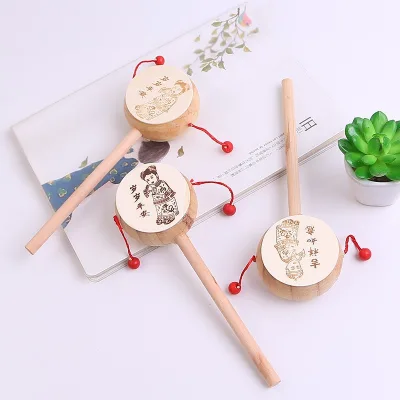
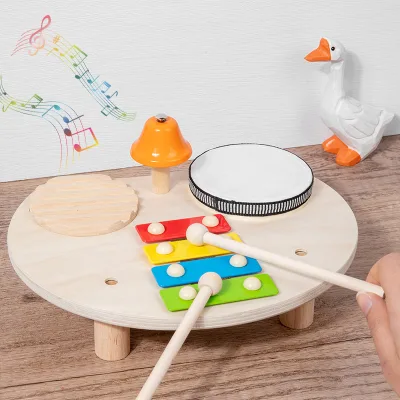
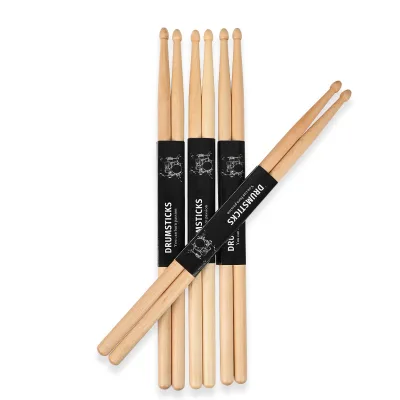
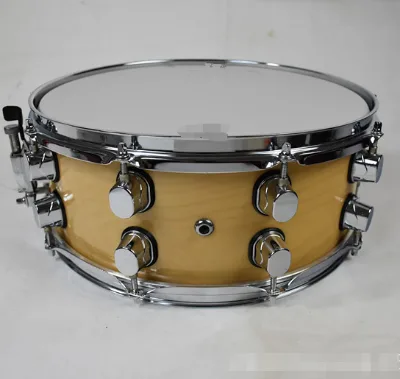
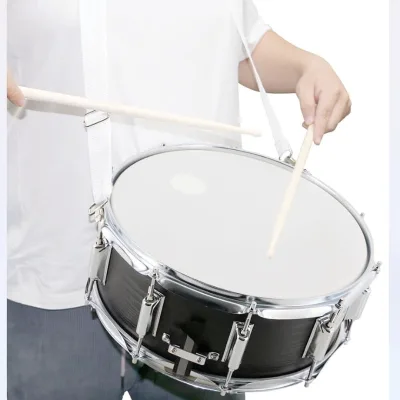
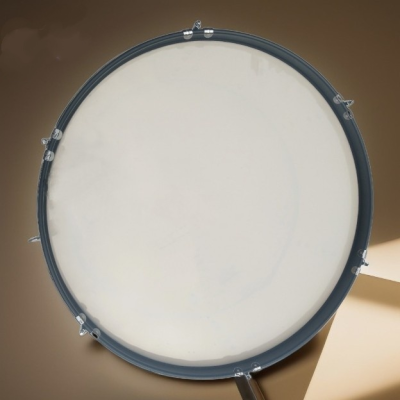
Big Drum Use Instruments to Popularize the Marching Instruments of the Big Drum Band
$29.04 - $38.94
MOQ: 1 pieces


$1.00 - $100.00
MOQ: 3000 Pieces


Comprehensive Sourcing Guide
Wooden Drum Sourcing Guide
Sourcing wooden drums requires a nuanced understanding of the diverse product landscape, which ranges from professional-grade percussion instruments to educational toys and decorative items. The market data indicates a broad spectrum of offerings, with observed price points spanning from $0.32 to $20,000 USD. This wide variance reflects differences in material quality, craftsmanship complexity, and intended use case. Buyers must first define whether their procurement needs align with musical performance, early childhood education, or promotional giveaways, as these distinct categories demand different verification protocols and supplier capabilities.
The observed minimum order quantities (MOQs) range from 1 to 5,000 units, suggesting that suppliers cater to both individual boutique orders and large-scale industrial procurement. High-confidence data points reveal specific product models such as GWT-0036 and GWT-0008, alongside various material specifications including lotus wood and general wooden constructions. Understanding these baseline signals allows buyers to filter suppliers effectively, ensuring that the initial outreach targets vendors who possess the specific manufacturing capacity and inventory structure required for the desired volume and product type.
Product Scope and Observed Listing Signals
The product scope for wooden drums encompasses a variety of forms, including traditional drum sets, children’s pianos with wooden components, and specialized auxiliary toys like rattle-drums. Listings frequently highlight customization availability, indicating that many manufacturers are equipped to handle branded or specification-specific orders. The presence of attributes such as "DIY Toys" and "Wooden Toy Guitar" alongside "Drum Set" suggests that some suppliers operate in the broader musical instrument and toy sector, offering mixed portfolios. Buyers should carefully distinguish between professional percussion instruments and educational or promotional wooden items to avoid misalignment in quality expectations.
Observed listing signals also point to specific physical characteristics, such as sizes ranging from small dimensions like 204.5cm to larger formats like 14-inch drums or 60cm85cm structures. Colors vary from natural wood tones to multi-color and white finishes, catering to different aesthetic preferences for home decor, classroom settings, or stage performance. The mention of "European & American" styles and "Lotus Wood" materials highlights the importance of design origin and specific wood species in the sourcing decision. Buyers must verify if the listed attributes match their specific functional requirements, particularly when dealing with items labeled as both musical instruments and toys.
Technical Specifications to Verify
Technical verification begins with confirming the exact material composition, as listings mention both generic "Wood" and specific types like "Lotus Wood." The drum heads material is noted as "other" in some contexts, requiring buyers to request detailed specifications regarding the membrane type, whether it is synthetic, animal skin, or another composite, as this directly impacts sound quality and durability. Model numbers such as 0922 and GWT-0036 serve as critical identifiers for cross-referencing supplier catalogs. Buyers should insist on detailed technical datasheets that specify wood density, treatment processes, and hardware quality, particularly for metal rims and tension rods, which are essential for maintaining tuning stability.
Dimensional accuracy is another critical technical parameter, with observed standards including specific measurements like 14-inch diameters and package sizes. Buyers must verify if the listed dimensions refer to the product itself or the packaging, as discrepancies can lead to logistical errors. The "Small size" and "Medium" scale classifications observed in the data suggest a need for clear dimensional definitions. Additionally, the "Direct Play" feature mentioned in some listings implies a focus on usability, but buyers should confirm the ergonomic design and playability of the instrument, especially for children’s models intended for ages 3-8 years.
Compliance and Safety Documentation
Compliance is paramount, particularly for products targeting children or intended for international markets. The observed certifications include CE, ASTM, and EN standards, which are crucial for ensuring that wooden drums meet safety requirements for mechanical, flammability, and chemical hazards. For toys and educational instruments, ASTM F963 and EN71 standards are typically relevant, while general consumer goods may require CE marking for European distribution. Buyers must request valid certification documents and verify their authenticity with the issuing bodies, as the presence of a certification label on a listing does not guarantee current validity or scope coverage.
Chemical safety is another key area of concern, especially given the mention of "Chemical Pharmaceutical Packaging Barrels" in some unrelated attributes, which highlights the importance of clear product classification. For wooden instruments, buyers should verify that finishes, paints, and adhesives are free from harmful substances like lead, phthalates, and formaldehyde. The "Natural" color option may imply untreated wood, but buyers must confirm the type of varnish or sealant used to protect the wood. Ensuring that all materials comply with relevant REACH regulations or local safety standards is essential to avoid customs delays and product recalls.
Cost Drivers and Commercial Terms
Cost drivers for wooden drums include the type of wood used, the complexity of the design, and the level of customization required. Premium woods like lotus wood or sustainably sourced hardwoods will command higher prices compared to softwoods or composite materials. The observed price range of $0.32 to $20,000 USD reflects this disparity, with lower prices likely corresponding to simple toys or promotional items and higher prices to professional-grade drum sets. Buyers should analyze the cost structure to understand what components are included, such as hardware, cases, and accessories, to ensure accurate price comparisons.
Commercial terms also play a significant role in the total cost of ownership. The observed MOQs of 1 to 5,000 units allow for flexibility, but higher volumes may unlock better pricing tiers. Packaging methods, such as "Paper Carton" or "Truck" loading, impact shipping costs and protection during transit. Buyers should negotiate clear terms regarding payment methods, lead times, and responsibility for shipping and insurance. The mention of "by Sea" packing suggests that ocean freight is a common method, which requires careful planning for inventory management and cash flow.
Supplier Qualification and Quality Control
Supplier qualification involves verifying the manufacturer’s production capabilities and quality management systems. The observed places of origin, including Hebei and Tianjin in China, indicate specific manufacturing hubs with varying specializations. Buyers should conduct factory audits or request third-party inspection reports to assess the supplier’s ability to maintain consistent quality across batches. The availability of customization services suggests that many suppliers have flexible production lines, but buyers must ensure that these capabilities do not compromise quality control processes.
Quality control measures should include pre-production sample approvals and in-line inspections during manufacturing. Buyers should define clear acceptance criteria for wood grain, finish quality, and acoustic performance. For wooden drums, checking for cracks, warping, and proper assembly of hardware is essential. The "DIY Toys" category may require additional safety checks for small parts and choking hazards. Establishing a robust quality assurance protocol with the supplier helps mitigate risks and ensures that the delivered products meet the specified standards.
Long-Term Procurement Checks
Long-term procurement success depends on establishing a reliable supply chain and fostering strong supplier relationships. Buyers should monitor supplier performance metrics, such as on-time delivery rates, defect rates, and responsiveness to issues. Regular communication and periodic reviews help identify potential problems early and allow for continuous improvement. The observed brand names, such as YinDu, provide opportunities to evaluate brand reputation and market presence, which can be indicators of supplier stability and commitment to quality.
Sustainability and ethical sourcing are increasingly important considerations for long-term procurement. Buyers should inquire about the sourcing of wood materials and ensure that suppliers adhere to environmental regulations and responsible forestry practices. The "European & American" style attributes may imply compliance with specific design and environmental standards. By prioritizing sustainable and ethical suppliers, buyers can enhance their brand image and reduce risks associated with supply chain disruptions or regulatory changes. Continuous evaluation of the supplier base ensures that the procurement strategy remains aligned with evolving market demands and corporate social responsibility goals.
FAQs
What certifications do Wooden Drum products have?
Wooden Drum products typically hold CE and ASTM certifications. These standards ensure safety and quality compliance for international trade. Buyers should verify specific documentation for each batch to confirm adherence to regional regulations and material safety requirements.
Can wooden drums be customized for specific needs?
Yes, customization is available for many Wooden Drum models. Suppliers often allow adjustments to size, color, and packaging to meet specific buyer requirements. This flexibility supports branding and functional needs for promotional or recreational use cases.
What is the typical MOQ for Wooden Drum orders?
The minimum order quantity varies, often starting at 100 pieces for certain models. Some suppliers may accept orders as low as one unit, while others require up to 5000 pieces. Buyers should check specific product listings for exact MOQ constraints.
Where are wooden drums typically manufactured?
Wooden drums are primarily manufactured in China, with origins in regions like Hebei and Tianjin. This location offers access to raw materials like lotus wood and established production networks. Buyers can leverage these hubs for efficient sourcing and logistics.
What materials are used in Wooden Drum construction?
Common materials include lotus wood and general wood varieties. Some models may feature other drum head materials. The choice of wood affects durability and sound quality, making material specification a key factor in selecting the right instrument for children or adults.