Source Wooden Core Cattle Body Brush for cleaning, grooming, and hygiene
Compare 30 listings for the Wooden Core Cattle Body Brush designed for cow body cleaning. Buyers can evaluate specifications like motor power, voltage, and brush dimensions to find suitable options for automated cattle grooming systems.
Key considerations
Products List


Auto Cattle Body Scratcher/Cow Farming Equipment Body Brush for Cattle
$350.00 - $428.00
MOQ: 10 Pieces

Cattle Body Brush Husbandry Cleaning Equipment/Automatic Cattle Body Scratcher
$350.00 - $428.00
MOQ: 10 Pieces


Farm Use Husbandry Cleaning Equipment Cattle Massager Cow Body Brush
$350.00 - $428.00
MOQ: 100 Pieces


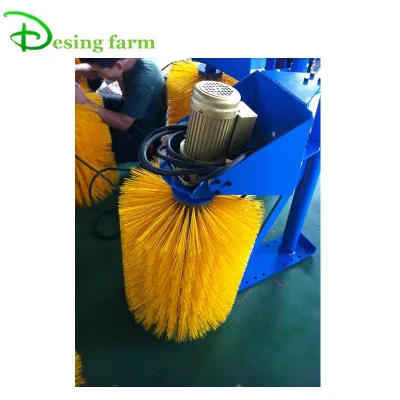


Cattle Body Brushes Animal Scratching Brush Farming Cow and Sheep Roller Brush
$39.00 - $55.00
MOQ: 1 Pieces

Farming Cattle Cleaning Brushes Cow Massage Brush for Cleaning Cattle Body
$59.00 - $69.00
MOQ: 1 Pieces

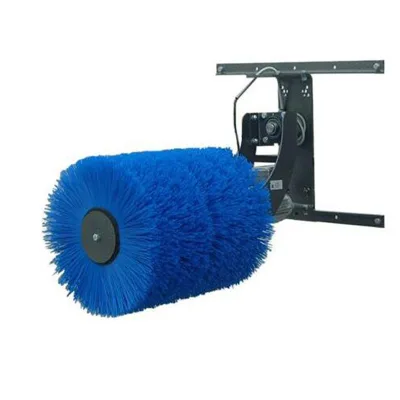

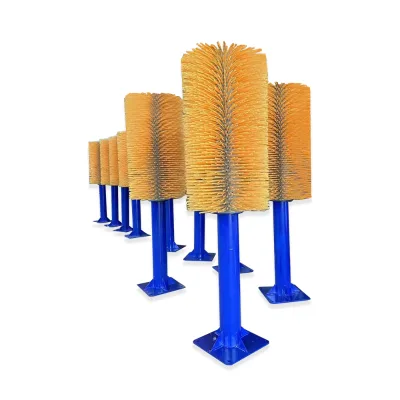
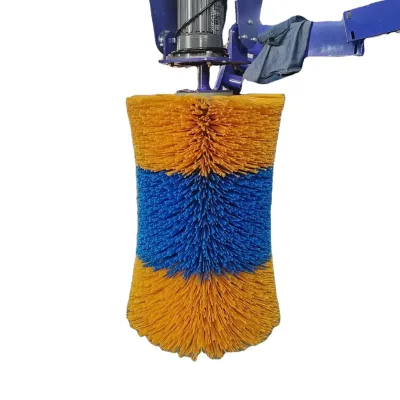
Comprehensive Sourcing Guide
Sourcing Guide for Wooden Core Cattle Body Brushes
The global demand for automated livestock hygiene solutions has driven significant innovation in cattle body brush technology. While the core keyword "Wooden Core Cattle Body Brush" suggests a specific construction method involving wood, the current market data reveals a complex landscape where material composition varies significantly. Buyers must navigate between traditional wooden bristle designs and modern synthetic alternatives like Polypropylene (PP) housed in steel frames. This guide provides a disciplined approach to sourcing these essential farm assets, focusing on technical verification, compliance, and supply chain reliability without relying on unverified claims or specific supplier endorsements.
Technical Specifications and Material Verification
When evaluating cattle body brushes, the first critical step is defining the technical specifications that align with your herd's size and operational needs. The observed product data indicates a wide variance in power sources and motor configurations. Some units operate on 220V at 150W, while others utilize 48V systems with 100W motors. A key observation in the current market is the prevalence of electric power sources, yet the specific voltage requirements must match your farm's electrical infrastructure.
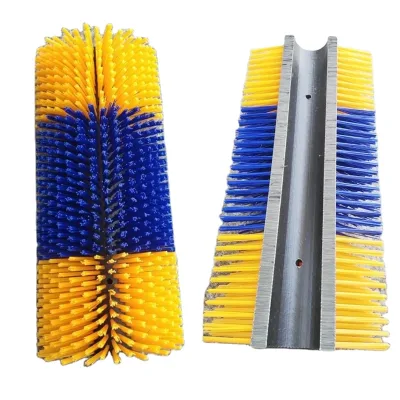
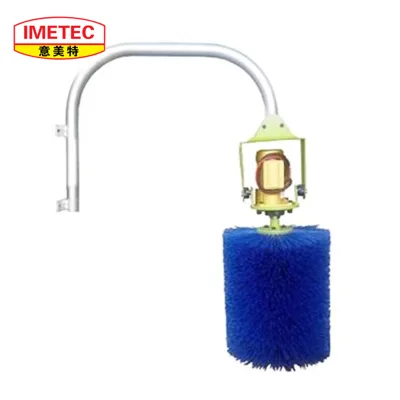
Material composition is perhaps the most confusing aspect for new buyers. The term "wooden core" may imply a traditional design, but the supplied facts highlight products constructed with PP (Polypropylene) materials and steel frames. For instance, specific models feature a "Cow Body Brush" designation with a steel frame and PP components. Buyers should verify if the "core" refers to the internal structural support or the bristle material itself. The observed specifications include a brush length of 600mm and a diameter of 450mm, with some units offering customizable dimensions. The motor protection rating of IP55 is a standard observation, indicating protection against dust and water jets, which is essential for the wet and dusty environment of a cattle shed.
Furthermore, the mechanical operation varies. Some units are described as having a revolving speed of 22 revolutions per minute with an auto on/off feature, while others specify a reduction ratio of 60:1. The installation height is a critical dimension, with one observed standard suggesting the brush bottom should be 100cm above the ground. Buyers must ensure that the horizontal and vertical dimensions of the unit, such as the observed 1270mm horizontal and 940mm vertical measurements, fit within their barn's clearance. The surface finish is typically powder-coated, providing resistance against corrosion from animal waste and cleaning chemicals.
Compliance and Certification Standards
Navigating the certification landscape is vital for ensuring that the equipment meets international safety and quality standards. The observed data lists a diverse array of certifications, including ISO9001, CE, GMP, QS, and UL. It is important to note that these certifications are not universally applied to every listed product; rather, they represent the capabilities of different suppliers or specific product lines. For example, one entry lists "ISO9001:Computerized:Non-Computerized," while another specifies "ISO9001:Computerized:Computerized." This distinction implies that the level of automation and the associated quality management systems may differ between models.
Buyers should not assume that a single product carries all listed certifications. Instead, the procurement process must involve a direct request for the specific certificate of conformity for the model being purchased. The presence of CE certification is particularly relevant for European markets, ensuring electrical safety and compliance with machinery directives. Similarly, UL certification is a key indicator for North American electrical safety standards. The GMP (Good Manufacturing Practice) and QS certifications suggest adherence to quality standards often required in food-producing environments, which is pertinent for dairy and beef operations.
Additionally, the product standard itself varies. Some units are manufactured to a fixed standard of "diameter 500cm, length 600cm," while others offer "Customized" standards. This flexibility allows for tailoring the equipment to specific barn layouts, but it requires precise communication during the ordering phase. The origin of the products is consistently listed as China, with specific mentions of Shandong as a place of origin. While this provides a geographical context, it does not inherently dictate quality; rather, it directs the buyer to verify the specific factory's track record and export history.
Cost Drivers and Pricing Dynamics
Understanding the cost structure of cattle body brushes is essential for budgeting and ROI analysis. The observed price range in the market spans from $6.62 to $1,072 USD. This vast disparity is not indicative of a single product type but rather reflects the difference between simple manual components, basic electric units, and fully automated, computerized systems. The lower end of the price spectrum likely corresponds to non-computerized units or individual replacement parts, whereas the higher end encompasses fully integrated systems with advanced sensors, auto on/off mechanisms, and robust steel frames.
Several factors drive these costs. The power source is a primary determinant; units with 220V 150W motors and computerized controls will naturally cost more than 48V 100W non-computerized versions. The material composition also plays a significant role; steel frames with powder-coated finishes and PP bristles may command a premium over simpler designs. Furthermore, the level of customization affects the price. Products with "Customized" standards or specific dimensions will incur higher manufacturing costs compared to standard off-the-shelf models.
The packaging method is another cost driver. The observed data lists options ranging from standard cartons to wooden boxes and steel pallets. Wooden boxes and steel pallets, often required for international ocean shipments, add to the overall unit cost but are necessary for protecting the equipment during transit. The supply ability of the manufacturer, observed at 100 pieces per month for some suppliers, can also influence pricing. Limited supply capacity may lead to higher prices due to scarcity, whereas high-volume manufacturers might offer more competitive rates. Buyers must balance the initial purchase price against the long-term durability and maintenance costs of the unit.
Typical Applications and Operational Fit
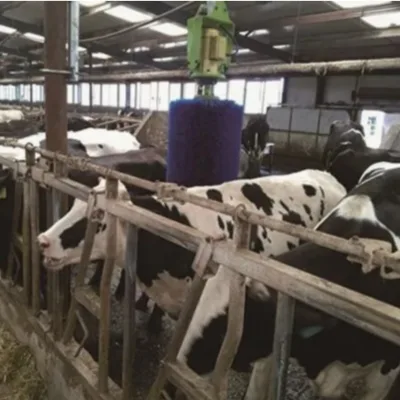
The primary application for these units is clearly defined as "cow body clean," serving as an essential tool for maintaining animal hygiene and reducing disease transmission. The equipment is designed to simulate the natural grooming behavior of cattle, removing dirt, manure, and loose hair from the animal's coat. This process not only improves the animal's comfort but also enhances milk production and overall herd health. The "Epidemic Prevention Equipment" classification further underscores the role of these brushes in biosecurity protocols, acting as a barrier against the spread of pathogens between animals.
The operational fit depends heavily on the specific model selected. For instance, units with a "Horizontal" direction and specific dimensions like 1270mm horizontal and 940mm vertical are suited for wide barn aisles. The installation height of 100cm above the ground is a critical parameter that must be matched to the average height of the cattle in the herd. If the brush is too high or too low, it will fail to engage the animal effectively. The revolving speed of 22 revolutions per minute is designed to provide a thorough clean without causing distress to the animal.
Different models cater to different scales of operation. The "Auto cow cattle cleaning roller body brush" with a "Single item" selling unit suggests suitability for individual farm purchases, while the "Ocean Shipment" and "Pallet" packaging details indicate readiness for large-scale distribution to commercial farms. The "Blade Type" being "Curved Teeth" suggests a design optimized for effective cleaning without damaging the animal's skin. Buyers should evaluate their specific barn layout, herd size, and management practices to select the model that offers the best operational efficiency.
Supplier Evaluation and Supply Chain Reliability
Evaluating suppliers requires a focus on their production capabilities and logistical readiness. The observed data indicates a supply ability of 100 pieces per month for some manufacturers, which is a crucial metric for buyers planning large-scale deployments. A supplier with a low monthly capacity may struggle to meet urgent orders or scale up production during peak seasons. The "Port of dispatch" is listed as Qingdao, a major shipping hub in China, which suggests established logistics channels for international buyers.
Buyers should verify the supplier's ability to handle "Ocean Shipment" and provide appropriate packaging, such as "In steel pallet" or "Wooden Box." The quality of packaging is directly linked to the safety of the equipment during transit. Additionally, the "Customization" attribute being "Available" indicates that suppliers are flexible in meeting specific client requirements, but this requires clear communication and potentially longer lead times.
The "Condition" of the products is listed as "New," which is standard, but buyers must ensure that the "Surface finish" is indeed "Powder Coated" as observed, to guarantee longevity. The "Brand name" observed as "Desing" (likely a variation of Design) highlights the importance of checking for trademark consistency and brand reputation. While specific supplier names should not be recommended, buyers should look for manufacturers that consistently demonstrate the ability to meet the observed specifications, such as the "NTS-150W" or "NTS-100-3" model numbers, indicating a structured product line.
Quality Control and Long-Term Procurement
Implementing a robust quality control (QC) process is essential for mitigating risks associated with international procurement. Given the variance in certifications and specifications, buyers should request pre-shipment inspections to verify that the delivered units match the agreed-upon technical parameters. Key QC checkpoints include verifying the motor voltage (220V vs. 48V), the power rating (100W vs. 150W), and the motor protection rating (IP55). The physical dimensions, such as the 450mm diameter and 600mm brush length, must be measured to ensure they align with the design drawings.
Long-term procurement considerations involve assessing the availability of spare parts and the durability of the components. The "Steel" frame and "PP" material suggest a design intended for long-term use, but the wear and tear on the bristles or the motor will eventually require replacement. Buyers should inquire about the warranty terms and the lead time for spare parts. The "Reduction ratio" of 60:1 is a mechanical specification that should be checked for consistency over time to ensure the motor does not overheat or fail prematurely.
Furthermore, the "Computerized" nature of some units implies a need for software updates or electronic component support. Buyers should verify if the supplier provides technical support for troubleshooting automated features like the "auto on/off" mechanism. The "Heating and Ventilation Equipment Type" being "Steam or Hot Water Heating" suggests that some models may integrate with existing farm heating systems, which adds another layer of complexity to the installation and maintenance process. By prioritizing suppliers with a proven track record of delivering units that meet the observed standards and specifications, buyers can ensure a reliable and efficient procurement experience.
Comparative Analysis of Key Product Attributes
To facilitate decision-making, the following table summarizes the key attributes observed in the market data, highlighting the variations that buyers must consider.
| Attribute | Observation A | Observation B | Observation C |
|---|---|---|---|
| Power Source | Electric | Electric | Electric |
| Voltage | 220V | 48V | 220V |
| Power | 150W | 100W | 100W |
| Motor Protection | IP55 | N/A | N/A |
| Frequency | 50Hz | N/A | N/A |
| Material | PP | Steel Frame | PP |
| Brush Length | 600mm | 600mm | N/A |
| Diameter | 450mm | N/A | N/A |
| Certification | ISO9001 | CE, ISO9001, UL | ISO9001 |
| Packaging | Carton | Wooden Box | Steel Pallet |
| Origin | China | Shandong, China | China |
| Model Number | NTS-150W | NTS-100-3 | Cow Body Brush |
This comparison underscores the necessity of specifying exact requirements before engaging with a supplier. The presence of multiple voltage and power options means that a "one-size-fits-all" approach is ineffective. Buyers must carefully map their farm's electrical infrastructure and operational needs to the specific model that offers the optimal balance of performance and cost. By adhering to these evidence-based guidelines, procurement teams can navigate the complexities of the cattle body brush market with confidence and precision.
FAQs
What power source and voltage options are available?
Electric power sources are standard, with observed options including 220V at 150W and 48V at 100W. Buyers must verify the specific voltage requirement matches their farm's electrical infrastructure before purchasing.
Which certifications apply to these cattle body brushes?
Certifications vary by model and supplier, including ISO9001, CE, GMP, QS, and UL. Buyers should request specific certificates of conformity for the exact model to ensure compliance with local safety standards.
How is the brush material constructed and protected?
Products typically feature a steel frame with Polypropylene (PP) bristles and a powder-coated surface finish. This construction resists corrosion from animal waste, though the core material may differ from traditional wooden designs.
Can the product dimensions be customized for my barn?
Customization is available for standard dimensions like diameter and length, or specific fixed sizes such as 500cm diameter. Buyers must communicate precise requirements to ensure the unit fits their barn's clearance and layout.
What is the typical installation height for the brush?
The brush bottom is typically installed 100cm above the ground to engage the animal effectively. This height must be adjusted based on the average size of the cattle herd to ensure proper grooming.
How does the motor protection rating affect durability?
An IP55 motor protection rating is observed, indicating resistance against dust and water jets. This rating is essential for longevity in the wet and dusty environment of a cattle shed.