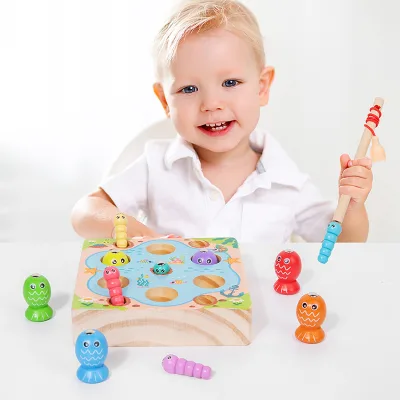
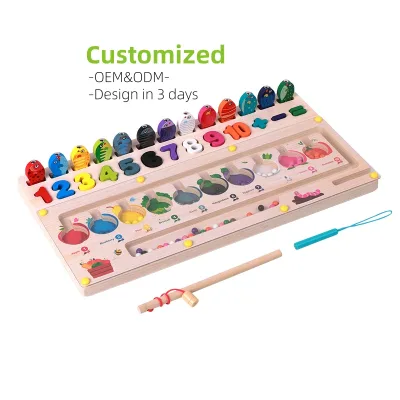
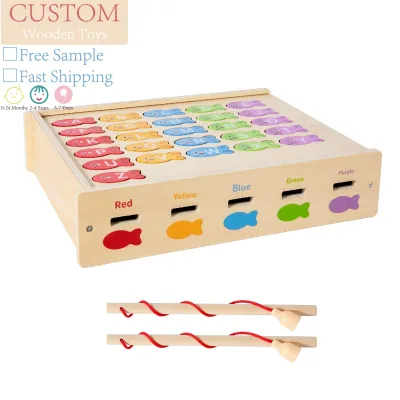
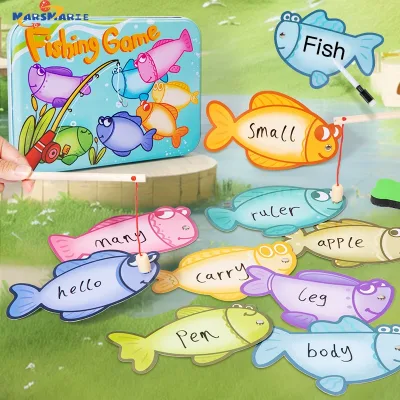
Source Wooden Color Matching Fishing Game for Education, Recreation, and Puzzle
Compare 30 Wooden Color Matching Fishing Game options from verified Chinese manufacturers. Buyers can evaluate specifications, certifications, and pricing for educational learning toys suitable for various age groups.
Key considerations
Products List
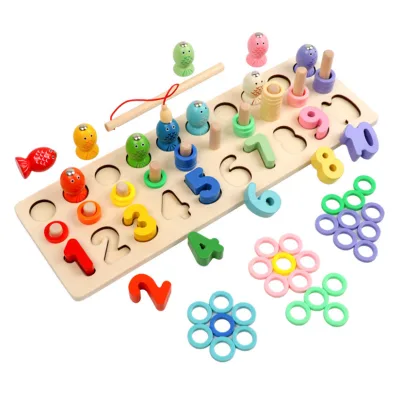


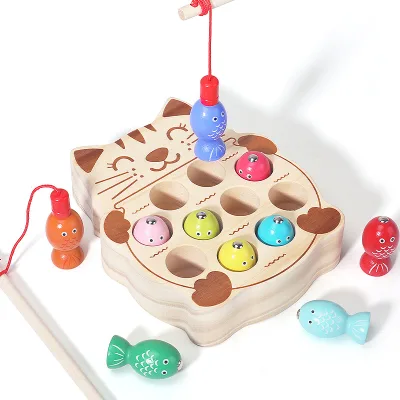
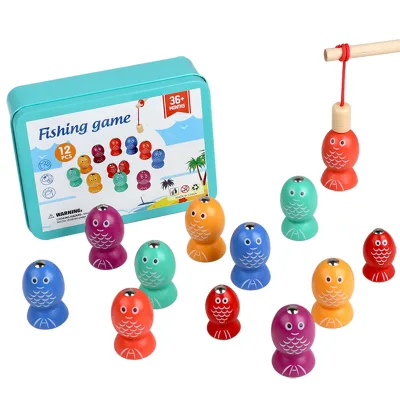
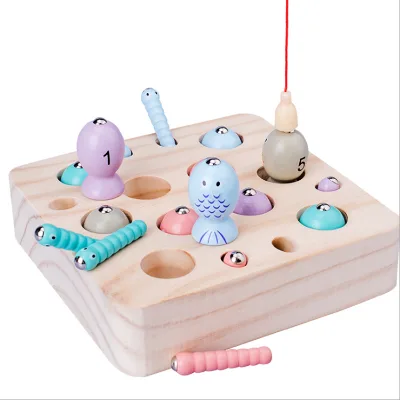
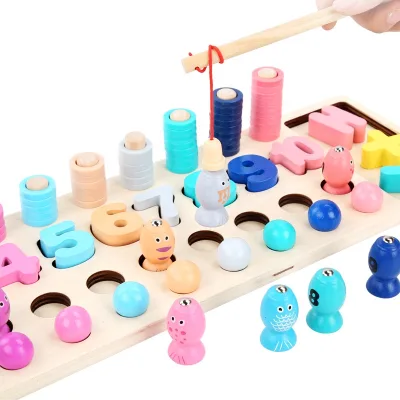
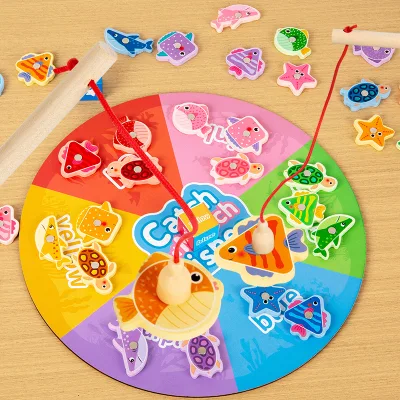
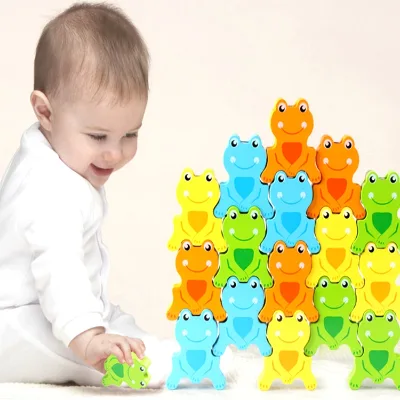
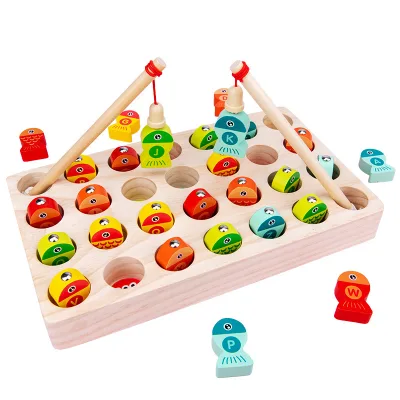


Wooden Toys Magnetic Fishing Game Set Toy Children Alphabet Matching Learning
$4.59 - $4.93
MOQ: 500 Sets




Comprehensive Sourcing Guide
Wooden Color Matching Fishing Game Sourcing Guide
Sourcing wooden color matching fishing games requires a careful balance between educational value, safety compliance, and aesthetic appeal. These toys are designed to enhance fine motor skills, color recognition, and cognitive development in young children through interactive play. Buyers must navigate a market where product variations are frequent, and specifications can vary significantly between suppliers. This guide provides a structured approach to evaluating listings, verifying technical details, and ensuring that the final product meets international safety standards and commercial expectations.
The procurement process begins with a clear understanding of the product’s core attributes and the signals present in supplier listings. By focusing on verified facts and trusted category knowledge, buyers can avoid common pitfalls such as mismatched specifications or non-compliant materials. This guide emphasizes evidence-based decision-making, ensuring that every sourcing step is grounded in observable data and industry best practices. The goal is to facilitate a smooth transition from initial inquiry to final delivery, minimizing risks and maximizing value for the end consumer.
Product Scope and Observed Listing Signals
The observed market for wooden color matching fishing games reveals a diverse range of options, with prices typically ranging from $1.33 to $7.98 USD. This wide variance often reflects differences in material quality, packaging complexity, and order quantities. Minimum Order Quantities (MOQs) are equally variable, spanning from as low as 1 unit for sampling purposes to over 1,000 units for bulk production. Buyers should interpret these signals as indicators of supplier flexibility and production capacity, rather than fixed market rates. Understanding these ranges helps in negotiating terms that align with your inventory strategy and budget constraints.
Product attributes observed in listings provide critical insights into the target demographic and functional design. Many suppliers specify an age range of 3+ years, while others broaden this to include toddlers aged 0-24 months and preschoolers aged 2-4 years. The primary function is consistently identified as educational, with a focus on learning through play. Materials are predominantly wood, often described as "Lotus Wood" or simply "wood," with shapes ranging from fish to cars. These observations suggest that the product category is versatile, catering to various developmental stages and aesthetic preferences, from European and American styles to more generic colorful designs.
Technical Specifications to Verify
Verifying technical specifications is essential to ensure that the physical product matches the digital listing. Key dimensions to confirm include the single package size, which can vary from compact formats like 39x13x10 cm to larger cartons measuring 17.5x14x5.5 cm. The gross weight is another critical metric, with observed values ranging from 0.4 kg to 1.5 kg per unit. These variations impact shipping costs and storage requirements, so buyers must request precise weight and dimension data for each SKU before finalizing orders. Discrepancies in these metrics can lead to unexpected logistics expenses and inventory management challenges.
Model numbers and product names also require careful cross-referencing to avoid confusion. Listings may feature multiple model identifiers, such as XF00912, YPC-06288, GWT-082110, and HCBB301, each potentially corresponding to different designs or configurations. The product name "Wooden Fishing Game" is common, but specific descriptors like "digital shape matching toy" or "educational learning wooden fishing game" add nuance to the product’s features. Buyers should insist on a unified product specification sheet that clearly links each model number to its corresponding dimensions, weight, and packaging details. This clarity is vital for accurate inventory tracking and order fulfillment.
Compliance and Safety Documentation
Safety compliance is non-negotiable for wooden toys intended for children. Buyers must verify that suppliers hold valid certifications such as ASTM, CE, and EN71, which are frequently cited in product listings. These certifications indicate that the toys have undergone rigorous testing for physical and mechanical properties, flammability, and chemical composition. However, the presence of a certification label does not guarantee ongoing compliance; buyers should request recent test reports from accredited laboratories to confirm that the specific batch of goods meets current standards. This due diligence protects your brand from liability and ensures the safety of the end user.
In addition to certifications, material safety is a critical concern. While many listings specify "wood" as the primary material, some explicitly mention "Lotus Wood," which may imply a specific type of sustainable or treated timber. Buyers should inquire about the type of wood used and the finish applied, ensuring that paints and coatings are non-toxic and free from harmful substances like lead or phthalates. The packaging should also be evaluated for safety, with color boxes and paper cartons being common choices. Confirming that all components, including small parts like magnets or hooks, are securely attached and meet age-appropriate safety guidelines is essential for preventing choking hazards.
Cost Drivers and Commercial Terms
Several factors influence the final cost of wooden color matching fishing games, including material costs, labor, and packaging complexity. The use of high-quality wood and non-toxic finishes can increase production costs, while simpler designs and bulk packaging may offer economies of scale. Order quantity plays a significant role in pricing, with lower MOQs often commanding higher per-unit costs. Buyers should analyze the price range of $1.33 to $7.98 in the context of these variables, recognizing that the lowest price may not always represent the best value if it compromises on quality or safety.
Commercial terms such as sample times and payment conditions are also key considerations. Sample times are typically around 5 days, allowing buyers to evaluate product quality before committing to large orders. Packaging options, such as color boxes or paper cartons, can affect both the unit price and the shipping efficiency. Buyers should negotiate clear terms regarding customization, logo placement, and packaging specifications to ensure that the final product aligns with their brand identity. Additionally, understanding the shipping method, whether by sea or air, is crucial for managing lead times and overall logistics costs.
Supplier Qualification and Quality Control
Supplier qualification is a critical step in mitigating procurement risks. Buyers should assess suppliers based on their production capacity, quality control processes, and track record in the educational toy industry. Factories that specialize in wooden toys are likely to have more refined processes and better quality control measures than general manufacturers. It is advisable to request factory audits or third-party inspection reports to verify production standards and working conditions. This due diligence ensures that the supplier is capable of meeting your quality expectations and ethical sourcing requirements.
Quality control should be integrated into every stage of the production process, from raw material inspection to final packaging. Buyers should establish clear quality benchmarks and communicate them to the supplier in writing. Regular inspections during production and before shipment can help identify and rectify defects early, reducing the risk of receiving substandard goods. Additionally, suppliers should be required to provide a certificate of conformity for each batch, confirming that the products meet all specified standards. This proactive approach to quality control enhances product reliability and customer satisfaction.
Long-Term Procurement Checks
Long-term procurement success depends on continuous monitoring and relationship management. Buyers should regularly review supplier performance metrics, including on-time delivery rates, product quality consistency, and responsiveness to issues. Building a strong partnership with reliable suppliers can lead to better pricing, priority production slots, and improved support during peak seasons. It is also important to stay updated on changes in safety regulations and market trends, ensuring that your product offerings remain compliant and relevant.
Periodic re-evaluation of suppliers is essential to maintain a competitive edge. Buyers should conduct annual reviews to assess whether current suppliers continue to meet their evolving needs. Exploring alternative suppliers can provide valuable insights and potential cost savings, but it should be done carefully to avoid disrupting the supply chain. By maintaining a diversified supplier base and fostering strong relationships with key partners, buyers can ensure a stable and efficient procurement process for wooden color matching fishing games. This strategic approach supports long-term growth and sustainability in the educational toy market.
FAQs
What certifications do these wooden fishing toys have?
The toys hold ASTM, CE, EN, and EN71 certifications to ensure safety. These standards verify that the materials and construction meet international safety requirements for children's products. Buyers should verify specific certificate documents with the supplier before placing large orders.
Can I customize the logo on these wooden toys?
Customization is available for these products, allowing buyers to add logos or specific designs. The supplier offers sticker options for branding. This service supports promotional needs and helps businesses create unique products for their target markets.
What is the sample time for these educational toys?
The sample time is five days for these wooden fishing games. This duration allows for quick evaluation of product quality and design before committing to bulk production. Buyers should plan their procurement timeline accordingly to ensure timely delivery.
Which age groups are suitable for this fishing game?
The toys are suitable for children aged 3 to 8 years, with some models targeting ages 0 to 24 months and 2 to 4 years. The design focuses on educational learning and shape matching. Parents should select the specific model that matches their child's developmental stage.
How are these wooden toys packaged for shipping?
Each set is packed in a color box, and multiple units are shipped in paper cartons. The single package size varies by model, typically around 39 by 13 by 10 centimeters. This packaging ensures protection during transit and simplifies retail display.
What is the minimum order quantity for these toys?
The minimum order quantity ranges from 1 to 1008 units depending on the specific supplier and model. Buyers can negotiate based on their needs, as some vendors offer flexible MOQs. This flexibility supports both small retailers and large distributors.
Where are these wooden fishing games manufactured?
These toys are manufactured in China, with specific origins noted in Zhejiang. The production location ensures access to established supply chains for wood and auxiliary toys. Buyers should confirm the exact factory location for logistics planning.