Source Wooden Dinosaur Lacing Cards for Kids, Gifts, and Education
Compare 30 listings of Wooden Dinosaur Lacing Cards from verified Chinese manufacturers. Buyers can evaluate specifications like material, size, and customization options for promotion, recreation, and puzzle activities. These items support parent-child interaction and family games while offering eco-friendly designs suitable for developing intelligence in children aged 3 to 8 years.
Key considerations
Products List
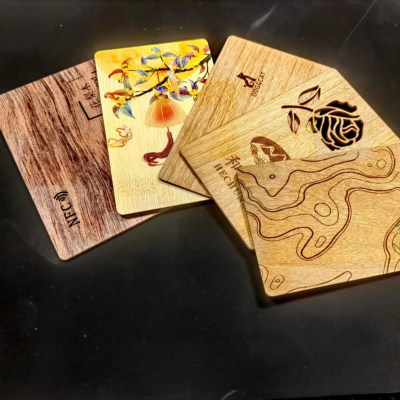


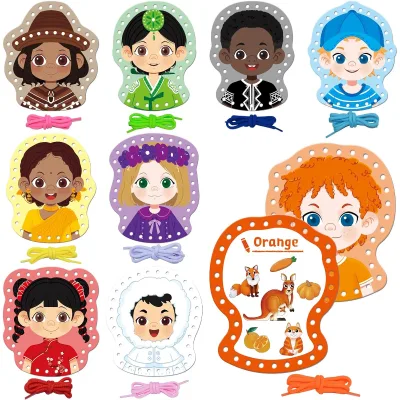
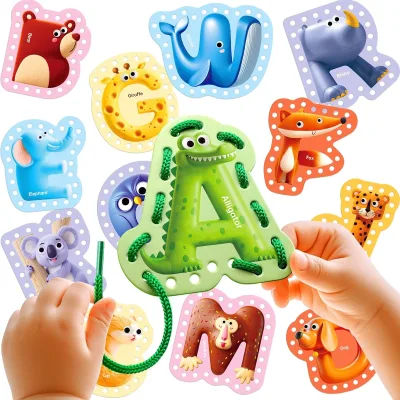


Easter DIY Handicraft Kit Wooden Lacing Cards for Sewing Crafts and Toys
$0.73 - $0.75
MOQ: 500 pieces


Easter Handicraft DIY Accessories Sewing Supplies Wooden Lacing Card Toys
$2.24 - $2.45
MOQ: 500 pieces

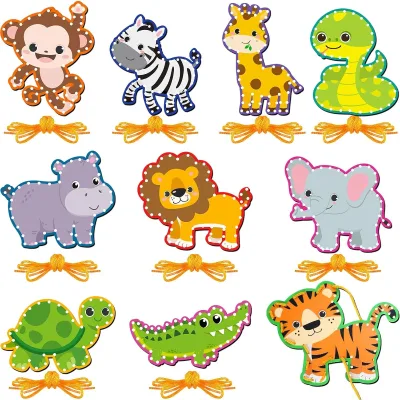
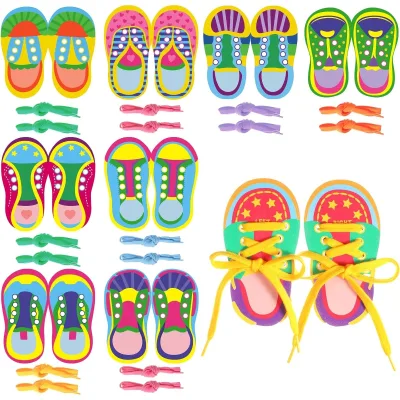
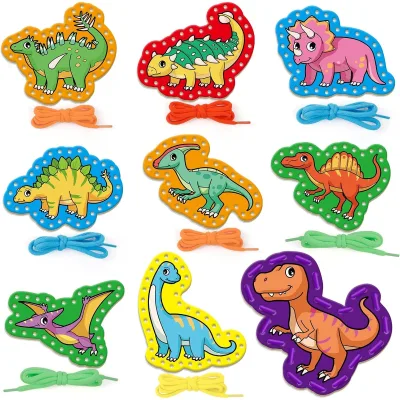


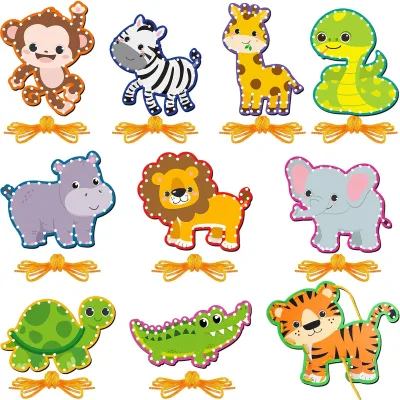


$0.05 - $0.08
MOQ: 500 Pieces


Comprehensive Sourcing Guide
Wooden Dinosaur Lacing Cards Sourcing Guide
Sourcing Wooden Dinosaur Lacing Cards requires a careful balance between aesthetic appeal and functional durability, as these items serve dual purposes in early childhood education and promotional gifting. Buyers must recognize that the market offers a wide spectrum of quality, ranging from basic promotional giveaways to premium educational tools designed for fine motor skill development. The core appeal lies in the combination of natural materials and engaging themes, which makes these products highly suitable for parent-child interaction and family games. However, the specific design elements, such as the thickness of the wood and the precision of the lacing holes, vary significantly across suppliers.
Procurement teams should approach this category by first defining the intended use case, whether it is for recreational puzzle activities, corporate giveaways, or structured classroom learning. The observed product landscape includes items categorized under "Wood and Auxiliary Toys" and "Pure Wooden Toys," indicating a broad market segment. It is crucial to distinguish between products intended for simple promotion and those designed for developing intelligence, as this distinction drives the complexity of manufacturing and the resulting unit cost. Understanding this dichotomy helps in selecting suppliers who specialize in the specific type of wooden toy required for the project.
Product Scope and Observed Listing Signals
The current market signals indicate a diverse range of offerings, with observed price points ranging from $0.01 to $9 USD, reflecting significant variation in material quality and production complexity. Minimum order quantities (MOQs) typically span from 100 to 5,000 pieces, allowing for flexibility in initial trial orders versus large-scale distribution. Buyers should note that many listings highlight customization options, including digital printing and specific color treatments like natural wood tones, which are critical for brand alignment in promotional campaigns. The presence of free sample offers suggests that suppliers are confident in their ability to meet specific design requirements before committing to bulk production.
Technical observations reveal that products are often sourced from China, with specific origins like Ningbo indicating established manufacturing hubs for wooden crafts. Common specifications include dimensions such as 86*54 mm or 8x8x8 cm, with thicknesses around 1mm, which are suitable for handling by young children aged 3-8 years. The materials cited range from general wood to specific types like rubber wood, each offering different durability and aesthetic properties. Additionally, packaging methods vary from simple paper cartons to more premium wooden boxes or color boxes, directly impacting the perceived value and protection of the goods during transit.
Technical Specifications to Verify
When evaluating technical specifications, buyers must prioritize the physical integrity of the wooden components, particularly the thickness and edge smoothness. Products with a thickness of approximately 1mm, as seen in some listings, require careful inspection to ensure they are not prone to splintering or breaking during use. The processing service, often listed as cutting, must be verified for precision, as irregular shapes can pose safety risks. Furthermore, the lacing mechanism itself needs scrutiny; the holes must be drilled cleanly to allow for easy threading without fraying the accompanying strings or laces, which are essential for the product's functionality.
Surface treatment and printing quality are equally critical factors that influence both safety and longevity. Buyers should verify whether the surface includes an overlay for protection or remains untreated to maintain the natural feel of the wood. Digital printing is a common method, but it must be confirmed that the inks used are non-toxic and adhere properly to the wood surface. The single package size and gross weight, such as 8.6x5.4x0.07 cm and 0.5 kg respectively, provide insights into the density and quality of the materials used. These metrics help in calculating shipping costs and storage requirements, ensuring that the logistical planning aligns with the physical characteristics of the product.
Compliance and Safety Documentation
Safety compliance is non-negotiable for wooden toys intended for children, requiring rigorous verification of certification standards. Listings often mention certifications such as ASTM, CE, and EN, which are critical for market access in North America and Europe. Buyers must request valid test reports from accredited laboratories to confirm that the wood and any applied finishes meet strict limits for heavy metals and toxic substances. The claim of being "100% Eco-Friendly" or "Eco-Friendly Design" should be substantiated with documentation regarding the source of the wood and the sustainability of the harvesting practices, ensuring that the product aligns with modern environmental expectations.
In addition to material safety, the physical safety of the product must be assessed through compliance with toy safety standards. This includes checking for small parts hazards, especially if the lacing cards are designed for younger children within the 3-8 age range. The "Unisex" designation and suitability for "Parent-Child Interaction" imply a broad target audience, necessitating that the product meets the highest safety benchmarks for all potential users. Buyers should also verify that the packaging, whether paper carton or wooden box, does not introduce additional hazards, such as sharp edges or toxic adhesives, during the unboxing process.
Cost Drivers and Commercial Terms
The cost structure for Wooden Dinosaur Lacing Cards is influenced by several key factors, including material selection, customization complexity, and order volume. The use of rubber wood versus generic wood can significantly impact the base price, as can the inclusion of premium packaging options like wooden boxes. Customization services, such as digital printing of specific designs or logos, add to the production cost but are often essential for corporate branding or educational institution identity. Buyers should negotiate clearly on whether setup fees for printing plates or molds are included in the unit price, especially for smaller order quantities within the 100-5,000 piece range.
Commercial terms also play a vital role in the total cost of ownership. Lead times, though not explicitly detailed in all listings, are typically influenced by the complexity of the design and the current production load of the supplier. Payment terms should be structured to protect the buyer, with a portion held until quality inspection is complete. The availability of free samples is a valuable commercial term that allows for risk mitigation before committing to large orders. Buyers should also consider the cost of shipping, which can be substantial given the weight and volume of wooden products, and explore options for consolidating shipments to reduce logistics expenses.
Supplier Qualification and Quality Control
Supplier qualification begins with verifying their manufacturing capabilities and quality management systems. Buyers should assess whether the supplier has experience in producing wooden toys, particularly those involving cutting and digital printing processes. The mention of "Competitive or original" chips in some listings is irrelevant for wooden toys, indicating a potential mismatch in product descriptions, which serves as a red flag for attention to detail. It is essential to confirm that the supplier adheres to consistent quality control measures, including regular inspections of raw materials and finished goods, to ensure that every piece meets the specified dimensions and safety standards.
Quality control protocols should include a detailed inspection plan that covers visual defects, dimensional accuracy, and functional testing of the lacing holes. Buyers should request a sample batch for pre-shipment inspection to verify that the final products match the approved samples in terms of color, texture, and print quality. The supplier's ability to handle customization requests without compromising quality is a key indicator of their operational maturity. Establishing clear communication channels and defining acceptance criteria for defects will help in maintaining high standards and minimizing the risk of receiving subpar products.
Long-Term Procurement Checks
Long-term procurement success depends on establishing a sustainable supply chain that can adapt to changing market demands and regulatory requirements. Buyers should regularly review supplier performance metrics, including on-time delivery rates, defect rates, and responsiveness to issues. Building a relationship with suppliers who offer continuous improvement and innovation in design can provide a competitive advantage in the market. It is also important to stay updated on changes in safety standards and environmental regulations, ensuring that the products remain compliant and relevant over time.
Sustainability should be a core component of the long-term strategy, given the growing consumer preference for eco-friendly products. Buyers should work with suppliers who can provide evidence of responsible sourcing and environmentally friendly manufacturing processes. This includes verifying the use of sustainable wood sources and non-toxic finishes. By prioritizing these factors, buyers can not only mitigate risks but also enhance their brand reputation among environmentally conscious consumers and educational institutions. Regular audits and feedback loops with suppliers will help in maintaining high standards and fostering a collaborative partnership focused on quality and sustainability.
FAQs
What material are these Wooden Dinosaur Lacing Cards made from?
The lacing cards are made from wood, with rubber wood offered on related items. Each card measures 86 by 54 millimeters with a 1 millimeter thickness, and the natural wood color is finished by digital printing, with or without an overlay depending on your product requirements.
Can the Wooden Dinosaur Lacing Cards be customized with my own designs?
Yes, customization is available for these Wooden Dinosaur Lacing Cards. Designs are applied through digital printing with a stamping process, and the supplier offers cutting as a processing service. You can discuss artwork, packaging such as cartons or color boxes, and branding before confirming the production order.
What is the minimum order quantity for Wooden Dinosaur Lacing Cards?
The listed minimum order quantity starts at 1000 pieces, with some offerings ranging up to 5000 pieces depending on the item. Smaller trial volumes may be possible through free samples, which are available before you commit to a bulk production order for your promotion or retail program.
Which certifications do these Wooden Dinosaur Lacing Cards carry?
The products list CE certification, with some listings also showing ASTM and EN certification, making them suitable for toy categories such as intellectual toys for children aged 3 to 8 years. Always confirm current certification documentation applies to your specific order before finalizing the purchase contract.
How are the Wooden Dinosaur Lacing Cards packaged for shipment?
Packaging options include paper cartons, color boxes, and wooden boxes depending on the product variant. Single packages are compact, for example 8.6 by 5.4 by 0.07 centimeters, and single gross weight is around 0.5 kilograms. Confirm carton dimensions, such as 15 by 15 by 5 centimeters, when planning freight.
Can I get a free sample before placing a bulk order?
Yes, a free sample is offered so buyers can evaluate the wooden material, printing quality, and overall finish before committing. This helps you verify details like the natural wood color and 1 millimeter thickness. Arrange the sample request with the supplier and clarify any courier costs separately.
What age group and usage suit these Wooden Dinosaur Lacing Cards?
These lacing cards are designed as intellectual toys for children aged 3 to 8 years and suit parent-child interaction and family games. They also serve promotional purposes, working as gifts or corporate giveaways, and support recreation and puzzle-based play for two to four players in some game formats.
Which processing and printing methods are used for the lacing cards?
Production uses a stamping plastic molding type with cutting as the main processing service, and artwork is applied through digital printing. The surface can be finished with an overlay or without an overlay, allowing you to match durability needs. Brand GNT lists these cards under model number GN-CKTBC.