Source Wooden Round Plate for Dining, Serving, and Catering
Compare 30 listings for the Wooden Round Plate featuring various shapes, sizes, and certifications like FDA and CE/EU. Buyers can evaluate customization options, eco-friendly features, and packaging details to find suitable suppliers for dining, serving, and catering needs.
Key considerations
Products List


Stock Avaliable Wooden Plate for Dishes Snack, Dessert, Unbreakable Classic Plate
$0.08 - $0.10
MOQ: 50000 Pieces

Disposable Wooden Plates Custom Square Restaurant Food Wooden Dinner Plates
$0.08 - $0.10
MOQ: 50000 Pieces

100% Eco-Friendly Wooden Plate Compostable & Biodegradable, Better Than Plastic Plate
$0.08 - $0.10
MOQ: 50000 Pieces

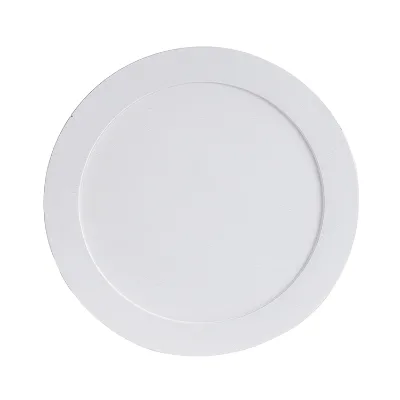
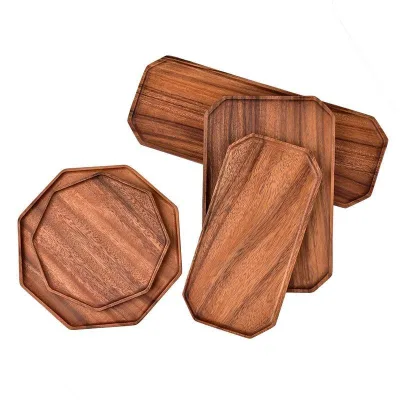
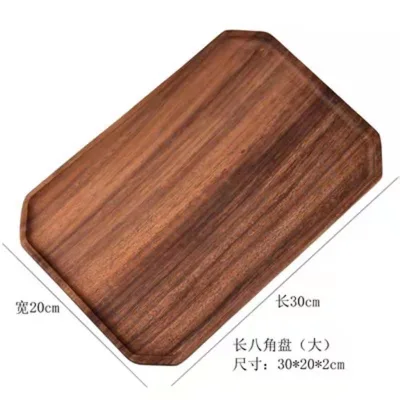

Comprehensive Sourcing Guide
Strategic Sourcing Guide for Wooden Round Plates
Understanding Product Specifications and Variability
When sourcing wooden round plates, buyers must first navigate the inherent variability in product attributes, as the market offers a diverse range of configurations rather than a single standardized item. The core keyword "Wooden Round Plate" suggests a specific form factor, yet the actual supply base includes products with varying shapes, dimensions, and weights that may not strictly adhere to a single definition. For instance, observed product data indicates that while round shapes are available, the market also frequently lists oval and rectangular variants under similar categorization headers. This implies that a buyer specifying "round" must explicitly verify the shape attribute in every quotation to avoid receiving oval or rectangular alternatives.
Dimensions and weight are critical technical specifications that vary significantly across different product models. The supply data reveals a wide range of standard sizes, from compact units measuring approximately 20cm by 11.8cm to larger serving trays reaching 36cm in length. Weight specifications also fluctuate, with observed ranges spanning from 0.4kg to 1.7kg depending on the model and material density. For example, specific models like BSNW003 are associated with a weight range of 1.1 to 1.7kg, whereas other entries indicate lighter units between 0.4 and 0.7kg. These discrepancies highlight that "Wooden Round Plate" is a functional category rather than a precise engineering specification. Buyers must request detailed dimension sheets for each model number, such as BSNW001 or BSNW002, to ensure the physical footprint matches their operational needs. Furthermore, the origin of these products is predominantly Zhejiang, China, which influences the specific manufacturing capabilities and material sourcing strategies available to the buyer.
Compliance, Certification, and Material Safety
For food-contact applications, verifying compliance and certification is a non-negotiable step in the procurement process. The market data indicates that many suppliers offer products certified under FDA, CE/EU, and Disney standards. These certifications are crucial for ensuring that the wooden plates meet international safety requirements for food contact and general consumer safety. However, the presence of these certifications in the general product list does not guarantee that every specific SKU possesses them. Buyers must explicitly confirm that the specific model number they intend to purchase carries the necessary FDA or CE/EU certification for their target market.
Material composition is another vital aspect of compliance. While the core keyword suggests wood, the supply data includes products made from Melamine, a synthetic resin often used to create wood-like finishes or durable tableware. This distinction is significant because Melamine and natural wood have different thermal and chemical properties. A buyer seeking natural wood must verify the material attribute to avoid receiving Melamine-based products that may not meet their sustainability or aesthetic goals. Additionally, the "Eco-Friendly" feature is listed as an attribute for some products, suggesting that certain suppliers offer sustainable sourcing options. Buyers should request documentation to substantiate these eco-friendly claims, such as FSC certification or specific wood sourcing policies, rather than relying solely on marketing labels. The "Non-Disposable" attribute found in some listings further distinguishes durable wooden ware from single-use alternatives, which is a key differentiator for long-term procurement strategies.
Cost Drivers and Pricing Dynamics
The pricing structure for wooden round plates is influenced by several dynamic factors, including customization, order volume, and material complexity. The observed price range in the market spans from $0.08 to $10.00 USD, a vast difference that reflects the spectrum from basic, unbranded items to high-end, custom-designed products. Several key drivers contribute to this variance. First, the level of customization plays a major role. Products marked as "Customized" or accepting "OEM/ODM" services typically command higher prices due to the additional tooling, design, and labor costs involved. Conversely, "Non-Customized" or standard unicolor options often fall into the lower end of the price spectrum.
Order volume is another primary cost driver. The Minimum Order Quantity (MOQ) varies widely, with observed ranges from 2 to 50,000 units. A standard MOQ of 100 pieces is common, but suppliers may offer flexibility for smaller orders, sometimes accepting "Small Orders." However, smaller quantities often result in a higher unit cost due to the fixed setup costs being amortized over fewer units. Buyers must balance their inventory needs against the per-unit cost savings achieved by meeting higher MOQ thresholds. Additionally, packaging requirements impact the final price. Products packaged in "Inner Box + Master Box" configurations are generally more expensive than those in simple "Carton" packaging, as the former offers better protection and retail readiness. Buyers should evaluate whether the added cost of premium packaging aligns with their brand positioning and logistics requirements.
Typical Applications and Usage Scenarios
The versatility of wooden round plates makes them suitable for a wide array of applications, ranging from domestic use to commercial hospitality. The "Applicable Space" data points to Living Room and Kitchen environments, indicating their primary use in home dining and food preparation areas. In these settings, the "Standing Type" installation or placement suggests that some wooden plates may be designed as decorative serving platters or storage trays rather than just flat dinnerware. The "Storage Trays" classification further supports the idea that these items serve dual purposes, combining utility with aesthetic appeal.
In the commercial sector, the "Eco-Friendly" and "Non-Disposable" attributes make these plates ideal for restaurants and cafes aiming to reduce waste. Unlike disposable alternatives, durable wooden plates can be washed and reused, aligning with sustainability goals. The "Disney" certification mentioned in the data suggests that some products are licensed for use in family-oriented venues or theme parks, where safety and brand alignment are paramount. For event planners, the availability of various shapes, including round, oval, and rectangular, allows for customized table settings that match specific themes. The "Logo" acceptability feature enables businesses to brand their tableware, enhancing corporate identity during events or in hospitality settings. Buyers should consider the specific durability requirements of their intended application, as high-traffic commercial environments may require products with reinforced features compared to light-duty home use.
Supplier Evaluation and Sourcing Strategy
Evaluating suppliers for wooden round plates requires a rigorous assessment of their capabilities, particularly regarding customization and quality control. The market data confirms that "OEM/ODM" services are accepted by many suppliers, indicating a willingness to tailor products to buyer specifications. However, the "Customized" attribute is not universal; some products are listed as "Non-Customized." Buyers must clearly distinguish between suppliers who offer full customization and those who only provide standard inventory. The "Brand Name" field often shows "NA," suggesting that many suppliers operate as white-label manufacturers, which can be advantageous for buyers looking to build their own brand identity.
Location is a significant factor in supplier evaluation. The majority of the observed products originate from Zhejiang, China, a region known for its manufacturing prowess in tableware and wood products. Buyers should verify the specific factory location within this region to assess logistics and lead times. The "Delivery Detail" indicates a typical lead time of 15 to 35 days after order confirmation, which is a standard window for manufacturing and shipping. However, this timeframe can vary based on order complexity and customization levels. Buyers should also check the "Products Quality" claims, such as "100% Exporter Standard," and request evidence of quality management systems. The "Small Orders: Accepted" attribute suggests that some suppliers are flexible with volume, which is beneficial for startups or businesses testing new markets. A robust supplier evaluation should include a review of their certification history, response to customization requests, and ability to meet the specific MOQ requirements of the buyer.
Quality Control and Long-Term Procurement Considerations
Implementing a robust quality control (QC) protocol is essential for ensuring the consistency and safety of wooden round plates. Given the natural variations in wood and the potential for synthetic materials like Melamine, buyers must establish clear acceptance criteria. The "Products Quality" attribute of "100% Exporter Standard" implies a baseline expectation, but buyers should define their own QC metrics, such as surface finish, dimensional tolerance, and structural integrity. Regular inspections during production and pre-shipment checks are recommended to catch defects early. The "Certification" data, including FDA and CE/EU, serves as a baseline for safety, but buyers should verify that these certifications are current and applicable to the specific batch of goods.
Long-term procurement considerations involve building a sustainable supply chain that can adapt to market changes. The "Eco Product" attribute indicates a growing trend toward sustainability, and buyers should prioritize suppliers who demonstrate a commitment to responsible sourcing. This includes verifying the origin of the wood and ensuring that harvesting practices comply with environmental regulations. The "Customization" capability allows buyers to differentiate their products over time, adapting designs to changing consumer preferences. However, frequent changes in design can impact lead times and costs, so buyers should plan their product roadmap carefully. Finally, maintaining a relationship with suppliers who offer flexible MOQs and reliable lead times will help mitigate supply chain risks. By focusing on quality, compliance, and sustainability, buyers can secure a steady supply of high-quality wooden round plates that meet their operational and strategic goals.
FAQs
What certifications do wooden round plates typically have?
Many products carry FDA, CE/EU, and Disney certifications for safety. Buyers must verify that the specific model number holds these certifications for their target market, as not every SKU is guaranteed to include them.
Which shapes are available for wooden round plates?
Available shapes include round, oval, and rectangular variants. Buyers specifying round must explicitly verify the shape attribute in quotations to avoid receiving oval or rectangular alternatives that may be listed under similar categories.
Can I order small quantities of wooden round plates?
Some suppliers accept small orders, though a standard MOQ is often 100 pieces. Buyers should check specific listings for flexibility, as smaller quantities may result in higher unit costs due to fixed setup expenses.
What is the typical lead time for wooden round plates?
The delivery detail indicates a lead time of 15 to 35 days after order confirmation. This timeframe can vary based on order complexity and customization levels, so buyers should confirm specific schedules with suppliers.
How does customization affect the price of wooden round plates?
Customized products often command higher prices due to additional tooling and labor costs. Non-customized or standard unicolor options typically fall into the lower end of the observed price range from 0.08 to 10 USD.
What materials are used for wooden round plates?
While the keyword suggests wood, some products are made from Melamine resin. Buyers seeking natural wood must verify the material attribute to avoid receiving synthetic alternatives that differ in thermal and chemical properties.