Source Woven Reversible Kitchen Rug Runner for Home, Office, Hotel
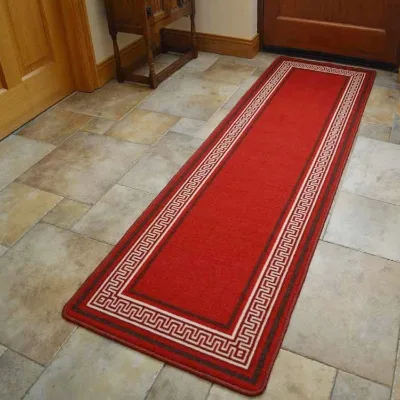
Find 30 options for the Woven Reversible Kitchen Rug Runner, featuring PVC-coated fabric and non-slip backing. Compare specifications from suppliers in Zhejiang and Tianjin, China, including custom patterns and eco-friendly materials for various commercial and residential applications; compare the available evidence and request quotations based on your requirements.
Updated
Key considerations
Products List
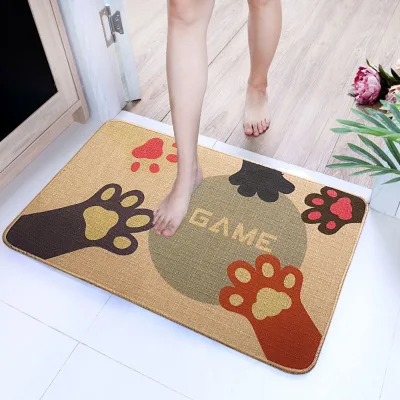
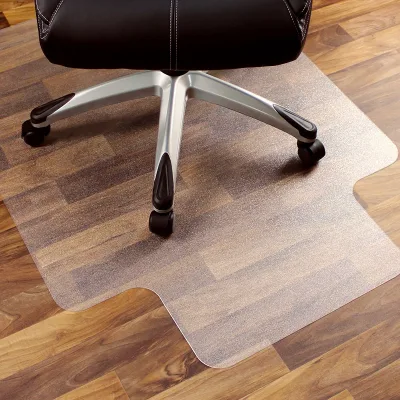
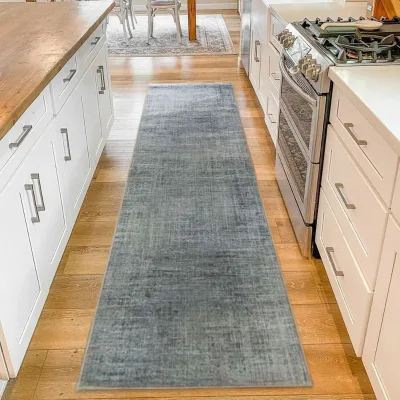
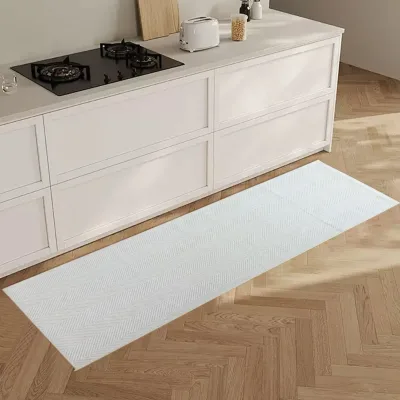
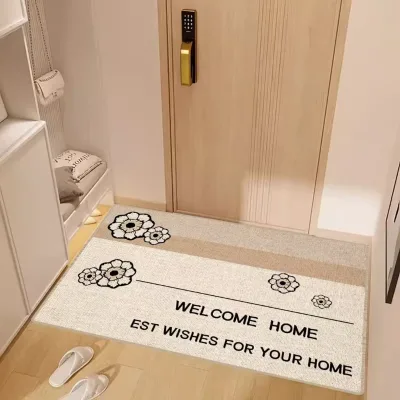


Area Rugs Sets 3 Pieces Kitchen Rug Runner Washable Floor Carpet Mat
$3.35 - $3.58
MOQ: 100 Square Meters

Printed Anti Fatigue Kitchen Rug, Non Slip Runner Durable Kitchen Floor Mat
$3.15 - $3.31
MOQ: 100 Square Meters
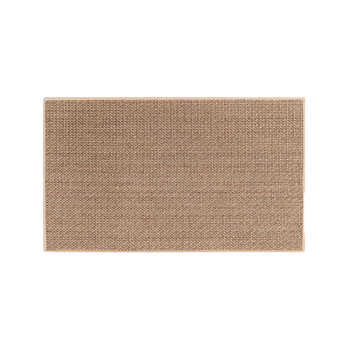
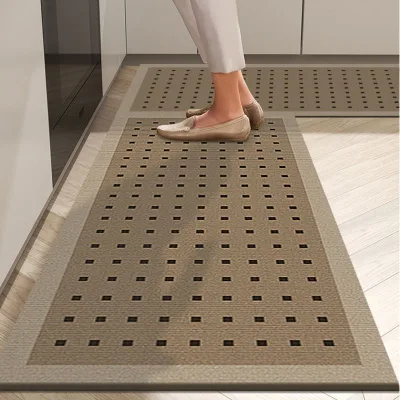
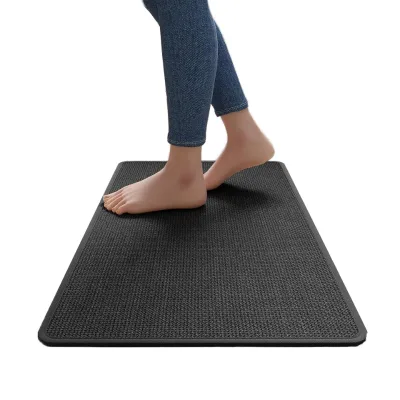
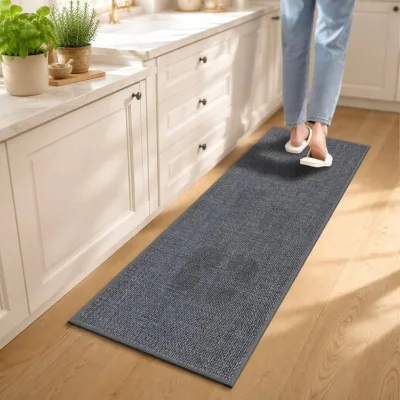
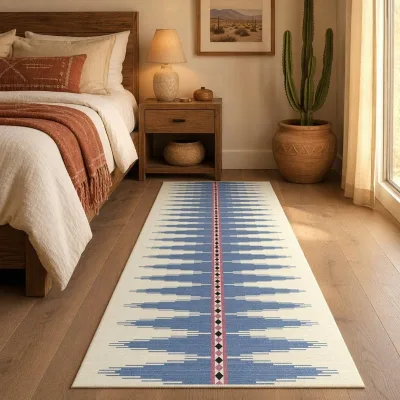
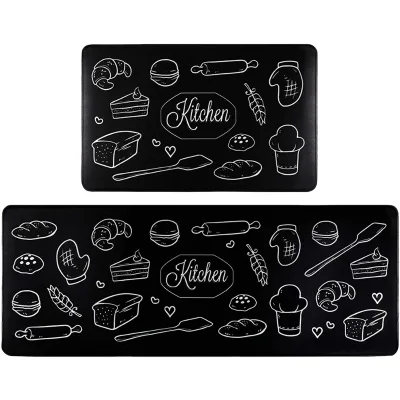
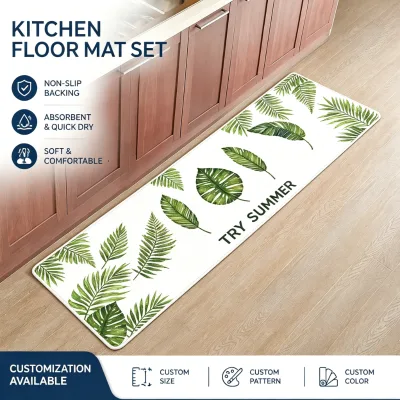


$8.50 - $9.00
MOQ: 1000 Square Meters


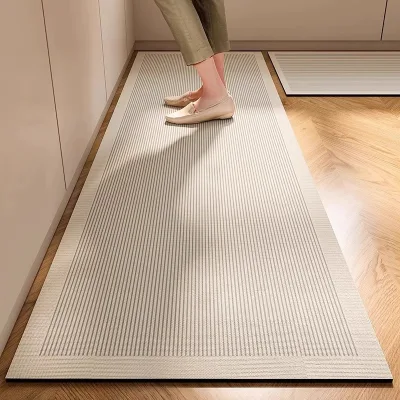
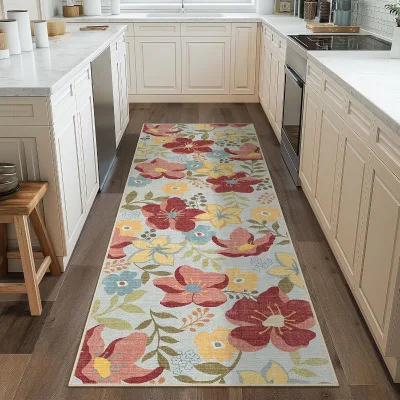
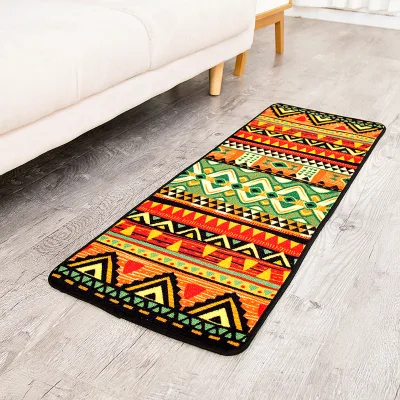
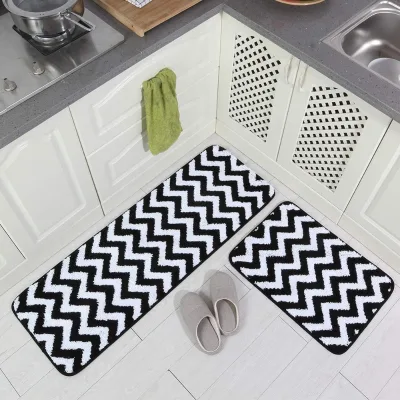
Comprehensive Sourcing Guide
Woven Reversible Kitchen Rug Runner Sourcing Guide
Product Scope and Observed Listing Signals
The market for woven reversible kitchen rug runners features diverse material compositions, ranging from PVC-coated fabrics to linen blends with rubber or TPR backing. Buyers should note that observed listings include products with single package sizes such as 160x20x20 cm and various dimensions like 48x30 inches, indicating a wide variance in physical specifications. The presence of both machine-made and woven techniques suggests that sourcing options vary significantly in texture and durability, requiring careful evaluation of the face side grammage, which can range from 250gsm to higher densities for the bottom side.
Applications for these runners extend beyond the kitchen to include offices, hotels, and living rooms, highlighting their versatility as floor protection mats or decorative elements. Some products are explicitly marketed for carpet protection, while others focus on anti-fatigue properties and non-slip functionality. The observed color options include transparent, solid colors, and designs mimicking hardwood floors, allowing buyers to match specific interior design themes. Understanding these varied applications helps in selecting the right product for high-traffic areas versus decorative spaces.
Technical Specifications to Verify
Thickness is a critical specification, with observed ranges spanning from thin profiles of 0.2 to 0.4 inches to specific measurements like 2mm. Buyers must verify the exact thickness to ensure it meets anti-fatigue requirements for kitchen environments where staff stand for long periods. The backing material is equally important, with options including PVC-coated fabric, rubber soles, and TPR combined with canvas. These backing types directly influence the rug’s stability, slip resistance, and compatibility with different floor surfaces, such as tile, wood, or existing carpets.
Shape and pattern options also require verification, as listings show rectangular, lip-shaped, and round mat designs. Customized patterns and solid colors are available, with some products offering logo printing services for branding purposes. The grammage of the face side, observed at 250gsm, indicates the density of the woven material, which affects wear resistance and ease of cleaning. Buyers should confirm whether the product is reversible and if the backing provides adequate cushioning without compromising the non-slip feature essential for kitchen safety.
Compliance and Safety Documentation
Safety standards are paramount for kitchen rugs, particularly regarding slip resistance and material toxicity. Buyers should request documentation that verifies the non-slip properties of the backing, ensuring it meets relevant safety benchmarks for commercial and residential use. While OEKO-TEX is mentioned in background contexts, buyers must confirm if specific certifications apply to the linen, PVC, or rubber components used in the rug. This verification is crucial for products intended for environments with children or pets, where chemical safety and environmental friendliness are key purchasing drivers.
Environmental claims such as being eco-friendly or PET-friendly should be substantiated with material safety data sheets or third-party test reports. Buyers need to ensure that the PVC or rubber backing does not contain harmful phthalates or heavy metals. Additionally, the washability of the rug should be confirmed through care instructions and durability tests, ensuring that the material retains its color and structural integrity after multiple cleaning cycles. This documentation protects buyers from liability and ensures the product meets health and safety regulations in their target market.
Cost Drivers and Commercial Terms
Pricing for woven reversible kitchen rug runners varies based on material quality, thickness, and customization options. Observed price ranges indicate that costs can be influenced by the grammage of the face side and the complexity of the backing construction. Buyers should anticipate that products with higher grammage or specialized anti-fatigue features may command a premium. Additionally, the inclusion of custom logos or specific packaging requirements can impact the final unit price, making it essential to clarify all customization costs upfront.
Minimum Order Quantities (MOQ) and lead times are significant commercial factors, with observed MOQs ranging from 10 to 1000 pieces. Buyers must align their order volume with the supplier’s MOQ to avoid excessive inventory costs or stockouts. Delivery times also vary, with some suppliers offering fast delivery within 10 days, while others may have longer production cycles. Understanding these terms helps in planning inventory replenishment and managing cash flow, ensuring that the procurement process remains efficient and cost-effective.
Supplier Qualification and Quality Control
Supplier qualification involves verifying the manufacturer’s location and production capabilities, with observed origins in Zhejiang and Tianjin, China. Buyers should assess the supplier’s ability to handle both machine-made and woven techniques, ensuring they can meet specific quality standards. The acceptance of OEM and ODM services indicates flexibility in customization, but buyers must establish clear quality control protocols to maintain consistency across batches. Regular audits and sample approvals are essential to ensure that the final product matches the agreed-upon specifications.
Quality control should focus on key attributes such as slip resistance, colorfastness, and dimensional stability. Buyers should request pre-shipment inspections to verify that the rugs meet the specified thickness, grammage, and backing integrity. Additionally, checking for defects in the weaving or coating process is crucial to prevent premature wear or failure in high-traffic areas. Establishing a robust quality assurance process helps mitigate risks and ensures that the sourced rugs perform reliably in their intended applications, protecting the buyer’s brand reputation.
Long-Term Procurement Checks
Long-term procurement success depends on continuous monitoring of supplier performance and product durability. Buyers should track feedback from end-users regarding the rug’s performance in terms of slip resistance, ease of cleaning, and overall comfort. Regular re-evaluation of material quality and compliance with evolving safety standards is necessary to maintain product relevance and safety. Building a strong relationship with suppliers who offer consistent quality and responsive customer service can lead to better pricing and priority support during peak demand periods.
Sustainability and ethical sourcing practices should also be reviewed periodically, especially if the buyer’s market places a high value on eco-friendly products. Buyers should verify that suppliers continue to adhere to environmental claims and provide updated documentation as regulations change. Additionally, exploring new material innovations or design trends can help keep the product offering competitive. By maintaining a proactive approach to supplier management and quality assurance, buyers can ensure a steady supply of high-quality woven reversible kitchen rug runners that meet their customers’ needs.
FAQs
What materials are used in these woven rugs?
The rugs typically use a linen face with a rubber sole or PVC backing. Some variants feature a TPR and canvas backing for enhanced durability. These materials ensure the product is washable, stain resistant, and non-slip, making them suitable for high-traffic areas like kitchens and offices while maintaining a modern style.
Can I customize the logo and pattern?
Yes, OEM and ODM services are accepted for these floor runners. You can request customized patterns, including solid colors or specific designs, along with customized logo printing. The backing is often PVC-coated fabric, allowing for flexible branding options to match your corporate identity or specific interior design requirements effectively.
What is the minimum order quantity for these mats?
The minimum order quantity varies by supplier, ranging from 10 pieces to 1000 pieces. Some listings specify an MOQ of 100 pieces, while others accept orders as low as 10 pieces. This flexibility allows buyers to test market demand with smaller initial orders before committing to larger bulk purchases for their projects.
How thick are the kitchen runner mats?
The thickness is generally thin, ranging from 0.2 to 0.4 inches, with specific models measuring 2mm. This slim profile ensures the mats fit well under doors and in tight spaces. Despite the thinness, they provide cushioning and anti-fatigue benefits, making them comfortable for standing in kitchens or offices for extended periods.
Where are these rugs manufactured?
These rugs are manufactured in China, specifically in regions like Zhejiang and Tianjin. The production techniques include machine-made weaving and other methods to ensure consistency. Buyers can expect reliable supply chains from these established manufacturing hubs, which are known for producing high-quality, washable, and environmentally friendly floor coverings for global distribution.
What are the delivery times for orders?
Delivery times are typically fast, with some suppliers offering a standard lead time of 10 days. This quick turnaround supports urgent project needs and restocking requirements. Buyers should confirm specific schedules with vendors, as fast delivery options help ensure that kitchen rugs and office mats arrive promptly for installation without significant delays.