Source Wilton Reversible Wall Carpet for Home Hotel Office
Compare 30 listings of Wilton Reversible Wall Carpet from verified suppliers. Options include custom sizes, various colors, and features like anti-slip and fire resistance for dining rooms, offices, and hotels; compare the available evidence and request quotations based on your requirements.
Updated
Key considerations
Products List
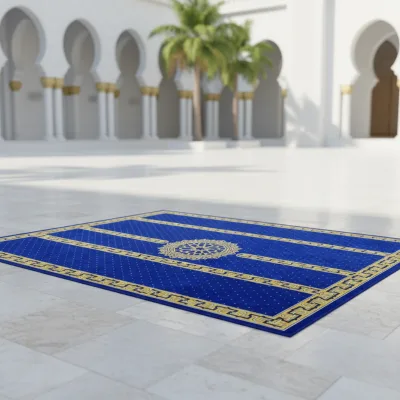
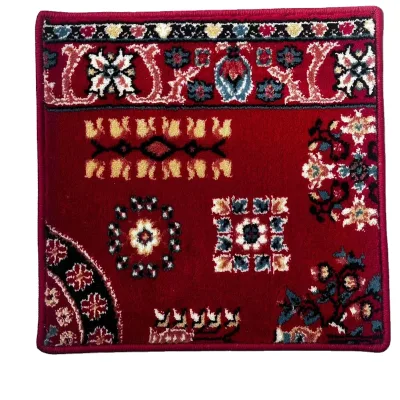
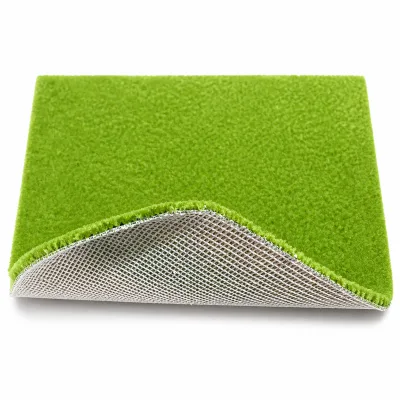
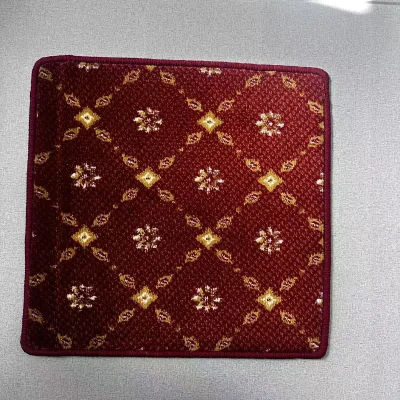
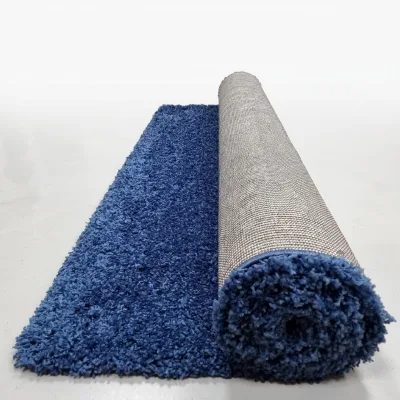
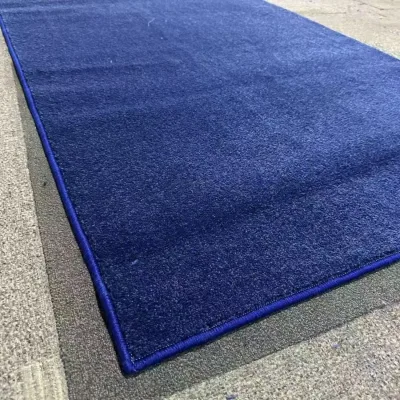
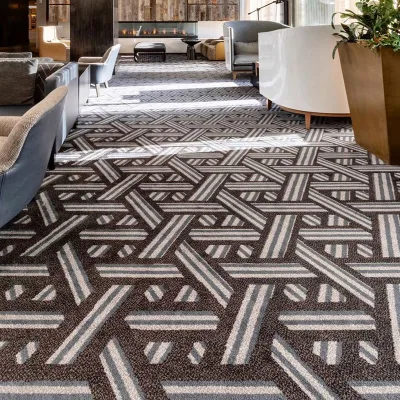

High Quality Wilton Floral Carpets Wall to Wall Roll Carpet for Floor
$8.00 - $24.00
MOQ: 100 Square Meters

Luxury Wall to Wall Carpet Commercial Hotel Fireproof Wilton Carpet
$8.00 - $24.00
MOQ: 100 Square Meters


$80.00 - $100.00
MOQ: 1 Square Meters

Wall to Wall Carpet Wilton Carpet Axminster Carpet, Broadroom Carpet Handtufted Carpet
$80.00 - $100.00
MOQ: 1 Square Meters

Professional Manufacteurer Comfortable Carpet Wilton Carpet, Broadroom Carpet Corridor Carpet
$80.00 - $100.00
MOQ: 1 Square Meters

Comfortable Carpet Wilton Carpet, Broadroom Carpet Handtufted Carpet, Banquet Hall Carpet
$80.00 - $100.00
MOQ: 1 Square Meters


Professional Manufacteurer Comfortable Carpet Wilton Carpet Axminster Carpetcorridor Carpet
$80.00 - $100.00
MOQ: 1 Square Meters

Wall to Wall Wilton Carpets. High Quality, with Our Own Factory
$6.00 - $15.00
MOQ: 6000 Square Meters

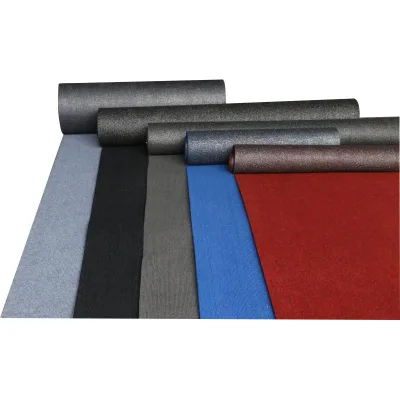
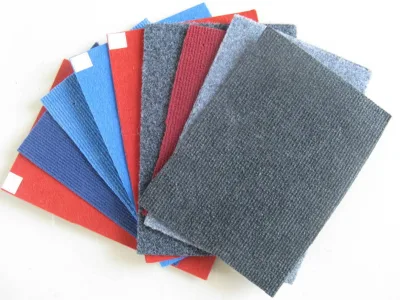

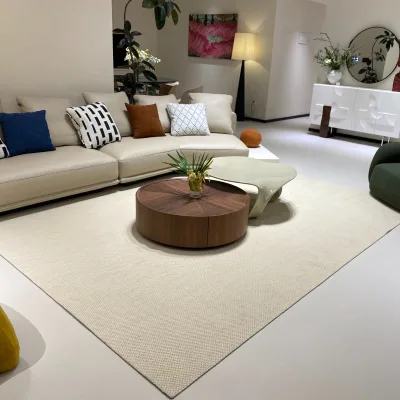
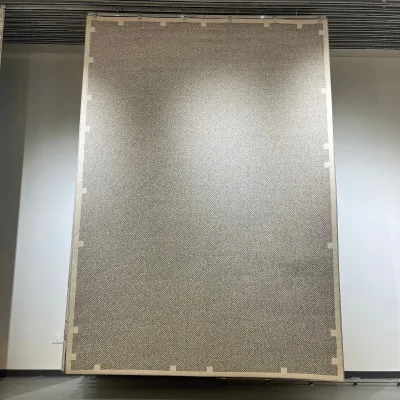
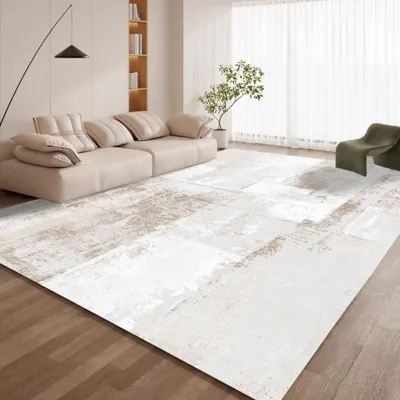
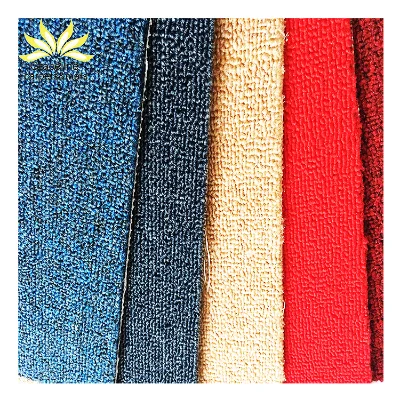
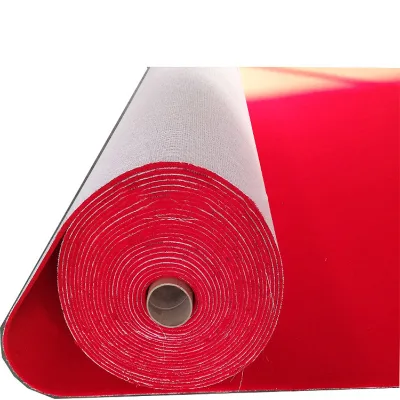

Wilton Carpet 80%Wool 20% Nylon Fire Retardant Grade B1 Wall to Wall Hotel Carpet
$10.00 - $18.50
MOQ: 100 Square Meters

Comprehensive Sourcing Guide
Wilton Reversible Wall Carpet Sourcing Guide
Procuring wall-mounted carpet solutions requires a nuanced understanding of material properties and installation constraints, particularly when evaluating products labeled as "Wilton reversible." The term "Wilton" traditionally refers to a specific weaving technique that produces dense, durable loops, often associated with floor coverings. However, in the current marketplace, this terminology is sometimes applied loosely to wall panels or decorative textiles that offer reversible aesthetics. Buyers must carefully distinguish between true Wilton-woven floor carpets and wall-specific textiles to ensure the product meets the structural demands of vertical installation. Misalignment between product type and application can lead to premature failure, sagging, or inadequate acoustic performance.
The concept of "reversible" in this context suggests a dual-sided design, potentially offering two distinct colors or patterns on a single panel. This feature adds value for designers seeking flexibility in interior styling without needing to stock multiple SKUs. However, the structural integrity of a reversible wall carpet depends heavily on its backing system and edge finishing. Unlike floor carpets that endure foot traffic, wall carpets must resist gravity-induced stretching and maintain their shape over time. Buyers should verify whether the reversible nature is purely aesthetic or if it implies a symmetrical construction that supports both sides equally in terms of durability and fire resistance.
Product Scope and Observed Listing Signals
Market listings for these products reveal a diverse range of specifications, indicating that "Wilton Reversible Wall Carpet" is not a single standardized item but a category encompassing various textile solutions. Observed data shows products originating from regions like Shandong and Shanghai, with materials ranging from Nylon to Polypropylene. Some listings explicitly mention "Wilton woven carpet" with a model number such as 015, while others describe general "carpet" products with customizable patterns. This variability suggests that buyers cannot assume uniformity in weave density or backing technology across different suppliers. The presence of both "Machine Made" and "Handmade" techniques in the same search results further complicates the selection process, requiring careful scrutiny of manufacturing claims.
Visual and descriptive signals in listings often highlight features like "Anti-Slip," "Eco-Friendly," and "Fire Resistant," which are critical for wall applications. However, the term "reversible" appears alongside various patterns, including floral, solid colors, and customized prints. This indicates that the reversible feature is not limited to a specific design style but is a functional attribute available across different aesthetic options. Buyers should note that some products are marketed for multiple uses, including home, commercial, hotel, and even outdoor settings. This broad applicability suggests versatility but also raises questions about whether a product optimized for outdoor use is suitable for indoor wall installations, particularly regarding UV resistance versus indoor air quality standards.
Technical Specifications to Verify
When evaluating technical specifications, the pile height and thickness are critical indicators of quality and suitability for wall mounting. Observed data includes products with a "medium pile" and thickness ranges of 8-10mm, which provide a substantial texture suitable for acoustic dampening and visual depth. However, buyers must verify if these dimensions are consistent across the entire roll or panel. The width of 4 meters observed in some listings suggests large-format production, which can reduce seam visibility in large commercial spaces. Yet, handling such wide panels requires specialized installation techniques to prevent wrinkling or misalignment. Buyers should request detailed cross-section diagrams to understand the layering of the backing and face yarns.
The shape and size specifications also play a vital role in procurement decisions. While some products are offered in customized sizes, others come in standard dimensions like 1 square meter or specific lengths of 30 meters. The single package size of 60X26X28 cm or 100X15X15 cm provides insight into logistics and storage requirements. Buyers should calculate the total volume and weight, noting single gross weights around 2.6 to 2.7 kg per unit, to estimate shipping costs accurately. Additionally, the HS Code 5701901000 indicates a specific classification for woven carpets, which may impact import duties and regulatory compliance. Verifying these technical details ensures that the product fits both the physical space and the logistical framework of the project.
Compliance and Safety Documentation
Fire safety is a paramount concern for any wall-mounted textile, and compliance with local building codes is non-negotiable. Some observed listings explicitly mention a "B1 Rated" fire rating, which is a significant indicator of flame retardancy suitable for commercial and public spaces. Buyers must request certified test reports from accredited laboratories to verify this claim, as self-declared ratings may not hold up during inspections. The presence of "Fire Resistant" features in product descriptions should be corroborated by official documentation, ensuring that the material meets the required standards for the specific jurisdiction. This verification process protects against liability and ensures the safety of occupants in case of an emergency.
Beyond fire safety, environmental and health standards are increasingly important in procurement decisions. Features like "Eco-Friendly," "Anti-Bacteria," and "PET FRIENDLY" suggest a focus on sustainable and healthy indoor environments. Buyers should inquire about the chemical composition of the backing and any treatments applied to achieve these properties. For instance, "Anti-static" and "Antimicrobial" claims require validation through standardized testing protocols. Additionally, the "Washable" and "Stain Resistant" attributes indicate ease of maintenance, which is crucial for high-traffic areas. Ensuring that all safety and environmental claims are backed by credible evidence helps in selecting products that align with corporate sustainability goals and regulatory requirements.
Cost Drivers and Commercial Terms
The cost of Wilton reversible wall carpets is influenced by several factors, including material type, weaving technique, and customization level. Products made from Nylon may command a higher price due to their durability and softness, while Polypropylene options might be more cost-effective for budget-conscious projects. The MOQ (Minimum Order Quantity) varies significantly, ranging from 1 piece to 6000 units, allowing for flexibility in order sizes. Buyers with smaller requirements can often negotiate lower MOQs, but this may come at a higher per-unit cost. Understanding these commercial terms helps in planning the budget and avoiding unexpected expenses related to minimum order penalties or setup fees.
Pricing structures also depend on the level of customization, such as custom printing or specific color matching. Observed price ranges in USD span from 0.55 to 100, reflecting the vast difference between basic and premium products. Buyers should request detailed quotes that break down costs for materials, labor, and shipping. Additionally, lead times can vary based on production capacity and order complexity. It is advisable to confirm the production schedule early in the procurement process to avoid delays. Clear communication regarding payment terms, such as deposits and balance payments, ensures a smooth transaction and minimizes financial risk for both parties.
Supplier Qualification and Quality Control
Selecting a reliable supplier is crucial for ensuring consistent quality and timely delivery. Buyers should verify the supplier's manufacturing capabilities, including whether they produce the carpets in-house or outsource parts of the process. Suppliers from regions like Shandong and Shanghai may have established reputations for textile production, but due diligence is necessary to confirm their expertise in wall-specific applications. Requesting samples is a vital step in the qualification process, allowing buyers to assess the texture, color accuracy, and reversible feature firsthand. This hands-on evaluation helps in identifying potential issues before committing to a large order.
Quality control measures should be clearly defined and agreed upon before production begins. Buyers should inquire about the supplier's QC protocols, including in-process inspections and final random checks. Certifications like ISO 9001, if claimed, indicate a commitment to quality management systems, but buyers should verify the validity of such certifications. Additionally, establishing a clear process for handling defects or discrepancies is essential. This includes defining acceptable quality limits (AQL) and procedures for returns or replacements. A robust supplier qualification process minimizes the risk of receiving substandard products and ensures that the final installation meets the project's expectations.
Long-Term Procurement Checks
Long-term success in procurement depends on establishing a sustainable relationship with suppliers and continuously monitoring performance. Buyers should implement a system for tracking supplier reliability, including on-time delivery rates and product consistency across multiple orders. Regular feedback loops with the supplier can help identify areas for improvement and foster collaboration. Additionally, staying updated on industry trends and new product developments ensures that the procurement strategy remains competitive. This proactive approach allows buyers to adapt to changing market conditions and customer preferences, maintaining a high standard of quality and service.
Maintenance and lifecycle management are also key considerations for long-term procurement. Buyers should develop guidelines for the care and cleaning of the wall carpets to extend their lifespan and maintain their appearance. This includes providing training to facility management teams on proper cleaning techniques and recommended products. Regular inspections of the installed carpets can help identify early signs of wear or damage, allowing for timely repairs or replacements. By focusing on long-term value rather than just initial cost, buyers can achieve better overall outcomes and maximize the return on investment for their interior design projects.
FAQs
What materials are used for wilton reversible wall carpets?
Wilton reversible wall carpets are typically crafted from durable synthetic fibers such as nylon or polypropylene. These materials provide excellent resilience and stain resistance, making them suitable for high-traffic commercial and residential environments. The choice of material ensures longevity while maintaining the aesthetic appeal required for modern interior design applications.
Can wilton reversible wall carpets be customized in size?
Yes, many manufacturers offer customized sizing options for wilton reversible wall carpets to fit specific architectural requirements. Buyers can request tailored dimensions, often starting from a minimum order quantity of one square meter or piece. This flexibility allows for precise installation in diverse spaces like hotels, offices, and residential hallways without waste.
What fire safety ratings do these carpets typically have?
High-quality wilton reversible wall carpets often feature a B1 fire rating, ensuring compliance with stringent safety standards for commercial and public buildings. This classification indicates limited flame spread and low smoke generation, providing enhanced safety for occupants. Buyers should verify specific certification documents with suppliers to confirm compliance with local building regulations.
How thick are standard wilton reversible wall carpets?
Standard wilton reversible wall carpets generally have a thickness ranging from 8 to 10 millimeters. This medium pile height offers a balance between comfort underfoot and durability for heavy use. The specific thickness may vary slightly based on the manufacturer's production techniques and the chosen material composition, such as nylon or polypropylene blends.
Where are wilton reversible wall carpets commonly used?
These carpets are versatile and commonly used in dining rooms, offices, hotels, bedrooms, and hallways. Their reversible and non-slip features make them ideal for high-traffic areas in both commercial and home settings. Additionally, their water-resistant and anti-bacterial properties suit environments like kitchens and bathrooms where hygiene and durability are paramount.
What is the minimum order quantity for these carpets?
The minimum order quantity varies by supplier, with some requiring as little as one piece or one square meter. Others may set a higher threshold, such as twenty square meters, depending on production methods like machine-made or handmade techniques. Buyers should confirm specific MOQs with vendors to align with their project scale and budget constraints.