Source Zebra Roller Blinds for Hotel, Home, and Cafe
Find 30 verified listings for Zebra Roller Blinds suitable for hotels, homes, and cafes. Buyers can compare customization options, mounting types, and fabric densities to select the right window treatment for their needs.
Key considerations
Products List


Double Zebra Blinds Roller Blinds
$1.99 - $3.99
MOQ: 1 Square Meters
Shouguang Runchen Environmental Protection Technology Co., Ltd.

Roller Double Sheer Rainbow Blinds Zebra Blinds
$13.99 - $23.99
MOQ: 1 Square Meters
Shouguang Runchen Environmental Protection Technology Co., Ltd.

Zebra Shade Blackout Roller Blinds Zebra Blinds Manufacturers
$1.99 - $3.99
MOQ: 1 Square Meters
Shouguang Runchen Environmental Protection Technology Co., Ltd.

Roller Blinds Custom Made Rainbow Zebra Blind
$1.99 - $3.99
MOQ: 1 Square Meters
Shouguang Runchen Environmental Protection Technology Co., Ltd.

Motorized Polyester Blackout Electric Day and Night Zebra Roller Blinds
$13.99 - $23.99
MOQ: 1 Square Meters
Shouguang Runchen Environmental Protection Technology Co., Ltd.

Manual Blackout Window Zebra Blind Shades Bedroom Dual Zebra Roller Blinds
$13.99 - $23.99
MOQ: 1 Square Meters
Shouguang Runchen Environmental Protection Technology Co., Ltd.
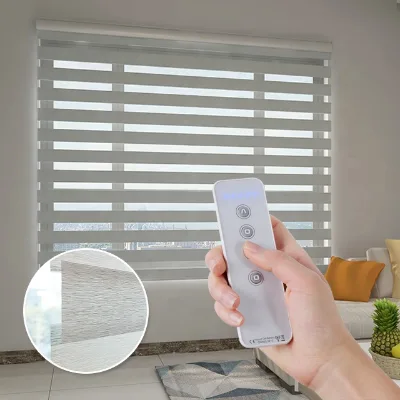
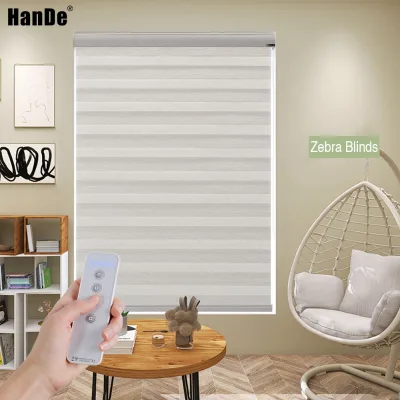
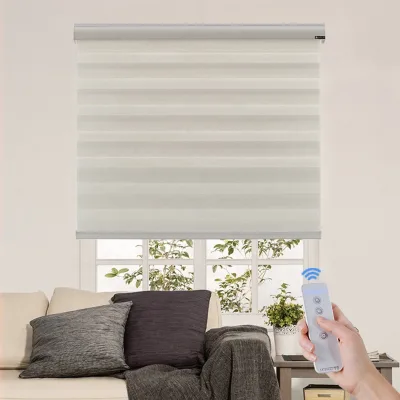


Custom Manual Horizontal Blackout Shades Cordless Window Zebra Roller Blinds
$8.00 - $10.00
MOQ: 50 Square Meters

High Purchase Rate Roller Sunscreen Curtain Zebra Blinds with Competitive Price
$8.00 - $10.00
MOQ: 50 Square Meters


Comprehensive Sourcing Guide
Zebra Roller Blinds Sourcing Guide
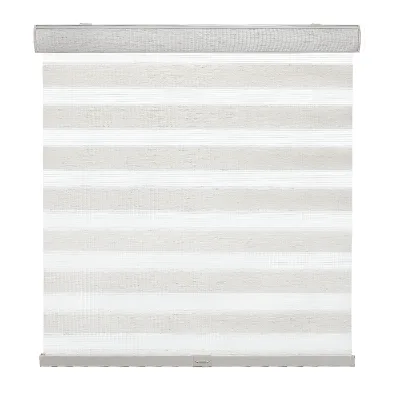
Sourcing Zebra Roller Blinds requires a nuanced understanding of their dual-layer fabric construction and the specific mechanical systems that drive their operation. These window treatments are distinct from standard roller shades due to their alternating sheer and opaque bands, which allow users to adjust light filtration and privacy without changing the physical position of the blind. For procurement professionals, the primary challenge lies in verifying the alignment precision of these layers and the durability of the fabric against UV degradation and mechanical wear. The market offers a wide variety of configurations, from manual chain-operated units to motorized systems, each with different implications for installation complexity and long-term maintenance.
Buyers must also navigate the diversity of customization options available from manufacturers. While the core mechanism remains consistent, the aesthetic and functional properties of the fabric can vary significantly based on material composition, weave density, and coating treatments. Understanding these variables is critical for matching product specifications to end-user requirements in diverse environments such as hotels, hospitals, and residential spaces. This guide provides a structured approach to evaluating suppliers, verifying technical claims, and ensuring that the final product meets both performance standards and aesthetic expectations.
Product Scope and Observed Listing Signals
The observed product landscape for Zebra Roller Blinds reveals a broad spectrum of applications, with listings frequently citing usage in hotels, hospitals, homes, cafes, and offices. This versatility indicates that the product category is not limited to a single market segment but serves both commercial and residential needs. Procurement teams should note that the term "zebra blinds" is often used interchangeably with "dual shade" or "dual roller" blinds, so it is essential to confirm the specific mechanism during supplier engagement. The presence of customization options in many listings suggests that manufacturers are equipped to handle bespoke orders, which is a significant advantage for large-scale projects requiring uniform aesthetics across multiple rooms.
Observed listing signals also highlight a variety of structural and operational features. Products are described with attributes such as horizontal structure, manual open types, and specific header types like hook-mounted systems. Additionally, some listings mention upper and lower biparting opening methods, which may refer to specific installation or operational configurations. Buyers should be cautious when interpreting these terms, as they may not be standardized across all suppliers. It is crucial to request detailed diagrams or videos to understand exactly how the blind operates and installs, ensuring that the described features align with the project's architectural constraints and user preferences.
Technical Specifications to Verify
When evaluating technical specifications, the width of the fabric is a critical parameter, with observed listings indicating widths such as 57/58 inches, 58/60 inches, and 118/120 inches. These variations suggest that manufacturers may offer standard roll widths that are then cut to size, or they may produce custom-width blinds directly. Buyers must clarify whether the quoted width refers to the fabric roll width or the final installed blind width, as this distinction impacts material waste and cost. Additionally, the opacity of the fabric is a key performance indicator, with some products described as semi-sheer or semi-blackout. Understanding the light filtration properties is essential for applications where privacy and natural light balance are priorities.
The material composition and density of the fabric also require careful verification. Observed data points to the use of PVC and fabrics with densities around 120 G/M2, which can influence the durability, feel, and light-blocking capability of the blind. Buyers should request samples to assess the texture and quality of the material, as well as to verify the alignment of the sheer and opaque bands. Furthermore, the mounting type, whether inside-mounted or outside-mounted, must be confirmed to ensure compatibility with the window frame. The header type, such as hook-mounted systems, also plays a role in the ease of installation and the final aesthetic appearance, so these details should be specified in the purchase order.
Compliance and Safety Documentation
Compliance with international standards is a fundamental requirement for sourcing window treatments, particularly for commercial projects. Observed certifications include ISO9001, SGS, and Greenguard, which indicate adherence to quality management systems, third-party testing, and indoor air quality standards. Buyers should verify the validity of these certifications by requesting copies of the certificates and checking their expiration dates. It is also important to confirm that the certifications apply to the specific product line being purchased, as some manufacturers may hold certifications for certain product ranges but not others.
Safety documentation should also include information on fire resistance and chemical safety, especially for products used in public spaces like hotels and hospitals. While specific test results were not observed in the provided data, buyers should proactively request fire rating certificates and material safety data sheets (MSDS) from suppliers. These documents provide critical information on the flammability of the fabric and the presence of any hazardous substances, ensuring that the product meets local building codes and safety regulations. Additionally, buyers should inquire about the environmental impact of the manufacturing process, particularly if sustainability is a key criterion for the project.
Cost Drivers and Commercial Terms
The cost of Zebra Roller Blinds is influenced by several factors, including the material quality, customization level, and order volume. Observed price ranges vary significantly, reflecting the diversity of products available in the market. Buyers should be aware that lower prices may correspond to standard sizes and basic fabric options, while higher prices may reflect custom dimensions, premium materials, or specialized coatings. The minimum order quantity (MOQ) is another critical commercial term, with observed ranges from 1 to 1000 units. Understanding the MOQ is essential for budgeting and inventory management, especially for projects with varying room sizes and design requirements.
Packaging and shipping terms also impact the total cost of procurement. Observed packaging methods include carton boxes, plastic film, and paper tubes, which can affect the protection of the product during transit and the associated shipping costs. Buyers should negotiate clear terms regarding packaging standards to minimize damage and ensure that the blinds arrive in perfect condition. Additionally, lead times and payment terms should be discussed upfront to avoid delays and cash flow issues. It is advisable to establish a clear timeline for sample approval, production, and delivery, and to include penalties for late delivery in the contract if necessary.
Supplier Qualification and Quality Control
Supplier qualification is a critical step in the sourcing process, requiring a thorough assessment of the manufacturer's capabilities and reputation. Buyers should verify the supplier's production capacity, quality control processes, and ability to meet customization requests. Requesting references from previous clients, particularly those in similar industries, can provide valuable insights into the supplier's reliability and service quality. Additionally, buyers should consider conducting factory audits or third-party inspections to verify the supplier's claims regarding production standards and quality management systems.
Quality control measures should be clearly defined in the purchase agreement, including inspection points and acceptance criteria. Buyers should specify the required tolerance for fabric alignment, color consistency, and mechanical operation. It is also advisable to request pre-shipment inspections to ensure that the products meet the agreed-upon specifications before they are dispatched. Establishing a clear process for handling defects or non-conforming products is essential to mitigate risks and ensure that the project timeline is not disrupted. Regular communication with the supplier throughout the production process can also help identify and resolve potential issues early.
Long-Term Procurement Checks
Long-term procurement success depends on establishing a robust relationship with the supplier and implementing continuous improvement strategies. Buyers should schedule regular reviews of supplier performance, focusing on metrics such as on-time delivery, product quality, and responsiveness to issues. These reviews can help identify areas for improvement and strengthen the partnership over time. Additionally, buyers should stay informed about industry trends and technological advancements in window treatments, as this knowledge can inform future sourcing decisions and product selections.
Sustainability and ethical sourcing practices are increasingly important considerations for long-term procurement. Buyers should evaluate the supplier's commitment to environmental responsibility, including the use of sustainable materials and eco-friendly manufacturing processes. This evaluation can help align procurement strategies with corporate social responsibility goals and meet the expectations of environmentally conscious customers. By maintaining a proactive approach to supplier management and staying attuned to market developments, buyers can ensure a steady supply of high-quality Zebra Roller Blinds that meet their evolving needs.
FAQs
What customization options are available for Zebra Roller Blinds?
Customization is available for Zebra Roller Blinds to meet specific design needs. Buyers can request customized patterns, dimensions, and packing designs such as carton boxes or plastic film packaging to suit their project requirements.
Which certifications do these window blinds typically hold?
These products typically hold ISO9001, SGS, and Greenguard certifications. Such certifications ensure quality management and safety standards are met for applications in hotels, hospitals, and homes across various regions.
How are zebra blinds mounted on windows?
Zebra blinds can be mounted using inside-mounted or hook-mounted methods. The specific mounting type depends on the window structure, such as oriel windows, and the chosen header type for the installation.
What materials are used to make these roller blinds?
The blinds are constructed using PVC material with a density of 120 G/M2. This material supports functions like sound insulation and semi-blackout applications suitable for offices, cafes, and living rooms.
Can I order zebra blinds with specific width specifications?
Yes, you can order blinds with specific widths like 57/58 inches or 118/120 inches. Customized widths are also available to fit unique window openings and design standards such as W1770*D390*H450mm.
What is the minimum order quantity for these products?
The minimum order quantity is 20 square meters for these products. This MOQ applies to the supply of zebra blinds and other window treatments like vertical blinds for commercial or residential projects.
Where are these window blinds manufactured?
These window blinds are manufactured in China. The products originate from Chinese factories and are shipped with packaging options like paper tubes or plastic capping to ensure safe delivery.