Hyundai Tucson Suspension Arm Bushing Suppliers and Manufacturers
Explore 31 verified options for Hyundai Tucson Suspension Arm Bushing from factories in China. Compare response times, lead times, certifications, and pricing to find the right partner. Request samples to verify quality before placing orders; review the available evidence before requesting comparable quotations from suitable candidates.
Suppliers List

- Verified by BV
- Combined
- China Shandong
- Lead time15 days
- Avg. response≤ 7h
Main productsRubber Buffer, Silicone Seal, Rubber Bellow, Rubber Gasket, Rubber Pad, Sealing Strip, Rubber Profile, Rubber Grommet, Rubber Cap, Rubber Extrusion
Main marketsSoutheast Asia/ Mideast,East Asia(Japan/ South Korea),Europe,North America

Ningbo Joy International Trade Co., Ltd.
- Verified by BV
- Trading Company
- China Zhejiang
- Lead time30 days
- Avg. response≤ 7h
Main marketsEurope

GUANGZHOU JINYU AUTO PARTS CO., LTD.
- Verified by TUVRHEINLAND
- Trading Company
- China Guangdong
- Lead time15 days
- Avg. response≤ 4h
Main productsSteering Rack, Power Steering Pump, Control Arm, Shock Absorber, Ball Joints, CV Joints, Drive Shaft, Tie Rod End, Engine Mounts, Wheel Hub Bearing
Main marketsSoutheast Asia/ Mideast,North America


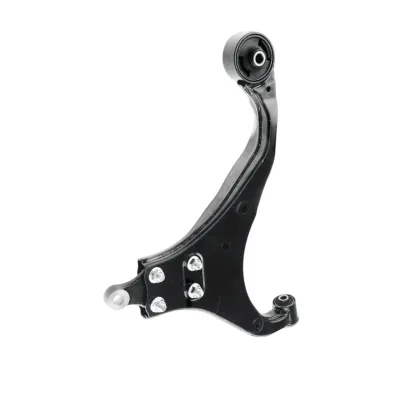
High Performance Rear Lower Suspension Arm for Hyundai Tucson IX35 2WD (55210-2S000)
$22.00 - $23.00
Moq: 6

Jiangsu Korop Auto Parts Co., Ltd.
- Verified by SGS
- Combined
- China Jiangsu
- Lead time30 days
- Avg. response≤ 12h
Main productsControl Arm Bushing
Main marketsSouth America,Africa,Southeast Asia/ Mideast,Domestic,Europe

Guangzhou SVD Auto Parts Co.,Ltd
- Verified by TUVRHEINLAND
- Trading Company,Manufacturer/Factory
- China Guangdong
- Lead time23 days
- Avg. response≤ 10h
Main productsAuto Parts, Toyota Parts, Suspension Parts, Bushing, Filters, Ignition Coil, Spark Plug, Engine Mount, Control Arm, Engine Parts
Main marketsSouth America,Eastern Europe,Mid East,North America,Southeast Asia,Eastern Asia,Oceania,Western Europe,Africa

Ningbo Tsy Auto Parts Co., Ltd.
- Manufacturer/Factory
- China Zhejiang
- Lead time45 days
- Avg. response≤ 5h
Main productsSuspension Parts, Tie Rod End, Stabilizer Link, Rack End, Ball Joint, Control Arm, Shock Absorber, Drive Shaft, Bushing, Strut Mounting
Main marketsSouth America,Eastern Europe,North America,Western Europe,Africa
Chongqing Rongqian Auto Parts Co., Ltd.
- Verified by Intertek
- Trading Company
- Lead time7 days
- Avg. response≤ 2h
Main productsBumpers, Car Headlight, Car Rearview Mirror, Car Taillight, Radiator Frame
Main marketsCentral America(13%), Southern Europe(12%), North America(10%)

Xiamen Monake Import and Export Co., Ltd.
- Verified by TUVRHEINLAND
- Trading Company
- China Fujian
- Lead time30 days
- Avg. response≤ 4h
Main productsEngine Mounting, Strut Mount, Rubber Bush, Center Bearing, Control Arm, Arm Bushing, Auto Parts, Fan Blade, Auto Spare Parts, Car Parts
Main marketsOthers(foreignTradeCapacity.exportBusinessCapacityMarketOther),Domestic
Shandong Best Auto Trade Co., Ltd.
- Trading Company
- Shandong, China
- Lead time7 days
- Avg. response≤ 12h
Main productsEngine parts,Timing chain set,Automotive chassis accessories,Automotive sensors,Automotive exterior components
Main marketsSouth Asia(20.0%), Central America(20.0%), Mid East(20.0%), Southeast Asia(20.0%), North America(20.0%)
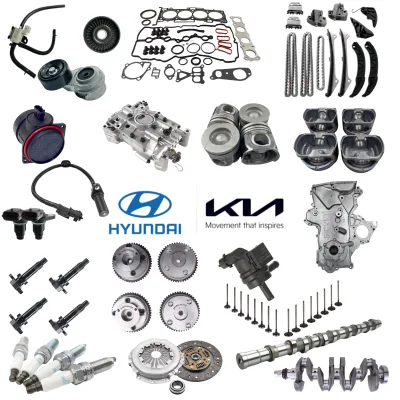
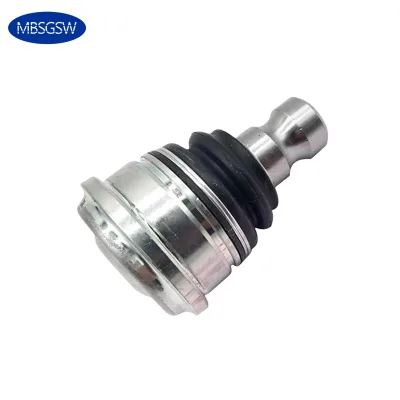
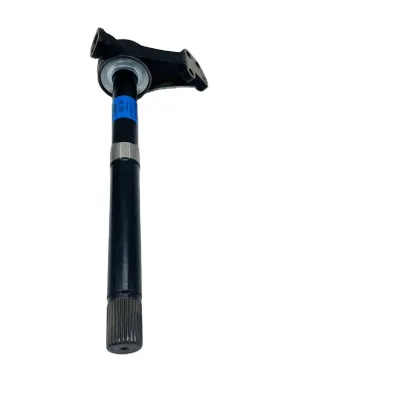
Axle Half Shaft Right 28X429X28 Fits 49560-C5050 49560C5050
$31.00 - $32.00

Xingtai Zhaochi Rubber Technology Co., Ltd.
- Verified by BV
- Combined
- China Hebei
- Lead time30 days
- Avg. response≤ 2h
Main productsOil Seal, Valve Oil Seal, Crankshaft Oil Seal, Valve Cover Gasket
Main marketsEast Asia(Japan/ South Korea),Domestic

Kaiping Taiyu Auto parts Co., LTD
- Verified by SGS
- Trading Company,Manufacturer/Factory
- China Guangdong
- Lead time15 days
- Avg. response≤ 20h
Main productsStrut Mount, Engine Mount, Shocking Mount, Engine Bracket, Engine Support
Main marketsSouth America,Mid East,North America,Southeast Asia,Africa
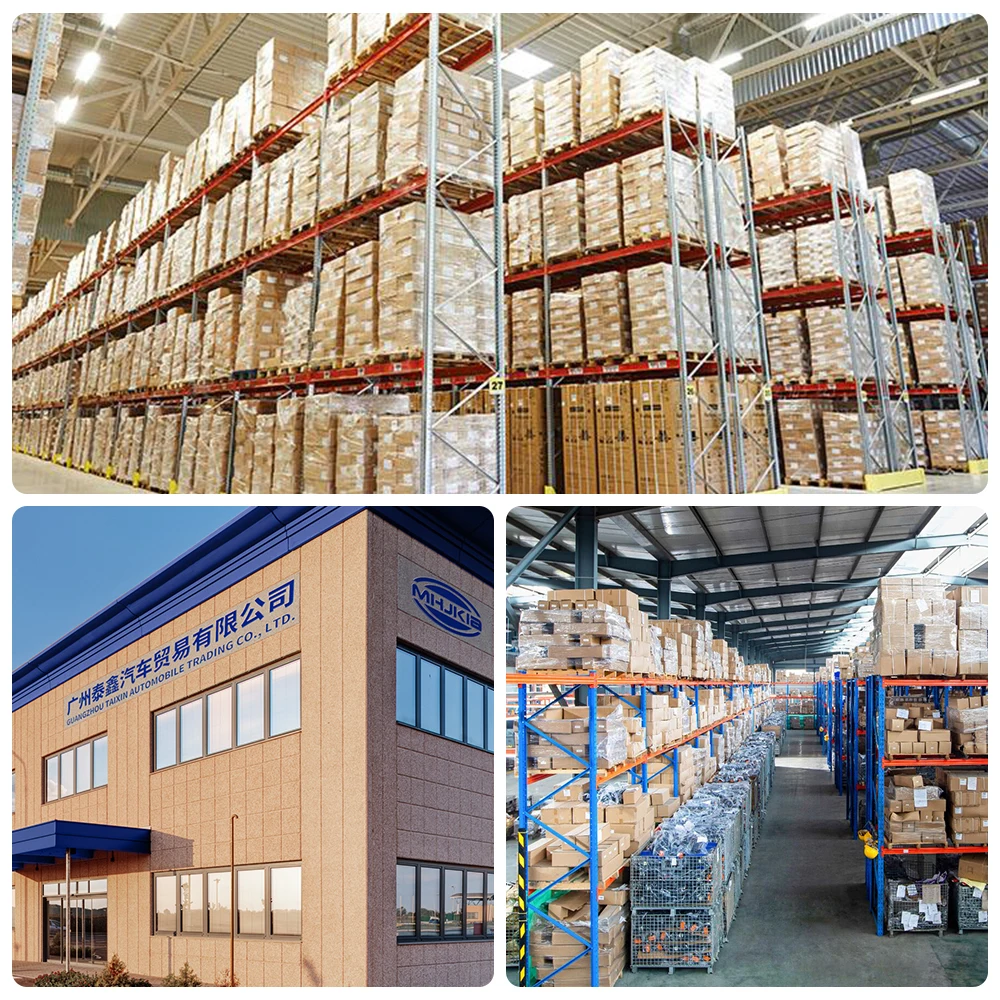
Guangzhou Taixin Automobile Trading Co., Ltd.
- Manufacturer, Trading Company
- Guangdong, China
- Lead time30 days
- Avg. response≤ 2h
Main productsEngine parts,Engine Assemblysystem,Chassis parts,Shock absorber,body part
Main marketsMid East(20.0%), Eastern Europe(15.0%), North America(10.0%), South America(10.0%), Domestic Market(10.0%), Southeast Asia(7.000000000000001%), Central America(7.000000000000001%), Eastern Asia(5.0%), Southern Europe(3.0%), Northern Europe(3.0%), Africa(3.0%), Oceania(3.0%), South Asia(2.0%), Western Europe(2.0%)
Anhui Heshun Automobile Parts Co., Ltd.
- Verified by SGS
- Combined
- China Anhui
- Lead time30 days
- Avg. response≤ 4h
Main productsBall Joint
Main marketsDomestic
Wenzhou Cop Auto Parts Co., Ltd.
- Verified by TüVRheinland
- Manufacturer, Trading Company
- Lead time45 days
- Avg. response≤ 6h
Main productsBrake Booster, Turbocharger, Crankshaft, Power Steering Gear, Door Lock
Main marketsMid East(90%), Southeast Asia(5%), South Asia(3%)
Yichun Hengjin Auto Parts Co., Ltd.
- Verified by TüVRheinland
- Trading Company
- Lead time7 days
Main productsFuel Injector, Auto Steering Parts, Auto Sensors, Valves & Valve Tappets
Main marketsSouth America(75%), North America(5%), Southeast Asia(5%)

Wenzhou Ideer Auto Parts Co., Ltd
- Verified by BV
- Manufacturer/Factory
- China Zhejiang
- Lead time38 days
- Avg. response≤ 2h
Main productsDifferential, Steering Gear, Drive Shaft, Propeller Shaft, Brake Caliper, Steering Knuckle, Gearbox, Free Wheel Hub, Carburetor, Distributor
Main marketsSouth America,Eastern Europe,Mid East,North America,Southeast Asia,Eastern Asia,Oceania,Western Europe,Africa

Hebei Daimosi Auto Parts Co., Ltd
- Verified by BV
- Trading Company,Manufacturer/Factory
- China Hebei
- Lead time23 days
- Avg. response≤ 15h
Main productsKorean Car Engine, Automobile Fuel Nozzle, Spark Plug, High-Pressure Pump, Ignition Coil, Window Lifter Motor, Engine Tensioner, Thermostat, Sensor, Oxygen Sensor
Main marketsSouth America,Eastern Europe,Mid East,North America,Southeast Asia,Eastern Asia,Oceania,Western Europe,Africa
Guangzhou Yichi Auto Parts Co., Ltd.
- Manufacturer, Trading Company, Distributor/Wholesaler
- Gunagdong, China
- Lead time7 days
- Avg. response≤ 17h
Main productsSpark Plug,Igniition Coil,Fuel Pump,Auto Sensor,Water pump
Main marketsSouth America(40.0%), Southeast Asia(20.0%), Africa(20.0%), North America(10.0%), Mid East(10.0%)
Guangzhou Dongchuangyuan Trading Co., Ltd.
- Trading Company, Distributor/Wholesaler
- Guangdong, China
- Lead time0 days
- Avg. response≤ 3h
Main productsAuto Body Systems,Auto Engine Systems,Auto Lighting Systems,Exterior Accessories,Auto Steering Systems
Main marketsNorth America(25.0%), Mid East(15.0%), Oceania(15.0%), Western Europe(15.0%), Northern Europe(5.0%), Eastern Europe(5.0%), Central America(5.0%), Southeast Asia(3.0%), Domestic Market(2.0%), South Asia(2.0%), Southern Europe(2.0%), Eastern Asia(2.0%), Africa(2.0%), South America(2.0%)

TAIZHOU TUOBA MACHINERY CO., LTD.
- Verified by SGS
- Manufacturer/Factory
- China Zhejiang
- Lead time0 days
- Avg. response≤ 7h
Main productsBall Joints, Tie Rod Ends, Absorber, Rack End, Control Arm, Brake Pads, Idler Arm/Pitman Arm, Stabilizer Link, Engine Mounts, Fittings
Main marketsSouth America,Eastern Europe,Mid East,North America,Southeast Asia,Western Europe


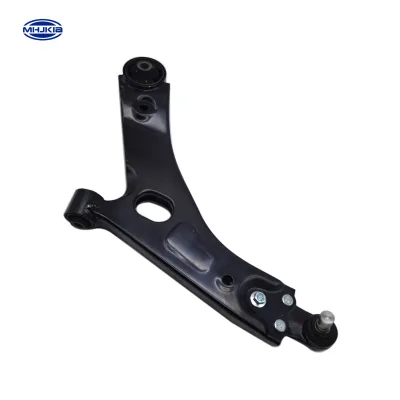
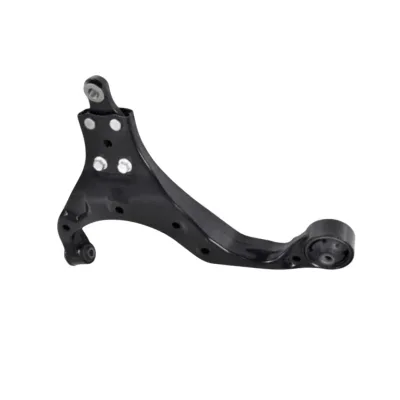
Front Suspension Lower Control Arms 55270-2s050 for Hyundai 11-13 Tucson Sportage
$12.99 - $15.99
Moq: 50

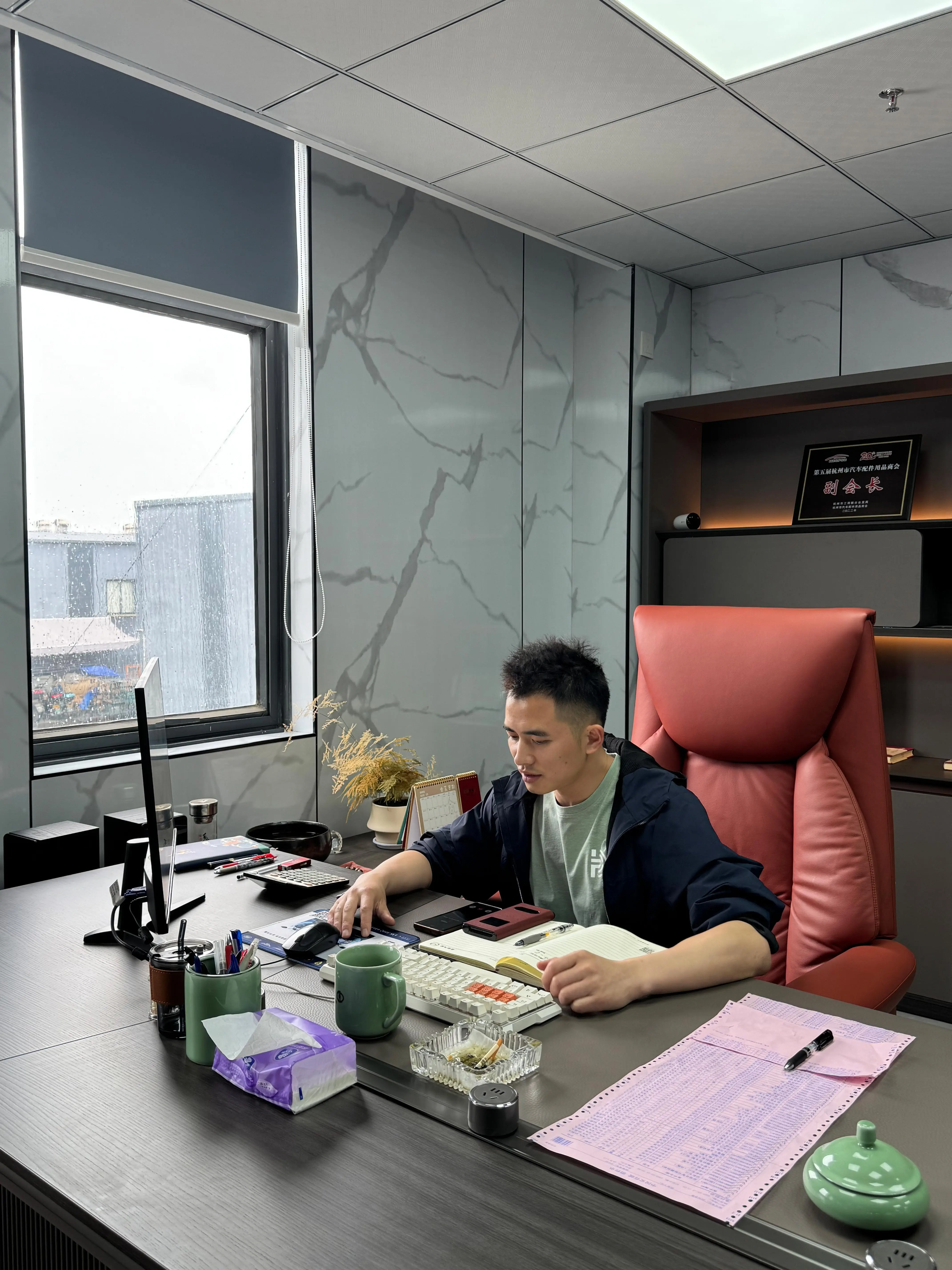
Hangzhou Puhui Auto Parts Co., Ltd.
- Trading Company
- Zhejiang, China
- Lead time15 days
- Avg. response≤ 6h
Main productsAuto electrical system,Auto Engine Systems,Auto suspension system,Auto cooling system
Main marketsEastern Asia(50.0%), North America(30.0%), South Asia(20.0%)

Guangzhou Leaf Auto Parts Co., Ltd.
- Verified by TUVRHEINLAND
- Manufacturer/Factory
- China Guangdong
- Lead time23 days
- Avg. response≤ 16h
Main productsLED Lights, Car Headlight, Jeep Light, Work Light, Light Bar, Laser Light, Cylinder Head, Engine Parts, Cylinder Block, Power Steering Rack
Main marketsSouth America,Eastern Europe,Mid East,North America,Southeast Asia,Eastern Asia,Oceania,Western Europe,Africa

AN HUI JI CHENG TRADING CO., LTD.
- Verified by SGS
- Trading Company,Manufacturer/Factory
- China Anhui
- Lead time0 days
- Avg. response≤ 8h
Main productsCar Parts Auto Parts, Suspension Parts, Brake Parts, Engine Parts, Toyota Car Parts, Volkswagen Car Parts, BMW Car Parts, Hyundai Car Parts, Chery Car Parts, Byd Car Parts
Main marketsSouth America,Eastern Europe,Mid East,North America,Southeast Asia,Eastern Asia,Oceania,Western Europe,Africa


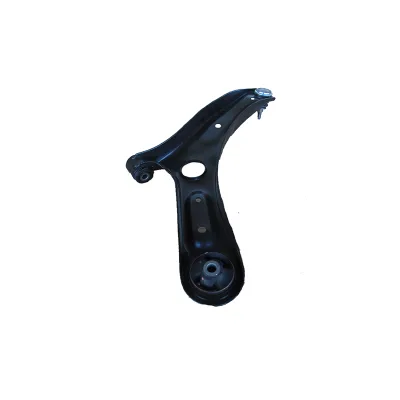
Auto Engine Spare Parts 54500-26000 Front Lower Control Arm for Hyundai KIA Tucson
$10.00 - $30.00
Moq: 1

Auto Engine Spare Parts 54500-2e000 Front Lower Control Arm for Hyundai KIA Tucson
$10.00 - $30.00
Moq: 1

Guangzhou PSQ Auto Parts Co.,Ltd.
- Verified by SGS
- Trading Company
- China Guangdong
- Lead time30 days
- Avg. response≤ 6h
Main productsAuto Parts, Car Shock Absorber, Exterior Parts, Car Wheel Hub Bearing, Chassis Parts, Car Spare Parts, Control Arms, Air Suspension, CV Joints, Drive Shafts
Main marketsAfrica

Bengbu Smk Auto Parts Co., Ltd.
- Verified by BV
- Trading Company,Manufacturer/Factory
- China Anhui
- Lead time45 days
- Avg. response≤ 8h
Main productsTesla Parts, Control Arm, Suspension Parts, Steering Parts, Tie Rod End, Sway Bar Link, Steering Knuckle, BMW Parts
Main marketsSouth America,Eastern Europe,North America

- Verified by TUVRHEINLAND
- Combined
- China Jiangsu
- Lead time23 days
- Avg. response≤ 6h
Main productsShock Absorber, Coil Spring
Main marketsSoutheast Asia/ Mideast,North America

Changzhou JLD Auto Parts Co., Ltd.
- Combined
- China Jiangsu
- Lead time60 days
- Avg. response≤ 17h
Main productsBall Joint, Inner Arm Shaft Kit, Tie Rod End, Side Rod Assy, Rack End, Drag Link, Cross Rod, Center Link, Idler Arm, Pitman Arm
Main marketsSouth America,Africa,Southeast Asia/ Mideast,Domestic
Hangzhou Link Auto Parts Co., Ltd.
- Verified by TUVRHEINLAND
- Trading Company,Manufacturer/Factory
- China Zhejiang
- Lead time75 days
- Avg. response≤ 13h
Main productsSuspension Kit, Control Arm, Ball Joint, Tie Rod End, Sway Bar Link, Steering Shaft, Bushing, Inner Tie Rod and Outer Tie Rod, Steering Ball Joints, Suspension Control Arm
Main marketsSouth America,Eastern Europe,Mid East,North America,Southeast Asia,Eastern Asia,Oceania,Western Europe,Africa


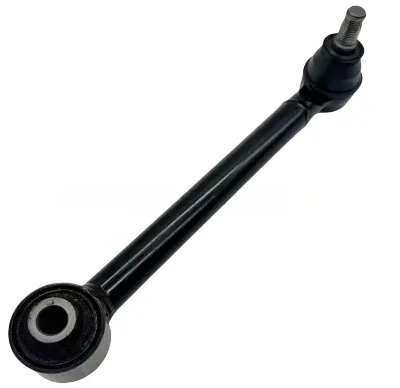
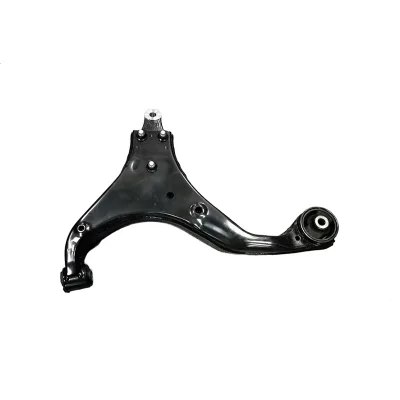
Rk642783 Rear Upper Forward Auto Parts Control Arm for -Hyundai Tucson 2010-2015
$3.80 - $4.10
Moq: 50


Wenzhou Naqin Auto Parts Co., Ltd
- Verified by BV
- Trading Company,Manufacturer/Factory
- China Zhejiang
- Lead time45 days
- Avg. response≤ 3h
Main productsBrake Pad, Brake Shoes, Brake Disc, Clutch Plate, Radiator, Universal Joint, Release Bearing, Shock Absorber, Fuel Pump, Ball Joint
Main marketsSouth America,Mid East,Africa
Beijing Huachuang Trading Co., Ltd.
- Trading Company,Manufacturer/Factory
- China Beijing
- Lead time15 days
- Avg. response≤ 2h
Main productsBrake Pads, Engine Parts, Filter, Clutch, Timing Maintenance Kit, Bearing, Voyah Auto Parts, Auto Part, Changan Auto Parts, Geely Auto Parts
Main marketsSouth America,Eastern Europe,Mid East,North America,Southeast Asia,Eastern Asia,Oceania,Western Europe,Africa

Guangzhou Fengming Auto Parts Co., Ltd.
- Verified by SGS
- Trading Company
- China Guangdong
- Lead time15 days
- Avg. response≤ 6h
Main productsAuto Part, Spark Plug, Filters, Clock Spring, Water Pump, Timing Chain Kit, Engine Mount, Gasket Kit, Control Arm, Steering Rack
Main marketsSoutheast Asia/ Mideast,Europe,North America


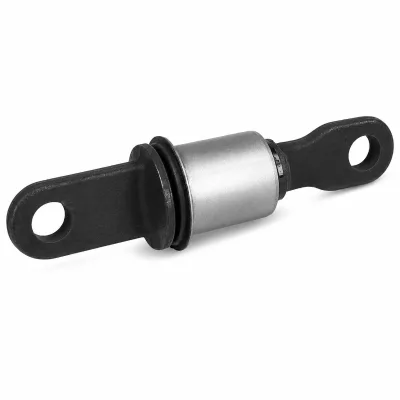
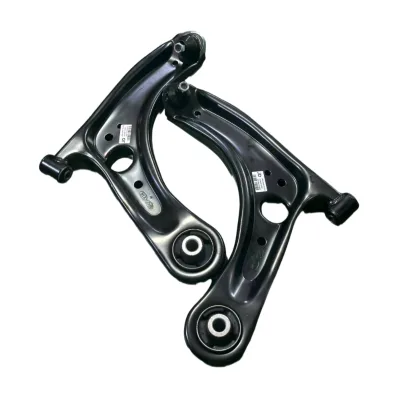


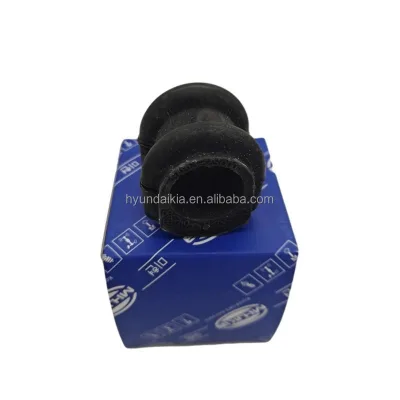






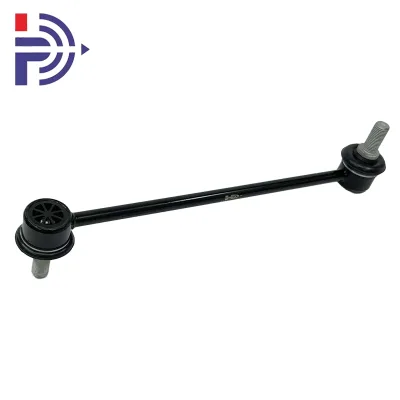
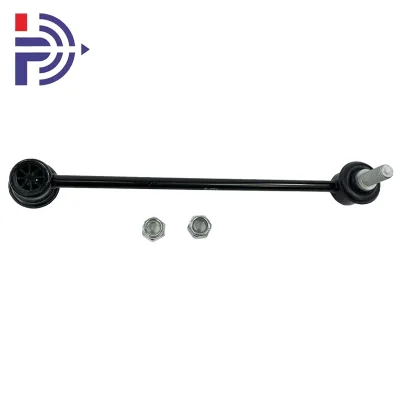

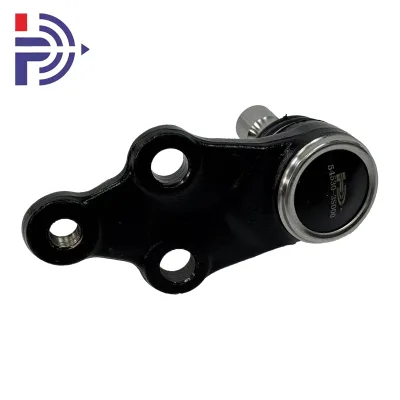
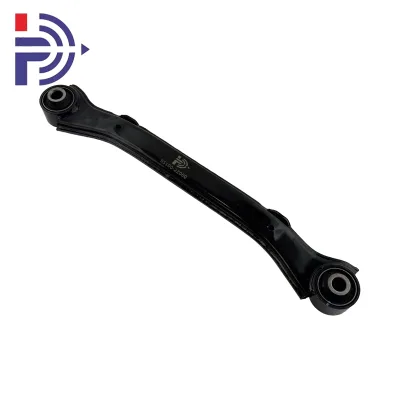


Comprehensive Sourcing Guide
Hyundai Tucson Suspension Arm Bushing Supplier Concentration and Factory Types
Current data indicates a concentration of manufacturing activity in China, specifically within the Shandong and Zhejiang provinces, where suppliers list Qingdao as a key origin point for rubber suspension components. These regions host a mix of combined manufacturing entities and trading companies that specialize in rubber extrusion, sealing strips, and automotive suspension bushings. The Shandong cluster appears to support a broader range of rubber profiles and gaskets, while Zhejiang-based entities often focus on trading and distribution of specific control arm parts. Buyers should verify if a supplier operates as a factory with in-house molding capabilities or as a trading company that aggregates goods from multiple sources, as this distinction impacts quality control and customization flexibility.
Factory types vary significantly in their capacity to handle original equipment manufacturer requests, with some suppliers explicitly stating ODM and OEM capabilities alongside their own branding. The product evidence shows that many manufacturers produce specific control arm bushings for a wide array of vehicle makes, including Hyundai, Kia, and Toyota, suggesting a high degree of specialization in automotive suspension systems. When evaluating potential partners, buyers must confirm whether the facility possesses the specific tooling for the required bushing model or if they rely on generic molds that may not meet precise engineering tolerances. Understanding the supplier's primary product focus, whether it is general rubber goods or dedicated automotive suspension parts, is essential for ensuring the component meets the rigorous demands of the Hyundai Tucson suspension system.
How to Verify Hyundai Tucson Suspension Arm Bushing Suppliers
Verification processes should prioritize third-party audit results and specific certification claims found in supplier profiles, as these provide the most reliable indicators of operational integrity. Some suppliers in the dataset display BV verification status, while others list TÜV Rheinland certification, which serves as a critical checkpoint for manufacturing standards and quality management systems. Buyers must cross-reference these claims against the specific product attributes listed, such as ISO or OEM certifications, to ensure the supplier is not merely listing generic credentials that do not apply to the specific bushing model being sourced. The presence of a verified badge does not guarantee product quality, but it does indicate that the company has undergone a baseline assessment of its business operations and facility conditions.
Response time and lead time data offer additional layers of verification regarding a supplier's operational readiness and logistical reliability. The observed response times range from approximately 3.2 hours to over 6 hours, with lead times varying between 15 and 30 days depending on the specific product and order volume. A supplier with a consistently fast response time and a clear, short lead time is more likely to maintain the production discipline required for automotive parts. Buyers should request proof of these metrics by asking for recent shipment records or production schedules that align with the stated lead times. Additionally, verifying the supplier's ability to provide samples and their willingness to customize packaging or logos can further confirm their commitment to meeting specific buyer requirements for the Hyundai Tucson suspension components.
What to Compare Across Hyundai Tucson Suspension Arm Bushing Suppliers
When comparing suppliers, the primary focus should be on the specific product attributes that define the bushing's performance, such as rubber hardness, material composition, and compatibility with specific vehicle models. The data shows variations in rubber hardness ratings, with some products specifying a range of 30 to 90 Shore A, while others indicate hardness is determined by customer requirements. Buyers must ensure that the supplier's stated hardness and material specifications align with the original equipment manufacturer standards for the Hyundai Tucson to prevent premature wear or suspension failure. Comparing the list of compatible car makes, which includes brands like Kia, Hyundai, and Volkswagen, helps identify suppliers with the necessary tooling and engineering expertise for the specific application.
Price and minimum order quantity (MOQ) are critical commercial factors that vary widely across the supplier base, ranging from as low as $0.80 to over $10.00 per unit, with MOQs starting from 10 pieces up to 500 pieces. A supplier offering a lower price point may have a higher MOQ, which could impact cash flow and inventory management for smaller buyers. Conversely, suppliers with lower MOQs might charge a premium per unit but offer greater flexibility for testing and initial market entry. Buyers should also compare the packaging standards, such as wooden packing versus plastic bags and cartons, as this affects shipping costs and product protection during transit. Evaluating these commercial terms alongside the technical specifications ensures a balanced assessment of value and risk for the specific procurement needs.
Common Hyundai Tucson Suspension Arm Bushing Sourcing Risks
One significant risk involves the discrepancy between claimed certifications and actual product compliance, particularly when suppliers list generic standards like ISO without specifying the exact version or scope relevant to automotive safety. Some product attributes mention certifications such as ISO/TS or OHSAS, but buyers must verify if these apply to the specific bushing manufacturing process or if they are general company certifications. Relying solely on a supplier's self-reported certification status without independent verification can lead to the procurement of parts that do not meet the stringent safety and durability requirements of the automotive industry. This risk is compounded if the supplier lacks a clear track record of supplying parts to major vehicle manufacturers.
Another critical risk is the potential for mismatched specifications regarding the bushing's physical dimensions and material properties, which can lead to installation failures or reduced vehicle lifespan. The product data indicates that some suppliers offer "custom size" options, while others adhere to "original size" standards, creating a potential for confusion if the buyer does not provide precise drawings or samples. If a supplier claims to produce parts for multiple car makes but lacks the specific tooling for the Hyundai Tucson, the resulting bushing may have incorrect tolerances or rubber hardness. Buyers must mitigate this by requesting detailed technical drawings and material test reports before placing a large order, ensuring that the physical characteristics of the bushing match the vehicle's suspension geometry and performance requirements.
Hyundai Tucson Suspension Arm Bushing Regional Sourcing and Logistics
Sourcing from the identified regions in China, such as Shandong and Zhejiang, offers logistical advantages due to established port infrastructure and experienced shipping networks for automotive parts. Qingdao, frequently cited as the origin point, provides direct access to major shipping lanes, facilitating efficient export to global markets. However, buyers must account for the specific lead times associated with each region, as some suppliers indicate a 15-day production window while others require up to 30 days. Understanding these regional differences allows buyers to plan their inventory replenishment cycles more accurately and avoid stockouts that could disrupt their assembly or distribution operations.
Logistics planning must also consider the packaging standards provided by the supplier, which directly impact shipping costs and product integrity. The data shows a mix of packaging options, including wooden crates, plastic bags, and carton boxes, each with different implications for volume and weight during transit. Wooden packing, often used for heavier or more delicate components, may incur higher freight charges but offers superior protection against damage. Buyers should negotiate packaging terms that balance cost efficiency with the need to protect the rubber bushings from environmental factors like moisture and temperature fluctuations during shipping. Coordinating with the supplier on the optimal packing method ensures that the parts arrive in perfect condition, ready for immediate installation or storage.
Hyundai Tucson Suspension Arm Bushing Commercial Terms and Order Planning
Commercial terms regarding payment methods and sample availability are pivotal in establishing a secure transaction framework for sourcing suspension components. The observed data indicates that suppliers accept payment via TT or LC, and many offer sample availability to allow buyers to verify product quality before committing to a bulk order. Buyers should leverage these sample opportunities to conduct rigorous testing on the bushings, ensuring they meet the required hardness and durability standards before finalizing the purchase agreement. Establishing clear payment terms early in the negotiation process helps prevent disputes and ensures that both parties have a mutual understanding of the financial obligations involved in the transaction.
Order planning must be synchronized with the supplier's lead time and capacity to handle customization requests, which can vary significantly based on the complexity of the bushing design. Some suppliers offer customization for logos and packaging, while others focus on OEM production with strict adherence to original specifications. Buyers should factor in the time required for sample approval and tooling setup when planning their order timeline, as these steps can extend the overall lead time beyond the standard production window. By aligning the order schedule with the supplier's production capacity and response time, buyers can ensure a steady supply of high-quality suspension arm bushings that meet the specific needs of the Hyundai Tucson without unnecessary delays or production bottlenecks.
FAQs
What is the typical lead time for control arm bushings?
Lead times vary by supplier, with some offering 15 days and others requiring 30 days. Buyers should confirm the specific timeline during the inquiry phase, as production schedules and order volumes can affect final delivery dates for custom or standard parts.
What is the minimum order quantity for these bushings?
MOQs range from 10 to 500 pieces depending on the specific product and supplier. Smaller quantities are often available for standard OEM parts, while custom or specialized rubber components may require higher minimums to cover production setup costs.
Are samples available before placing a bulk order?
Yes, samples are generally available for most control arm bushing products. Requesting a sample allows buyers to verify fitment, material quality, and rubber hardness before committing to a larger purchase, ensuring the parts meet specific vehicle requirements.
What certifications do these suppliers typically hold?
Suppliers often list ISO certifications, though specific standards vary. Some may also mention OEM compliance or other quality management systems. Buyers should verify the exact certification documents and scope to ensure they align with their quality assurance requirements.
Can suppliers customize the rubber hardness for specific needs?
Yes, customization is available for many products, with rubber hardness ranging from 30 to 90 Shore A. Buyers can specify their desired hardness and size based on their samples or drawings to ensure the bushing performs correctly in their specific suspension application.
What is the average response time from these suppliers?
Response times typically range from 3.2 to 6.11 hours. Faster response times may indicate more active sales teams or better communication channels. Buyers should consider this metric when evaluating supplier reliability and their ability to handle urgent inquiries.
What payment methods are accepted for these orders?
Common payment methods include T/T and L/C. Buyers should discuss payment terms during the negotiation phase to ensure they align with their financial policies and risk management strategies for international trade transactions.