900W Electronic Equipment UPS Suppliers and Manufacturers
Find 19 verified suppliers offering 900W Electronic Equipment UPS with options for OEM, ODM, and custom branding. Compare locations in China, response times, lead times, and certifications like ISO9001:2015 before requesting quotes; review the available evidence before requesting comparable quotations from suitable candidates.
Updated
Suppliers List

Shanpu Technology (Guangdong) Co., Ltd.
- Verified by BV
- Combined
- China Guangdong
- Lead time15 days
- Avg. response≤ 5h
Main productsUPS, UPS Battery, Inverter, Online UPS, Outdoor Solar Inverter, Offline UPS, Lead Acid Battery, Mini UPS, Solar Inverter, Outdoor Power Station
Main marketsSouth America,Africa,Others(foreignTradeCapacity.exportBusinessCapacityMarketOther),Southeast Asia/ Mideast,Europe,North America


Bank/It Equipment Used 480W 900W Outdoor UPS with AC Outlet Power Supply
$110.00 - $129.00
MOQ: 10 Pieces

Reros (Changzhou) Electronics Co., Ltd.
- Manufacturer
- China Jiangsu
- Lead time30 days
- Avg. response≤ 7h
Main productsUPS, Online UPS, Modular UPS, Offline UPS, Online Transformer Base UPS, Industrial Power Level UPS, EPS, AVR, Battery, Battery Cabine
Main marketsSouth America,Africa,Southeast Asia/ Mideast,East Asia(Japan/ South Korea),Domestic,Europe,Australia,North America


Wide Input Voltage Range for Industrial Equipment Traffic System EPS 0.5-800kw UPS Power Supply
$98.00 - $185.00
MOQ: 5 Pieces
Shanpu Technology (Guangdong) Ltd.
- Verified by TüVRheinland
- Manufacturer, Trading Company
- Lead time10 days
- Avg. response≤ 2h
Main productsUPS, Portable Power Station, Solar Inverter, Home Energy Storage, Battery
Main marketsNorth America(30%), Southeast Asia(15%), Eastern Asia(10%)
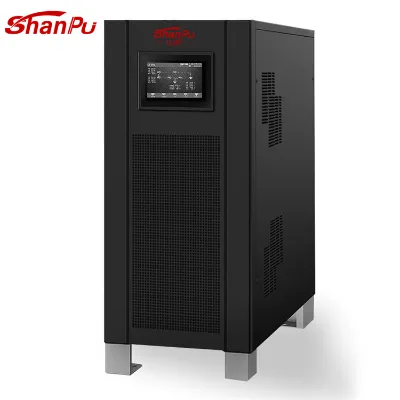
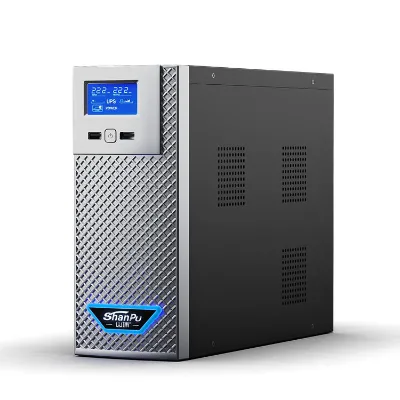
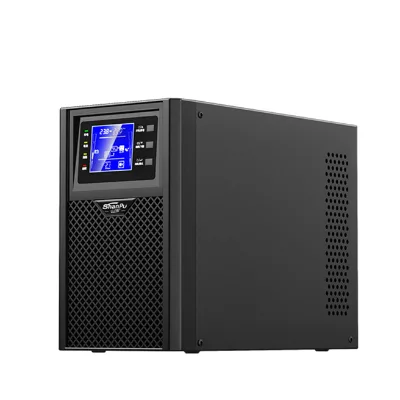
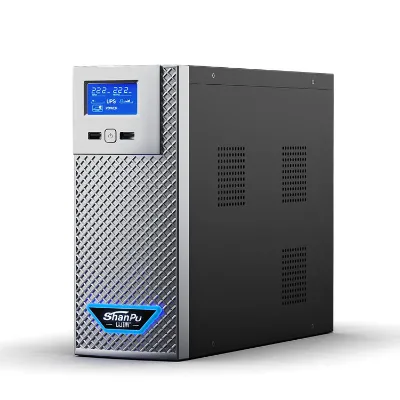
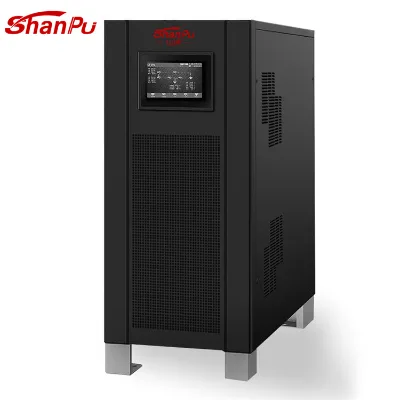
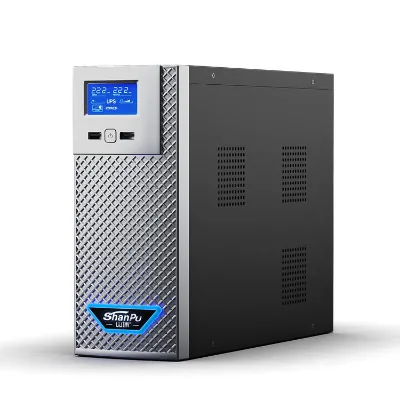
Discount UPS Modified Sine Wave 1500va offline ups
$45.00 - $55.00

Qingdao Powtech Electronics Co., Ltd.
- Verified by TUVRHEINLAND
- Manufacturer/Factory
- China Shandong
- Lead time23 days
- Avg. response≤ 5h
Main productsInsulator, Insulation Piercing Connector, Surge Arrestor, ABC Clamp, Cutout Fuse, Line Hardware, Fiber Optic Cable, Patch Cord, Preformed Guy Grip, PLC Splitter
Main marketsSouth America,Eastern Europe,Mid East,North America,Southeast Asia,Eastern Asia,Oceania,Africa

Shenzhen Xingshengtu Information Technology Co., Ltd.
- Verified by SGS
- Trading Company
- China Guangdong
- Lead time15 days
- Avg. response≤ 3h
Main productsUPS Power System, Storage Battery, Power Distribution Cabinet & Box, Precision Air Conditioner Cooling System, Solar Inverters, Online UPS, UPS, Uninterruptable Power Supply, UPS Battery
Main marketsAfrica,Southeast Asia/ Mideast,Europe
Banatton Technologies (Beijing) Co., Ltd.
- Verified by SGS Group
- Trading Company
- Lead time20 days
- Avg. response≤ 2h
Main productsUPS, Battery, PDU, Voltage Stabilizer, Solar System
Main marketsDomestic Market(25%), South Asia(20%), Southeast Asia(15%)
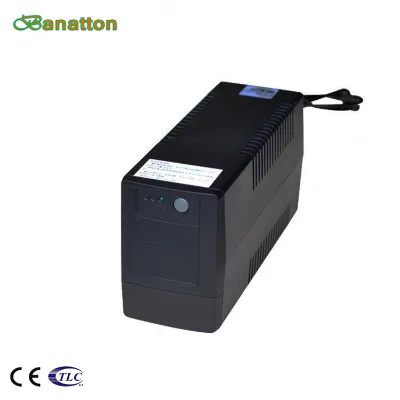
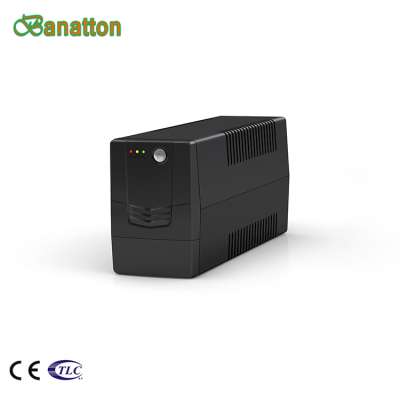
Ups Power System Computer 400~800VA Mini Online Ups
$17.00 - $25.00
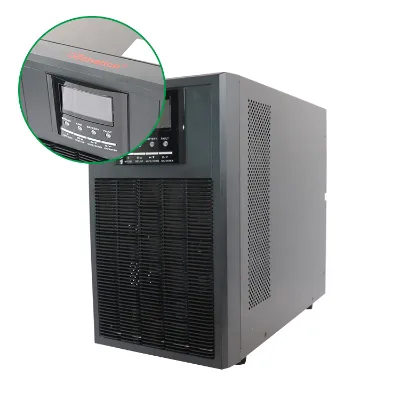
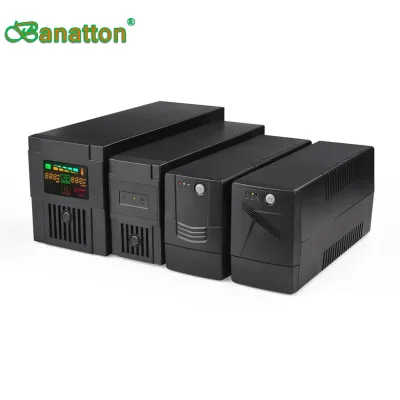
1000Va 1500Va 2000 Va Sine Wave Digital Offline Ups
$70.90 - $81.90
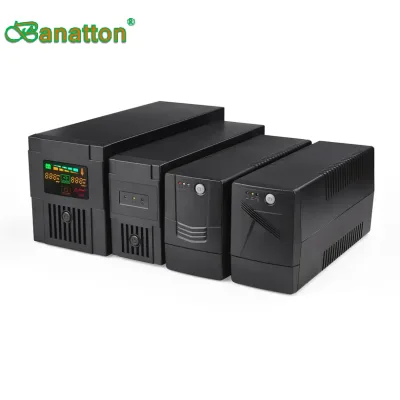
1000Va 1500Va 2000 Va Digital Offline Ups for Industry
$70.90 - $81.90
Foshan Xinchen Electronic Co., Ltd.
- Verified by TüVRheinland
- Manufacturer, Trading Company
- Lead time30 days
- Avg. response≤ 3h
Main productsOffline UPS, Online High Frequency UPS, Online Low Frequency UPS, UPS Batteries, Solar Inverter
Main marketsDomestic Market(45%), Southeast Asia(20%), Eastern Europe(10%)
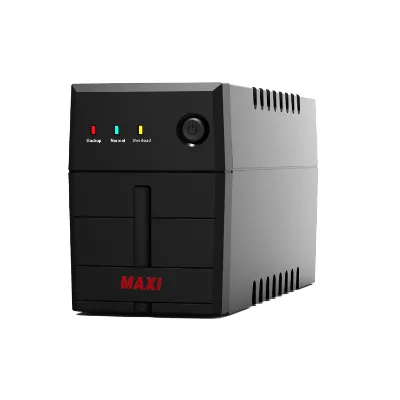
Factory Direct Selling Nobreak Offline Ups 600va 800va Ups
$42.70 - $46.20
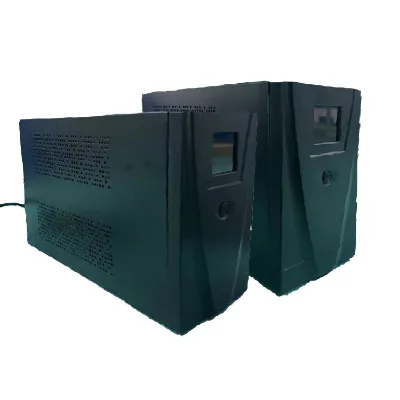
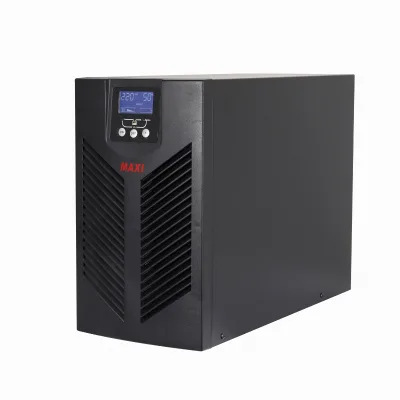
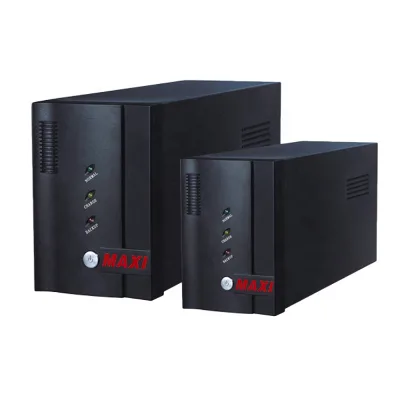
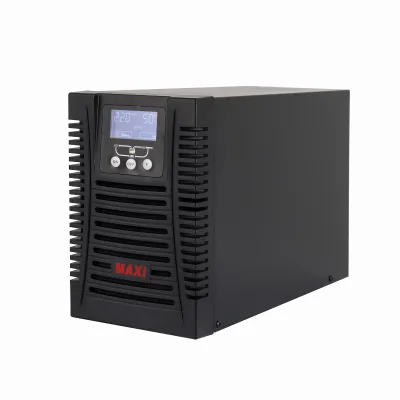
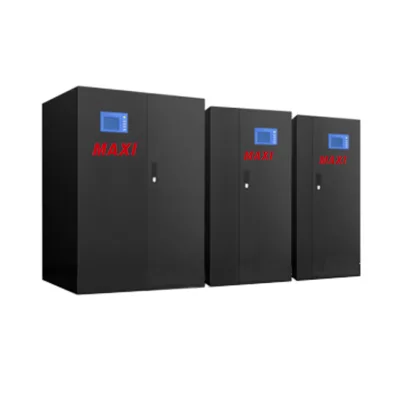
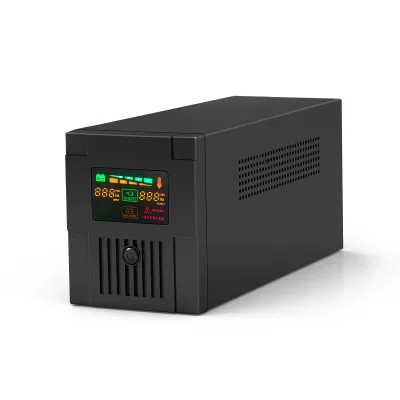
LCD Screen UPS Power Supply USB Monitor 2000va 1800w 220v 50Hz Online UPS
$136.00 - $141.00
MOQ: 1 units
Beijing Reston Technology Co., Ltd.
- Verified by TüVRheinland
- Trading Company
- Lead time7 days
- Avg. response≤ 1h
Main productsUPS, Battery, EATON UPS, APC UPS, Vertiv UPS
Main marketsSouth America(30%), Africa(30%), North America(20%)
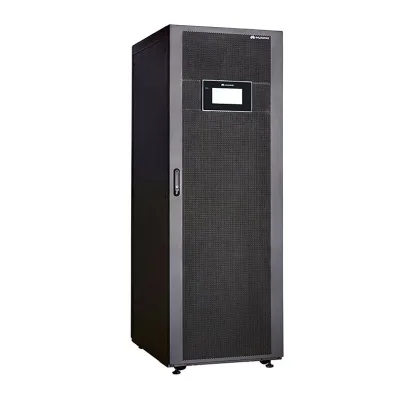
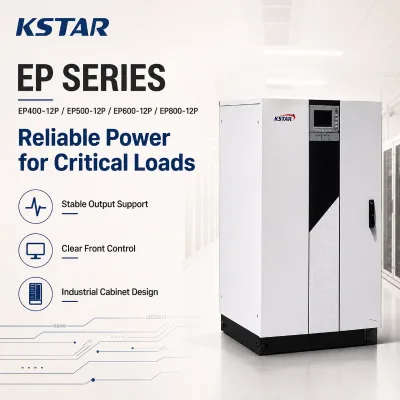
Hua Wei Ups5000-e Modular Ups Backup Power 120kva to 800kva Three Phase UPS5000-E-120K-FM
$6382.996 - $6517.8474
MOQ: 1 units

Guangzhou Daopulse Energy Co., Ltd.
- Trading Company,Manufacturer/Factory
- China Guangdong
- Lead time23 days
- Avg. response≤ 6h
Main productsUPS, UPS Power, UPS Power Supply, Uninterruptible Power Supply, Solar Light, Solar Charger, Solar Power System, Lead Acid Battery, Solar Inverter, Solar Panel
Main marketsSouth America,Eastern Europe,Mid East,North America,Southeast Asia,Eastern Asia,Oceania,Western Europe,Africa

Shenzhen UPSEN Electronic Co., Ltd.
- Verified by TUVRHEINLAND
- Manufacturer/Factory
- China Guangdong
- Lead time15 days
- Avg. response≤ 8h
Main productsUPS, Inverter, Battery, Energy Storage, Solar Power, UPS Power, Portable Power Station, Online UPS, Power Inverter, DC AC Inverter
Main marketsSouth America,Mid East,North America,Southeast Asia,Eastern Asia,Oceania,Western Europe,Africa

6kVA Online UPS Power Supply Pure Sine Wave Output Support Sensitive Electronic Equipment
$475.00 - $485.00
MOQ: 1 Pieces


1000 Va 2000va 3000va 6000va 10000va Uninterruptible Power Supply High Frequency Online UPS
$147.00 - $162.00
MOQ: 1 Pieces


1500va Offline UPS with AVR & Surge Protection for Security Systems CE Certified
$51.00 - $63.00
MOQ: 10 Pieces

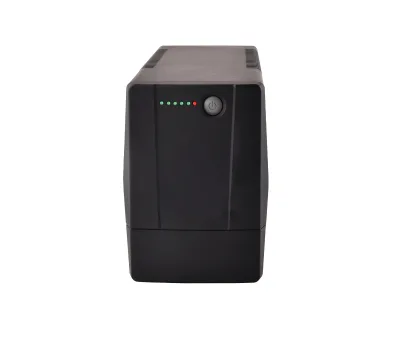
800va/480W Offline UPS with Surge Protection for POS System & Computer CE Certified
$27.00 - $32.00
MOQ: 100 Pieces
- Verified by Intertek
- Manufacturer, Trading Company
- Lead time25 days
- Avg. response≤ 2h
Main productsLine Interactive UPS, Offline UPS, Online UPS, DC UPS, Inverter
Main marketsMid East(30%), Southeast Asia(20%), South America(15%)
$33.90 - $39.90
MOQ: 2 pieces
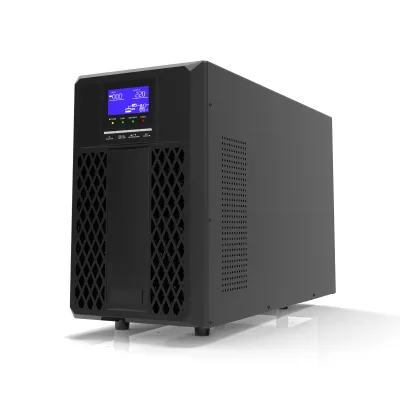
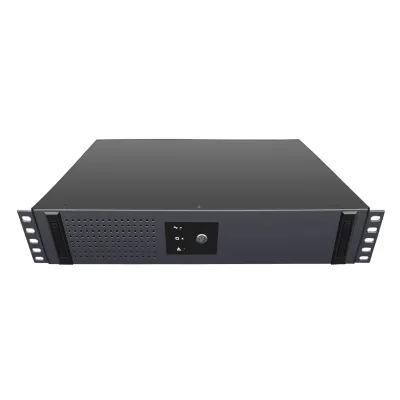
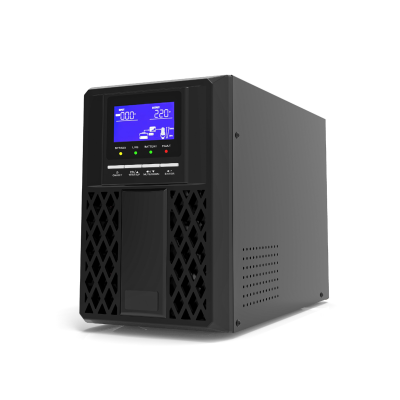
Shenzhen Fenice Power Technology Co., Ltd.
- Manufacturer, Trading Company
- Guangdong, China
- Lead time21 days
- Avg. response≤ 2h
Main productsOnline UPS,Line Interactive UPS,DC UPS,offline ups,Inverter
Main marketsMid East(25.00%), Africa(20.00%), South Asia(10.00%), North America(10.00%), Central America(5.00%), Southeast Asia(5.00%), Eastern Asia(5.00%), Southern Europe(5.00%), Eastern Europe(5.00%), South America(5.00%), Domestic Market(2.00%), Western Europe(2.00%), Northern Europe(1.00%)
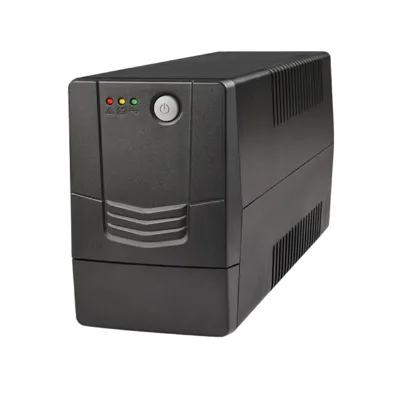
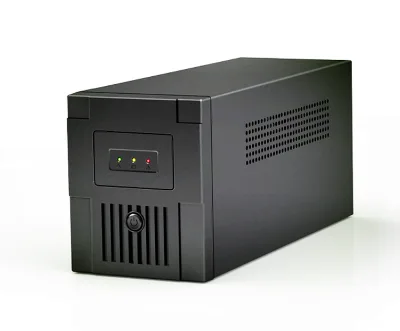
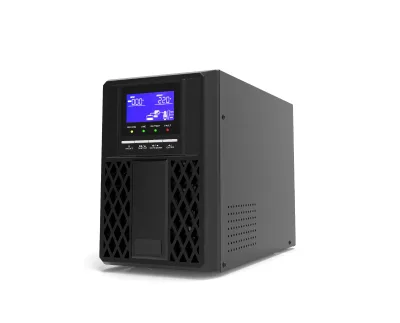
220v Input 110v Output Online Ups 1KVA 900W With Double Conversion zero Millisecond Conversion
$88.88 - $99.88
MOQ: 50 sets
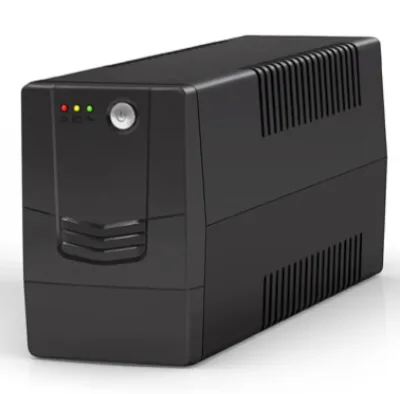
China 850VA Portable Power Station 500w Home Use Ups Dealer Price in Pakistan
$15.50 - $25.50
MOQ: 500 pieces
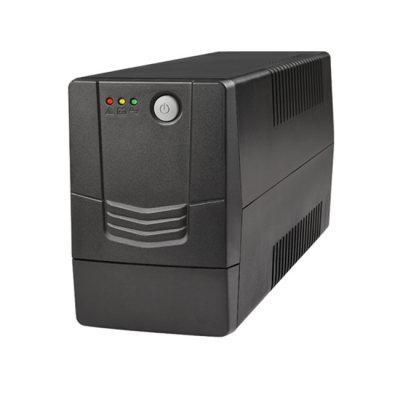
Hot Sale Ups Price 600VA 850 VA 1000 VA 1500VA
$14.00 - $22.00
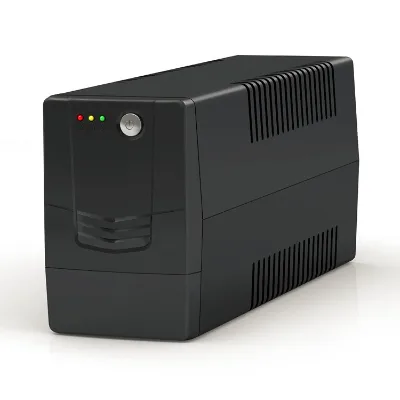
Jiangsu Gso New Energy Technology Co., Ltd.
- Verified by TüVRheinland
- Manufacturer, Trading Company
- Lead time15 days
- Avg. response≤ 1h
Main productsLithium Battery Pack, Energy Storage System, Solar Inverter, Solar System, Industrial & Commercial Energy Storage
Main marketsWestern Europe(33%), Southeast Asia(20%), Mid East(17%)
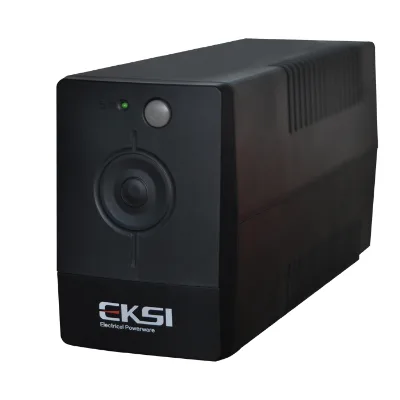
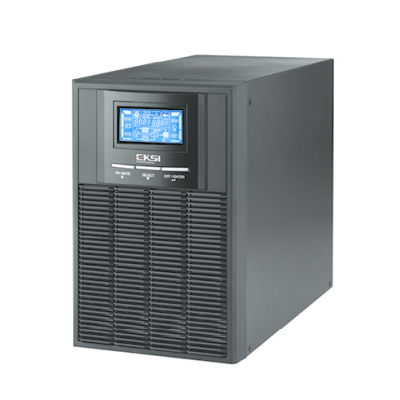
High Quality Online Ups 10kva 220v Ups Price for 30 Computers
$415.00 - $450.00
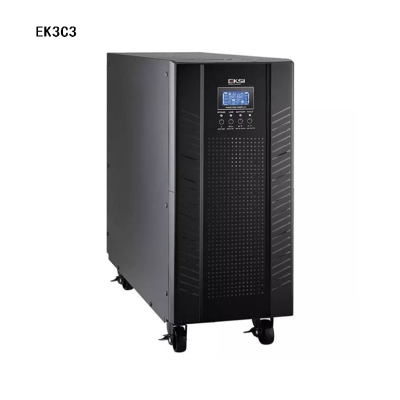
Factory 380 v Ups 10 Kva 3 Phase Online Ups
$1200.00 - $1400.00
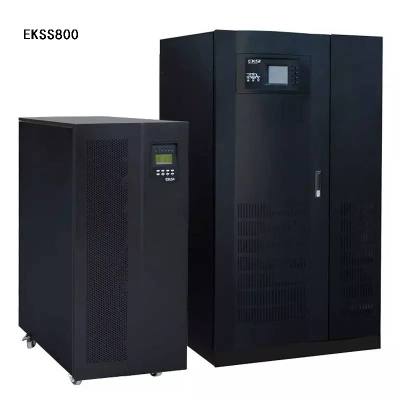
Low Frequency China Manufacturer 3 Phase UPS Lifepo4 Ups 120 Kva Ups Price
$7960.3735 - $8063.755
MOQ: 2 pieces
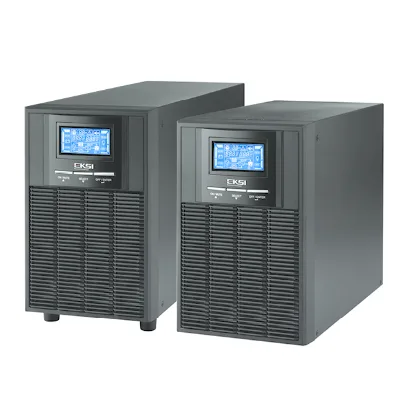
Solar Online Ups 3kva with Factory Price
$155.00 - $165.00
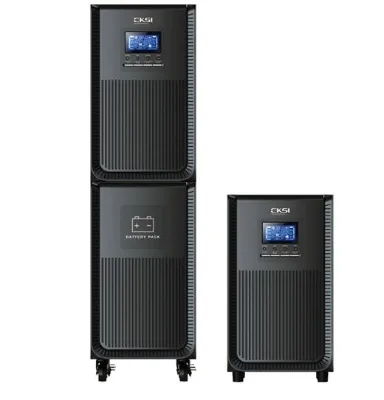

Foshan Kemapower Electronics Co., Ltd.
- Manufacturer/Factory
- China Guangdong
- Lead time30 days
- Avg. response≤ 6h
Main productsUPS Home UPS IPS, Inverter Solar Inverter Hybrid Solar Inverter, Solar Charge Controller Solar Regulator, Battery Charger, Solar Panel, Battery Solar Battery Gel Battery, Solar Power System Solar Generator, Solar Street Light Solar Light Head, off Grid Inverter on Grid Tie Inverter, Inverter Combin Charger
Main marketsSouth America,Eastern Europe,Mid East,North America,Southeast Asia,Eastern Asia,Oceania,Western Europe,Africa


Top-Ranking Offline Computer Backup UPS Circuit Diagram 650va 800va 1kVA Offline UPS Power Supply
$15.00 - $81.26
MOQ: 1 Pieces



Foshan Unipower Electronic Co., Ltd.
- Manufacturer, Trading Company
- Guangdong, China
- Lead time22 days
- Avg. response≤ 6h
Main productsUPS/ Automatic Voltage Regulator/ Inverter/ DC Power Supply,online ups,offline ups,dc ups,lithium battery
Main marketsDomestic Market(35.00%), South Asia(22.00%), Mid East(18.00%), Southeast Asia(9.00%), Eastern Asia(7.00%), Africa(4.00%), Southern Europe(3.00%), South America(2.00%)
- Trading Company
- Lead time旺季: "1 - 10":30,"11 - 500":35,"> 500":"To be negotiated", 淡季: "1 - 10":30,"11 - 500":35,"> 500":"To be negotiated"
- Avg. response≤ 4h
Main productstv stick,tv box,ups,antenna,bms
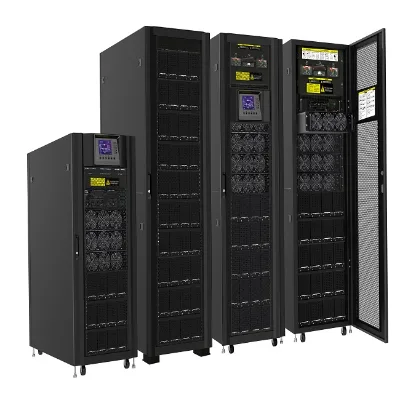
LCD Modular 90k/120k/180k/210k/300kva, China Made Power Modular UPS, Flexible, Stable and Safe
$9671.109 - $9773.9931
MOQ: 1 units

SHENZHEN CITY XINBAOMING MECHANICAL ACCESSORIES CO.,LTD
- Verified by TUVRHEINLAND
- Combined
- China Guangdong
- Lead time15 days
- Avg. response≤ 3h
Main productsVoltage Stabilizer, Voltage Transformer, UPS, Voltage Regulator, Variable Frequency Converter, DC Power Sources, AC Power Source, RF Coaxial Switch, Power Divider, Contact Finger
Main marketsDomestic,Europe

NINGBO KEMAPOWER ELECTRONICS CO., LTD.
- Verified by CTI
- Trading Company,Manufacturer/Factory
- China Zhejiang
- Lead time23 days
- Avg. response≤ 6h
Main productsSolar Power Inverter, Solar Charge Controller, Solar Panel, Solar Battery, MPPT Solar Charge Controller, Solar Mountiong, Bybrid Solar Power Inverter, on Grid Power Inverter, Grid Tie Inverter, LED Street Light
Main marketsSouth America,Eastern Europe,Mid East,North America,Southeast Asia,Eastern Asia,Oceania,Western Europe,Africa


High Efficiency Line Interactive UPS 450va 650va 850va for Home Mini System WiFi Router UPS
$20.00 - $47.00
MOQ: 1 Pieces

High Quality 220V/110V Uninterruptible Power Supply UPS 2kVA/1200W Mini Offline UPS for Computers
$15.00 - $75.00
MOQ: 1 Pieces

China Supplier Mini Line Interactive Computer UPS 500va 600va 1000va 1200va 1500va
$20.00 - $47.00
MOQ: 1 Pieces

500W 640W 800W 1200W Online UPS Double Conversion with Competitive Price
$40.00 - $85.00
MOQ: 1 Pieces


TIANJIN ENERBYTE ELECTRONICS CO., LTD.
- Verified by BV
- Trading Company
- China Tianjin
- Lead time15 days
- Avg. response≤ 6h
Main productsLiFePO4 Battery, Ncm Battery, Lithium Battery, Li-ion Battery, LiFePO4 Battery Pack, Ncm Battery Pack, Lithium Battery Pack, Li-ion Battery Pack, Solar Energy Storage Battery, Lithium Ion Battery for EV
Main marketsNorth America




Comprehensive Sourcing Guide
900W Electronic Equipment UPS Supplier Concentration and Factory Types
The current supplier landscape for 900W Electronic Equipment UPS units reveals a distinct geographic and structural concentration, primarily anchored in China’s Guangdong province. Results indicate that a significant portion of available suppliers operate from this region, which is historically known for its robust electronics manufacturing ecosystem. These entities are classified as "Combined" company types, suggesting they function as trading companies or hybrid entities that may source from multiple factories or manage their own assembly lines. This structure often allows for greater flexibility in product variety, including offline, online, and solar inverters, catering to diverse buyer needs. The presence of suppliers in Guangdong implies a mature supply chain for components like lead-acid batteries and LCD displays, which are frequently cited in product attributes. Buyers evaluating these suppliers should recognize that while the location offers logistical advantages and component accessibility, the "Combined" status requires careful due diligence to ensure direct factory access or quality control measures are in place. The concentration in this specific province highlights the region's dominance in consumer-grade and small-to-medium industrial power solutions, making it a primary hub for sourcing 900W UPS units.
In contrast to the Guangdong-heavy results, other suppliers are identified in China’s Jiangsu province, representing a different manufacturing profile. These entities are explicitly labeled as "Manufacturer" company types, indicating a direct production capability rather than a trading intermediary role. This distinction is critical for buyers seeking direct factory relationships, potentially for better margin control or customized engineering support. The Jiangsu-based suppliers often focus on larger scale or modular solutions, such as 60-900kVA modular UPS systems, which suggests a specialization in industrial-grade power infrastructure rather than just small consumer units. However, the availability of 900W specific products from these manufacturers indicates they may also serve the smaller equipment market. The coexistence of "Combined" and "Manufacturer" types across different provinces provides buyers with a spectrum of options, from flexible trading partners to dedicated production facilities. Understanding this dichotomy helps in aligning supplier selection with specific business goals, whether prioritizing product diversity and speed or seeking direct manufacturing control and industrial scalability.
How to Verify 900W Electronic Equipment UPS Suppliers
Verification of suppliers for 900W Electronic Equipment UPS units requires a multi-layered approach that goes beyond basic profile checks. One critical step is examining third-party verification badges, such as BV (Bureau Veritas), which appear in the current results. This verification adds a layer of credibility regarding the supplier’s business legitimacy and operational capabilities. Buyers should prioritize suppliers who display such independent audit results, as it reduces the risk of engaging with fraudulent entities. Additionally, checking for system certifications like ISO9001:2015 and ISO14001:2015 is essential. These certifications indicate that the supplier adheres to international quality management and environmental standards, which is particularly important for electronic equipment that involves battery handling and power conversion. The presence of these certificates suggests a structured approach to manufacturing and quality control, which can be a strong indicator of product reliability. Buyers should request copies of these certificates and verify their validity through the issuing bodies to ensure they are current and applicable to the specific products being sourced.
Beyond certifications, assessing the supplier’s response time and communication efficiency is a practical verification method. The current data shows response times ranging from approximately 4.57 to 6.02, which serves as a metric for operational responsiveness. A faster response time often correlates with a more active sales team and better customer service infrastructure, which is crucial for resolving technical queries or order issues promptly. Buyers should test this by sending detailed inquiries about specific 900W UPS models, asking for technical datasheets, customization options, and production schedules. The quality and speed of the reply can reveal much about the supplier’s professionalism and technical competence. Furthermore, verifying the supplier’s claimed capabilities, such as OEM/ODM services, by requesting case studies or previous client references can provide insight into their actual manufacturing prowess. For manufacturers, confirming their factory size and equipment through video calls or third-party inspections can further validate their claims. This holistic verification process ensures that the selected supplier is not only legitimate but also capable of meeting specific quality and service expectations.
What to Compare Across 900W Electronic Equipment UPS Suppliers
When comparing suppliers for 900W Electronic Equipment UPS units, lead time is a pivotal factor that impacts inventory management and project timelines. The observed data indicates lead times of 15 days for some suppliers and up to 30 days for others. This variance can significantly influence purchasing decisions, especially for buyers with tight delivery schedules or those operating in just-in-time inventory environments. Suppliers with shorter lead times, such as the 15-day option, may be preferable for rapid restocking or urgent orders, while those with longer lead times might offer more competitive pricing or specialized customization options. Buyers should clarify whether these lead times include production, testing, and shipping preparation, and if they are consistent during peak seasons. Understanding the factors driving these differences, such as stock availability of components like batteries or circuit boards, can help in negotiating more favorable terms or planning orders more effectively.
Another critical dimension for comparison is the Minimum Order Quantity (MOQ) and pricing structure. Current results show MOQs ranging from 1 unit to 10 units, with prices varying from $30 to $140 depending on the model and specifications. This wide range in MOQs accommodates different buyer scales, from small businesses testing the market to large enterprises placing bulk orders. Suppliers with an MOQ of 1 offer flexibility for sampling or small-scale deployments, while those requiring 10 units may offer better per-unit pricing for larger volumes. Buyers should analyze the price-to-MOQ ratio to determine the most cost-effective option for their specific order size. Additionally, comparing product attributes such as warranty periods (e.g., 1 year), battery types (maintenance-free lead-acid), and protection features (overvoltage, short circuit) is essential. Suppliers offering longer warranties or more advanced protection mechanisms may justify higher prices. Evaluating these factors holistically allows buyers to select a supplier that balances cost, volume, and technical requirements effectively.
Common 900W Electronic Equipment UPS Sourcing Risks
One significant risk in sourcing 900W Electronic Equipment UPS units is the potential discrepancy between advertised specifications and actual product performance. Buyers must be cautious of vague product descriptions that lack detailed technical parameters. For instance, while some products claim "Long-acting Machine" standby times, the actual duration can vary based on load and battery condition. Without clear, standardized testing data, buyers may receive units that do not meet their critical power backup requirements. This risk is exacerbated when dealing with "Combined" suppliers who may not have direct control over manufacturing processes. To mitigate this, buyers should insist on detailed technical datasheets that specify input/output voltage ranges, transfer times (e.g., 0ms for online UPS), and battery charging times. Requesting sample units for independent testing before placing large orders is a prudent step to verify that the product meets the claimed specifications. This due diligence helps avoid costly mismatches between expected and actual performance, ensuring that the UPS units provide reliable power protection for sensitive electronic equipment.
Another risk involves the variability in build quality and component sourcing, particularly regarding batteries and internal circuitry. The current results mention various battery types, such as maintenance-free lead-acid batteries, but do not specify the brand or grade of these components. Lower-quality batteries can lead to shorter lifespans and reduced performance, impacting the overall reliability of the UPS unit. Additionally, differences in protection features, such as overvoltage or short-circuit protection, can vary significantly between suppliers. Buyers should verify the quality of these components by asking for supplier certifications for the batteries and other critical parts. Engaging with suppliers who provide transparent information about their supply chain and component sourcing can help mitigate this risk. Furthermore, buyers should be aware of the potential for inconsistent packaging and shipping damage, especially for units with fragile LCD displays or external battery configurations. Ensuring that suppliers use robust packaging, such as cardboard with PE foam, can help protect the units during transit. Clear communication about packaging standards and insurance coverage for shipping damage is essential to minimize logistical risks.
900W Electronic Equipment UPS Regional Sourcing and Logistics
Sourcing 900W Electronic Equipment UPS units from China’s Guangdong province offers distinct logistical advantages due to its established infrastructure and proximity to major shipping ports. Suppliers in this region benefit from a dense network of logistics providers, which can facilitate faster and more cost-effective shipping options. The concentration of electronics manufacturers in Guangdong also means that buyers can often access a wider variety of products and components, reducing lead times for sourcing and assembly. However, buyers should be mindful of regional logistics nuances, such as potential congestion during peak seasons or holidays, which can impact delivery schedules. Working with suppliers who have experience in international shipping and can provide accurate shipping estimates is crucial. Additionally, understanding the export regulations and documentation requirements for electronic equipment, including batteries, is essential to ensure smooth customs clearance. Suppliers in Guangdong are typically well-versed in these processes, but buyers should confirm that all necessary export documents, such as certificates of origin and battery transport safety declarations, are provided.
In contrast, sourcing from suppliers in China’s Jiangsu province may involve different logistical considerations, particularly for larger or modular UPS systems. While Jiangsu is also a major manufacturing hub, the specific logistics networks and port access may differ from Guangdong. Buyers should assess the supplier’s experience in handling international shipments, especially for heavier or larger units like modular UPS systems. The current results indicate that some Jiangsu suppliers focus on industrial-grade products, which may require specialized handling and packaging. Buyers should inquire about the supplier’s shipping methods, such as sea freight versus air freight, and the associated costs and transit times. Additionally, considering the impact of regional trade policies and tariffs is important for cost planning. Suppliers in Jiangsu may have different relationships with logistics providers, which can affect shipping reliability and cost. By evaluating the logistical capabilities of suppliers in both regions, buyers can choose the most suitable option based on their specific shipping needs, budget constraints, and delivery timelines.
900W Electronic Equipment UPS Commercial Terms and Order Planning
Commercial terms for 900W Electronic Equipment UPS units vary significantly based on the supplier’s pricing structure and order volume. Current data shows price ranges from $30 to $140, with MOQs from 1 to 10 units. Buyers should negotiate terms that align with their budget and inventory strategy. For small orders, suppliers with low MOQs and competitive per-unit prices are ideal, while larger orders may benefit from volume discounts offered by suppliers with higher MOQs. It is crucial to clarify whether the quoted prices include taxes, shipping, and insurance, as these can significantly impact the total cost. Additionally, understanding the payment terms, such as deposit requirements and balance payment schedules, is essential for cash flow management. Suppliers may offer different payment options, including letters of credit or escrow services, which can provide security for both parties. Buyers should evaluate these terms to ensure they are favorable and secure, minimizing financial risk while maintaining a positive supplier relationship.
Order planning for 900W UPS units should also consider the supplier’s production capacity and customization capabilities. The current results indicate that many suppliers offer OEM/ODM services, allowing for customized branding and specifications. Buyers planning for large-scale deployments or specific market needs should engage with suppliers early in the process to discuss customization options and lead times. Understanding the supplier’s production schedule and capacity helps in planning orders to avoid delays, especially during peak demand periods.
FAQs
What does a 900W Electronic Equipment UPS protect my devices from?
A 900W UPS keeps computers, networking gear, and sensitive electronics running through power interruptions and protects them from overvoltage, overload, and short-circuit events. On-line models deliver a pure sine wave with 0ms transfer time, so connected equipment never loses power. Line-interactive and offline models provide backup and basic voltage regulation at a lower cost.
Should I choose an online or line-interactive 900W UPS?
Choose an online double-conversion UPS for servers, medical devices, and data equipment that needs zero transfer time and clean output power. Choose a line-interactive or offline 900W UPS for office computers, printers, and cameras where standard backup is sufficient. Online units typically cost more but handle wider input voltage ranges and harsher grid conditions.
Do 900W UPS units come with batteries included?
Many 900W UPS units ship without batteries but accept custom battery configurations, since buyers often want specific runtime or battery brands. Check whether the listed price includes a maintenance-free lead-acid battery or only the UPS tower. External battery models let you extend backup time by adding battery cabinets, which suits longer-acting standby requirements.
What input and output voltage ranges do 900W UPS models support?
Online 900W models commonly accept a wide input range such as 115-300VAC and output 220V at 50Hz or 60Hz, with some units designed for 110-130V input. Line-interactive versions may offer 110V or 220V input selection. Always confirm the input window matches your local grid stability before ordering, since wide-range tolerance reduces battery switching.
What is the typical MOQ and price for 900W UPS sourcing?
Listed 900W-class UPS products range from roughly 30 to 140 USD per unit depending on topology, with offline and line-interactive models at the lower end and online units higher. Minimum order quantities vary from 1 piece for online models to 10 pieces for offline backup units. Sample orders are common before bulk commitment.
How fast can suppliers ship a 900W UPS order?
Lead times among UPS manufacturers in this category commonly range from about 15 days to 30 days depending on order size and customization. Smaller standardized orders ship faster, while custom battery configurations or OEM branding extend production. Confirm the quoted lead time in writing and ask whether it covers battery procurement and pre-shipment testing.
Can suppliers provide ODM or OEM customization for 900W UPS units?
Many UPS suppliers offer ODM, OEM, and own-brand manufacturing capabilities, covering custom logos, housings, battery configurations, and packaging. Customization is frequently marked as available on individual product listings. Provide your target specifications, such as input range, display type, and packing requirements, early so the factory can confirm feasibility, tooling costs, and revised lead times.
What certifications and warranty should I verify for 900W UPS orders?
Look for ISO9001:2015 and ISO14001:2015 quality and environmental system certifications at the factory level, plus product safety certificates relevant to your destination market. Most 900W UPS listings carry a one-year warranty covering manufacturing defects. Verify warranty scope in writing, including battery coverage terms, and request test reports before confirming a bulk purchase order.