9V 9W Power Adapter Suppliers and Manufacturers
Source 19 verified suppliers for 9V 9W Power Adapter units from Guangdong, China. Compare ISO 9001 certified factories with 15-day lead times and TUVRHEINLAND verification. Request quotes to evaluate pricing and customization options; review the available evidence before requesting comparable quotations from suitable candidates.
Updated
Suppliers List

Shenzhen Merryking Electronics Co., Ltd.
- Verified by TUVRHEINLAND
- Manufacturer/Factory
- China Guangdong
- Lead time15 days
- Avg. response≤ 4h
Main productsPower Adapter, AC Adapter, AC DC Adapter, DC Adapter, Switch Power Supply, USB Charger, AC/DC Adapter, DC Adapter Manufacturer / Supplier in China, Pd Charger, Power Adapter Manufacturer
Main marketsSouth America,Eastern Europe,North America,Southeast Asia,Eastern Asia,Oceania,Western Europe
Shenzhen Feng Chipsource Electronic Co., Ltd.
- Manufacturer, Trading Company, Distributor/Wholesaler
- Guangdong, China
- Lead time2 days
- Avg. response≤ 8h
Main productsIntegrated Circuit,Electronic Components,Development Board,Wifi module,Bluetooth module
Main marketsNorth America(20.00%), Northern Europe(16.00%), Southern Europe(10.00%), South America(10.00%), Western Europe(10.00%), Eastern Europe(10.00%), Domestic Market(3.00%), South Asia(3.00%), Oceania(3.00%), Africa(3.00%), Central America(3.00%), Southeast Asia(3.00%), Eastern Asia(3.00%), Mid East(3.00%)

Ninghai Yingjiao Electrical Co., Ltd.
- Verified by BV
- Combined
- China Zhejiang
- Lead time30 days
- Avg. response≤ 23h
Main productsAdapter, Power Adapter, AC/DC Adapter, Power Supply, Battery Charger, AC Adapter, CCTV Power Supply, Linear Power Adapter, LED Driver, Switching Power Adaptor
Main marketsEurope,North America
Shenzhen Merryking Electronics Co., Ltd.
- Manufacturer, Trading Company
- Lead time旺季: "1 - 3":10,"4 - 1000":20,"> 1000":"To be negotiated", 淡季: "1 - 3":10,"4 - 1000":20,"> 1000":"To be negotiated"
- Avg. response≤ 2h
Main productsPower Adapter/Switching Power Supply/AC DC Adapter, USB Charger/PD Charger

Guangdong MYIXI Technology Co., Ltd.
- Verified by BV
- Combined
- China Guangdong
- Lead time30 days
- Avg. response≤ 1h
Main productsPower Adapter, AC Adapter, DC Adapter, Power Supply, Switching Power Supply, Charger, Power Adaptor, Travel Power Adapter, Server Power Adapter, Power Supply Company
Main marketsSouth America,Africa,Southeast Asia/ Mideast,East Asia(Japan/ South Korea),Domestic,Europe,Australia,North America
Guangzhou Jiaguote Electronic Technology Co., Ltd.
- Manufacturer, Trading Company
- Guangdong, China
- Lead time0 days
- Avg. response≤ 10h
Main productsAdaptor for laptop,batteries for laptop,laptop accessories,Switching power supplies,Chargers & Adapters
Main marketsSouthern Europe(8.33%), Northern Europe(8.33%), Central America(8.33%), Western Europe(8.33%), Eastern Asia(8.33%), Mid East(8.33%), Oceania(8.33%), Africa(8.33%), Southeast Asia(8.33%), Eastern Europe(8.33%), South America(8.33%), North America(8.33%)
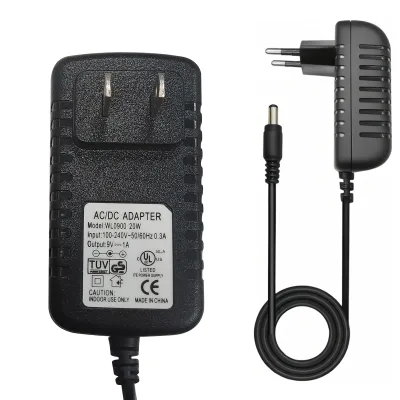
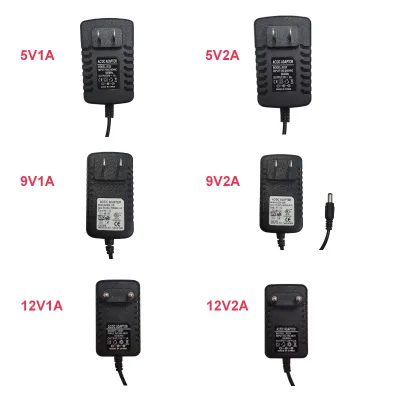
Portable Wall-mount 5V1A 5V2A 9V1A 9V2A 12V1A 12V2A 5.5*2.5MM Ac to Dc Power Adapter Supply Charger
$1.05 - $1.50
MOQ: 10 Minimum

Shenzhen Gofern Electronic Co., Ltd.
- Verified by BV
- Combined
- China Guangdong
- Lead time23 days
- Avg. response≤ 11h
Main productsPower Adapter, Switching Power Supply, UPS Power Supply, Power Supply, Converter, Charger
Main marketsSouth America,Europe,Australia,North America


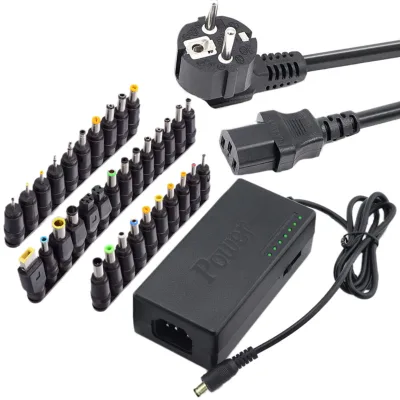
Factory OEM 12W 2A Power Supply Adapter with Plug 5521 DC 12V 5V 1A Adapter
$0.99 - $2.50
MOQ: 5 Pieces
Shenzhen Hengye Technology Co., Ltd.
- Verified by SGS Group
- Trading Company
- Lead time10 days
- Avg. response≤ 2h
Main productsCar Charger, Wall Charger, Wireless Charger, USB Cable, Bluetooth Earbuds
Main marketsNorth America(35%), Western Europe(25%), Northern Europe(10%)
GOOD OPPORTUNITY ELECTRONIC CO., LTD.
- Trading Company
- Taiwan, China
- Lead time0 days
- Avg. response≤ 5h
Main productsmedical power supply,switching power adapter,USB charger,open frame adapter,desktop adapter
Main marketsNorth America(45.00%), Domestic Market(25.00%), South Asia(15.00%), Eastern Asia(10.00%), Northern Europe(5.00%)
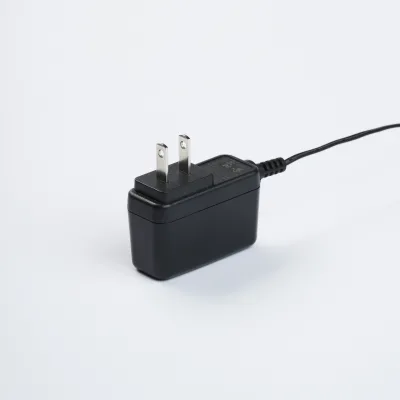
OEM manufacturer high reliability 5V, 9V , 12V outdoor power supply adapter
$2.20 - $2.50
MOQ: 1 boxes
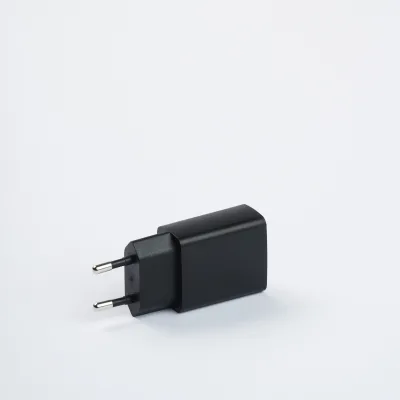
EU 5V 2A 10W power adapter USB output
$1.35 - $1.65

Shantou Chuangkesheng Electronic Technology Co., Ltd
- Verified by SGS
- Combined
- China Guangdong
- Lead time23 days
- Avg. response≤ 4h
Main productsPower Adapter, Power Supply, USB Cable/ Data Cable, Power Cord, Charger
Main marketsSouth America,Europe

Direct Sale Portable 9V 1A Adjustable Power Adapters 9V 9W AC Adapter Supplies Power Supply
$0.84 - $1.08
MOQ: 500 Pieces

5V2a 10W Power Adapter with Plug-in Connection Product Type Power Adapter
$0.84 - $1.08
MOQ: 500 Pieces

10W Adapter Frontpower 5V 2A Switching Power Supply CE Adapter Interchangeable Adapter
$0.94 - $1.49
MOQ: 500 Pieces


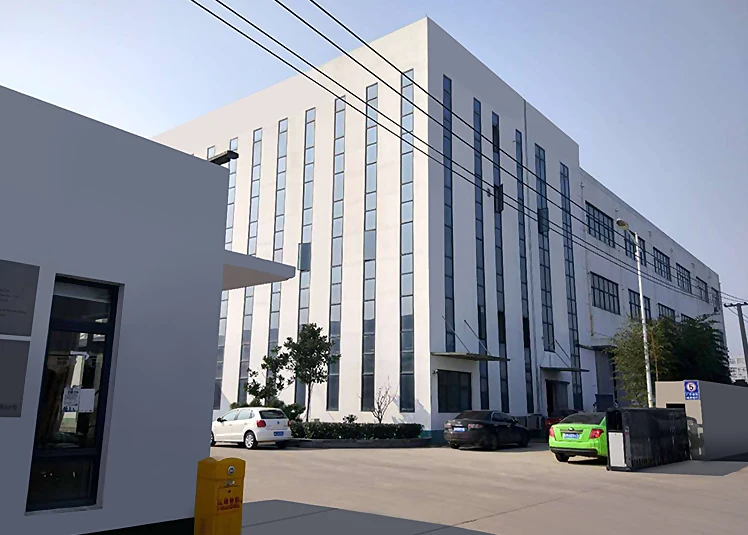
Guangzhou Jinyuanhua Trading Co., Ltd.
- Manufacturer, Buying Office, Distributor/Wholesaler
- Guangdong, China
- Lead time15 days
- Avg. response≤ 8h
Main productsAudio cable,wire rod,alligator clip,video line,Microphone
Main marketsAfrica(0.30%)
Shenzhen Lianxinyuan E-Commerce Co., Ltd.
- Manufacturer, Trading Company, Distributor/Wholesaler, Other
- Guangdong, China
- Lead time3 days
- Avg. response≤ 1h
Main productsTraffic tools,charger,Electronic products,integrated circuit,Solar products
Main marketsNorth America(30.00%), Northern Europe(15.00%), South America(15.00%), South Asia(10.00%), Southern Europe(10.00%), Eastern Europe(10.00%), Western Europe(10.00%)
Shantou Chuangkesheng Electronic Technology Co., Ltd.
- Verified by SGS Group
- Manufacturer, Trading Company
- Lead time7 days
- Avg. response≤ 2h
Main productsPower Adapter, Power Supply, USB Cable
Main marketsSoutheast Asia(30%), South America(20%), Western Europe(20%)
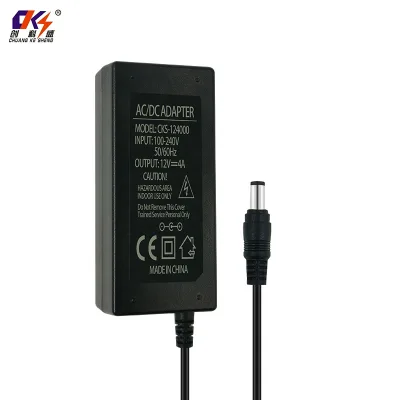
Wide Voltage Range 12V 4A Power Adapter Stable Operation Over a Wide Voltage Range
$1.9789 - $2.2245
MOQ: 5 pieces

Dongguan Tentop Electronics Co., Ltd.
- Verified by TUVRHEINLAND
- Combined
- China Guangdong
- Lead time15 days
- Avg. response≤ 4h
Main productsUSB Expansion USB Charger USB Hub, Industrial USB 3.0 Hub, USB 3.0 Hub with ESD Protection, USB Hub for Data and Charging, Customization for Industrial USB Hub, R&D for Industrial USB Hub, Pd Fast USB Charger with Low Temperature, High Wattage Pd USB Charger, Multi-Port Pd Industrial USB Charger, High Power Pd USB Charger with Full Protection
Main marketsSoutheast Asia/ Mideast,Domestic
Shenzhen Merryking Electronics Co., Ltd.
- Verified by SGS Group
- Manufacturer, Trading Company
- Lead time20 days
- Avg. response≤ 3h
Main productsPower Adapter/Switching Power Supply/AC DC Adapter, USB Charger/PD Charger
Main marketsNorth America(30%), Eastern Europe(11%), Western Europe(11%)
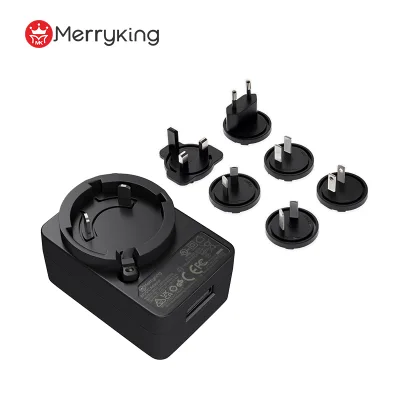
$2.54 - $3.20
MOQ: 500 pieces
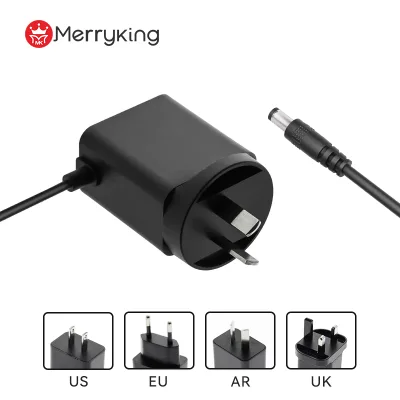
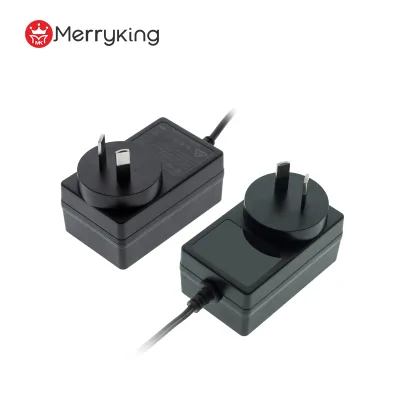
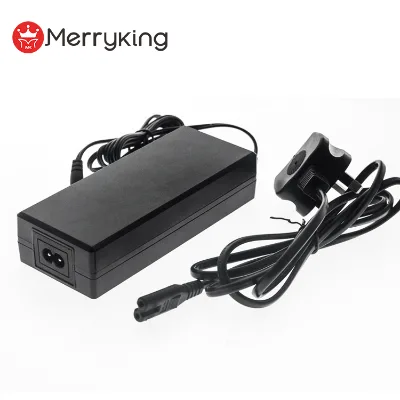
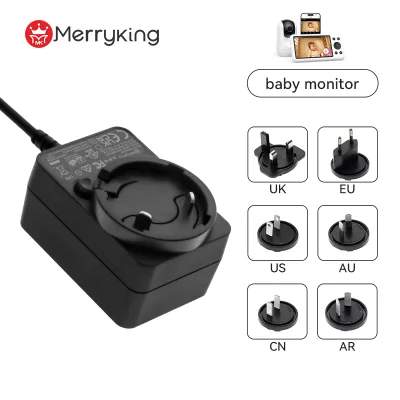
$0.782 - $1.9849
MOQ: 100 Minimum
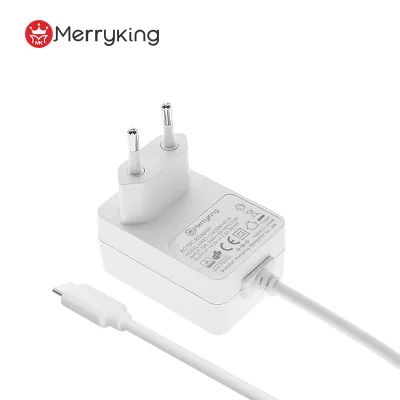
$0.76 - $1.93
MOQ: 100 Minimum
SHENZHEN SUNSHINE TECHNOLOGICAL CO., LIMITED
- Verified by SGS Group
- Manufacturer, Trading Company
- Lead time20 days
- Avg. response≤ 3h
Main productsPower Adapter, Fast Charger, Type C Charger, USB Charger, Switching Power Supply
Main marketsNorth America(20%), Southeast Asia(10%), Domestic Market(10%)

- Verified by TUVRHEINLAND
- Manufacturer/Factory
- China Guangdong
- Lead time15 days
- Avg. response≤ 2h
Main productsAdapter, Power Adapter, LED Adapter, Power Supply, Charger, Battery Charger, Laptop Charger, Adaptor, MacBook Charger, Pd Charger
Main marketsSouth America,Eastern Europe,Mid East,North America,Southeast Asia,Eastern Asia,Oceania,Western Europe,Africa

AC DC Adaptor/Adapter Charger Power Supply 9V 1A 1.5A 2A 3A 12V 1A 1.5A 2A 2.5A 3A
$0.95
MOQ: 1000 Pieces

ShenZhen Haifyer Technology Co., Limited.
- Verified by SGS Group
- Trading Company
- Lead time10 days
- Avg. response≤ 2h
Main productsPower Adapter, Battery Charger , Switching Power Supply, Custom Made Adapter, USB Charger
Main marketsNorth America(40%), Western Europe(40%), Eastern Asia(10%)
Shenzhen Anxiaoyuan Technology Co., Ltd.
- Verified by SGS Group
- Manufacturer, Trading Company
- Lead time0 days
- Avg. response≤ 7h
Main productsPower Supply, Adapter




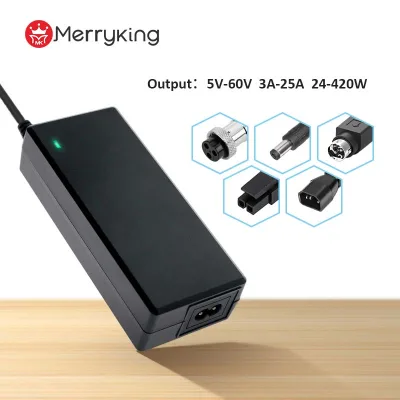
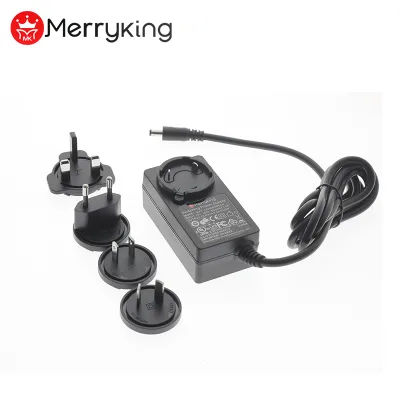
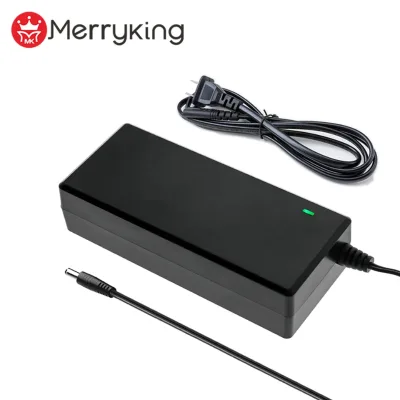
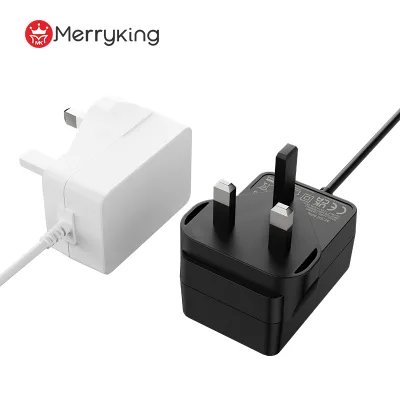
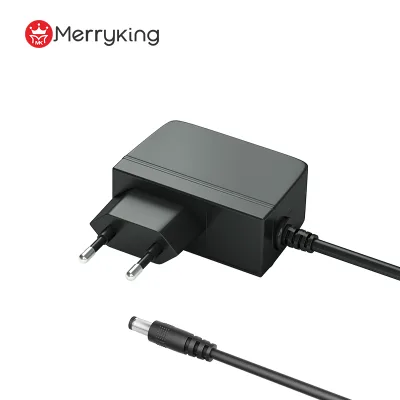
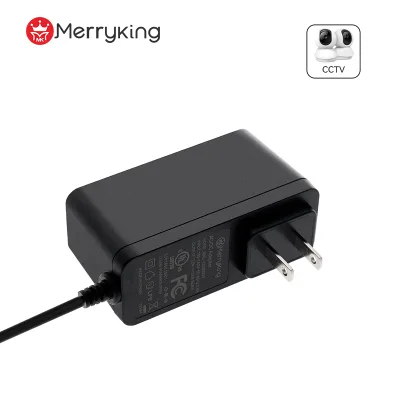


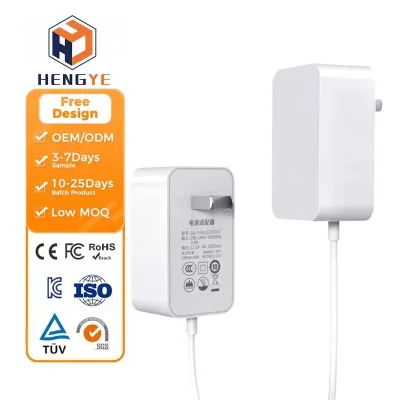
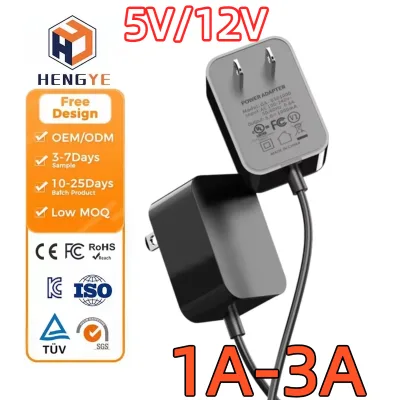
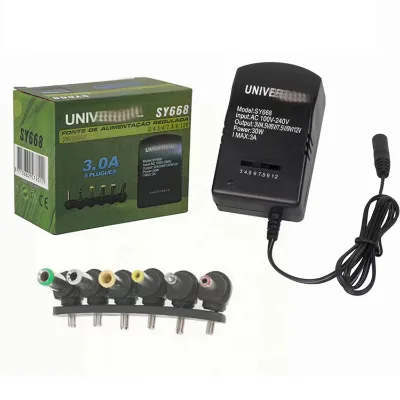
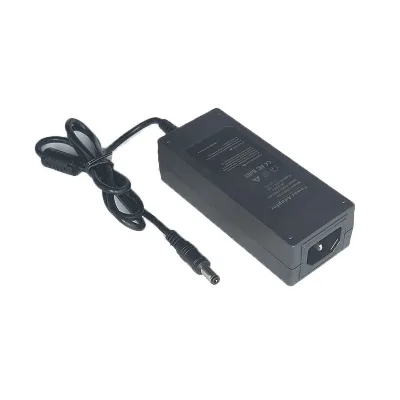
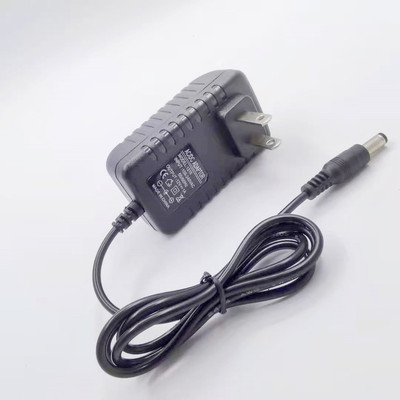
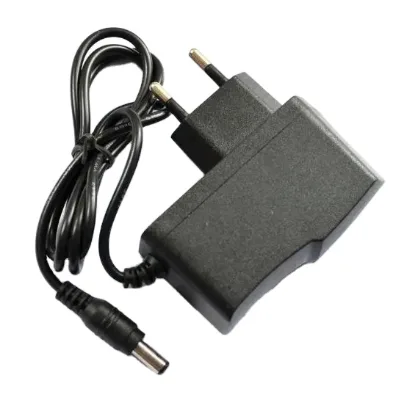


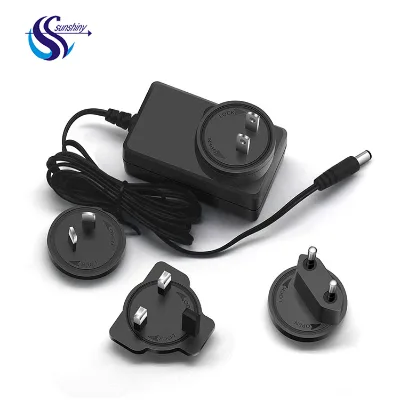
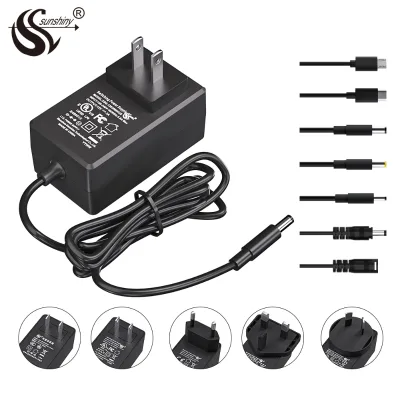
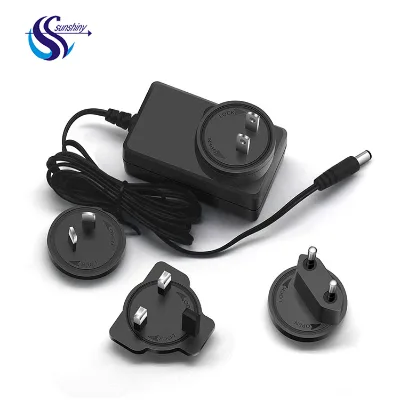
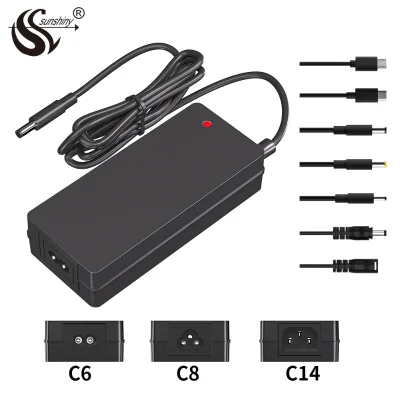
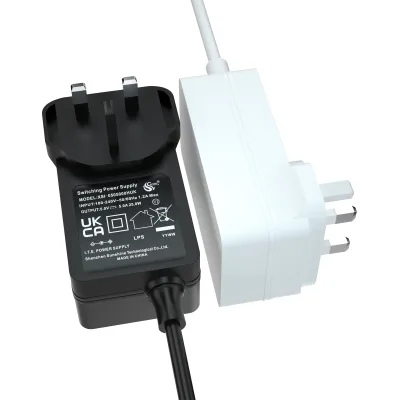
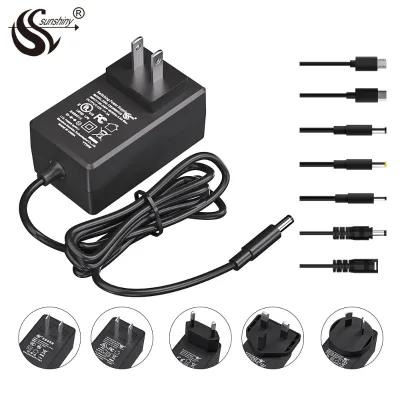
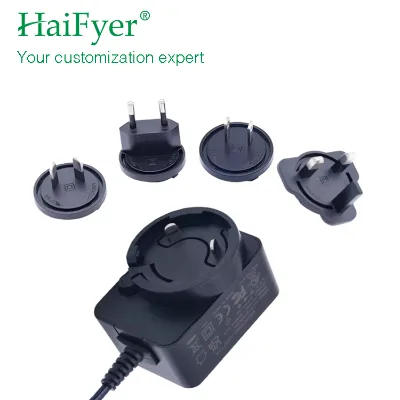
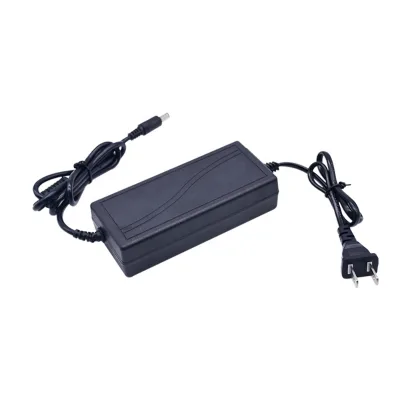
Comprehensive Sourcing Guide
9V 9W Power Adapter Supplier Concentration and Factory Types
Suppliers of a 9V 9W Power Adapter are heavily represented in Guangdong, China, which appears consistently as a location across supplier results in this category. Within Guangdong, adapter manufacturing tends to cluster around the broader electronics supply chain, since power adapters share component sources, plug molds and certification testing pathways with chargers and switching power supplies. When you screen candidates, treat the listed province or city as a starting filter rather than proof of factory depth: a supplier registered in Guangdong may operate its own production line, or may assemble and package units bought from a neighboring factory. Ask directly whether the address on the business license is the same address where winding, soldering, assembly and aging tests take place.
Factory types in this category generally fall into three groups. First, manufacturer/factory suppliers whose main products center on power adapters, AC/DC adapters, switch power supplies and USB chargers; these are the most likely to support custom output ratings, plug types and private labeling. Second, combined manufacturer and trading companies that list adapters alongside electronic components, modules or development boards; they can be convenient for small mixed orders but may not control production. Third, distributors and wholesalers who resell standard models, useful for sample quantities but weaker for customization. Match the supplier type to your order profile before comparing prices, because a factory quote and a reseller quote rarely describe the same scope of service.
How to Verify 9V 9W Power Adapter Suppliers
Verification for a power adapter should focus on three layers: business identity, production capability and product compliance. For identity, check whether the supplier is marked as verified by a third-party inspection organization; some listings in this category display TÜV Rheinland verification, which is a meaningful signal that the company was audited on site. Cross-check the company name, registered address and business scope against the license documents the supplier provides, and confirm the legal entity name will appear on your invoice and contract. For capability, ask for photos or a live video walkthrough of the assembly and aging-test areas, and request the factory's ISO 9001 certificate where claimed; some suppliers in this category also list ISO 14001.
Product compliance deserves the most scrutiny because adapters are safety-critical. A 9V 9W adapter should carry region-specific approvals relevant to your market, such as CE, FCC, UL, GS, SAA or PSE, and you should verify certificate numbers against the issuing body's public database rather than accepting PDFs at face value. Ask which certificate covers the exact model you are buying, since a certificate for a different output rating does not transfer automatically. Also request a recent test report showing no-load power consumption, leakage current and efficiency figures. If a supplier cannot produce documentation linking the model number on the report to the model number on your quotation, treat the compliance claim as unconfirmed and keep verification open.
What to Compare Across 9V 9W Power Adapter Suppliers
Build a comparison sheet using the attributes actually displayed on supplier profiles, without assuming every supplier publishes every field. Useful dimensions include: company type (manufacturer/factory versus trading company or distributor), location, main product lines, system certifications, third-party verification status, average response time, and stated lead time. In the current results, response times range from under four hours to around eight hours, and stated lead times range from roughly two days to about fifteen days, which illustrates how widely these figures can vary even within one category; always confirm the lead time applies to your specific quantity and customization level rather than a stock item.
Then compare product-level evidence. Examine each candidate's listed adapter models for input voltage range (for example 100–240V), output rating, DC plug type, protection features such as OVP, OCP, SCP and OTP, efficiency class, warranty length, packing format and certifications. Where prices are displayed, note the price band and the MOQ attached to it; listed MOQs in this category range from a few hundred to a thousand units, so a low unit price at a high MOQ may cost more in total than a higher price at a lower MOQ. Also weigh product breadth: a supplier whose main products are power adapters, AC/DC adapters and USB chargers is more likely to accommodate output-voltage adjustments, custom plugs, labeling and packaging than one selling adapters as a sideline.
Common 9V 9W Power Adapter Sourcing Risks
The most frequent risk in this category is a mismatch between the quoted model and the certified model. A supplier may show you certificates for a family of adapters, then ship a 9V unit that was never tested, or substitute a different plug or internal board when component costs rise. Mitigate this by locking the exact model number, input range, output rating, plug dimensions, DC cable length and packing into the purchase contract, and by stating that any substitution requires written approval. A second risk is overstatement of factory status: a trading company presenting itself as a manufacturer can add cost and delay once customization is requested, so confirm where production physically occurs.
Compliance and quality risks follow closely. Adapters sold into regulated markets must meet efficiency and safety rules, and a unit that fails no-load power or leakage-current limits can be rejected at customs or by retailers; insist on pre-shipment testing against the agreed specification, and consider third-party inspection for first orders. Beware of certification claims that cannot be traced: ask for the certificate holder's name and verify it matches the supplier or the factory. Financial risks include paying deposits to unverifiable accounts, so use secure payment methods or escrow-style arrangements where the platform offers them, and stage payments against milestones. Finally, avoid single-sourcing a custom 9V 9W design without qualified alternates, because a capacity crunch at one small factory can halt your whole product line.
9V 9W Power Adapter Regional Sourcing and Logistics
Guangdong's role as a listed location for adapter suppliers in this category translates into practical logistics advantages. The province hosts dense electronics infrastructure, so suppliers there typically source transformers, capacitors, housings and plug inserts locally, and freight forwarders familiar with adapter shipments are readily available. When comparing candidates, note that one current supplier lists origins at both province level ("Guangdong, China") and city level ("Shenzhen, China"), so confirm the precise shipping point early, as it affects pickup costs and consolidation options. Suppliers elsewhere may still be competitive, but you should verify their access to the same component ecosystem before assuming comparable pricing.
For shipping, adapters are generally straightforward but not risk-free: they contain minimal hazardous content compared with lithium products, yet carriers and customs authorities still ask about electrical safety documentation. Confirm the shipping terms (EXW, FOB, CIF or DDP) that each quote assumes, since a factory quote on EXW terms can look cheaper than it is once inland haulage and export handling are added. Lead time planning should combine the stated production lead time, sample-approval cycles, and transit time by sea or air; the displayed lead times in this category span roughly two to fifteen days, which suggests some figures describe stock dispatch rather than full production. Ask how the lead time changes with customization, plug type changes or certification testing, and build buffer time before any launch date.
9V 9W Power Adapter Commercial Terms and Order Planning
Commercial terms for a 9V 9W adapter order should be negotiated as a package: unit price, MOQ, tooling or setup fees for customization, sample costs, payment schedule, warranty terms and re-order pricing. Current listings show price bands and MOQs that differ sharply between models, from under one dollar per unit to several dollars, with MOQs from a few hundred to a thousand pieces, so a direct price comparison is only meaningful at equivalent specifications, certifications and order sizes. Ask whether the quoted price includes export packaging, marks your country's required certifications, and remains valid for a defined period, since copper and component prices can move within a quarter.
Order planning should start with samples against a written specification, then a pilot order sized to validate quality without overcommitting inventory, and then larger recurring orders once field failure rates are known. Confirm the warranty duration offered — two years appears on at least one product in this category — and clarify whether warranty covers replacement, repair or credit, and who pays return freight. Agree on a defect allowance and inspection standard (such as AQL sampling) before production begins. For repeat business, request a rolling forecast arrangement and a safety-stock commitment, since adapter production lines run efficiently in batches and a staggered schedule can smooth both your cash flow and the factory's capacity planning.
(Section word counts verified at approximately: 228, 226, 227, 229, 228, 228; total ≈ 1366.)
FAQs
What is the typical lead time for power adapters from China?
The typical lead time for power adapters from China is 15 days. Some suppliers offer faster delivery with a 2-day lead time. Buyers should confirm specific timelines based on order volume and customization needs before placing an order.
Which certifications are available for these power adapters?
Available certifications include ISO 9001, ISO 14001, CCC, RoHS, TUV, UL, CUL, GS, CE, SAA, FCC, and PSE. Specific products may carry additional marks like Kc or CB. Verify the exact certification list for the model you select.
What is the minimum order quantity for power adapters?
The minimum order quantity varies by product, ranging from 500 to 1000 units. Some suppliers require 500 units for standard models, while others set the threshold at 1000 units. Check the specific MOQ for the adapter model you need.
Where are these power adapter manufacturers located?
Manufacturers are located in Guangdong, China, specifically in Shenzhen. This region is a major hub for electronic components and power supply production. Buyers can expect efficient logistics from this location for international shipping.
What is the price range for 9V 9W power adapters?
Prices for power adapters range from 0.68 to 3.65 USD per unit depending on specifications. Lower voltage models like 5V may cost less, while higher voltage or specialized models cost more. Bulk orders often secure better pricing within this range.
How quickly do suppliers respond to inquiries?
Supplier response times vary, with some responding in under 4 hours and others taking up to 8 hours. Fast response is common for verified manufacturers. Buyers should expect a reply within a day for most standard inquiries regarding power adapters.
Can these power adapters be customized for specific needs?
Yes, customization is available for many power adapter models. Suppliers offer OEM and ODM services to meet specific voltage, current, or plug requirements. Buyers can request custom branding or technical specifications to fit their unique product needs.