925 Sterling Silver Pinecone Earrings Suppliers and Manufacturers
Explore 27 verified suppliers offering 925 Sterling Silver Pinecone Earrings with varying lead times, response speeds, and customization options. Compare locations in Guangdong, China, and MOQs to source the right partner for your needs today; review the available evidence before requesting comparable quotations from suitable candidates.
Updated
Suppliers List
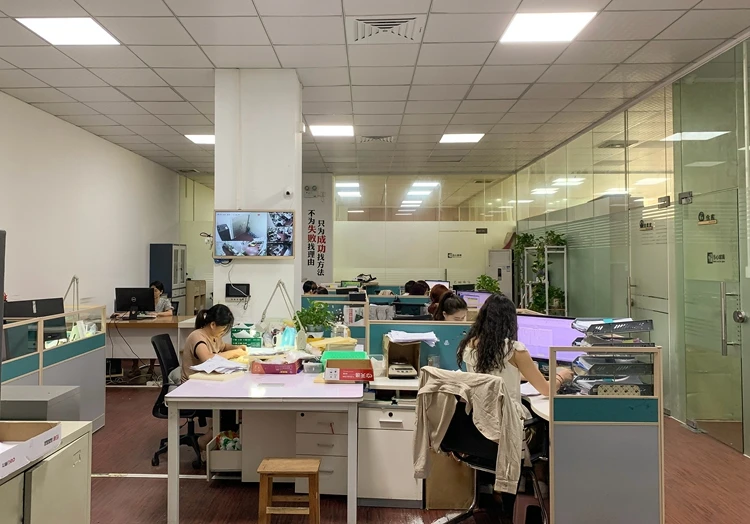
Guangzhou Quanqing Jewelry Co., Ltd.
- Manufacturer
- Guangdong, China
- Lead time0 days
- Avg. response≤ 2h
Main products925 silver jewelry,K gold jewelry,gemstone jewelry
Main marketsNorth America(50.00%), Southeast Asia(10.00%), South America(10.00%), Central America(10.00%), Eastern Europe(5.00%), Africa(5.00%), Mid East(5.00%), Eastern Asia(3.00%), Southern Europe(2.00%)

GUANGZHOU ARTS JEWELLERY CO., LTD.
- Verified by SGS
- Combined
- China Guangdong
- Lead time30 days
- Avg. response≤ 6h
Main productsSilver Jewelry, Gold Jewelry, Diamond Jewelry, Silver Ring, Silver Earring, Silver Pendant, Silver Bracelet, Silver Necklace
Main marketsSoutheast Asia/ Mideast

- Combined
- China Guangdong
- Lead time15 days
- Avg. response≤ 3h
Main productsOpal
Main marketsDomestic,Europe,North America

- Verified by BV
- Trading Company,Manufacturer/Factory
- China Guangdong
- Lead time0 days
- Avg. response≤ 9h
Main productsSilver Jewelry, Brass Jewelry, Fashion Jewelry, Semi-Precious
Main marketsSouth America,Eastern Europe,Mid East,Southeast Asia,Eastern Asia,Oceania,Western Europe,Africa


Fashion sterling silver 925 jewelry amethyst elegant ladies ring earrings
$31.46 - $39.35
MOQ: 1 Pairs

Haifeng County Beifei Jewelry Co., Ltd.
- Verified by TüVRheinland
- Manufacturer, Trading Company
- Lead time15 days
- Avg. response≤ 3h
Main productsNecklace, Earring, Bracelet, Ring
Main marketsNorth America(60%), Oceania(20%), Western Europe(20%)

Hongkong Season Jewelry Co., Limited
- Manufacturer/Factory
- China Guangdong
- Lead time23 days
- Avg. response≤ 10h
Main productsCostume Jewelry, Fashion Jewelry, 925 Silver Jewelry, Stainless Steel Jewelry, Brass Jewelry, Gold Jewelry, Silver Ring and Earrings, Silver Pendant Necklace, Brass Bangle and Bracelet, Brass Brooch and Cuff Button
Main marketsSouth America,Eastern Europe,Mid East,North America,Southeast Asia,Eastern Asia,Oceania,Western Europe,Africa

Yiwu Yafeini Jewelry Co., Ltd.
- Manufacturer, Trading Company
- Zhejiang, China
- Lead time7 days
- Avg. response≤ 7h
Main productsNecklace, Earrings, Ring, Charms, Bracelet
Main marketsNorth America(40.00%), Western Europe(30.00%), Oceania(10.00%), Eastern Europe(10.00%), South America(2.00%), Eastern Asia(2.00%), Northern Europe(2.00%), Africa(2.00%), Mid East(2.00%)
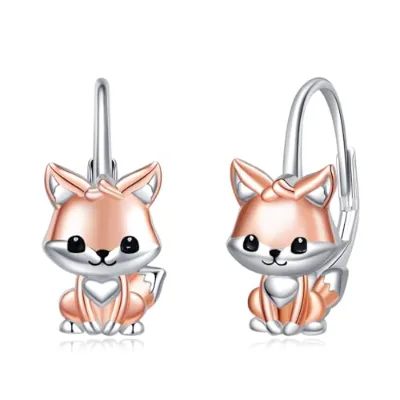
Mini Cute Fox 925 Sterling Silver Hoop Earrings for Women
$16.64 - $18.24
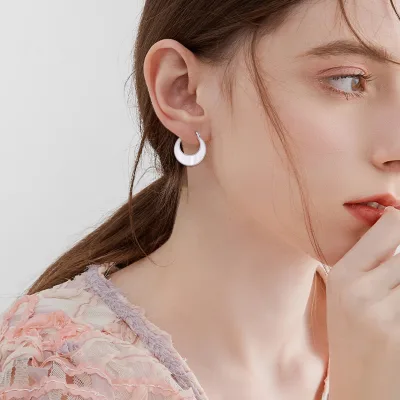
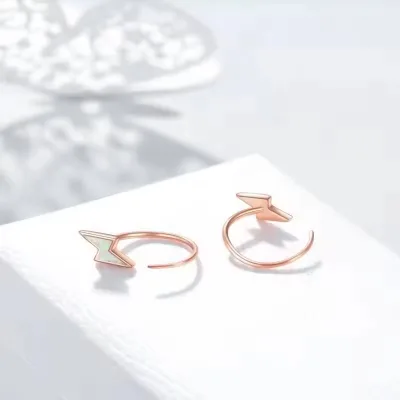

Guangzhou Lefeng Jewelry Co., Ltd.
- Manufacturer, Trading Company
- Guangdong, China
- Lead time20 days
- Avg. response≤ 2h
Main productsNecklace/Bracelet/Earring/Anklet/Ring
Main marketsNorth America(45.00%), Western Europe(13.00%), Africa(8.00%), Southern Europe(8.00%), South America(5.00%), Domestic Market(4.00%), Oceania(3.00%), Eastern Europe(3.00%), Northern Europe(3.00%), Southeast Asia(2.00%), South Asia(2.00%), Central America(2.00%), Eastern Asia(1.00%), Mid East(1.00%)
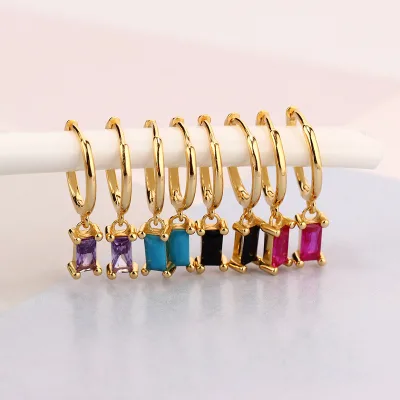
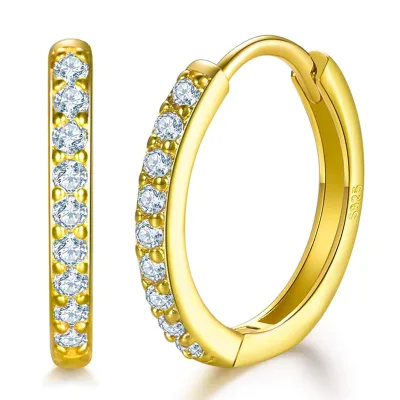
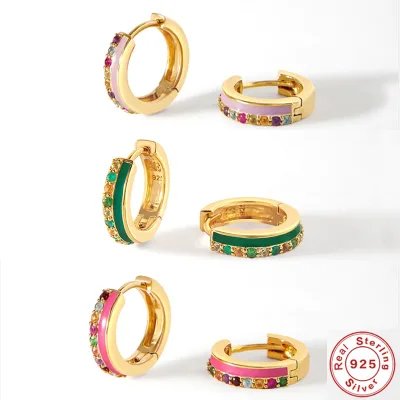
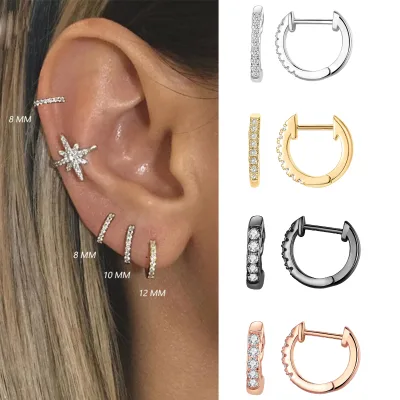
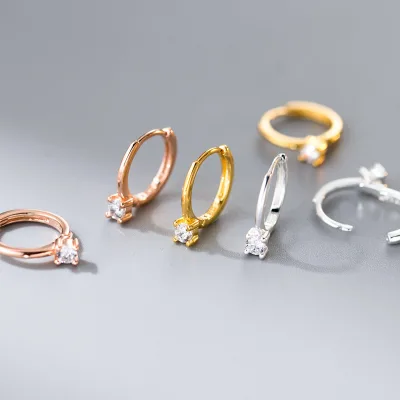
Fashion Wholesale Gold Plated 925 Sterling Silver Cubic Zirconia Tiny Hoop Huggie Earrings
$3.68 - $8.68
MOQ: 50 pairs
Shenzhen Fanfei E-Commerce Co., Ltd.
- Manufacturer, Distributor/Wholesaler
- Guangdong, China
- Lead time3 days
- Avg. response≤ 2h
Main productsNecklace,Ring,Earring,Jewelry Set,Bracelet
Main marketsWestern Europe(25.00%), North America(20.00%), South America(20.00%), Eastern Europe(10.00%), Africa(10.00%), Domestic Market(10.00%), Southeast Asia(5.00%)
Dongguan Daimi Jewelry Co., Ltd.
- Trading Company
- Guangdong, China
- Lead time15 days
- Avg. response≤ 5h
Main productsJewelry,Earrings,Necklace,Bracelet,Rings
Main marketsNorth America(90.00%), Eastern Europe(5.00%), South America(5.00%)
- Trading Company
- Zhejiang, China
- Lead time0 days
- Avg. response≤ 5h
Main productsCustom Logo branded products for ASI SAGE PPAI DC etc,Custom Jewelry & Parts,Stock Jewelry/Bag 1 pcs dropshippingas required,Magazine Gifts and Toys,Personalized gift and capsule toys
Main marketsNorthern Europe(20.00%), Central America(20.00%), Western Europe(20.00%), South America(20.00%), North America(20.00%)
Wuzhou Jiangyuan Gems Co., Ltd.
- Verified by TüVRheinland
- Manufacturer, Trading Company
- Lead time7 days
- Avg. response≤ 6h
Main productsSynthetic Gemstone, Natural Gemstone, 925 Silver Jewelry, 925 Silver Charm, 18k Jewelry
Main marketsSouth America(32%), North America(21%), Eastern Europe(10%)
YiChun InLove Jewelry Co., Ltd.
- Trading Company
- Jiangxi, China
- Lead time15 days
- Avg. response≤ 1h
Main productsStainless Steel Jewelry,Metal keychains,Rubber Cartoon keychains,925 Sterling Silver Jewelry,Brass Jewelry
Main marketsNorth America(60.00%), Northern Europe(20.00%), Southern Europe(10.00%), Western Europe(10.00%)
Foshan Shorea Jewelry Co., Ltd.
- Verified by SGS Group
- Trading Company
- Lead time14 days
- Avg. response≤ 2h
Main productsNecklace, Bracelet, Earring, Ring, Jewelry Set
Main marketsNorth America(50%), Western Europe(20%), South America(10%)
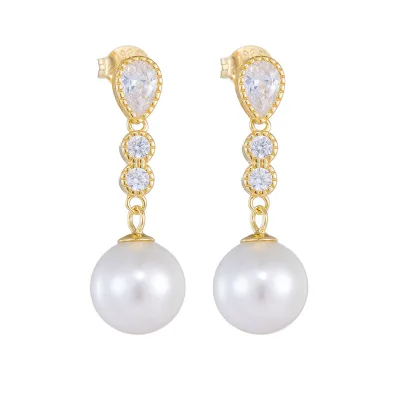
$14.1866 - $15.3744
MOQ: 50 pieces
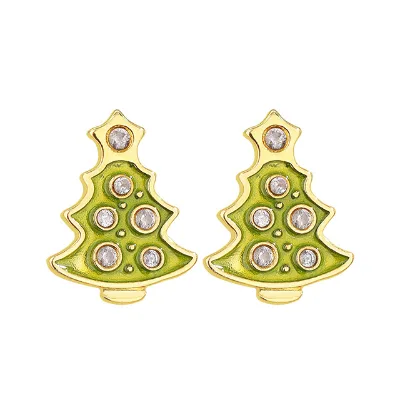
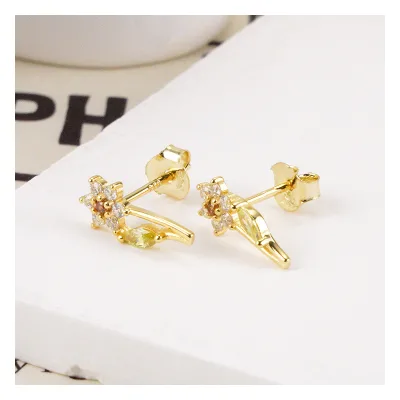
$12.3076 - $13.1439
MOQ: 50 pieces
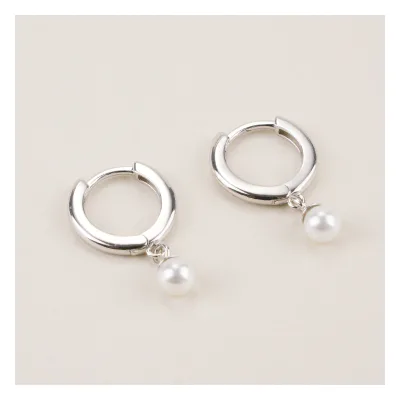
$15.8022 - $16.83
MOQ: 50 pieces

GOODLINESS JEWELLERY CO., LIMITED
- Verified by SGS
- Manufacturer
- China Guangdong
- Lead time23 days
- Avg. response≤ 6h
Main products925 Silver Ring, Brass Jewelry, 925 Silver Earring, 925 Silver Necklace, 925 Silver Set, 925 Silver Bangle, Customer's Design, 925 Silver Bracelet, Silver Accessory, Brass Accessory
Main marketsSoutheast Asia/ Mideast,Europe,North America

Guangzhou Anfook & Dakerden Jewelry Co., Ltd
- Trading Company
- China Guangdong
- Lead time0 days
- Avg. response≤ 14h

Longyuan (Guangzhou) Industrial Development Co., Ltd.
- Verified by TUVRHEINLAND
- Manufacturer/Factory
- China Guangdong
- Lead time23 days
- Avg. response≤ 6h
Main productsJewelry, Fashion Watch, Hair Accessories, Men Jewelry, Women Jewelry, Pendants, Brooches, Bracelets, Crowns, Necklaces
Main marketsSouth America,Eastern Europe,Mid East,North America,Western Europe


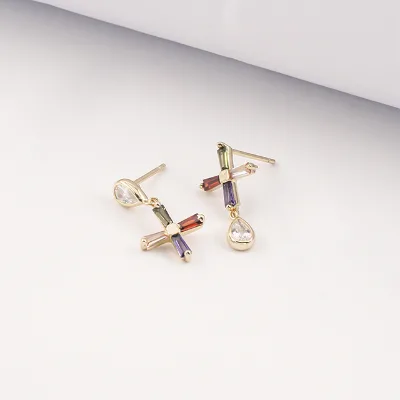
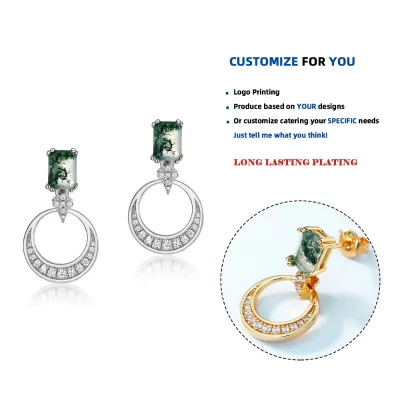
925 Sterling Silver Round Earrings Personal Inlaid Color Vermiculite Jewelry
$12.69 - $12.99
MOQ: 5 Pairs
Guangzhou Liwan Jingcai Jewelry Firm
- Distributor/Wholesaler
- Guangdong, China
- Lead time7 days
- Avg. response≤ 5h
Main productsJewelry,Body Jewelry,Bracelets & Bangles,Loose Gemstone,Necklaces
Main marketsNorth America(40.00%), Western Europe(20.00%), Eastern Asia(20.00%), Eastern Europe(10.00%), Northern Europe(5.00%), Oceania(5.00%)
- Manufacturer, Trading Company
- Lead time旺季: "1 - 30":15,"> 30":"To be negotiated", 淡季: "1 - 30":15,"> 30":"To be negotiated"
- Avg. response≤ 3h
Main productsFashion Jewelry
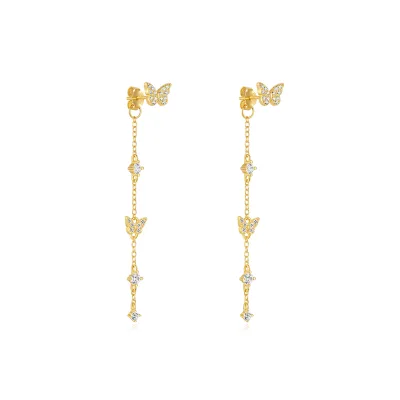
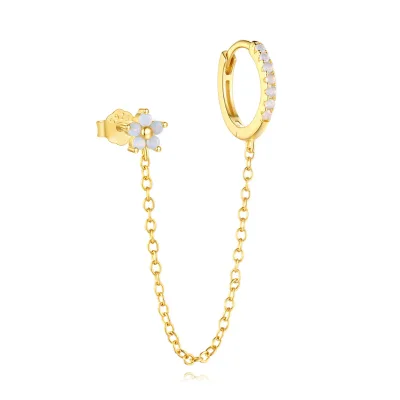
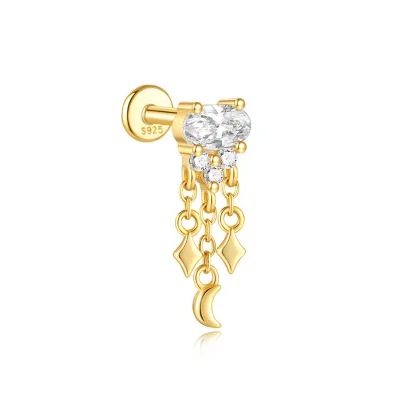
S925 sterling silver individual tassel piercing earrings
$2.7766 - $3.191
Guangzhou Love & Beauty Jewelry Co., Ltd.
- Verified by SGS Group
- Manufacturer, Trading Company
- Lead time15 days
- Avg. response≤ 4h
Main products925 Sterling Silver, Lab Grown Diamond, Moissanite Diamond, Gemstone Jewelry, Jewelry Set
Main marketsNorth America(30%), Oceania(17%), Eastern Europe(10%)
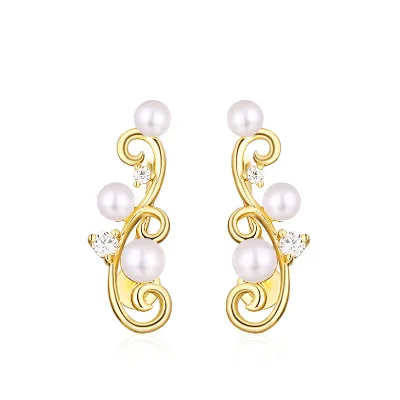
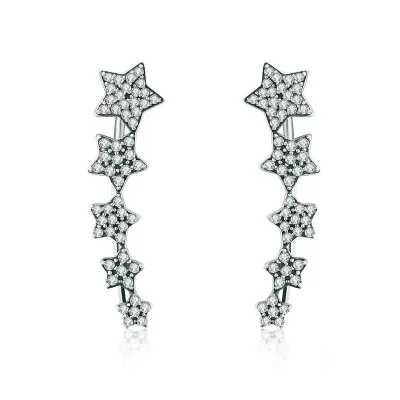
Vine 925 Sterling Silver Wrap Non Pierced Clip Pearl Ear Climber Cuff Earrings
$9.6686 - $10.8131
MOQ: 30 pairs

Zhuhai Kirin Jewelry Co., Ltd.
- Combined
- China Guangdong
- Lead time15 days
- Avg. response≤ 12h
Main productsFashion Jewelry
Main marketsSoutheast Asia/ Mideast,Europe,North America
Haifeng County Meilong Liming Jewelry Processing Factory
- Manufacturer, Trading Company
- Guangdong, China
- Lead time10 days
- Avg. response≤ 2h
Main productsPendants,Necklaces,Rings,Bracelets,Earrings
Main marketsNorth America(25.00%), South America(20.00%), Eastern Europe(10.00%), Oceania(10.00%), Southeast Asia(8.00%), Africa(5.00%), Mid East(5.00%), Domestic Market(4.00%), Western Europe(4.00%), Central America(3.00%), South Asia(2.00%), Eastern Asia(2.00%), Southern Europe(1.00%), Northern Europe(1.00%)
Yichun Aimee Jewelry Co., Ltd.
- Verified by Intertek
- Trading Company
- Lead time15 days
- Avg. response≤ 1h
Main products925 Sterling Silver Jewelry, Copper, Stainless Steel Jewelry
Main marketsNorth America(40%), Eastern Europe(10%), Western Europe(10%)

YIWU JINYE IMPORT AND EXPORT CO., LTD
- Verified by SGS
- Trading Company
- China Zhejiang
- Lead time15 days
- Avg. response≤ 25h
Main productsBangle, Wrist Band, Bracelet, Fashion Jewelry
Main marketsNorth America

Fashion Jewelry 925 Silver Pin Tassel Flower Earrings Crystal Dangle Earrings
$0.60 - $3.60
MOQ: 20 Pairs

Fashion Jewelry 925 Silver Pin Rose Petal Tassel Earrings Vintage Flower Earrings
$0.60 - $3.60
MOQ: 20 Pairs

Shenzhen Hengda Xin Jewelry Co., Ltd.
- Verified by BV
- Combined
- China Guangdong
- Lead time15 days
- Avg. response≤ 2h
Main productsJewelry, Stainless Steel Fittings, Stainless Steel Jewelry, Necklace, Bracelet, Stud Earrings, Ring, Pendant, Fashion Jewelry, Fashion Accessories
Main marketsSoutheast Asia/ Mideast,East Asia(Japan/ South Korea),Domestic,Europe,Australia,North America


Personality 925 Sterling Silver Pearl Ear Clip Custom Silver Manufacturer
$6.10 - $6.13
MOQ: 100 Pairs

Shenzhen Dunshang Technology Co., Ltd.
- Manufacturer, Trading Company, Distributor/Wholesaler
- Guangdong, China
- Lead time7 days
- Avg. response≤ 4h
Main productsJewelry,Necklace,Bracelet,Earrings,Ring
Main marketsNorth America(40.00%), South Asia(5.00%), Southern Europe(5.00%), Northern Europe(5.00%), Central America(5.00%), Western Europe(5.00%), Eastern Asia(5.00%), Mid East(5.00%), Oceania(5.00%), Africa(5.00%), Southeast Asia(5.00%), Eastern Europe(5.00%), South America(5.00%)

Qingdao Gemopia Jewelry Co., Ltd.
- Combined
- China Shandong
- Lead time30 days
- Avg. response≤ 5h
Main productsGold Jewelry, Silver Ring
Main marketsSouth America,Africa,Southeast Asia/ Mideast,East Asia(Japan/ South Korea),Domestic,Europe,Australia,North America
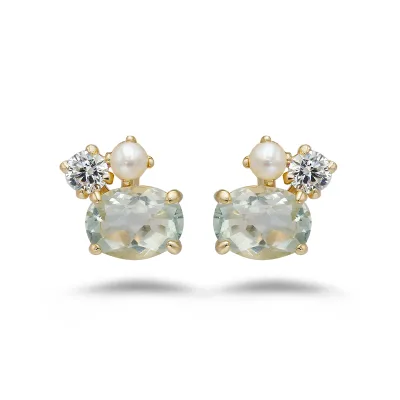


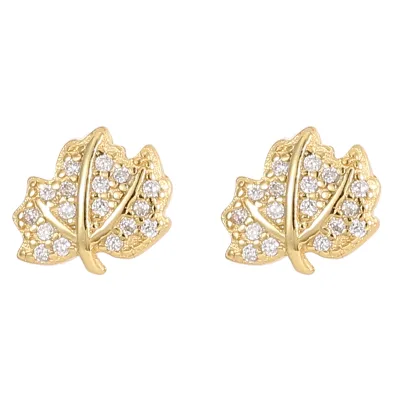
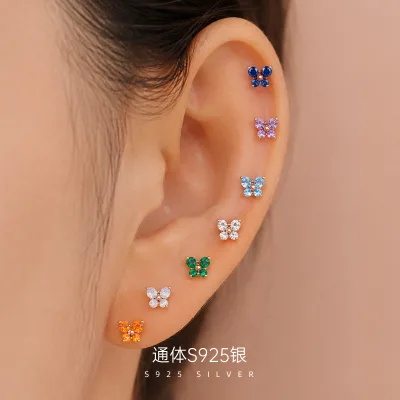
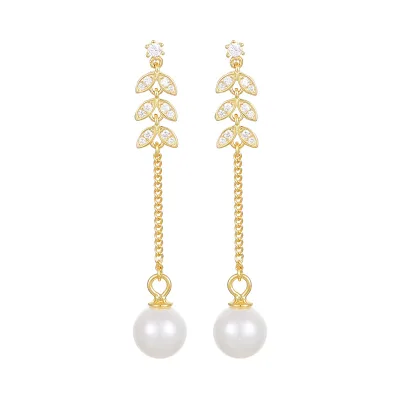
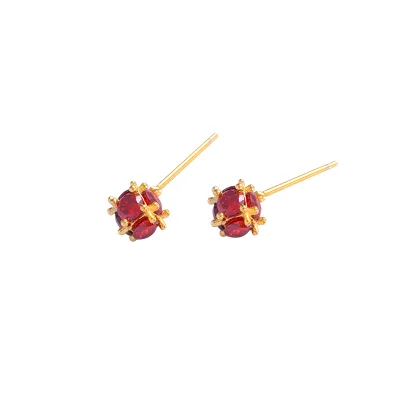


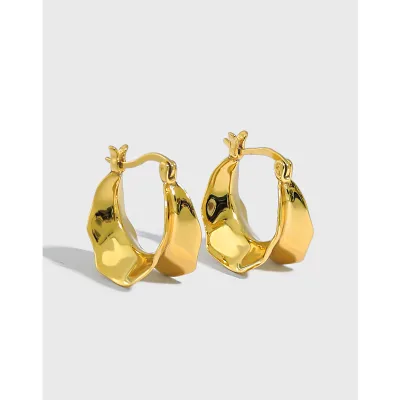
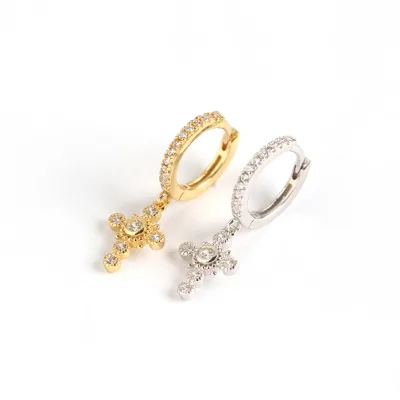
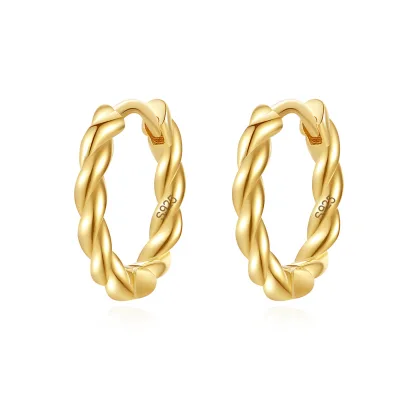





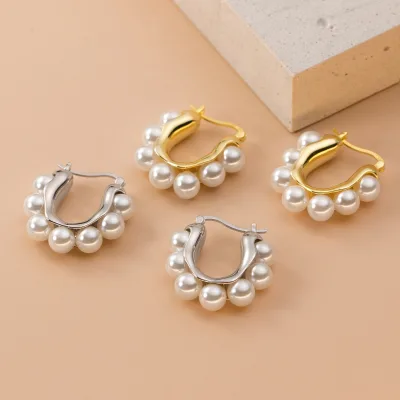
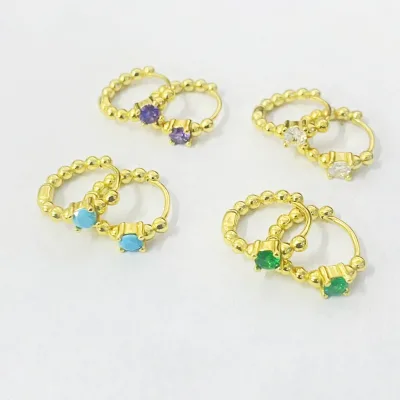
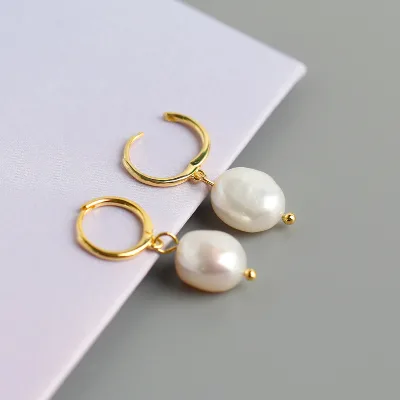
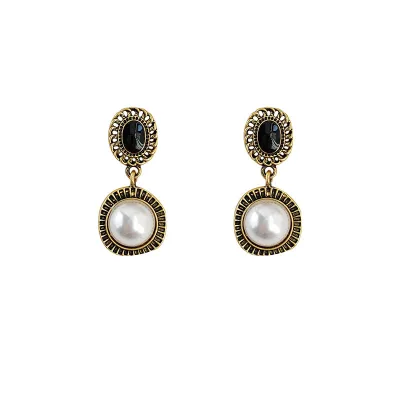


Comprehensive Sourcing Guide
925 Sterling Silver Pinecone Earrings Supplier Concentration and Factory Types
The sourcing landscape for 925 Sterling Silver Pinecone Earrings is heavily concentrated in specific manufacturing hubs, with Guangdong, China emerging as a primary location for these specialized jewelry items. Buyers evaluating suppliers should recognize that this region hosts a diverse mix of company types, ranging from pure manufacturers to combined entities that blend trading and production capabilities. Understanding this distinction is critical because it directly impacts pricing structures, communication efficiency, and the ability to handle complex customization requests. Manufacturers in this cluster typically possess the physical infrastructure for casting, plating, and setting gemstones, which are essential processes for creating high-quality pinecone designs. These facilities often offer lower unit costs due to the elimination of intermediary margins, but they may have stricter minimum order quantities and less flexibility in handling small, urgent orders. Conversely, combined suppliers provide a broader range of services, including sourcing assistance and quality control, which can be valuable for buyers who lack local presence or expertise in the Chinese market. However, these entities may charge higher prices to cover their operational overheads. The presence of both types in the same geographic area creates a competitive environment that benefits buyers through price transparency and service variety. It is important to note that while Guangdong is a confirmed location for these suppliers, other regions may also host capable factories, though evidence for those areas is not currently available. Buyers should prioritize suppliers who clearly disclose their operational model to ensure alignment with their specific sourcing strategy.
Within this concentrated cluster, the product range often extends beyond simple pinecone earrings to include a wide array of 925 silver jewelry, K gold jewelry, and gemstone accessories. This diversification suggests that many suppliers have developed robust supply chains for raw materials such as sterling silver, gold plating solutions, and various gemstones like cubic zirconia, pearls, and amethysts. This capability allows them to offer comprehensive solutions for buyers looking to expand their product lines beyond a single item. For instance, some suppliers specialize in emotional factory designs that incorporate frosted crystals and intricate metalwork, appealing to niche markets seeking unique aesthetic experiences. Others focus on elegant gemstone cloud designs or simple fashion studs, catering to different consumer preferences and price points. The ability to produce such varied products indicates a high level of technical proficiency and adaptability in the manufacturing process. Buyers should leverage this diversity by requesting catalogs that showcase the supplier’s full range of capabilities, rather than limiting their inquiry to just pinecone earrings. This approach can reveal additional opportunities for bundling orders or negotiating better terms based on the volume of total purchases. Furthermore, suppliers with extensive product portfolios often have established relationships with material suppliers, which can lead to better cost stability and faster response times during peak seasons. Understanding the breadth of a supplier’s offerings can help buyers assess their long-term viability as a partner, especially if they plan to scale their operations or introduce new designs in the future.
How to Verify 925 Sterling Silver Pinecone Earrings Suppliers
Verifying the authenticity and reliability of 925 Sterling Silver Pinecone Earrings suppliers requires a multi-layered approach that goes beyond surface-level claims. One of the most critical steps is to check for third-party verification badges, such as SGS, which indicate that an independent agency has assessed the supplier’s business legitimacy and operational capabilities. These verifications provide a layer of trust that is difficult to fabricate, offering buyers confidence that the supplier exists and operates within legal frameworks. However, verification alone is not sufficient; buyers must also scrutinize the supplier’s response time, which serves as a proxy for their operational efficiency and customer service quality. A response time of two hours or less suggests a highly responsive team that can address inquiries and resolve issues promptly, which is crucial for maintaining smooth communication throughout the sourcing process. In contrast, slower response times, such as those exceeding five hours, may indicate potential bottlenecks in communication or a lack of dedicated support staff. Buyers should also examine the supplier’s main products to ensure they align with their specific needs. Suppliers listing 925 silver jewelry, K gold jewelry, and gemstone jewelry as their primary offerings are likely to have specialized expertise in these areas, reducing the risk of quality inconsistencies. It is also important to verify the supplier’s company type, distinguishing between pure manufacturers and combined entities, as this affects their flexibility and pricing structure. By combining these verification methods, buyers can build a comprehensive profile of each potential partner, ensuring that they select suppliers who are not only legitimate but also capable of meeting their specific requirements.
In addition to verification badges and response metrics, buyers should carefully review the supplier’s certification status and production capabilities. While some suppliers may display certifications, others might have a status of NIL, which does not necessarily indicate a lack of quality but rather a difference in how certifications are managed or displayed. Buyers should inquire directly about any relevant industry standards or quality control processes that the supplier follows, such as ISO certifications or internal testing protocols. Furthermore, examining the supplier’s research and development capacity is essential, particularly for those seeking custom designs. Suppliers with ODM (Original Design Manufacturing) and OEM (Original Equipment Manufacturing) capabilities can offer tailored solutions, allowing buyers to create unique pinecone earrings that stand out in the market. This capacity is often a key differentiator between generic suppliers and those who can provide value-added services. Buyers should also look for evidence of past performance, such as product keywords and descriptions that highlight specific features like frosted crystals, gold plating, or gemstone settings. These details can provide insights into the supplier’s technical expertise and attention to detail. By systematically evaluating these factors, buyers can mitigate the risk of partnering with unreliable suppliers and ensure that they work with partners who are committed to delivering high-quality products. This due diligence process is time-consuming but essential for building a sustainable and successful sourcing strategy.
What to Compare Across 925 Sterling Silver Pinecone Earrings Suppliers
When comparing suppliers for 925 Sterling Silver Pinecone Earrings, lead time is a critical metric that directly impacts inventory management and market responsiveness. Suppliers may offer varying lead times, ranging from zero days for ready-made stock to thirty days for custom orders, depending on the complexity of the design and the current production load. Buyers should align their order planning with these lead times to avoid stockouts or excess inventory. For instance, a supplier with a thirty-day lead time may be suitable for planned seasonal collections, while a supplier with a shorter lead time might be preferred for rush orders or testing new designs. In addition to lead time, the minimum order quantity (MOQ) is another key factor that influences purchasing decisions. Some suppliers may require an MOQ of thirty pieces, which is manageable for small businesses, while others might have higher thresholds that are better suited for larger retailers. Buyers should evaluate their order volume capabilities and negotiate terms that fit their business model. Response speed is also a significant differentiator, with some suppliers responding within two hours and others taking nearly six hours. Faster response times can facilitate quicker decision-making and problem resolution, which is particularly important during the initial stages of supplier selection. By comparing these operational metrics, buyers can identify suppliers who best match their logistical and financial requirements.
Price is another essential dimension for comparison, as it directly affects profit margins and competitive positioning. Suppliers may offer different price ranges for similar products, with some charging between twenty-two and twenty-four dollars for premium designs, while others offer more affordable options starting at four dollars. These price variations often reflect differences in material quality, craftsmanship, and brand positioning. Buyers should request detailed quotations that break down costs, including material, labor, and shipping, to ensure transparency. Additionally, comparing the supplier’s main products can provide insights into their specialization and expertise. Suppliers focusing on 925 silver jewelry, K gold jewelry, and gemstone jewelry may offer higher quality and more intricate designs compared to those with a broader, less specialized range. Buyers should also consider the supplier’s customization options, as some may offer available customization for materials, shapes, and styles, while others may have limited flexibility. By systematically comparing these factors, buyers can make informed decisions that balance cost, quality, and service. This comparative analysis should be an ongoing process, as supplier capabilities and market conditions may change over time. Regularly reviewing and updating supplier evaluations ensures that buyers continue to work with the most suitable partners for their evolving needs.
Common 925 Sterling Silver Pinecone Earrings Sourcing Risks
One of the primary risks in sourcing 925 Sterling Silver Pinecone Earrings is the potential for material misrepresentation, where suppliers may claim products are made of genuine 925 sterling silver but use lower-grade alloys or insufficient plating. This risk is particularly prevalent when dealing with suppliers who lack transparent certification or verification processes. Buyers must be vigilant in verifying the purity of the silver, which is often indicated as 92.5% in product attributes, and ensure that the gold plating meets industry standards for durability and appearance. Another significant risk is the inconsistency in product quality, which can arise from variations in manufacturing processes or the use of substandard gemstones and settings. For example, cubic zirconia stones may vary in clarity and cut, affecting the overall aesthetic appeal of the earrings. Buyers should request samples before placing bulk orders to assess the quality firsthand and identify any potential issues. Additionally, the risk of delayed shipments is a common concern, especially when dealing with suppliers who have long lead times or poor logistical management. Delays can disrupt inventory planning and lead to missed market opportunities, particularly for seasonal products. Buyers should establish clear communication channels and set realistic expectations regarding delivery schedules to mitigate this risk.
Intellectual property infringement is another critical risk, particularly when sourcing custom designs or working with suppliers who offer ODM services. Buyers must ensure that their designs are protected and that suppliers do not share them with competitors or produce unauthorized copies. This risk can be mitigated by signing non-disclosure agreements and working with suppliers who have a strong reputation for respecting intellectual property rights. Furthermore, the risk of financial loss due to fraud or non-delivery is a constant concern in international trade. Buyers should use secure payment methods, such as escrow services, to protect their funds until the goods are received and verified. It is also important to verify the supplier’s business legitimacy through third-party verification badges, such as SGS, to reduce the risk of dealing with fraudulent entities. By identifying and addressing these common risks, buyers can protect their investments and ensure a smoother sourcing process. Proactive risk management strategies, including regular audits and performance reviews, can help maintain high standards of quality and reliability throughout the supply chain. This approach not only safeguards the buyer’s interests but also fosters long-term partnerships with reliable suppliers.
925 Sterling Silver Pinecone Earrings Regional Sourcing and Logistics
Sourcing 925 Sterling Silver Pinecone Earrings from Guangdong, China, offers logistical advantages due to the region’s well-developed infrastructure and proximity to major shipping ports. This location facilitates efficient transportation of goods, reducing transit times and costs for international buyers. However, buyers must also consider the complexities of international logistics, including customs clearance, import duties, and regulatory compliance. Understanding the specific requirements of their target markets is essential to avoid delays or additional costs. For instance, some countries may have strict regulations regarding the import of jewelry, requiring specific documentation or certifications. Buyers should work with suppliers who are experienced in international shipping and can provide necessary documentation, such as certificates of origin and material safety data sheets. Additionally, the choice of shipping method, whether by air, sea, or express courier, will impact delivery times and costs. Air freight is faster but more expensive, while sea freight is cost-effective for large volumes but takes longer. Buyers should evaluate their order volume and urgency to select the most appropriate shipping method. By planning
FAQs
What is the price range for 925 Sterling Silver Pinecone Earrings?
Prices for 925 Sterling Silver Pinecone Earrings typically range from $22.13 to $24.06 per pair. This pricing reflects the cost of materials and manufacturing processes involved in creating high-quality silver jewelry. Buyers should expect variations based on specific design elements and plating options.
Do suppliers offer customization for these earrings?
Yes, customization is available for many 925 Sterling Silver Pinecone Earrings. Suppliers often allow adjustments to materials, shapes, and packaging to meet specific buyer requirements. This flexibility ensures that the final product aligns with your brand identity and customer preferences effectively.
What is the typical lead time for orders?
Lead times for 925 Sterling Silver Pinecone Earrings vary by supplier, ranging from zero to thirty days. Some manufacturers offer rapid production capabilities, while others may require up to thirty days for complex orders. It is essential to confirm specific timelines with your chosen supplier.
Are these earrings suitable for youth and female buyers?
Yes, 925 Sterling Silver Pinecone Earrings are designed for both youth and female demographics. The styles often feature fashionable and elegant designs that appeal to these groups. Materials like cubic zirconia and sterling silver enhance their aesthetic value for everyday wear or special occasions.
What certifications do suppliers hold?
Some suppliers are verified by SGS, indicating adherence to quality standards. However, specific system certifications may vary, with some listing none. Buyers should verify individual supplier credentials to ensure compliance with international quality and safety standards for jewelry products.
Where are these suppliers located?
Most suppliers for 925 Sterling Silver Pinecone Earrings are located in Guangdong, China. This region is known for its robust manufacturing capabilities in jewelry production. Buyers can expect efficient logistics and supply chain management from these geographic locations.
What is the minimum order quantity (MOQ)?
The minimum order quantity for 925 Sterling Silver Pinecone Earrings is typically thirty pieces. This MOQ allows buyers to test market demand without excessive inventory commitment. Suppliers may offer flexibility for larger orders or specific customization needs.