a2 grade fireproof aluminum-plastic panels Suppliers and Manufacturers
Find 25 verified sources for a2 grade fireproof aluminum-plastic panels with details on location, lead times, and certifications. Compare response times and MOQs to select the right factory for your project needs today; review the available evidence before requesting comparable quotations from suitable candidates.
Updated
Suppliers List

Guangzhou Goodsense Decorative Building Materials Co., Ltd.
- Combined
- China Guangdong
- Lead time23 days
- Avg. response≤ 11h
Main productsAluminum Composite Panel, ACP Tiles, Aluminum Core Composite Panel, Cep Board, PVC Wall Panel
Main marketsSouth America,Africa,Domestic,Europe,North America
Zhengzhou Yunyun Technology Co., Ltd.
- Trading Company
- Henan, China
- Lead time15 days
- Avg. response≤ 1h
Main productsHardware tools,industrial machinery,power tools,electric tools,tool sets
Main marketsDomestic Market(12.00%), North America(11.00%), Southeast Asia(10.00%), South America(10.00%), Central America(8.00%), Eastern Asia(8.00%), Africa(7.00%), Western Europe(6.00%), South Asia(5.00%), Southern Europe(5.00%), Northern Europe(5.00%), Eastern Europe(5.00%), Mid East(5.00%), Oceania(3.00%)

Shandong Chengge Building Materials Co., Ltd.
- Verified by BV
- Combined
- China Shandong
- Lead time30 days
- Avg. response≤ 4h
Main productsAluminum Composite Panel, Wall Cladding Panel, ACP, Polymer Protective Film, Aluminium Composite Panel, Acm, ACP Signage Board
Main marketsSouth America,Africa,Southeast Asia/ Mideast,Europe
Shanghai Z-Trust Import And Export Co., Ltd.
- Trading Company
- Shanghai, China
- Lead time5 days
- Avg. response≤ 8h
Main productsAluminum Composite Panel,RC Drones,Mechanical Dog,Samrt Robot
Main marketsSouth America(18.00%), North America(15.00%), Western Europe(12.00%), Eastern Europe(12.00%), Central America(10.00%), Southern Europe(10.00%), Oceania(8.00%), Northern Europe(7.00%), South Asia(5.00%), Mid East(1.00%), Africa(1.00%), Southeast Asia(1.00%)

Henan Jixiang Industry Co., Ltd.
- Manufacturer
- China Henan
- Lead time23 days
- Avg. response≤ 9h
Main productsAluminum Plate, Aluminum Composite Panel, Aluminum Coil, Silicone Adhesive, Honey Comb Plate, Grain Board, Fascia, Protection Film, Light Stone, WPC Panel
Main marketsDomestic

Zhejiang Geely Decorating Materials Co., Ltd.
- Combined
- China Zhejiang
- Lead time30 days
- Avg. response≤ 17h
Main productsAluminium Composite Panel, Aluminum Composite Panel, Wall Cladding, ACP, Wall Panel, Decorating Material, Acm, Fireproof Aluminum Composite Panel, Advertising Board, Building Material
Main marketsSouth America,Africa,Southeast Asia/ Mideast,East Asia(Japan/ South Korea),Domestic,Europe,Australia,North America

Linyi Xingda Aluminum & Plastic Decoration Material Co., Ltd.
- Verified by TUVRHEINLAND
- Combined
- China Shandong
- Lead time23 days
- Avg. response≤ 3h
Main productsACP, Aluminum Composite Panel
Main marketsSouth America,Africa,Others(foreignTradeCapacity.exportBusinessCapacityMarketOther),Europe,North America


B1/A2 Grade Fireproof Aluminum Composite Panel for Cladding Panel
$2.00 - $20.00
MOQ: 500 Square Meters


Fireproof B1 A2 Aluminum Composite Panels for High-Rise Building
$5.00 - $15.00
MOQ: 500 Square Meters

Curtain Wall Panel Material A2 Fireproof Aluminum Composite Panel
$4.00 - $8.40
MOQ: 1000 Square Meters

SHINE-Y Technology Development (Hebei) Co., Ltd
- Verified by CTI
- Trading Company
- China Hebei
- Lead time23 days
- Avg. response≤ 3h
Main productsAluminum Composite Panel, ACP Panel, ACP Cladding, Acm Aluminum Composite Panel, Acm Panel, ACP Sheet, Acm Sheet, Aluminum Composite Board, Wall Panel, Building Materials
Main marketsDomestic


High-Quality Fireproof A2 Rated Aluminum Composite Panel for Wall Cladding
$2.00
MOQ: 500 Square Meters

$6.00
MOQ: 500 Square Meters


Shandong Wanya New Materials Co., Ltd.
- Verified by SGS
- Trading Company
- China Shandong
- Lead time15 days
- Avg. response≤ 1h
Main productsAluminum Composite Panel, Aluminum Panel, Building Material, Wall Panel, Sandwich Panel, Panel, Aluminum Honeycomb Panel, Advertising Material, Cladding, External Wall Wall Panels
Main marketsAfrica,North America
Dong'E Dong Yuan Seven Technology Co., Ltd.
- Verified by Intertek
- Manufacturer, Trading Company
- Shandong, China
- Lead time0 days
- Avg. response≤ 2h
Main productsAluminum composite panel, Stone plastic flooring, Sandwich panel
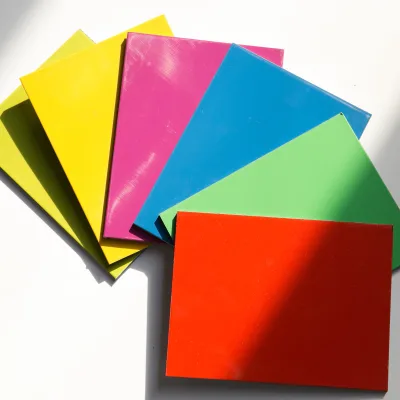

Hot Selling Outdoor Environmental protection Fireproof Aluminum Plastic Composite Panel
$8.00 - $18.00
MOQ: 300 square
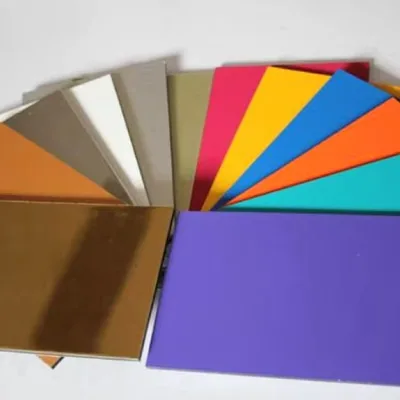
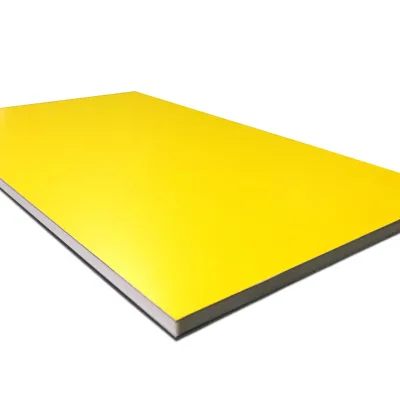

Perforated Aluminum Composite Panel
$20.30 - $38.30

Zhejiang Zhongbang New Metal Materials Co., Ltd.
- Combined
- China Zhejiang
- Lead time30 days
- Avg. response≤ 4h
Main productsAluminum Composite Panel, Metal Composite Panel, Copper Composite Panel, Fireproof Aluminum Composite Panel, Titanium Zinc Composite Panel, Stainless Steel Composite Panel
Main marketsSoutheast Asia/ Mideast


Fire Rated Grade A2 B1 4mm 5mm 6mm Fireproof Aluminium Composite Panel
$10.50 - $11.50
MOQ: 500 Square Meters


Jiangsu Greatpoly Building Material Co., Ltd.
- Verified by TüVRheinland
- Trading Company
- Lead time15 days
- Avg. response≤ 4h
Main productsSPC Flooring, HPL High Pressure Laminate, PVC Flooring, WPC Flooring, HPL Flooring
Main marketsNorth America(15%), Southeast Asia(15%), Western Europe(13%)
HONG KONG WILLSTRONG INDUSTRIAL COMPANY LIMITED
- Verified by SGS Group
- Manufacturer, Trading Company
- Lead time25 days
- Avg. response≤ 6h
Main productsAluminum composite Panel/3D Fireproff Aluminum composite Panel(nano/Chameleon/wooden/stone)/Aluminum Honeycomb Panel, Fireproff Titanium-zinc composite Panel/Zinc Honeycomb Panel
Main marketsNorth America(28%), Southeast Asia(19%), Mid East(15%)
Guangdong Bafoni Ind.co., Ltd.
- Manufacturer
- Guangdong, China
- Lead time15 days
- Avg. response≤ 2h
Main productsAluminium Composite Panel,Solid Aluminium Panel,Aluminium mesh,Silicone,SPC Flooring
Main marketsDomestic Market(20.00%), Southeast Asia(20.00%), Eastern Asia(10.00%), South Asia(10.00%), Africa(10.00%), Northern Europe(10.00%), South America(5.00%), Mid East(5.00%), North America(5.00%), Central America(5.00%)
Zhangjiagang Evertopest International Trade Co., Ltd.
- Manufacturer, Trading Company
- Jiangsu, China
- Lead time30 days
- Avg. response≤ 4h
Main productsACP production line,Aluminum color coating production line,aluminum honeycomb panel production line,aluminum honeycomb core machine,ALUMINUM CORRUGATED COMPOSITE PANEL PRODUCTION LINE
Main marketsMid East(50.00%), Africa(10.00%), South Asia(10.00%), Domestic Market(10.00%), Eastern Europe(5.00%), Southeast Asia(5.00%), Eastern Asia(5.00%), Northern Europe(5.00%)

Shandong Duoshun Building Materials Technology Co., Ltd.
- Verified by SGS
- Trading Company
- China Shandong
- Lead time15 days
- Avg. response≤ 3h
Main productsAluminum Composite Panel
Main marketsSouth America,Africa,Southeast Asia/ Mideast,Australia,North America

3mm 4mm 5mm 6mm Fireproof Resistant A2 B1 Aluminum Plastic Composite Panel
$4.50 - $5.00
MOQ: 10 Pieces

Guangdong Mingwei Metal Building Materials Co., Ltd.
- Manufacturer, Trading Company, Distributor/Wholesaler
- Guangdong, China
- Lead time15 days
- Avg. response≤ 2h
Main productsMetal Ceiling,Metal Wall Cladding,Architectural Metal Ceiling,Metal Exterior Curtain Wall
Main marketsDomestic Market(100.00%)
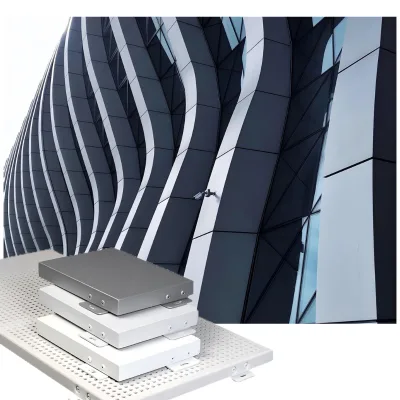
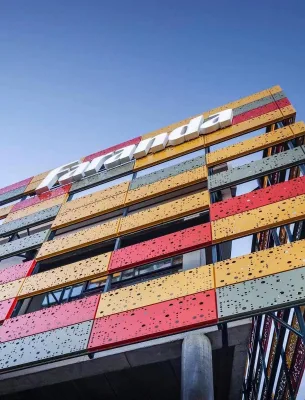
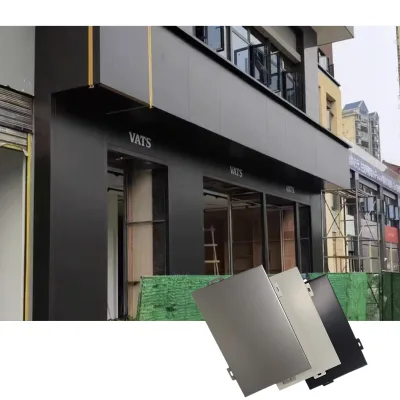
Fireproof A2 Class Aluminum Panel for Interior Decoration & Curtain Wall
$22.00 - $28.00
MOQ: 2 square
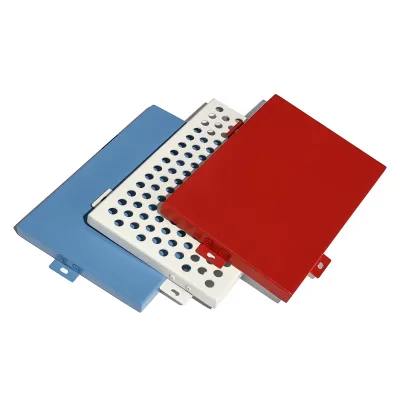
Fire Retardant Perforated Aluminum Panel for Building Safety and Protection
$22.7441 - $27.9137
MOQ: 2 square
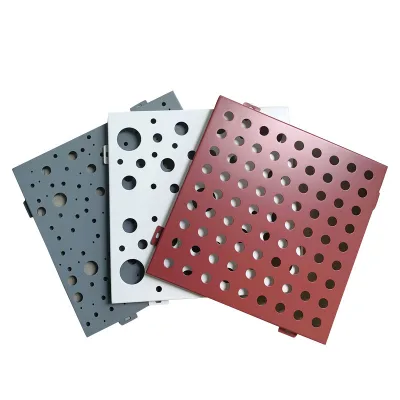
$22.6348 - $29.8372
MOQ: 2 square
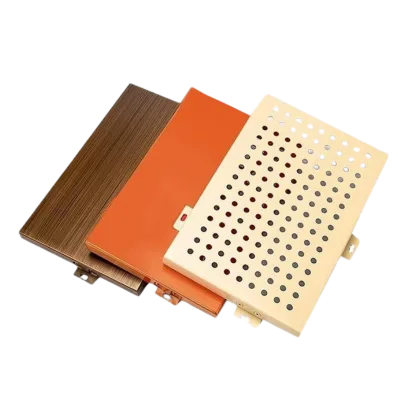
$22.6977 - $29.9196
MOQ: 2 square
Shanghai Alumetal Decorative Material Co., Ltd.
- Trading Company
- Lead time旺季: "1 - 500":7,"501 - 5000":10,"5001 - 10000":14,"> 10000":"To be negotiated", 淡季: "1 - 500":7,"501 - 5000":10,"5001 - 10000":14,"> 10000":"To be negotiated"
- Avg. response≤ 4h
Main productsAluminum And Metal Composite Panel, Aluminum Corrugated Panel, Aluminum Honeycomb Panel, Coated Aluminum Coils, Coated Aluminum Sheet
Zhejiang Jusen Building Materials Technology Co., Ltd.
- Verified by Intertek
- Manufacturer, Trading Company
- Lead time15 days
- Avg. response≤ 1h
Main productsAluminum Honeycomb Board, Fiberglass Board, Fireproof Board, Aluminum Veneer Board
Main marketsDomestic Market(30%), South America(10%), Southeast Asia(10%)
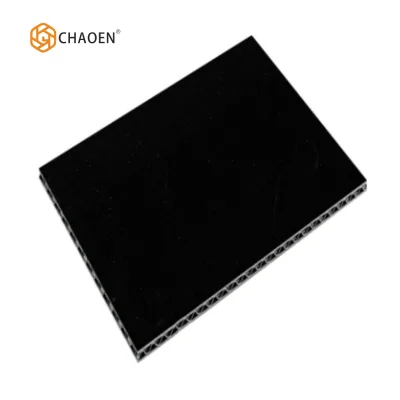
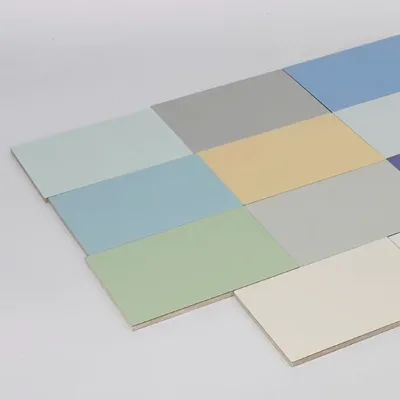
Premium A-Class Fire-Retardant Panels for Commercial & Residential Use
$6.1778 - $7.2084
MOQ: 500 pieces

- Manufacturer/Factory
- China Shanghai
- Lead time23 days
- Avg. response≤ 4h
Main productsJade Roller, Yoga Mat, WPC Decking, Artificial Grass, Safety Shoes, Vinyl PVC Spc Lvt Flooring, Fireproof MGO Board Wall Panel, Guasha Scrapper, Yoga Ball, WPC Tile WPC Cladding
Main marketsSouth America,Eastern Europe,Mid East,North America,Southeast Asia,Eastern Asia,Oceania,Western Europe,Africa

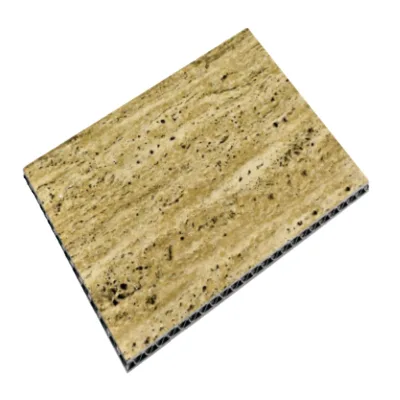
Grade A2 Fireproof Aluminum Composite Panel for Wall Cladding and Decoration
$8.00 - $12.00
MOQ: 1000 Square Meters

Plastic Fireproof 2mm 3mm Aluminum Composite Panel Composite Wall Panel
$8.00 - $12.00
MOQ: 1000 Square Meters

Shanghai Unisign Industrial Material Co., Ltd.
- Verified by TUVRHEINLAND
- Combined
- China Shanghai
- Lead time30 days
- Avg. response≤ 4h
Main productsSelf Adhesive Vinyl, Textile, PVC Tarpaulin, PVC Banner
Main marketsAfrica

Wonderful-wall Science Technology Corp., Ltd.
- Verified by BV
- Combined
- China Anhui
- Lead time30 days
- Avg. response≤ 8h
Main productsColor Coated Aluminum Coil, Film Laminated Metal Coil, PCM VCM, Solid Aluminum Sheet, Prepainted Aluminum Coil, Aluminum Composite Panel, Sublimation Aluminium Sheet, Aluminum Roofing Sheet, Aluminum Ceiling Coil, Green and White Writing Board
Main marketsSouth America,Africa,East Asia(Japan/ South Korea),North America
Shandong Duoshun Building Materials Technology Co., Ltd.
- Manufacturer, Trading Company
- Shandong, China
- Lead time30 days
- Avg. response≤ 2h
Main productsacp,acm,pvc sheet,pvdf acp,PE acp
Main marketsSouthern Europe(10.00%), Western Europe(10.00%), Eastern Asia(10.00%), Mid East(10.00%), Oceania(10.00%), Africa(10.00%), Southeast Asia(10.00%), Eastern Europe(10.00%), South America(10.00%), North America(10.00%)

Shanghai Alubang Decorative Material Co., Ltd.
- Combined
- China Shanghai
- Lead time30 days
- Avg. response≤ 5h
Main productsAluminum Composite Panel
Main marketsSoutheast Asia/ Mideast,Europe,North America

Resistance A2 Fire Resistant Fireproof Core Aluminum Composite Panel
$16.00 - $18.00
MOQ: 1500 Square Meters


A2/B1 Fireproof ACP/Aluminum Composite Panel with PE/PVDF Coating
$5.00 - $10.00
MOQ: 600 Square Meters

Guangzhou Geeshine Building Materials Co., Ltd.
- Manufacturer, Trading Company
- Guangdong, China
- Lead time10 days
- Avg. response≤ 9h
Main productsAluminum Composite Panel,Coated Aluminum Coils,Aluminum Honeycomb Panel,Aluminum Panel,Aluminum Veneer
Main marketsSoutheast Asia(25.00%), Mid East(15.00%), South Asia(15.00%), Western Europe(10.00%), North America(10.00%), South America(10.00%), Africa(10.00%), Oceania(5.00%)
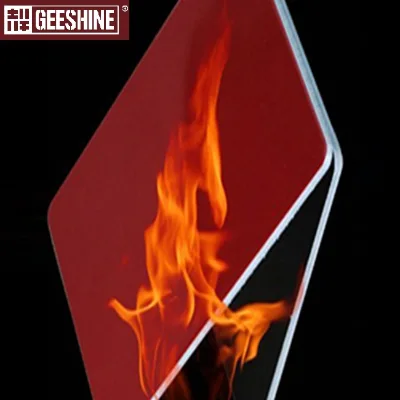
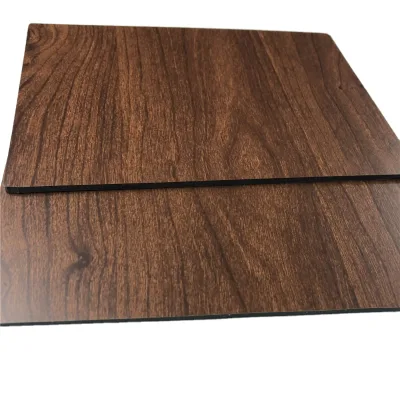
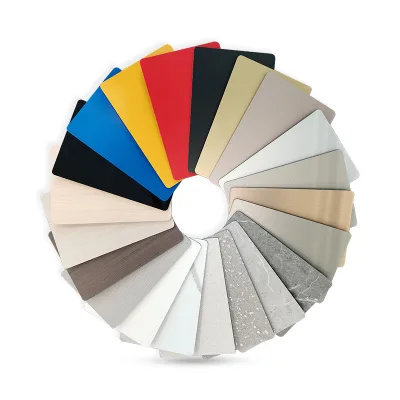
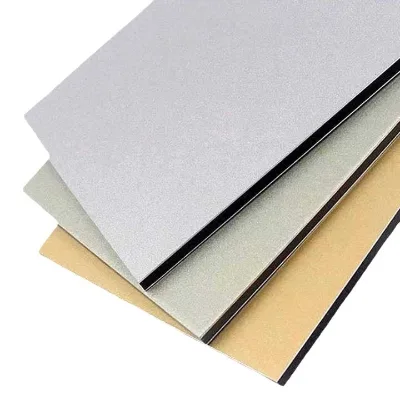
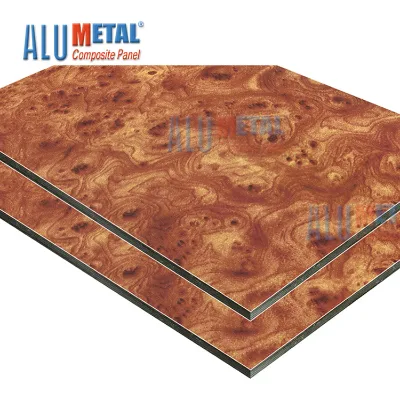
Wooden Grain Aluminium Composite Panel Acp Sheets Outdoor Building Decoration Aluminum Plastic Plate
$3.0859 - $12.339
MOQ: 500 Minimum



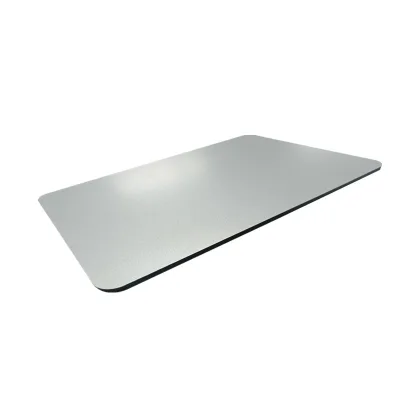


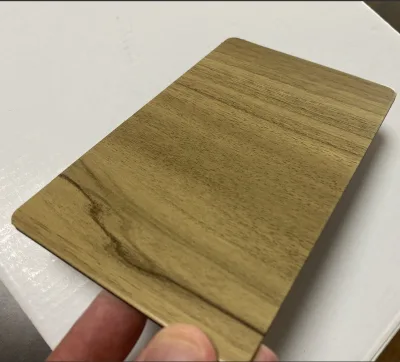
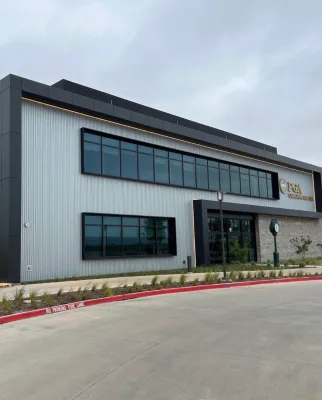
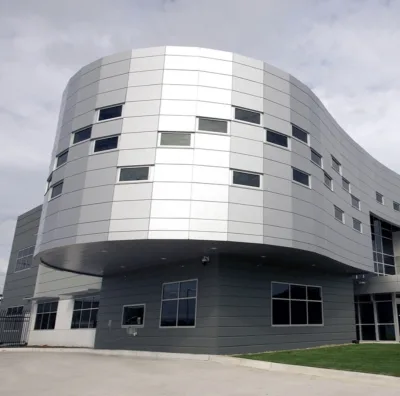





Comprehensive Sourcing Guide
A2 Grade Fireproof Aluminum-Plastic Panels Supplier Concentration and Factory Types
The current supplier landscape for A2 grade fireproof aluminum-plastic panels reveals a distinct concentration of manufacturing capabilities within specific Chinese industrial hubs. Evidence indicates that a significant portion of verified suppliers is located in Guangdong, China, a region historically known for its robust construction material supply chains. This geographic clustering suggests that buyers seeking direct factory engagement will likely encounter a high density of manufacturers in this province. These entities often operate as combined companies, meaning they possess the dual capacity to handle both Original Equipment Manufacturing (OEM) and Original Design Manufacturing (ODM) requests. This structural flexibility allows them to produce standardized A2 rated panels while also accommodating custom specifications for large-scale architectural projects. The presence of these combined entities implies that the supply chain is integrated, reducing the need for buyers to coordinate between separate component suppliers and assemblers.
In contrast to the manufacturing-heavy profile of Guangdong, other suppliers in the results are identified as trading companies located in regions such as Henan and Zhejiang. These trading entities primarily focus on hardware tools, industrial machinery, and power tools, yet they also list aluminum-plastic panels within their main product portfolios. This diversification indicates that not all suppliers specializing in A2 panels are dedicated manufacturers; some are intermediaries who aggregate products from various sources. For buyers, this distinction is critical because it affects the level of direct control over production quality and lead times. While trading companies may offer broader product ranges and potentially faster response times, as evidenced by some suppliers showing response times of one day, they may not provide the same depth of technical expertise regarding the specific fireproofing core materials as dedicated factories. Understanding this mix of factory types helps buyers align their sourcing strategy with their need for either direct manufacturing oversight or broad logistical convenience.
How to Verify A2 Grade Fireproof Aluminum-Plastic Panels Suppliers
Verifying the legitimacy and capability of suppliers for A2 grade fireproof aluminum-plastic panels requires a rigorous examination of their certification portfolios and production history. The most critical verification step involves confirming that the supplier holds valid ISO9001:2015 and ISO14001:2015 system certifications, which are explicitly listed in the current supplier results. These certifications serve as foundational proof of standardized quality management and environmental compliance, which are essential for construction materials that must meet strict safety codes. Beyond general system certifications, buyers must scrutinize product-specific certifications such as CE, ASTM, and ISO standards, which are frequently cited in product attributes. For A2 grade panels, it is imperative to request independent laboratory test reports that specifically validate the A2 fire rating, as some suppliers may list conflicting fireproofing properties like B1 Grade in their general descriptions. Buyers should never rely solely on the product title or keyword tags for verification; instead, they must demand documented evidence that the core material, whether PE or other composites, meets the non-combustible requirements of the A2 classification.
Another vital aspect of verification is assessing the supplier’s production experience and customization capabilities. The data shows that some suppliers boast more than twenty years of production experience, which can be a strong indicator of stability and technical maturity in handling complex fireproofing formulations. Buyers should verify this claim by asking for references from previous large-scale projects or by reviewing the supplier’s portfolio of completed works. Additionally, the availability of customization services, such as specific surface finishing options like PVDF or PE coatings, and precise panel thicknesses ranging from 2mm to 6mm, should be confirmed through direct communication. It is also necessary to check the supplier’s response time, which varies significantly across the market, with some suppliers responding within 10.62 hours and others within a single day. A rapid response time does not guarantee quality, but it often reflects a well-organized sales and technical support team. Buyers should also verify the supplier’s location claims, ensuring that the stated place of origin matches the actual manufacturing facility, especially when dealing with trading companies that may list origins like Andorra or other regions that do not align with their primary operational base.
What to Compare Across A2 Grade Fireproof Aluminum-Plastic Panels Suppliers
When evaluating multiple suppliers for A2 grade fireproof aluminum-plastic panels, buyers must systematically compare key operational metrics such as lead times, minimum order quantities, and pricing structures. The current market data reveals a wide variance in lead times, with some suppliers offering a lead time of 15 days, while others indicate a lead time of 23 days. This difference can significantly impact project schedules, particularly for time-sensitive construction projects. Similarly, minimum order quantities (MOQ) vary, with some suppliers requiring a minimum of 600 units, while others set the bar at 800 units or even lower starting quantities of 3 units for sample or small batch orders. Buyers should align these MOQs with their project volume to avoid excessive inventory costs or production delays. Pricing is another critical comparison point, with price ranges spanning from $6.50 to $25.80 per unit, depending on specifications such as aluminum thickness, coating type, and fireproofing grade. Buyers must ensure that they are comparing equivalent product specifications to avoid misleading price differences, as a lower price may correspond to a thinner aluminum skin or a less durable coating.
Beyond operational metrics, buyers should compare the technical specifications and functional attributes of the panels offered by different suppliers. The product attributes indicate variations in panel thickness, with options ranging from 4mm to a broader range of 2-6mm, and aluminum thicknesses varying from 0.05mm to 0.50mm. These physical dimensions directly influence the panel’s durability, weight, and cost. Additionally, the surface finishing options, such as PVDF or PE coatings, and special effects like fluorescent or smooth finishes, should be compared based on the intended application, whether it be curtain walls, external walls, or interior decoration. Buyers should also evaluate the supplier’s after-sales service capabilities, with some offering online technical support and others providing onsite training. The warranty terms, such as a one-year warranty, and the packing methods, including bulk and wooden package options, are also important factors. By creating a detailed comparison matrix that includes these technical and commercial details, buyers can make a more informed decision that balances cost, quality, and service requirements for their specific project needs.
Common A2 Grade Fireproof Aluminum-Plastic Panels Sourcing Risks
One of the primary risks in sourcing A2 grade fireproof aluminum-plastic panels is the potential discrepancy between claimed fire ratings and actual product performance. Some suppliers may list products with conflicting fireproofing properties, such as claiming B1 Grade while marketing the product as A2 rated. This inconsistency can lead to compliance issues and safety hazards if the panels do not meet the required non-combustible standards for the intended application. Buyers must be vigilant in verifying the core material composition, as some panels may use polyethylene (PE) cores that do not meet A2 standards, despite the product title suggesting otherwise. Another risk is the variability in aluminum thickness and coating quality, which can affect the panel’s longevity and resistance to environmental factors. Suppliers may list aluminum thicknesses ranging from 0.05mm to 0.50mm, and buyers must ensure that the specified thickness matches their structural and aesthetic requirements. Inconsistent quality control can also lead to issues with surface finishing, such as uneven coating or poor adhesion, which can compromise the panel’s appearance and durability.
Logistical and documentation risks are also significant concerns when sourcing from international suppliers. The place of origin listed in product attributes may not always reflect the actual manufacturing location, as seen in cases where suppliers list origins like Andorra or other regions that do not align with their primary operational base. This discrepancy can complicate customs clearance and affect the validity of certifications. Additionally, the packing methods, such as bulk or wooden box packaging, must be carefully reviewed to ensure that the panels are protected during transit to prevent damage. Buyers should also be aware of the potential for hidden costs, such as shipping fees, import duties, and insurance, which can significantly increase the total cost of ownership. Furthermore, the after-sales service capabilities of suppliers may vary, with some offering limited support compared to others. Buyers should verify the supplier’s ability to handle warranty claims and provide technical assistance, as inadequate support can lead to costly repairs or replacements if issues arise after installation. By identifying and mitigating these risks early in the sourcing process, buyers can ensure a smoother procurement experience and reduce the likelihood of project delays or quality failures.
A2 Grade Fireproof Aluminum-Plastic Panels Regional Sourcing and Logistics
The geographic distribution of suppliers for A2 grade fireproof aluminum-plastic panels plays a crucial role in determining logistics efficiency and cost. The current results highlight a significant concentration of manufacturers in Guangdong, China, a region known for its advanced manufacturing infrastructure and proximity to major shipping ports. Sourcing from this region can offer advantages in terms of streamlined production and faster export processes, given the established supply chain networks. However, buyers should also consider suppliers located in other Chinese provinces, such as Henan and Zhejiang, which may offer different logistical benefits depending on the destination of the shipment. Trading companies in these regions may provide additional flexibility in consolidating orders from multiple suppliers, which can be beneficial for buyers with diverse product requirements. The lead times associated with these regions, ranging from 15 to 23 days, should be factored into the overall project timeline, along with the transit time to the final destination. Buyers must also consider the impact of regional trade policies and tariffs, which can affect the total cost and delivery schedule.
Logistics planning also involves evaluating the packaging and handling requirements of the suppliers. The product attributes indicate that panels are typically packed in bulk or wooden packages, which must be suitable for long-distance transportation to prevent damage. Buyers should verify the single package size and gross weight, as these factors influence shipping costs and handling requirements. For example, some suppliers list single package sizes of 25x25x25 cm and single gross weights of 1.900 kg, which can help buyers estimate the number of packages and the total shipping volume. Additionally, the surface treatment and special effects of the panels, such as fluorescent or smooth finishes, require careful handling to avoid scratches or other damage during transit. Buyers should discuss specific packaging requirements with their suppliers to ensure that the panels are adequately protected. Furthermore, the availability of after-sales services, such as onsite training or online technical support, can be influenced by the supplier’s location, with local suppliers potentially offering more responsive support. By carefully considering these regional and logistical factors, buyers can optimize their sourcing strategy to minimize costs and ensure timely delivery.
A2 Grade Fireproof Aluminum-Plastic Panels Commercial Terms and Order Planning
Effective order planning for A2 grade fireproof aluminum-plastic panels requires a thorough understanding of the commercial terms offered by suppliers, including pricing structures, payment terms, and customization options. The current market data shows a wide price range, from $6.50 to $25.80 per unit, which reflects variations in product specifications such as aluminum thickness, coating type, and fireproofing grade. Buyers must ensure that they are comparing equivalent specifications to avoid misleading price differences. Additionally, the minimum order quantities (MOQ) vary, with some suppliers requiring a minimum of 600 units, while others set the bar at 800 units or even lower starting quantities of 3 units for sample or small batch orders. Buyers should align these MOQs with their project volume to avoid excessive inventory costs or production delays. Customization options, such as specific surface finishing and panel thickness
FAQs
What certifications do A2 fireproof aluminum composite panels have?
These panels typically hold CE, ASTM, ISO, and Green Leaf certifications. Such credentials verify compliance with international safety and environmental standards. Buyers should request valid certificates to confirm the specific fire rating and material composition before placing orders.
What is the typical price range for these panels?
Prices generally range from $6.50 to $25.80 per unit. The cost varies based on aluminum thickness, coating type, and order volume. Higher fire ratings and custom finishes often command premium pricing within this broad market spectrum.
What is the minimum order quantity for wholesale purchases?
Minimum order quantities usually start at 600 to 800 units. Suppliers may adjust these thresholds based on customization requirements or stock availability. Buyers should confirm the exact MOQ with the supplier to ensure it fits their project scale.
How long does production and delivery take?
Lead times typically average around 15 to 23 days. Response times for inquiries are often under 11 hours. These timelines depend on order size and specific customization needs, so early communication helps manage project schedules effectively.
What thickness options are available for A2 panels?
Standard panel thicknesses range from 2mm to 6mm, with 4mm being common. Aluminum skin thicknesses vary between 0.05mm and 0.50mm. Selecting the right combination ensures the panel meets structural and fire safety requirements for your specific application.
Where are these panels primarily manufactured?
Manufacturing hubs are located in China, specifically in Guangdong and Henan provinces. Some listings may indicate other origins, but Chinese factories dominate this supply chain. Verifying the actual place of origin is crucial for logistics and tariff calculations.