Abrasion Resistant Carbon Fiber Tube Suppliers and Manufacturers
Compare 25 verified suppliers offering Abrasion Resistant Carbon Fiber Tube with varying lead times, response speeds, and certifications. Review product attributes like raw materials and customization options before contacting vendors directly; review the available evidence before requesting comparable quotations from suitable candidates.
Updated
Suppliers List

Qingdao Lookingforward New Material Technology Co., Ltd.
- Verified by TUVRHEINLAND
- Trading Company,Manufacturer/Factory
- China Shandong
- Lead time15 days
- Avg. response≤ 4h
Main productsCarbon Fiber Fabric, Carbon Fiber Customized Product, Carbon Fiber Prepreg, Kevlar Fabric, Carbon Fiber Panels, Carbon Fiber Tubes, Carbon Fiber Rod, Hydraulic Tool, Pot Bearing, Expansion Joint
Main marketsSouth America,Eastern Europe,Mid East,North America,Southeast Asia,Eastern Asia,Oceania,Western Europe,Africa

Weihai Snowwing Outdoor Equipment Co., Ltd.
- Verified by TUVRHEINLAND
- Combined
- China Shandong
- Lead time23 days
- Avg. response≤ 3h
Main productsCarbon Fiber
Main marketsEurope
Dongguan Juli Composite Technology Co., Ltd.
- Manufacturer, Trading Company
- Lead time旺季: , 淡季:
- Avg. response≤ 6h
Main products3K Carbon Fiber Tubes, 3K Carbon Fiber Sheet, Carbon Fiber Molding Parts, Carbon Fiber Propellers, Fiberglass Tube
Jiaxing Fupower Auto Parts Co., Ltd.
- Verified by TüVRheinland
- Manufacturer, Trading Company
- Lead time20 days
- Avg. response≤ 2h
Main productsExhaust Pipe
Main marketsNorth America(99%), Domestic Market(1%)

Guangdong Shenyang New Material Technology Co., Ltd.
- Verified by CTI
- Combined
- China Guangdong
- Lead time15 days
- Avg. response≤ 2h
Main productsCarbon Fiber Composite Materials, Carbon Fiber Sheets, Carbon Fiber Tubes, Carbon Fiber Drone Frames, Carbon Fiber Sports Equipment, Carbon Fiber Automotive Parts, Carbon Fiber Aerospace Components, Carbon Fiber Industrial Products, Carbon Fiber Medical Devices, Carbon Fiber Consumer Goods
Main marketsSouth America,Africa,Southeast Asia/ Mideast,East Asia(Japan/ South Korea),Domestic,Europe,Australia,North America

Corrosion-Resistant Carbon Fiber Tubes for Harsh Environment Applications.
$0.90 - $99.00
MOQ: 100 Pieces


Jiangsu Horyen International Trade Co., Ltd.
- Verified by SGS Group
- Manufacturer, Trading Company
- Lead time3 days
- Avg. response≤ 1h
Main productsCarbon Fiber Fabric, Carbon Fiber Sheet/Carbon Fiber Tube
Main marketsNorth America(47%), Southeast Asia(10%), Oceania(8%)
Guangdong Bohao Composites Co., Ltd.
- Verified by SGS Group
- Trading Company
- Lead time20 days
- Avg. response≤ 2h
Main productsFiberglass, Carbon Fiber, Resin, Aramid, PVC
Main marketsSoutheast Asia(65%), South America(10%), Mid East(10%)
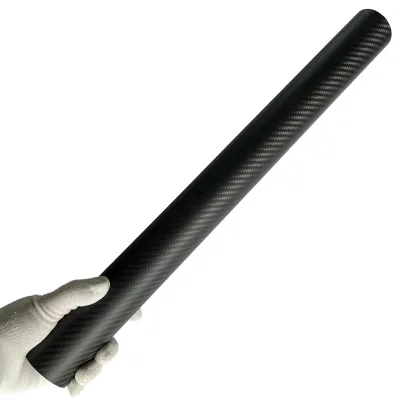
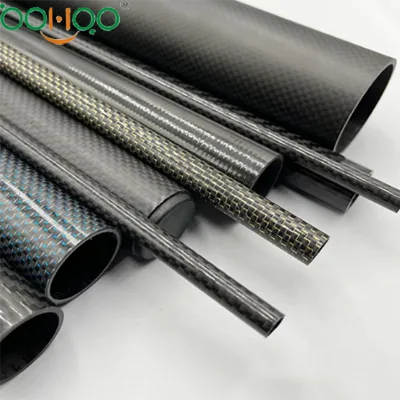
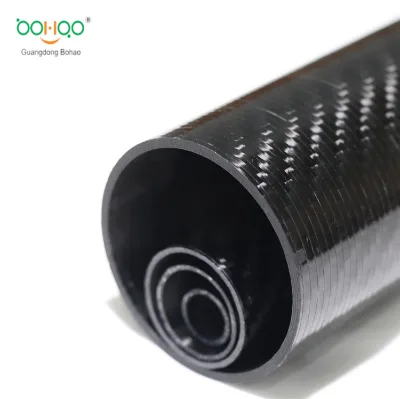
square Round Carbon Fiber Pipe Tube for Wind Turbine Blade Reinforcement
$5.1381 - $10.2748
MOQ: 100 kilograms
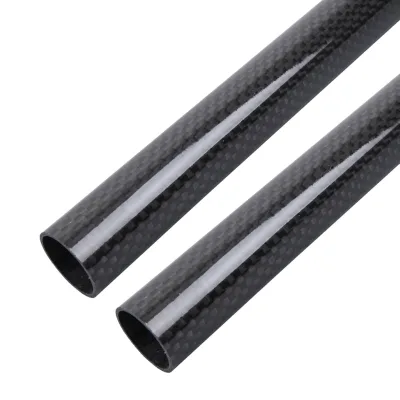
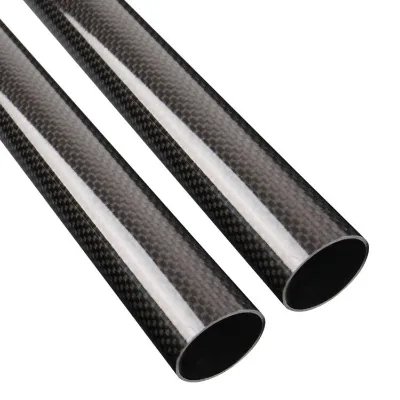
Electrically Conductive 16 X 14 Carbon Fiber Tube 62mm for Grounding Systems
$5.00 - $10.00
MOQ: 100 kilograms
Dongguan Jinwang Fiber Products Co., Ltd
- Manufacturer, Trading Company
- Guangdong, China
- Lead time10 days
- Avg. response≤ 6h
Main products3K Carbon Fiber Tube, Carbon Fiber Rod, Carbon Fiber Parts, Fiberglass Tube, 3K Carbon Fiber Sheet
Main marketsDomestic Market(50.00%), Eastern Europe(13.00%), South America(7.00%), Oceania(5.00%), Western Europe(5.00%), Southern Europe(5.00%), South Asia(4.00%), North America(3.00%), Africa(3.00%), Central America(2.00%), Eastern Asia(1.00%), Mid East(1.00%), Southeast Asia(1.00%)
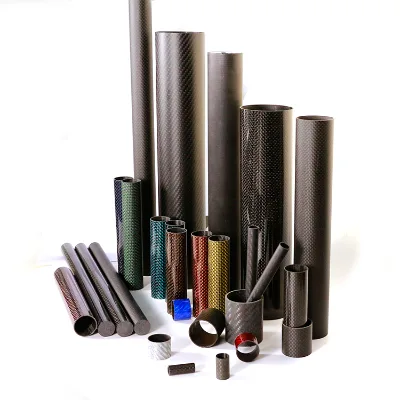
$0.45 - $30.00
MOQ: 30 Minimum
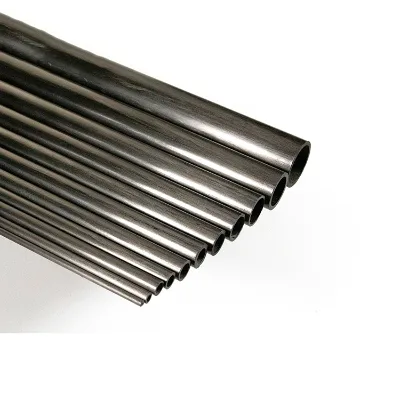
$0.4674 - $31.1224
MOQ: 30 Minimum

Wuhan Haiwei Naval Architecture and Ocean Engineering Technology Co., Ltd
- Verified by TUVRHEINLAND
- Combined
- China Hubei
- Lead time15 days
- Avg. response≤ 25h
Main productsCarbon Fiber Raw Materials, Car Hood, Automobile Wheel Hub, Car Rearview Mirror, Paint Sales, Coating Services, Automotive Structural Components, Automotive Decorative Parts, Technical Research and Development, Shipbuilding Products
Main marketsDomestic

Zibo Xinnuo International Trading Co., Ltd
- Verified by CTI
- Trading Company
- China Shandong
- Lead time15 days
- Avg. response≤ 2h
Main productsCarbon Fiber Tube, Carbon Fiber Plate, Carbon Fiber Telescopic Pole, Carbon Fiber Sheet, Custom Carbon Fiber Tubing, Fiberglass Tubes Plates, Carbon Fiber Window Cleaning Pole, Carbon Fiber Wate Fed Pole, Carbon Fiber Rescue Pole, Carbon Fiber Rod
Main marketsDomestic,Europe,Australia,North America

How to Connecting Carbon Fiber Tubes Reinforced Carbon Fiber Products Carbon Fiber Rods
$5.00 - $100.00
MOQ: 3 Pieces


1mm 10mm 16mm Thickness Carbon Fiber Tubes Rods Resistant to Corrosion and Wear
$5.00 - $100.00
MOQ: 3 Pieces
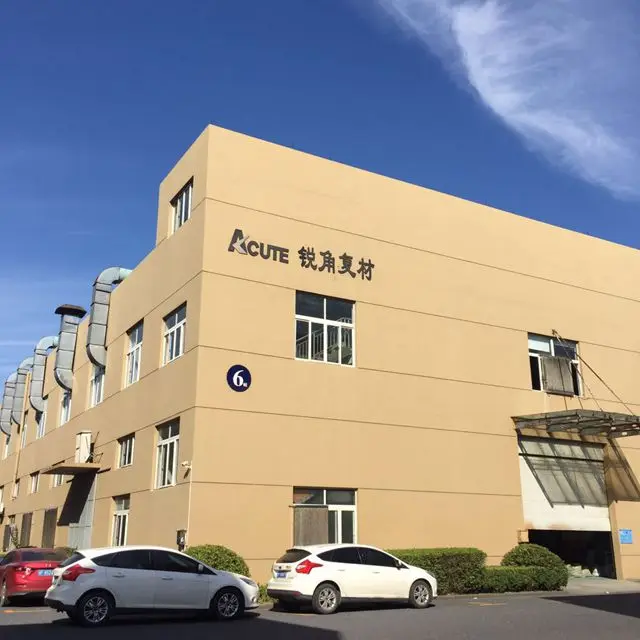
Jiaxing Acute Composites Technology Co., Ltd.
- Manufacturer
- Zhejiang, China
- Lead time30 days
- Avg. response≤ 24h
Main productscarbon fiber plate,carbon fiber tube,carbon fiber parts,carbon fiber insoles,carbon fiber components
Main marketsDomestic Market(35.00%), North America(35.00%), Western Europe(20.00%), Northern Europe(10.00%)
Weihai Guangwei Composites Co., Ltd.
- Manufacturer, Trading Company
- Shandong, China
- Lead time0 days
- Avg. response≤ 6h
Main productsCarbon Fiber, Fabrics, Prepreg, Carbon Fiber Composites Components, Precise Machinery
Main marketsDomestic Market(25.00%), North America(10.00%), Western Europe(10.00%), Eastern Asia(10.00%), Southeast Asia(10.00%), South Asia(5.00%), Oceania(5.00%), Southern Europe(5.00%), Northern Europe(5.00%), Africa(5.00%), Eastern Europe(5.00%), Mid East(5.00%)
Zaoqiang County Lianzhong FRP Environmental Protection Equipment Factory
- Trading Company
- Hebei, China
- Lead time30 days
- Avg. response≤ 1h
Main productsFRP Pultrusion machine,FRP Wire mesh machine,FRP rebar machine,FRP Winding machine
Main marketsSoutheast Asia(20.00%), Eastern Asia(20.00%), Africa(20.00%), Mid East(15.00%), North America(15.00%), Central America(5.00%), South America(5.00%)
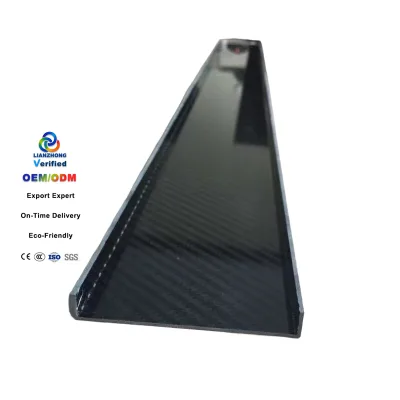
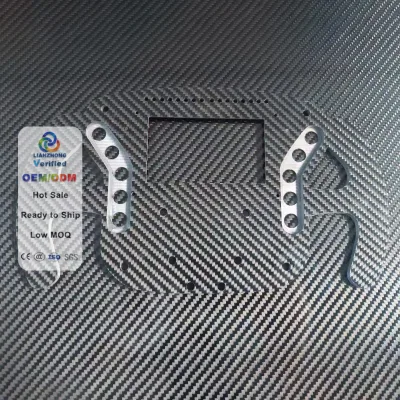
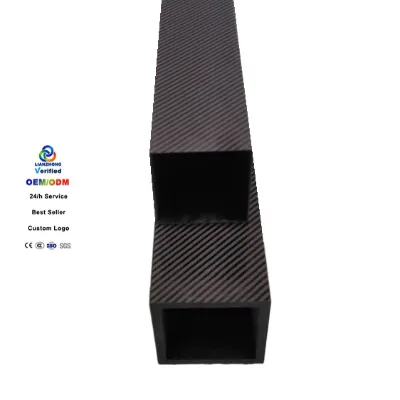
$2.60 - $3.00
MOQ: 50 meters
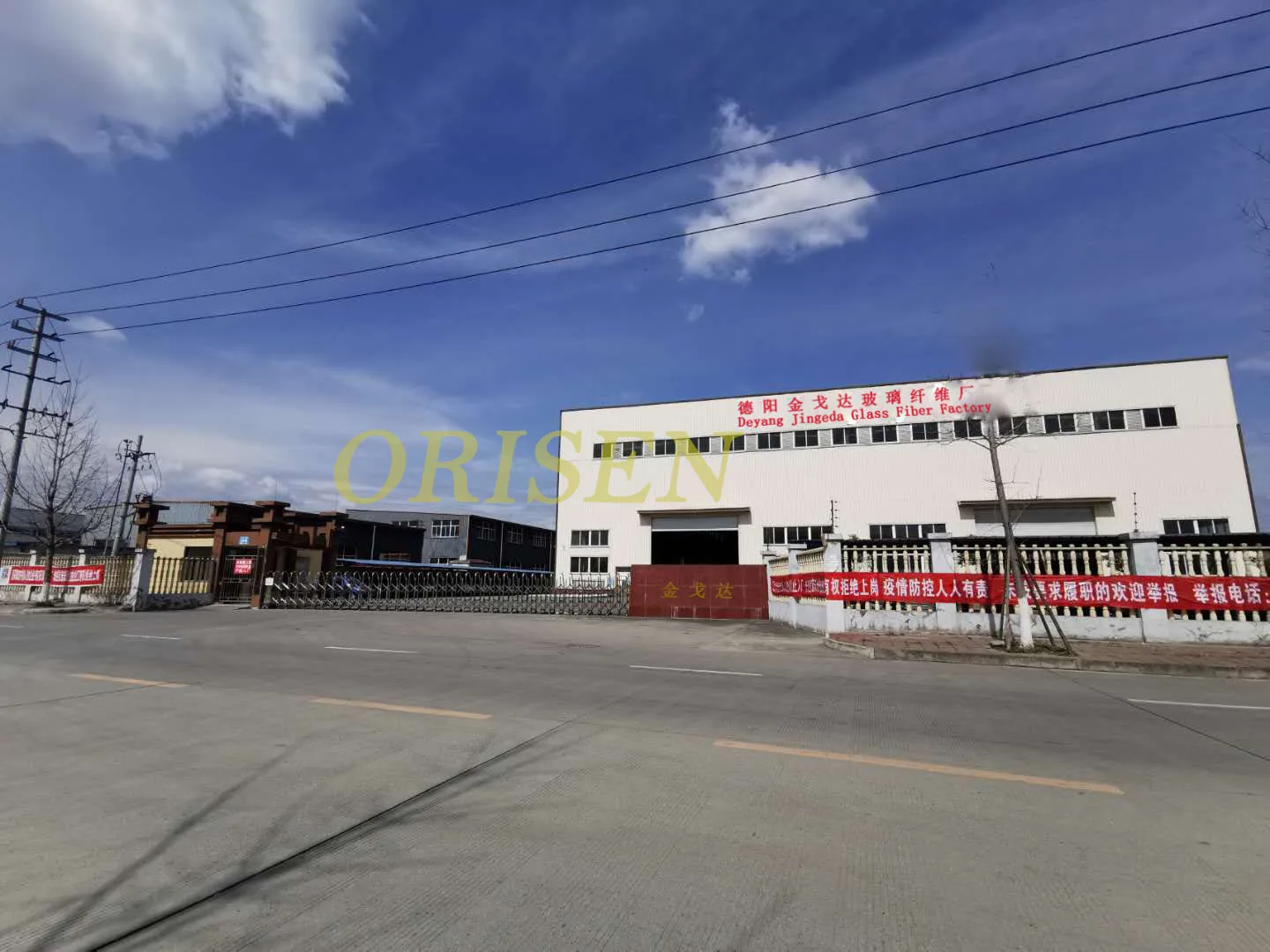
Shanghai Orisen New Materials Technology Co., Ltd.
- Manufacturer, Trading Company
- Shanghai, China
- Lead time20 days
- Avg. response≤ 3h
Main productsChemical Products, Fiberglass Products, Carbon Fiber Products, Resins, Composites Products
Main marketsNorth America(20.00%), South America(18.00%), Northern Europe(12.00%), Eastern Europe(10.00%), Southeast Asia(10.00%), South Asia(5.00%), Oceania(5.00%), Eastern Asia(5.00%), Africa(5.00%), Mid East(5.00%), Western Europe(3.00%), Domestic Market(2.00%)
Dongguan Juli Composite Technology Co., Ltd.
- Manufacturer, Trading Company
- Lead time旺季: "1 - 1000":7,"> 1000":"To be negotiated", 淡季: "1 - 1000":7,"> 1000":"To be negotiated"
- Avg. response≤ 4h
Main productsCarbon Fiber Tube, Carbon Fiber Products, Carbon Fiber Golf Shaft, Carbon Fiber Sheet, New Energy Vehicle Parts
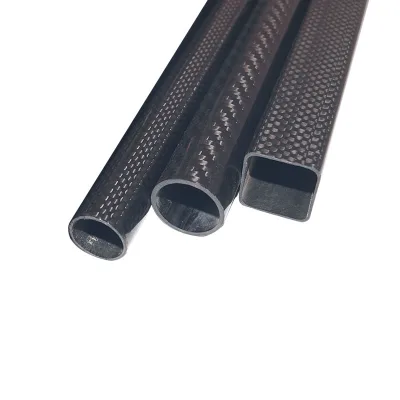
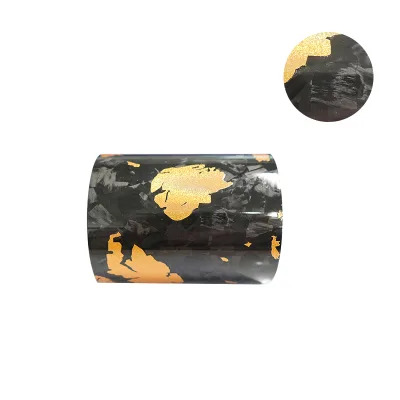
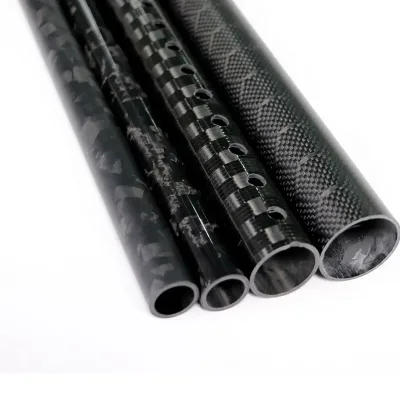
Lightweight Forged Carbon Fiber Tube with Circular Pattern Colorful Sports Equipment Carbon Tube
$2.00 - $15.00
MOQ: 5 Minimum
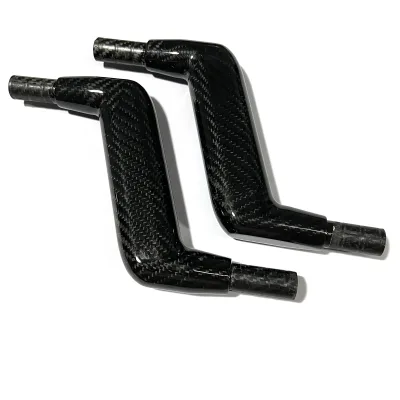
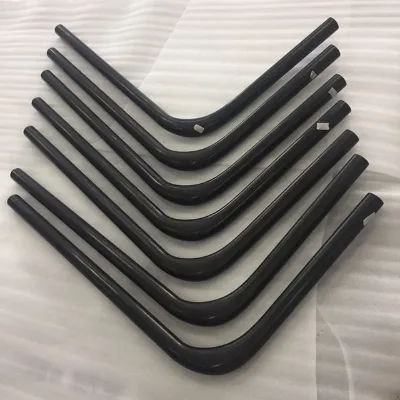
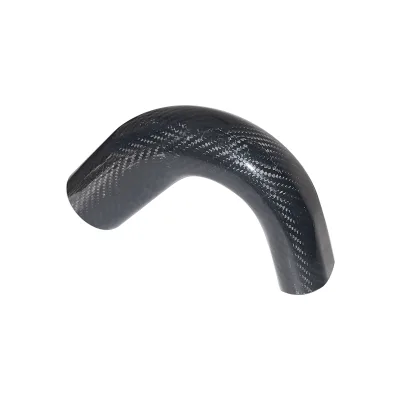
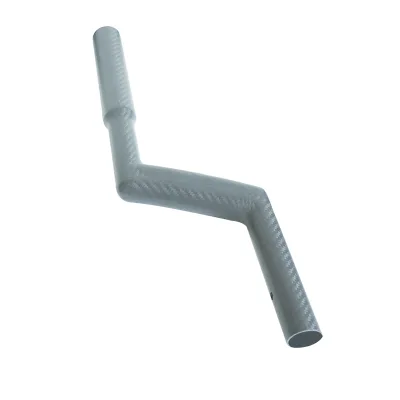
Custom-Bent Carbon Fiber Tubes for Ergonomic Furniture Design Premium Carbon Material
$12.50 - $21.00
MOQ: 50 Minimum
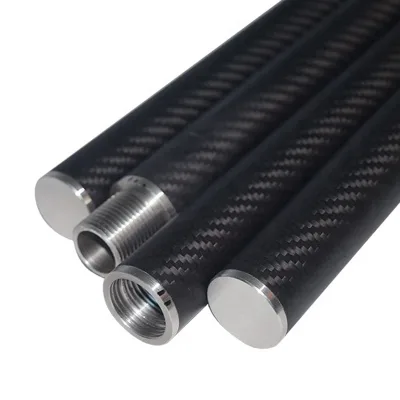
$1.0231 - $30.5532
MOQ: 20 Minimum
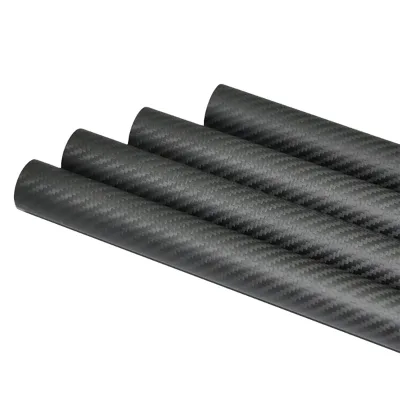
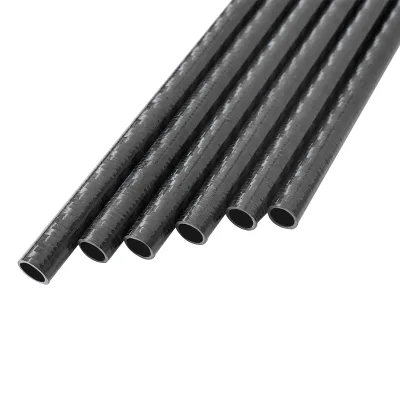
Electrical Insulation Carbon Fiber Pipes Non-Conductive Product Category
$12.50 - $21.00
MOQ: 50 Minimum
- Trading Company
- Jiangsu, China
- Lead time15 days
- Avg. response≤ 6h
Main productscarbon fiber sheet,carbon fiber fabric,kevlar fabric,carbon fiber tube,uhmwpe fabric
Main marketsNorth America(48.00%), Western Europe(10.00%), Northern Europe(5.00%), Domestic Market(5.00%), Southeast Asia(5.00%), Eastern Asia(5.00%), South Asia(3.00%), Southern Europe(3.00%), Oceania(3.00%), Central America(3.00%), South America(3.00%), Eastern Europe(3.00%), Mid East(3.00%), Africa(1.00%)
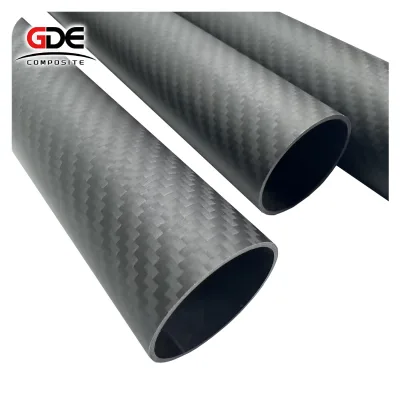
$10.9084 - $29.3263
MOQ: 100 pieces
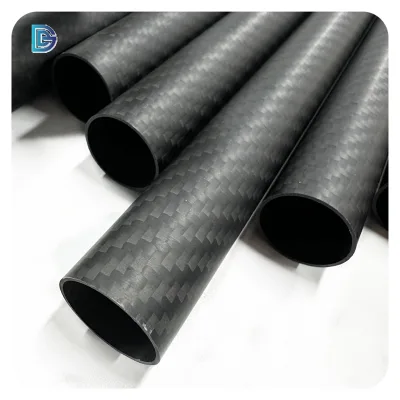
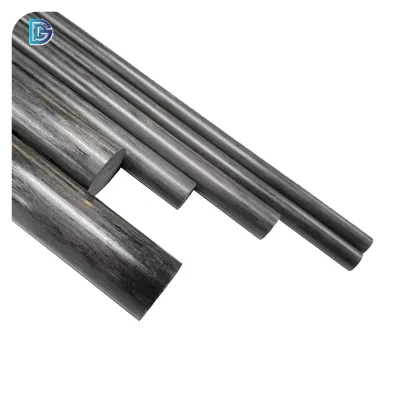
- Verified by Intertek
- Manufacturer, Trading Company
- Lead time0 days
- Avg. response≤ 3h
Main productsAluminum Coil, Aluminum Sheet, Carbon Fiber Fabric, Fiberglass Yarn, Fiberglass Mat
Main marketsNorth America(80%), Western Europe(20%)
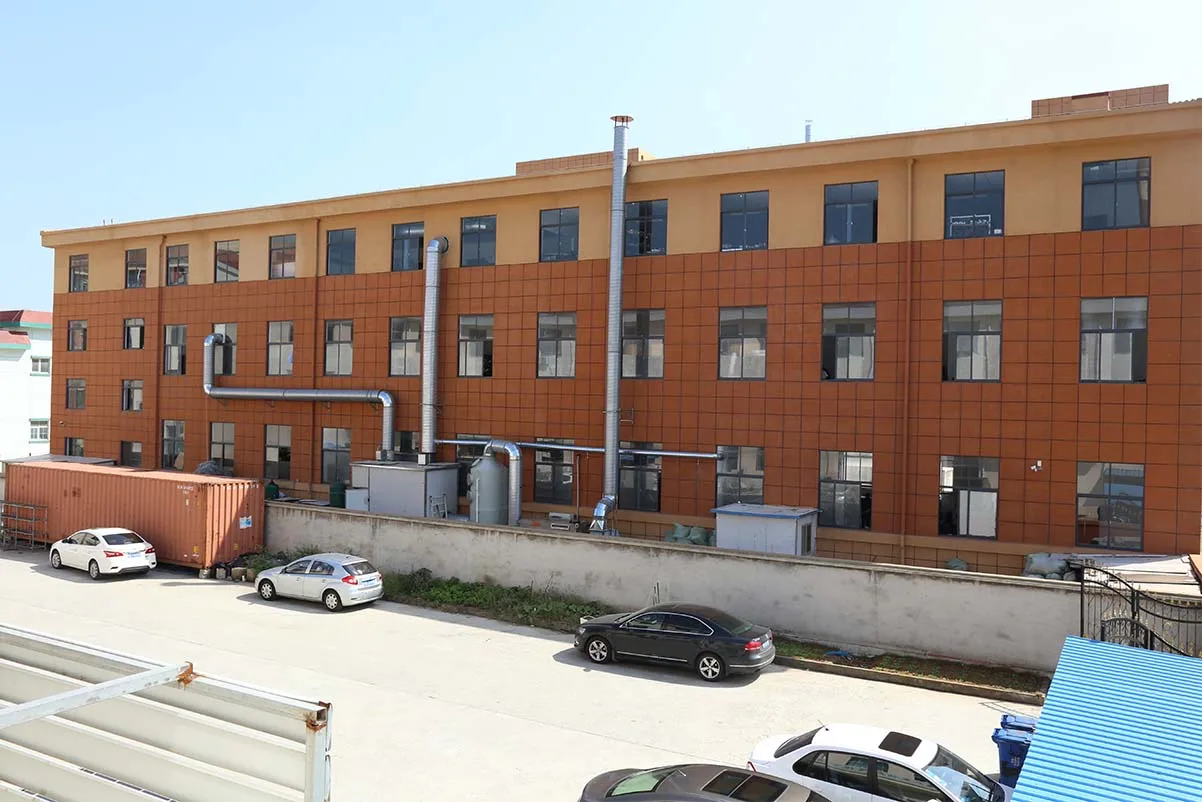
Weihai Fangtan Composite Co., Ltd.
- Manufacturer, Trading Company
- Shandong, China
- Lead time0 days
- Avg. response≤ 2h
Main productscarbon fiber tube,carbon fiber plate,carbon fiber rod,carbon fiber telescopic tube,carbon fiber sheet
Main marketsNorth America(25.00%), Eastern Europe(21.00%), Western Europe(17.00%), Oceania(12.00%), South America(10.00%), Central America(6.00%), Southeast Asia(5.00%), Eastern Asia(4.00%)

Weihai Senhe Import and Export Co., Ltd.
- Verified by SGS
- Combined
- China Shandong
- Lead time15 days
- Avg. response≤ 9h
Main productsCarbon Fiber Tube
Main marketsEurope,North America
Guangdong Haoheng New Material Co., Ltd.
- Verified by TüVRheinland
- Manufacturer, Trading Company
- Lead time7 days
- Avg. response≤ 1h
Main productsGlass Fiber, Carbon Fiber
Main marketsEastern Europe(20%), Africa(20%), Domestic Market(11%)
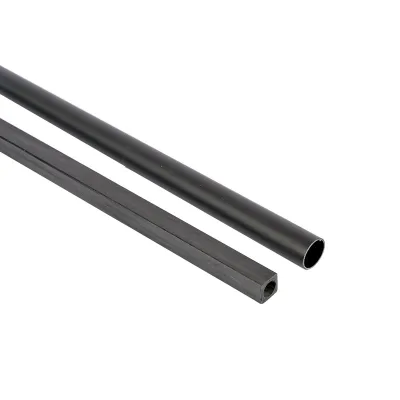
$12.50 - $19.88
MOQ: 30 pieces
Hongbang(shandong) Composites Co., Ltd.
- Verified by Intertek
- Manufacturer, Trading Company
- Shandong, China
- Lead time30 days
- Avg. response≤ 3h
Main productsFrp Products, Frp Floor, Plastic Products
Main marketsNorth America(30%), Western Europe(30%), Domestic Market(20%)
$1.8515 - $2.0568
MOQ: 500 meters

Qingyuan Puhe New Material Technology Co., Ltd.
- Combined
- China Guangdong
- Lead time23 days
- Avg. response≤ 4h
Main productsFiberglass Flat Bar, Fiberglass Hollow Rod, Fiberglass Solid Rod, FRP Rod with Plastic Coating, Fiberglass Rod with Surface Finish, Fiberglass Stake Rod, Fiberglass Profles, Carbon Fiber Products
Main marketsDomestic


Wholesale Price High Quality High Strength Pultruded Lightweight Pipe Carbon Fiber Tube
$3.50 - $6.00
MOQ: 500 Meters
Dongguan Juli Composite Technology Co., Ltd.
- Verified by SGS Group
- Manufacturer, Trading Company
- Lead time0 days
- Avg. response≤ 6h
Main products3K Carbon Fiber Tubes, 3K Carbon Fiber Sheet, Carbon Fiber Molding Parts, Carbon Fiber Autoclave Parts, Fiberglass Tube
Main marketsNorth America(35%), Domestic Market(29%), Western Europe(20%)
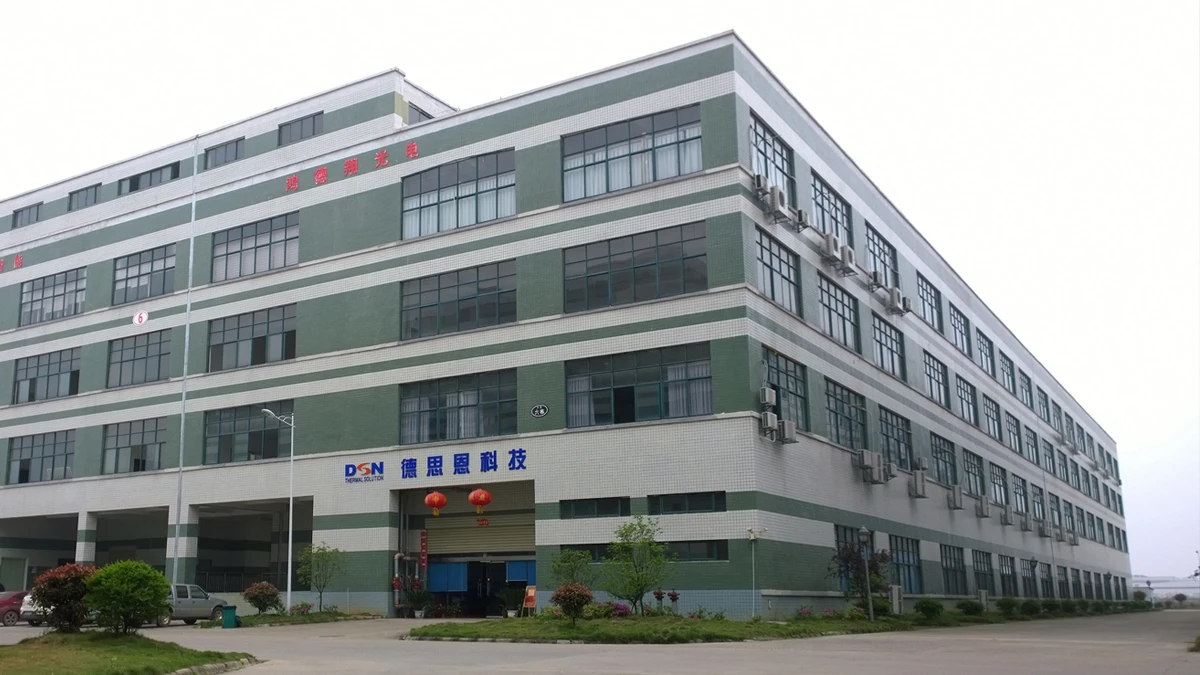
Jiangxi Dasen Technology Co., Ltd.
- Manufacturer, Trading Company
- Jiangxi, China
- Lead time7 days
- Avg. response≤ 6h
Main productsGraphite sheet,Thermal pad,Carbon fiber,Heat dissipation material,Thermal gel
Main marketsEastern Europe(50.00%), Southeast Asia(29.00%), South America(8.00%), Western Europe(3.00%), Domestic Market(1.00%), South Asia(1.00%), Southern Europe(1.00%), Northern Europe(1.00%), Central America(1.00%), North America(1.00%), Eastern Asia(1.00%), Mid East(1.00%), Oceania(1.00%), Africa(1.00%)
Shandong Evergreen Industries Ltd.
- Verified by TüVRheinland
- Manufacturer, Trading Company
- Lead time20 days
- Avg. response≤ 3h
Main productsFlower Pots, Nursery Trays & Lids, Plastic Products, Hanging Baskets
Main marketsOceania(9%), North America(8%), South America(8%)


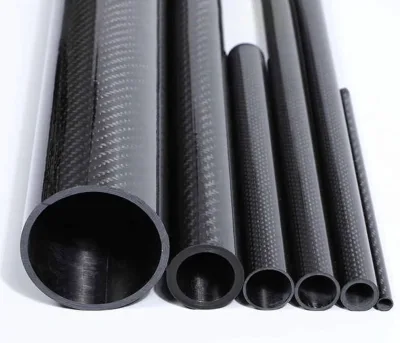
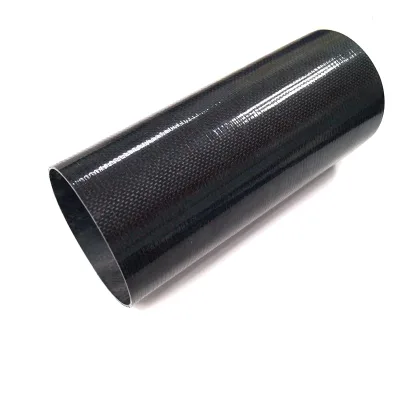
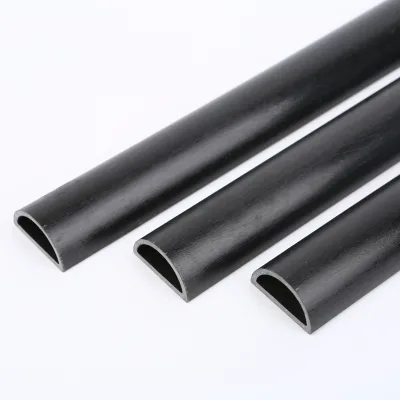
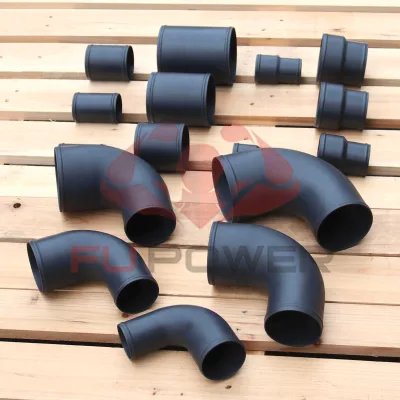


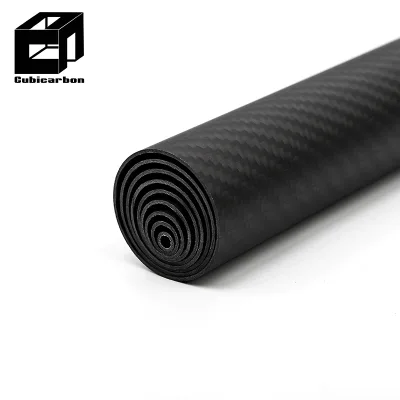
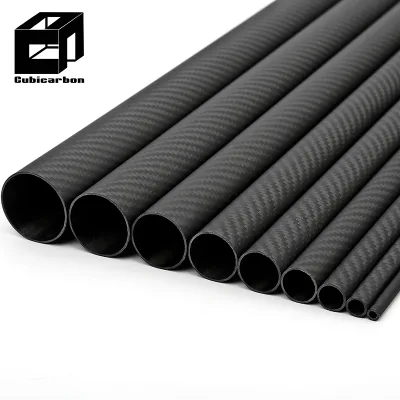


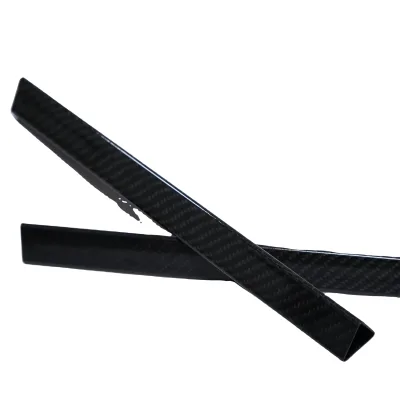
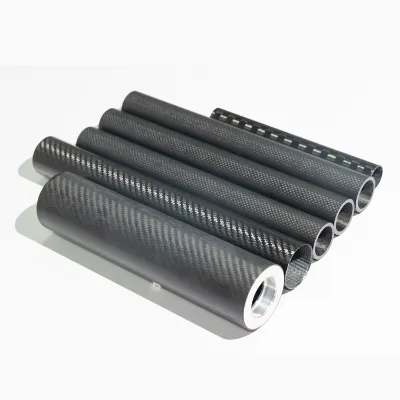
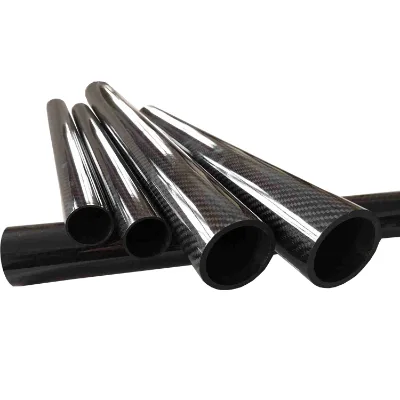
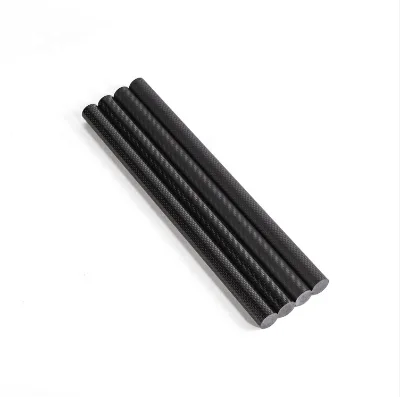
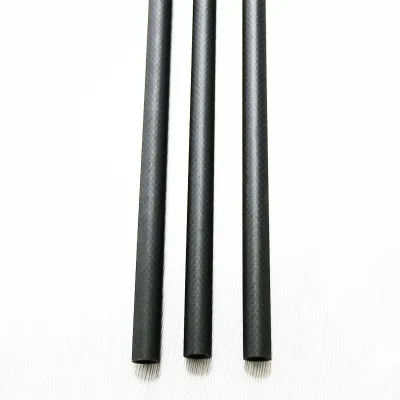
Comprehensive Sourcing Guide
Abrasion Resistant Carbon Fiber Tube Supplier Concentration and Factory Types
The current supplier landscape for Abrasion Resistant Carbon Fiber Tube products reveals a distinct concentration of manufacturing and trading entities within specific industrial regions in China. Data indicates that a significant portion of these suppliers are located in Shandong province, with additional presence noted in Weihai and Guangdong. This geographic clustering suggests established supply chains for raw materials such as polyacrylonitrile-based carbon fiber, pitch-based carbon fiber, and viscose-based carbon fiber, which are critical for producing high-strength tubes. Buyers should recognize that these locations are not merely administrative addresses but hubs where specialized production capabilities, such as roll wrapping, molding, and pultrusion, are concentrated. The presence of suppliers in Weihai, for instance, correlates with specific product attributes like chopped fiber states and custom surface finishes, indicating regional specialization in certain manufacturing techniques. Understanding this geographic distribution allows buyers to assess the logistical feasibility of sourcing and the likelihood of finding suppliers with relevant experience in handling specific carbon fiber precursors. The concentration in these areas often implies a mature ecosystem of supporting industries, from raw material processing to final tube finishing, which can impact both quality consistency and production scalability.
Supplier types in this sector vary between pure manufacturers, trading companies, and combined entities that offer both production and sales services. Many listed suppliers identify as manufacturers or factories, possessing the capability to produce carbon fiber tubes with high-performance mechanical properties and high-strength types. Others operate as trading companies, potentially aggregating products from multiple factories to offer a broader catalog, including related items like carbon fiber fabric, prepreg, and custom panels. Some suppliers are classified as combined entities, leveraging both manufacturing and trading advantages to provide OEM and ODM services. This diversity in company structure means that buyers must carefully distinguish between direct factory sources and intermediaries, as this distinction affects pricing transparency, communication efficiency, and control over the production process. The availability of customization options, such as available customization for raw materials and shapes, is often tied to the supplier’s type, with manufacturers typically offering more direct control over the manufacturing parameters. Recognizing these structural differences helps buyers align their sourcing strategy with their need for direct production oversight versus catalog breadth and logistical convenience.
How to Verify Abrasion Resistant Carbon Fiber Tube Suppliers
Verifying the credibility and operational capacity of suppliers requires a multi-layered approach that goes beyond basic company profiles. One critical step is to check for third-party verification badges, such as those provided by TÜV Rheinland, which indicate that the supplier has undergone external audits for business legitimacy and operational standards. Buyers should prioritize suppliers who display such verification marks, as they provide an additional layer of confidence regarding the company’s existence and compliance with basic business practices. Additionally, examining the system certifications listed by suppliers is essential for assessing their commitment to quality and safety management. Certifications such as ISO 9001, ISO 14001, TS 16949, and OHSAS 18001 suggest that the supplier has implemented standardized processes for quality control, environmental management, and occupational health and safety. While not all suppliers may display every certification, the presence of these credentials indicates a structured approach to manufacturing and risk management. Buyers should request copies of these certificates and verify their validity through the issuing bodies to ensure they are current and applicable to the specific products being sourced.
Beyond certifications, buyers should assess the supplier’s responsiveness and technical capability through direct engagement. The response time metric, which can vary significantly among suppliers, serves as an indicator of their operational efficiency and customer service commitment. Suppliers with faster response times, such as those averaging under three days, are often more agile in addressing inquiries and resolving issues. Buyers should also evaluate the supplier’s ability to provide detailed product specifications, including raw material sources, mechanical properties, and surface finishes. For abrasion resistant carbon fiber tubes, it is crucial to verify the specific type of carbon fiber used, such as polyacrylonitrile-based or pitch-based, and the manufacturing technology employed, such as roll wrapping or molding. Requesting samples or detailed technical datasheets can help buyers assess the actual product quality and suitability for their application. Furthermore, checking the supplier’s main products and product keywords can provide insights into their specialization and experience in the carbon fiber tube sector. A supplier with a focused product line and relevant keywords is likely to have deeper expertise and more consistent quality control measures.
What to Compare Across Abrasion Resistant Carbon Fiber Tube Suppliers
When evaluating multiple suppliers, buyers should systematically compare key operational and commercial metrics to identify the most suitable partner. Lead time is a critical factor, as it directly impacts production schedules and inventory management. Suppliers may offer varying lead times, ranging from fifteen days to twenty-three days or more, depending on their current capacity and order volume. Buyers should align their procurement timelines with the supplier’s stated lead times to avoid delays. Similarly, the minimum order quantity (MOQ) is a significant consideration, as it affects the initial investment and inventory risk. MOQs can vary, with some suppliers requiring as few as ten pieces, while others may have higher thresholds, such as one hundred pieces. Understanding these MOQs helps buyers determine the feasibility of small-scale trials or large-volume orders. Additionally, comparing the price ranges provided by suppliers can offer insights into their pricing strategies and value propositions. Prices for carbon fiber tubes can range from low single digits to higher amounts, reflecting differences in material quality, customization levels, and production complexity.
Another important aspect of comparison is the supplier’s customization capabilities and product attributes. Buyers should assess whether the supplier offers available customization for raw materials, shapes, and surface finishes, as these factors can significantly impact the final product’s performance and appearance. For abrasion resistant carbon fiber tubes, specific attributes such as high-strength performance, high-performance mechanical properties, and specific surface treatments like twill, plain, or glossy finishes are crucial. Comparing the raw material types, such as polyacrylonitrile-based, pitch-based, or viscose-based carbon fiber, can also help buyers identify suppliers with the appropriate material expertise for their application. Furthermore, evaluating the supplier’s response time and communication efficiency is essential for ensuring smooth collaboration throughout the procurement process. Suppliers with faster response times are often more responsive to inquiries and more likely to provide timely updates on order status. By systematically comparing these metrics, buyers can make informed decisions that balance cost, quality, and service requirements, ultimately selecting a supplier that best meets their specific needs.
Common Abrasion Resistant Carbon Fiber Tube Sourcing Risks
Sourcing abrasion resistant carbon fiber tubes involves several potential risks that buyers must proactively manage to ensure successful procurement. One significant risk is the variability in product quality and specifications, which can arise from differences in raw material sources and manufacturing processes. Carbon fiber tubes can be produced using various precursors, such as polyacrylonitrile, pitch, or viscose, each offering distinct mechanical properties and performance characteristics. If a supplier does not clearly specify the raw material type or manufacturing technology, buyers may receive products that do not meet their performance requirements. Additionally, the state of the carbon fiber, whether filament or chopped, can impact the tube’s structural integrity and surface finish. Buyers should mitigate this risk by requesting detailed technical specifications and verifying the supplier’s ability to produce tubes with the required high-strength and high-performance attributes. Conducting pre-production samples and quality inspections can help identify any discrepancies before committing to large orders.
Another common risk is the potential for delays in delivery and communication breakdowns, which can disrupt supply chains and project timelines. Suppliers with longer lead times or slower response rates may struggle to meet urgent deadlines or address issues promptly. This risk is exacerbated when dealing with trading companies that may not have direct control over production schedules. Buyers should assess the supplier’s operational capacity and reliability by reviewing their response times and lead time commitments. Establishing clear communication channels and regular update protocols can help mitigate these risks. Furthermore, buyers should be cautious of suppliers who do not provide transparent pricing or have ambiguous terms regarding customization and packaging. Ensuring that all commercial terms, including pricing, MOQs, and delivery schedules, are clearly documented in the contract can prevent misunderstandings and disputes. By identifying and addressing these risks early in the sourcing process, buyers can enhance the reliability and efficiency of their procurement operations.
Abrasion Resistant Carbon Fiber Tube Regional Sourcing and Logistics
The geographic location of suppliers plays a crucial role in determining logistics costs, delivery times, and overall supply chain efficiency. Many carbon fiber tube suppliers are concentrated in Shandong province, with additional clusters in Weihai and Guangdong. These regions offer established infrastructure for manufacturing and exporting industrial products, which can facilitate smoother logistics operations. Buyers should consider the proximity of suppliers to major ports and transportation hubs when evaluating sourcing options, as this can impact shipping costs and transit times. For instance, suppliers in Shandong may have easier access to northern Chinese ports, while those in Guangdong may benefit from southern port facilities. Understanding these logistical advantages can help buyers optimize their supply chain and reduce transportation expenses. Additionally, buyers should assess the supplier’s experience in international shipping and their ability to handle export documentation and customs clearance, as these factors can influence the overall efficiency of the procurement process.
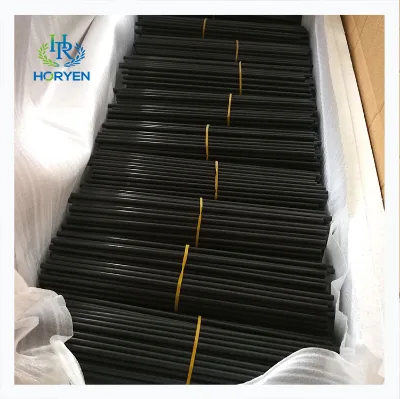
Logistics planning also involves considering the packaging and handling requirements of carbon fiber tubes, which are delicate and require careful protection during transit. Suppliers may offer various packaging options, such as carton packing, palletized shipping, or customized packaging, to ensure the tubes arrive in good condition. Buyers should verify the supplier’s packaging standards and request details on how the tubes are secured and protected during shipping. This is particularly important for long-distance shipments, where the risk of damage is higher. Furthermore, buyers should evaluate the supplier’s ability to coordinate with freight forwarders and manage logistics arrangements, as this can simplify the import process and reduce administrative burdens. By carefully considering regional sourcing advantages and logistics requirements, buyers can develop a robust supply chain strategy that minimizes risks and enhances operational efficiency. This includes selecting suppliers with proven logistical capabilities and establishing clear communication protocols for shipping and delivery updates.
Abrasion Resistant Carbon Fiber Tube Commercial Terms and Order Planning
Effective order planning and negotiation of commercial terms are essential for successful procurement of abrasion resistant carbon fiber tubes. Buyers should clearly define their requirements for customization, including specific dimensions, surface finishes, and material types, to ensure the supplier can meet their needs. Suppliers often offer available customization for raw materials, shapes, and surface treatments, but these options may come with additional costs or longer lead times. Buyers should discuss these customization details early in the sourcing process to avoid misunderstandings and ensure accurate pricing. Additionally, buyers should negotiate clear terms regarding pricing, payment methods, and delivery schedules. Prices for carbon fiber tubes can vary based on factors such as material quality, customization level, and order volume, so buyers should seek competitive quotes and compare offers from multiple suppliers. Establishing a transparent pricing structure and agreeing on payment terms, such as deposits and balance payments, can help manage cash flow and reduce financial risk.
Order planning also involves coordinating with the supplier to manage production schedules and inventory levels. Buyers should provide accurate forecasts and order quantities to help the supplier plan production and allocate resources efficiently. This is particularly important for suppliers with limited capacity or long lead times. Buyers should also establish clear communication protocols for order updates, quality inspections, and issue resolution. Regular communication can help prevent delays and ensure that the supplier is aware of any changes in requirements or delivery schedules. Furthermore, buyers should consider the supplier’s after-sales support and warranty policies, as these can provide additional protection against product defects or performance issues. By carefully planning orders and negotiating favorable commercial terms, buyers can build a strong partnership with their suppliers and ensure a smooth and efficient procurement process. This includes setting realistic expectations, maintaining open communication, and fostering a
FAQs
What raw materials are used for carbon fiber tubes?
Suppliers utilize Polyacrylonitrile-Based, Pitch-Based, and Viscose-Based Carbon Fiber to manufacture these tubes. The specific raw material choice influences the final mechanical properties and performance characteristics of the finished product. Buyers should verify the exact material composition required for their specific application needs.
What is the typical lead time for orders?
The observed lead times for these products range from 15 to 23 days. This duration depends on the specific supplier and order volume. Buyers should confirm the exact production schedule with the supplier before placing an order to ensure timely delivery for their project requirements.
What is the minimum order quantity for these tubes?
The minimum order quantities vary, with some suppliers requiring 10 pieces while others require 100 pieces. This threshold depends on the specific product model and customization level. Buyers should check the specific MOQ listed for the desired tube size and configuration to plan their procurement accordingly.
Are custom sizes and shapes available?
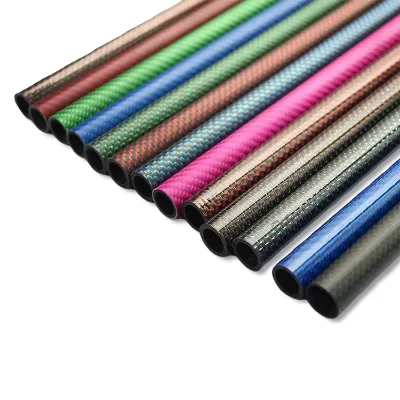
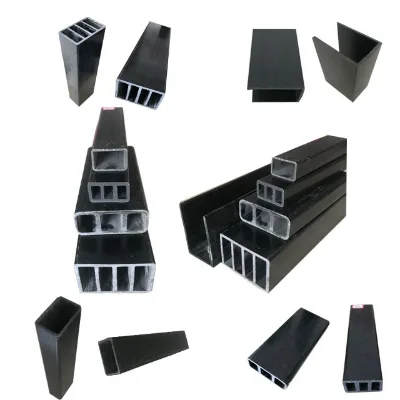
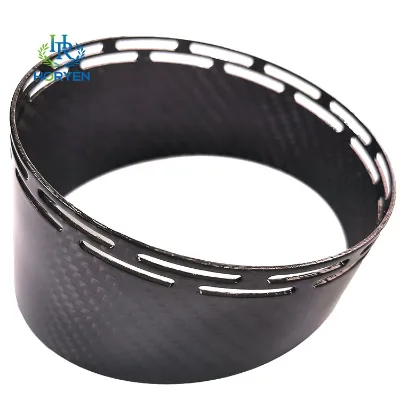
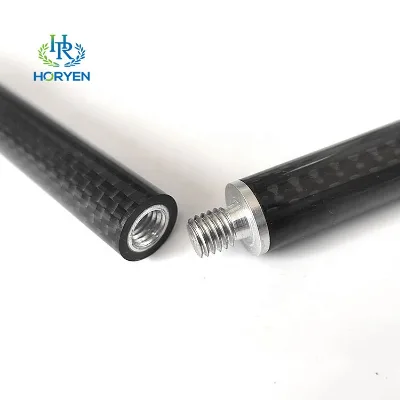
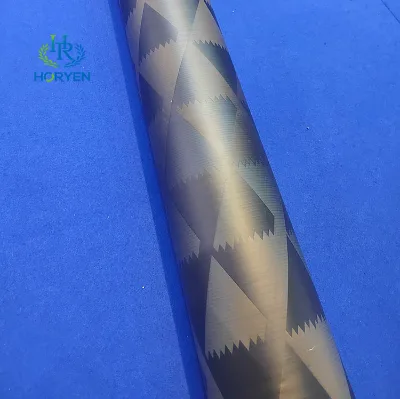
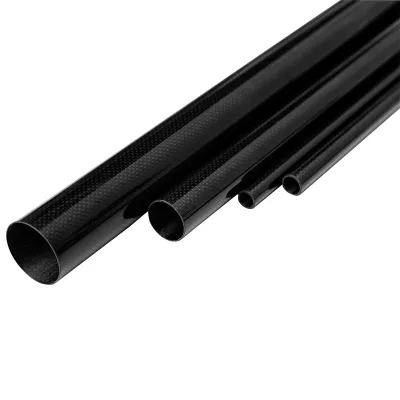
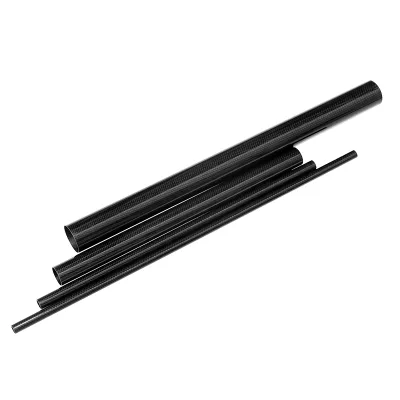
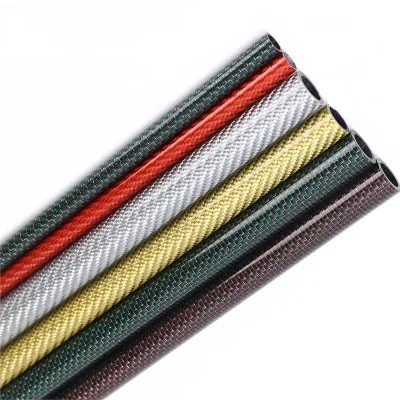
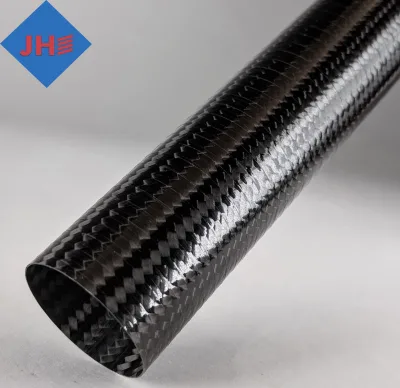
Yes, customization is available for these carbon fiber tubes. Suppliers offer custom sizes, lengths, and shapes such as tapered or rectangular profiles. The surface finish can also be tailored to specific requirements like twill, plain, or glossy finishes. Buyers should provide detailed specifications to the supplier for accurate quoting.
What certifications do these suppliers hold?
Some suppliers hold ISO 9001, ISO 14001, TS 16949, and OHSAS 18001 certifications. Others may have NIL certification status. Verification services like TUVRHEINLAND are also utilized by some manufacturers. Buyers should request current certification documents to ensure compliance with their quality and safety standards.
What is the price range for carbon fiber tubes?
Prices for these tubes range from $1.00 to $50.00 per unit. The cost varies based on the raw material, dimensions, and customization level. Buyers should request detailed quotes for their specific requirements to understand the total cost, including any additional fees for custom packaging or specialized finishes.